The true currency of hosting rights
When a city secures the rights to host a major sporting property, the actual competition is only a fraction of the transaction. The real exchange happens in hotel lobbies, transit hubs, and local restaurants. Sports tourism in India has matured past the occasional cricket World Cup fixture. In September 2026, destination economics rely heavily on a continuous calendar of marathons, franchise leagues, and regional tournaments to drive municipal revenue. We see this firsthand at ISST (Institute of Sports Science & Technology). Students entering our classrooms quickly learn that sports management is fundamentally about moving people and capital across borders.
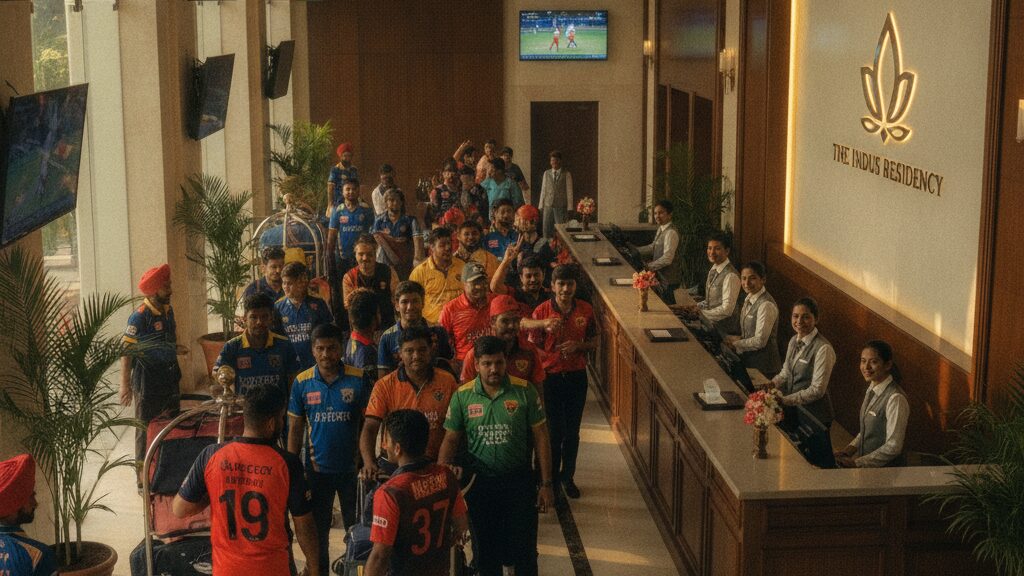
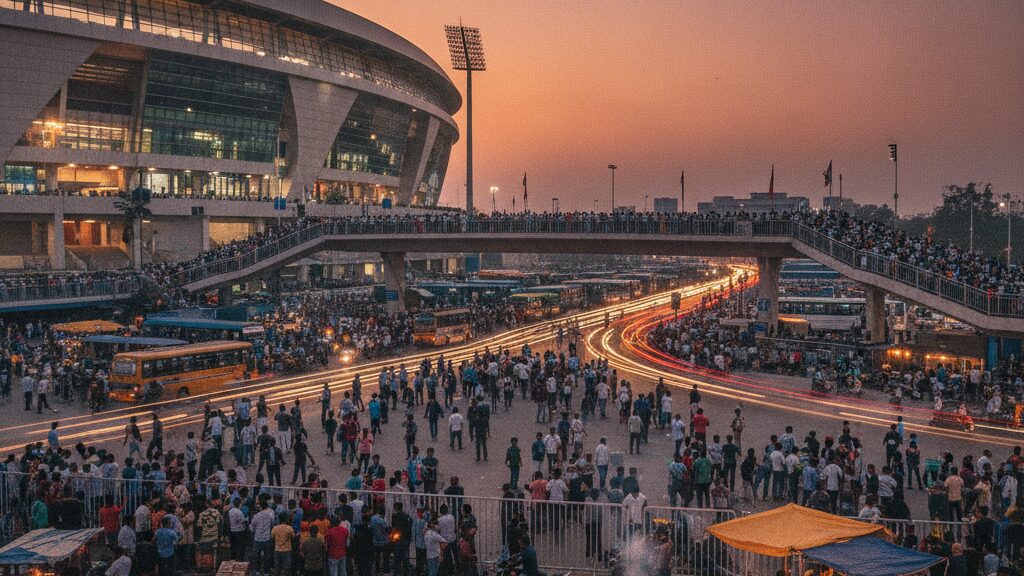
Consider what happens when a tier-1 franchise match arrives in a city like Ahmedabad or Pune. The influx of traveling fans triggers an immediate demand shock. Hotel occupancy rates spike, often commanding premiums well above standard seasonal pricing. Local transport networks, food and beverage vendors, and retail outlets capture the overflow. This is the multiplier effect in action. A single ticket purchase cascades into secondary spending that sustains local businesses for weeks. Cities that consistently win bids for these events establish a reliable economic baseline. Destination marketers actively court sports properties because the audience arrives with a high propensity to spend.
Building permanent assets for temporary events
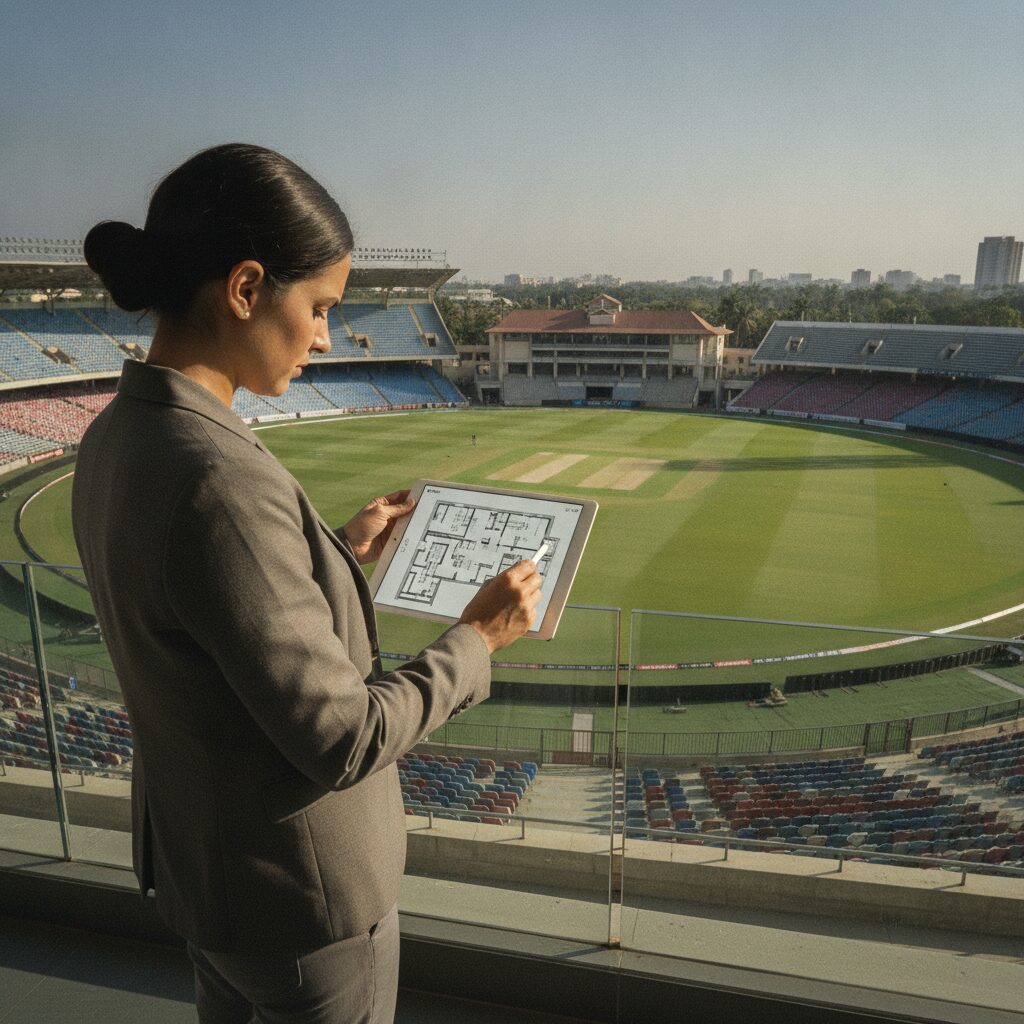
Hosting a mega-event forces a municipality to upgrade its physical assets. Stadiums require modern access roads, upgraded public transit links, and expanded airport capacities. These improvements do not disappear when the final whistle blows. They remain as permanent upgrades to the city’s civic infrastructure. Planners who understand destination economics frame these initial capital expenditures as long-term investments in tourism capacity.
Missing out on these hosting opportunities means losing the catalyst needed to secure state or federal funding for urban development. The cost of inaction is steep for cities trying to elevate their national profile. A municipality that fails to bid on regional championships will watch competing districts absorb the federal infrastructure grants attached to those events.
Who manages the destination experience?
Executing a sports tourism strategy requires a specific operational skill set. The logistics of moving fifty thousand people safely into a venue while maximizing their secondary spending is a highly technical discipline. Professionals who master this intersection of hospitality, crowd dynamics, and revenue management are in notoriously short supply. Industry leaders actively recruit individuals with formal training, knowing that theoretical knowledge must be backed by practical execution.
Through programs like the BSC Sports Management and the MBA in Sports Management, students analyze these exact economic models. They study how to position a city as a viable host and how to execute the operational demands once the bid is won. The people running these destination events are not just sports fans. They are highly trained revenue architects.
The regional shift in hosting strategy
The monopoly of traditional metro cities over sporting events has fractured. Destinations like Bhubaneswar and Guwahati have aggressively positioned themselves as specialized hubs for specific sports, such as hockey or athletics. This targeted approach bypasses the heavy competition for cricket and establishes the city as a default destination for national camps and international qualifiers.
Regional administrators recognize that consistent, mid-tier events provide a more stable economic return than a single, massive tournament every five years. The demand for qualified personnel to manage these emerging regional hubs is precisely why a career in sports management in India continues to expand outward from the major metros. Agencies need boots on the ground in these secondary markets to coordinate the influx of athletes, media, and spectators.
Measuring the true impact of traveling fans
Destination marketers no longer rely on guesswork to justify their bids. Advanced ticketing platforms and mobile telemetry provide exact figures on where fans travel from, how long they stay, and what else they purchase. Analyzing this data reveals the true value of an away-fan base. Research from major franchise leagues shows that a visitor who travels across state lines for a weekend fixture typically spends three times more than a local attendee.
Capturing and interpreting these numbers is a core function for modern administrators. If you want to understand the volume of this sector, reviewing the India Spectator Sports Market Size: 2026 Overlooked Jobs provides a clear picture of where the capital is flowing. You cannot manage what you cannot measure, and modern sports tourism is built entirely on verifiable data.
Frequently Asked Questions
What defines sports tourism in India?
It refers to travel specifically for the purpose of observing or participating in a sporting event. This includes everything from attending a major franchise league match to traveling for a regional marathon.
How do host cities make money from these events?
Revenue flows through secondary spending by visitors rather than just ticket sales. Hotels, restaurants, and local transport networks capture the majority of this economic activity.
Why are tier-2 cities bidding for sports properties?
Hosting events provides a proven method to secure infrastructure funding and boost local tourism. It allows smaller cities to elevate their national profile and attract sustained visitor traffic.
What role do sports managers play in tourism?
They coordinate the logistics between the sporting property, local government, and hospitality sectors. Their primary function is ensuring the event runs smoothly while maximizing local economic impact.
Do you need a specific degree to work in this sector?
Formal education provides the operational frameworks required by top agencies. Degrees like an MBA in Sports Management teach the specific revenue and crowd dynamics these events demand.
How does infrastructure benefit from sports events?
Municipalities often fast-track transit and road upgrades to accommodate the influx of fans. These upgrades remain permanently to serve the local population long after the event concludes.
What is the multiplier effect in sports events?
This occurs when initial spending by visitors circulates through the local economy. A single hotel booking pays local staff, who then spend their wages at local businesses.
Where are the jobs located for these roles?
Opportunities are spreading rapidly beyond major metros into regional hubs actively developing their sporting infrastructure. State associations and private bid committees are primary employers.
Turn your understanding of sports into a profession
Waiting for the industry to come to you guarantees you will miss the best opportunities. Secure your place in the business of sports by acquiring the exact operational skills agencies are looking for right now. Review our Sports Management Courses and submit your application today to start building your career.