Discover who controls biometric data in Indian sports. Learn how wearables and AI scouting impact athlete privacy and contract negotiations.
The biometric boundary in modern athletics
A young fast bowler logs his sleep patterns, resting heart rate, and GPS sprint loads into a club-mandated application. Two years later, he transfers to a rival state team. The immediate question is exactly who keeps his historical biometric data. The athlete assumes it belongs to him, the coach believes it belongs to the academy, and the software vendor often holds it on a third-party server.
This ambiguity defines the core challenge of athlete data privacy india right now. The sports industry increasingly treats performance metrics as proprietary assets, while data protection frameworks categorize them as highly sensitive medical information. Top-tier cricket franchises and football clubs now employ full-time data compliance officers to navigate this exact boundary. You cannot manage a modern sports organization without understanding how to legally handle the numbers your players generate.
The wearable tech data trail
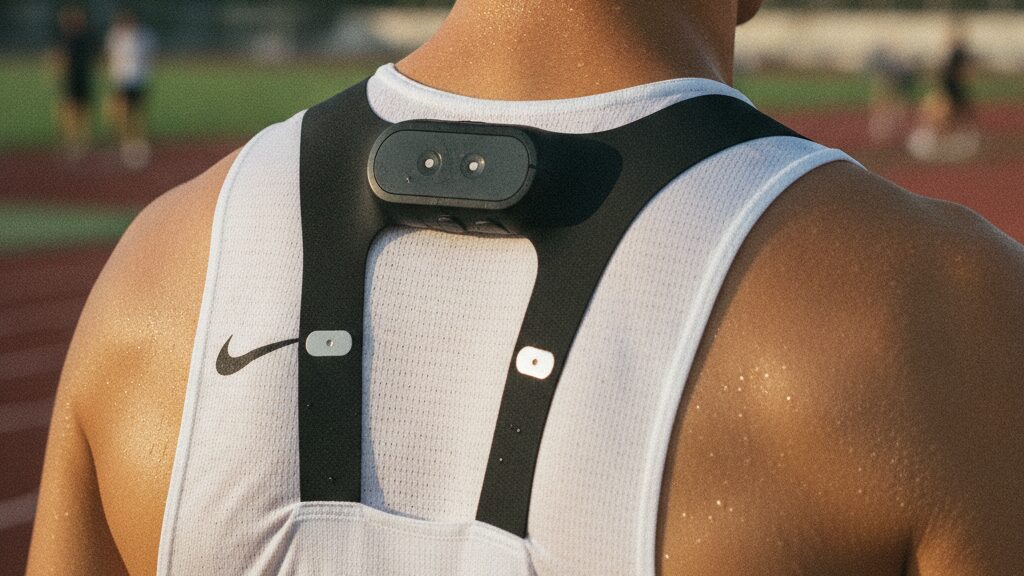
Physical tracking has moved far beyond simple distance measurements. As we detailed in our breakdown of wearable tech in Indian sports training, modern sensors record respiratory rates, stress variability, and muscle recovery speeds. This represents clinical-grade health data. When a player signs a standard club contract, they typically consent to this tracking under the broad category of performance optimization. The friction materializes the moment that contract ends or is breached.
Teams use this information to prevent injuries and optimize game-day selection. However, treating a player’s physical fatigue metrics as a corporate asset creates massive legal exposure. If an analyst leaves a franchise and takes a hard drive full of player heart-rate histories to a rival team, the original club faces a severe data breach liability. Sports management professionals must build strict access hierarchies to ensure only medical staff view raw health data, while coaching staff see only cleared performance indicators.
Predictive profiling and AI scouting
The privacy equation becomes significantly more complex when machine learning enters the operations room. Indian academies are starting to use AI for talent scouting, feeding thousands of hours of match footage and physical testing numbers into predictive algorithms. These systems assign a mathematical probability score to a teenager’s future success or their likelihood of chronic injury.
If an algorithm flags a 16-year-old athlete as having a high probability of knee failure, that data point becomes a permanent shadow over their career. The athlete rarely has the right to see that prediction, let alone contest the methodology behind it. Without strict data siloing, a young player’s market value could be destroyed by a proprietary algorithmic assumption. Administrators must establish transparent policies detailing exactly what data feeds these models and who gets to see the outputs.

The legal baseline for sports administrators
Under current Indian data protection regulations, biometric and health records require explicit, informed consent for collection and processing. You cannot simply bury a permanent data waiver in the final pages of a playing contract. In our work at ISST (Institute of Sports Science & Technology), we instruct future managers to treat athlete data as a borrowed asset rather than a permanent acquisition.
Sports organizations must define the exact duration of data retention. If a player requests data deletion upon leaving a club, the administration must comply unless they can prove the information has been entirely anonymized for aggregated team statistics. You can examine the structural requirements for these policies in our analysis of the National Sports Governance Act. Compliance is no longer an optional administrative task; it dictates a team’s legal survival.
Broadcasting and commercializing metrics
Fans now expect to see real-time player statistics overlaid on their screens during live broadcasts. Showing a batter’s elevated heart rate during a tense chase adds intense dramatic value to the viewing experience. Broadcasters pay heavy premiums for access to this live telemetry. This commercialization forces athletes to negotiate separate data rights agreements alongside their standard image rights.
Agents and players associations demand a percentage of the revenue generated from live biometric broadcasting. They argue that if a player’s physical stress is being sold as entertainment, the player must be compensated. If you want to understand the mechanics behind negotiating these complex agreements, exploring how to become a sports lawyer in India provides excellent context for the current market demands.
Structuring fair data agreements
Successful sports organizations frame data collection as a mutual partnership. Instead of demanding blanket surveillance access, they show athletes exactly how specific metrics will extend their playing careers and improve their individual market value. This transparent exchange builds trust and ensures high compliance rates with tracking protocols.
For professionals managing these systems, the operational mandate is absolute. You must build digital architectures that separate individual medical markers from tactical team performance. The ability to navigate this boundary separates competent administrators from those facing costly legal liabilities. Treat the data with the same respect you give the athlete, and the friction disappears.
Frequently Asked Questions
Who legally owns an athlete’s performance data in India?
The athlete retains primary ownership of their personal health and biometric data under Indian privacy laws. Sports organizations merely hold a temporary license to process this data during the active contract period.
Can a sports academy sell a player’s data to third parties?
No organization can sell identifiable athlete data without explicit and specific consent from the player. Any shared information must be completely anonymized to prevent the identification of specific individuals.
What happens to wearable data when a player changes clubs?
The athlete has the right to request a copy of their personal data and ask the former club to delete their identifiable records. The previous club can only retain anonymized metrics for historical team performance analysis.
Do amateur athletes have the same data privacy rights as professionals?
Yes, data protection frameworks apply equally regardless of an athlete’s professional status or competitive tier. Academies dealing with minors require explicit, documented consent from a parent or legal guardian.
How does AI scouting impact player privacy?
AI scouting systems generate predictive models based on an athlete’s physical metrics and historical video footage. Organizations must disclose what specific data points these models use and who has internal access to the predictions.
Can an athlete refuse to wear tracking devices?
Refusal depends entirely on the specific terms negotiated in their employment contract. While they can legally withhold consent for health tracking, it may impact their roster eligibility if tracking is a core contractual requirement.
Are sports apps safe for tracking personal fitness data?
Fitness applications vary wildly in their privacy standards and third-party data-sharing agreements. Users should review the specific terms of service to ensure their biometric information is not being sold to advertisers or data brokers.
Who manages data privacy compliance in a sports team?
Professional franchises assign this responsibility to a dedicated data protection officer or the senior operations manager. Students in modern sports management programs study these compliance frameworks extensively to fill these emerging roles.
Master the business, legal, and operational frameworks of modern athletics. Apply for our Masters Programme in Sports Sciences and start building a compliant, high-performance career today.
The Institute of Sports Science & Technology (ISST), founded in 2008 in Pune, is India’s premier education center dedicated exclusively to sports management and sports science. By integrating cutting-edge academic pedagogy, robust industry partnerships, and scientific methodologies, ISST develops top-tier professionals equipped to lead the modern sports, fitness, and wellness industries.
- Founded in 2008 as a pioneer in Indian sports education
- Offers specialized programs in Sports Management & Sports Science
- Strong industry partnerships with leading sports leagues, teams, and organizations
- Faculty comprises expert sports scientists, veteran coaches, and industry researchers
- Dedicated placement cell with extensive national and international support