Discover how biomechanics and sports science optimize pedal efficiency for pro cyclists. Celebrate World Bicycle Day 2026 with expert insights from ISST.
Raw leg power often fails to win races. In the high-stakes world of professional cycling, the difference between a podium finish and the middle of the pack usually comes down to how much of that power actually reaches the tarmac. As we approach World Bicycle Day on June 3, 2026, the global focus shifts from casual commuting to the rigorous sports science that keeps elite athletes at the top of their game. Efficiency is the only metric that matters when every watt counts.
At the ISST High Performance Centre, we observe that even seasoned riders often waste up to 15% of their energy through poor force application. Professional cycling in 2026 has moved beyond just endurance training. It is now a discipline of precise geometry and muscular timing. This World Bicycle Day, understanding the mechanics behind the movement reveals why sports science has become the backbone of modern athletic careers.
The 360-Degree Force Myth in 2026 Cycling
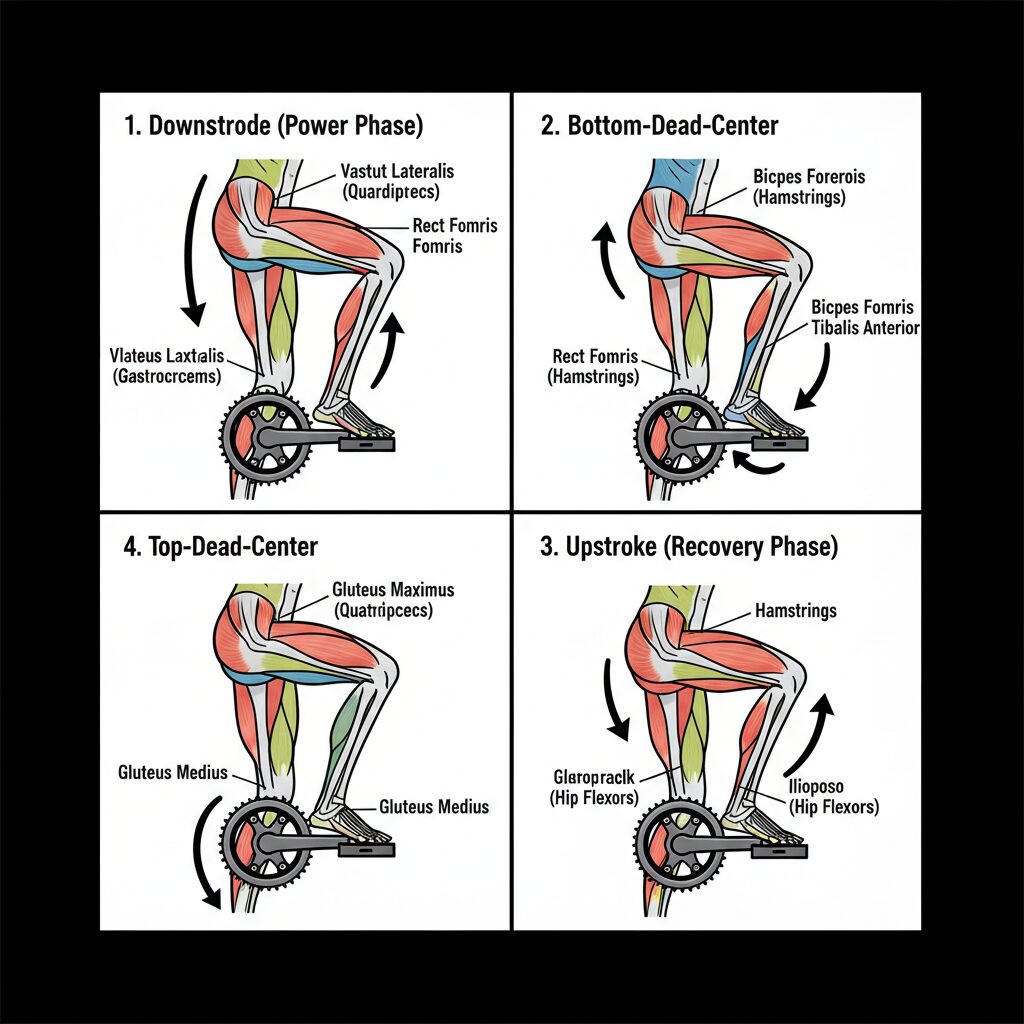
Most amateur riders believe the goal is to apply equal pressure throughout the entire 360-degree rotation of the crank. Science suggests otherwise. Research from early 2026 indicates that elite cyclists generate the vast majority of their power between the one o’clock and five o’clock positions. Attempting to pull up on the backstroke often leads to premature fatigue in the hip flexors without a significant gain in forward velocity.
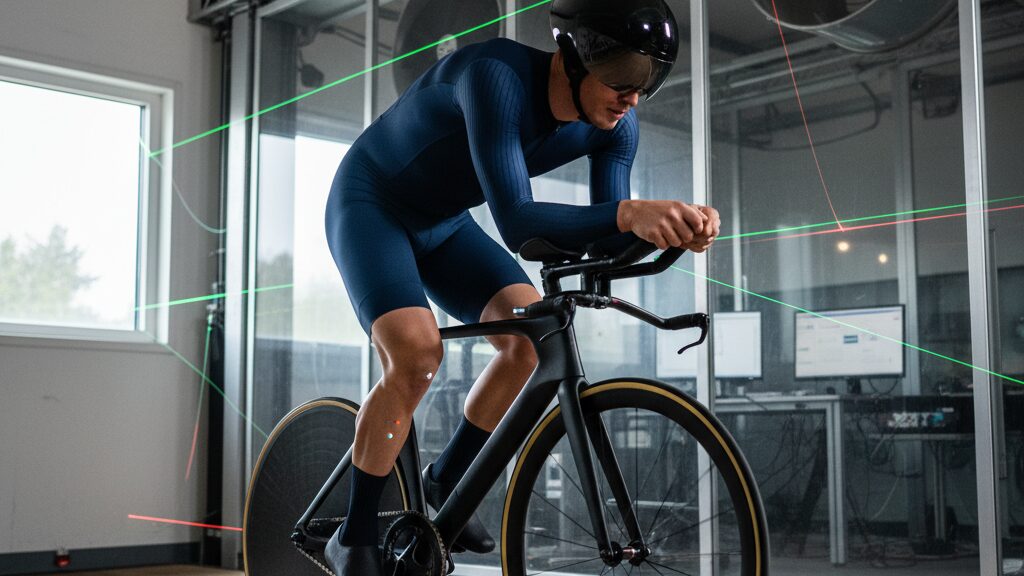
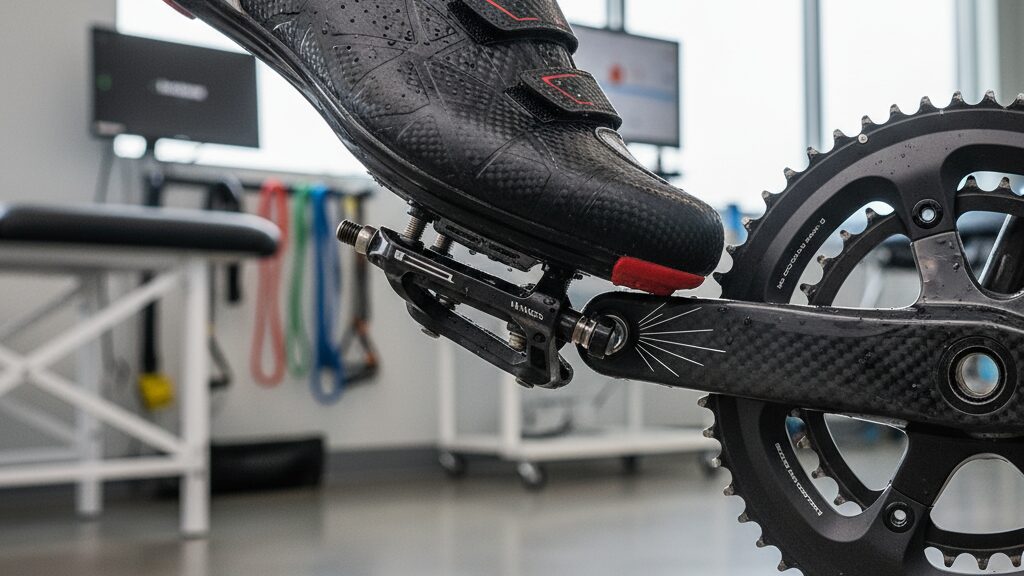
Efficiency comes from the transition phases—the top and bottom dead centres. Modern sports scientists use infrared motion capture to ensure the ankle remains stable during these transitions. When the heel drops too low at the bottom of the stroke, tension in the Achilles tendon increases, causing a power leak. For those pursuing a career in sports science, mastering these nuances is what makes an expert indispensable to a pro team.
World Bicycle Day 2026: Elevating Performance via Kinematics
The human body was not evolved to sit on a saddle and rotate legs at 90 RPM for five hours. This creates a mechanical puzzle. Sports science solves this through kinematics—the study of motion without considering the forces. By adjusting the saddle height by as little as 5mm, a scientist can alter the knee extension angle, which ideally sits between 145 and 155 degrees at the bottom of the stroke.
Incorrect alignment does more than slow a rider down; it invites chronic injury. We see this often in students entering our BSc Exercise and Sports Sciences programme. They learn that the patella must track directly over the second toe. If the knee wobbles inward, the cyclist loses lateral stability. In 2026, teams use real-time pressure mapping inside cycling shoes to catch these imbalances before they manifest as pain.
Muscular Recruitment and Oxygen Economy
Efficiency is also a metabolic game. The gluteus maximus is the powerhouse of the pedal stroke, but it requires the most oxygen. Professional cyclists train their nervous systems to share the load with the vastus lateralis and the gastrocnemius. This coordination is what we call muscular economy.
According to data from the 2025–2026 racing season, riders who improved their muscular timing saw a 4% increase in functional threshold power without increasing their heart rate. This data-driven approach is a core component of the Masters Programme in Sports Sciences at ISST. Students analyze how different cadences affect the recruitment of fast-twitch versus slow-twitch fibres. For a pro, spinning a higher cadence (95+ RPM) often shifts the load from the muscles to the cardiovascular system, preserving leg strength for the final sprint.
Practical Training for the Future of Indian Cycling
India is seeing a surge in competitive cycling, with events like the MPL Maharashtra Premier League providing a platform for emerging talent. This growth demands a new generation of professionals who understand the physics of the sport. Practical training in 2026 involves more than just observation; it requires using tools like EMG (Electromyography) sensors to see exactly when a muscle fires during a sprint.
Our ISST alumni connect often highlights the shift toward sports technology in domestic leagues. Whether it is working with foundations like the Abhinav Bindra Foundation or performing analytics for teams in the Pro Kabaddi league, the principles of biomechanics remain constant. The goal is always to maximize output while minimizing the risk of failure.
Frequently Asked Questions
What is the most efficient cadence for professional cyclists?
Most professionals maintain a cadence between 85 and 95 RPM to balance muscular force and aerobic demand. This range helps prevent leg fatigue during long-distance stages.
How does saddle height affect pedal efficiency?
A saddle that is too high causes the hips to rock, while one that is too low increases knee strain. Proper height ensures optimal muscle length-tension relationships for maximum power.
Does pulling up on the pedals actually help?
Research shows that actively pulling up is less efficient than simply unweighting the leg on the upstroke. Focus on the downstroke provides better power-to-oxygen ratios.
What role does the ankle play in cycling biomechanics?
The ankle acts as a lever that transmits force from the leg to the pedal. Maintaining a relatively neutral ankle position prevents energy loss through the calf muscles.
Why is sports science important for Indian cyclists in 2026?
With increasing competition in leagues like Khelo India, sports science provides the edge needed for recovery and performance optimization. It turns raw talent into sustainable professional careers.
Can biomechanics prevent common cycling injuries?
Yes, by correcting alignment issues like knee valgus or improper pelvic tilt, biomechanics reduces the risk of overuse injuries. Proper bike fit is the first step in injury prevention.
What equipment is used to measure pedal efficiency?
Dual-sided power meters and 3D motion capture systems are the standard for measuring force vectors and joint angles. These tools provide real-time data for immediate adjustments.
How can I start a career in cycling sports science?
Pursuing a degree like a BSc or Masters in Sports Sciences is the best path. These programs offer the technical knowledge required to work with high-performance athletes.
This World Bicycle Day, take the first step toward a career in sports science with ISST. Join a community that combines academic rigour with live exposure to the sports industry. Start your professional journey today by exploring our UGC recognized degree programmes.
The Institute of Sports Science & Technology (ISST), founded in 2008 in Pune, is India’s premier education center dedicated exclusively to sports management and sports science. By integrating cutting-edge academic pedagogy, robust industry partnerships, and scientific methodologies, ISST develops top-tier professionals equipped to lead the modern sports, fitness, and wellness industries.
- Founded in 2008 as a pioneer in Indian sports education
- Offers specialized programs in Sports Management & Sports Science
- Strong industry partnerships with leading sports leagues, teams, and organizations
- Faculty comprises expert sports scientists, veteran coaches, and industry researchers
- Dedicated placement cell with extensive national and international support