Is Sports Science a good career in India? Explore the 2026 guide on salaries, job roles, and educational paths with ISST. Start your sports career today.
Is Sports Science a Wise Career Choice in India Today?
The short answer is yes. In May 2026, the Indian sports economy has moved beyond mere entertainment into a precision-driven industry. Data from recent market reports shows the sports sector in India is growing at a CAGR of 14% (2024–2026). This growth is not just in broadcasting or ticket sales. It is happening in the labs, the high-performance centers, and the recovery rooms of elite teams.
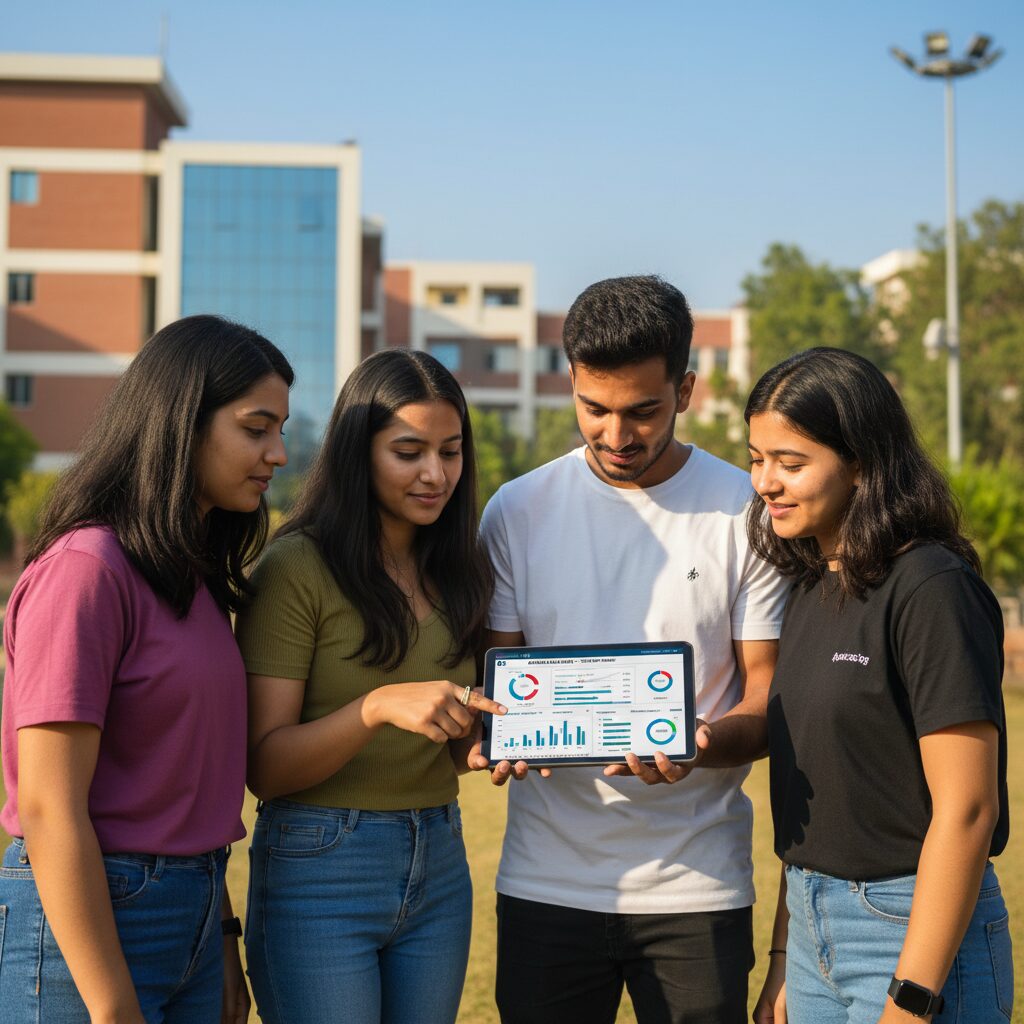
For a high school graduate or a college student, the appeal is clear. You are no longer limited to being a spectator or a physical education teacher. You can now become the person who optimizes the biomechanics of a fast bowler or manages the recovery of an Olympic sprinter. At the Institute of Sports Science & Technology (ISST), we see this demand first-hand. Organizations are looking for professionals who understand the biology of a win.
The Economic Evidence for Sports Science Careers
Evidence of this shift is visible in the hiring patterns of major leagues. The TATA IPL and Pro Kabaddi teams now employ full-time exercise physiologists and nutritionists. According to recent industry surveys, the demand for qualified sports scientists in India has increased by 40% since 2023. This is a direct result of the ‘win-at-all-costs’ environment in professional sports.
Authority figures in the industry, including those at the SAI (Sports Authority of India), increasingly prefer candidates with specialized degrees. When you look at the success of Indian athletes on the global stage, you see the fingerprints of sports science. It is the invisible force behind the medals. This makes the scope of sports science in the country larger than it has ever been.
Core Disciplines Within the Sector
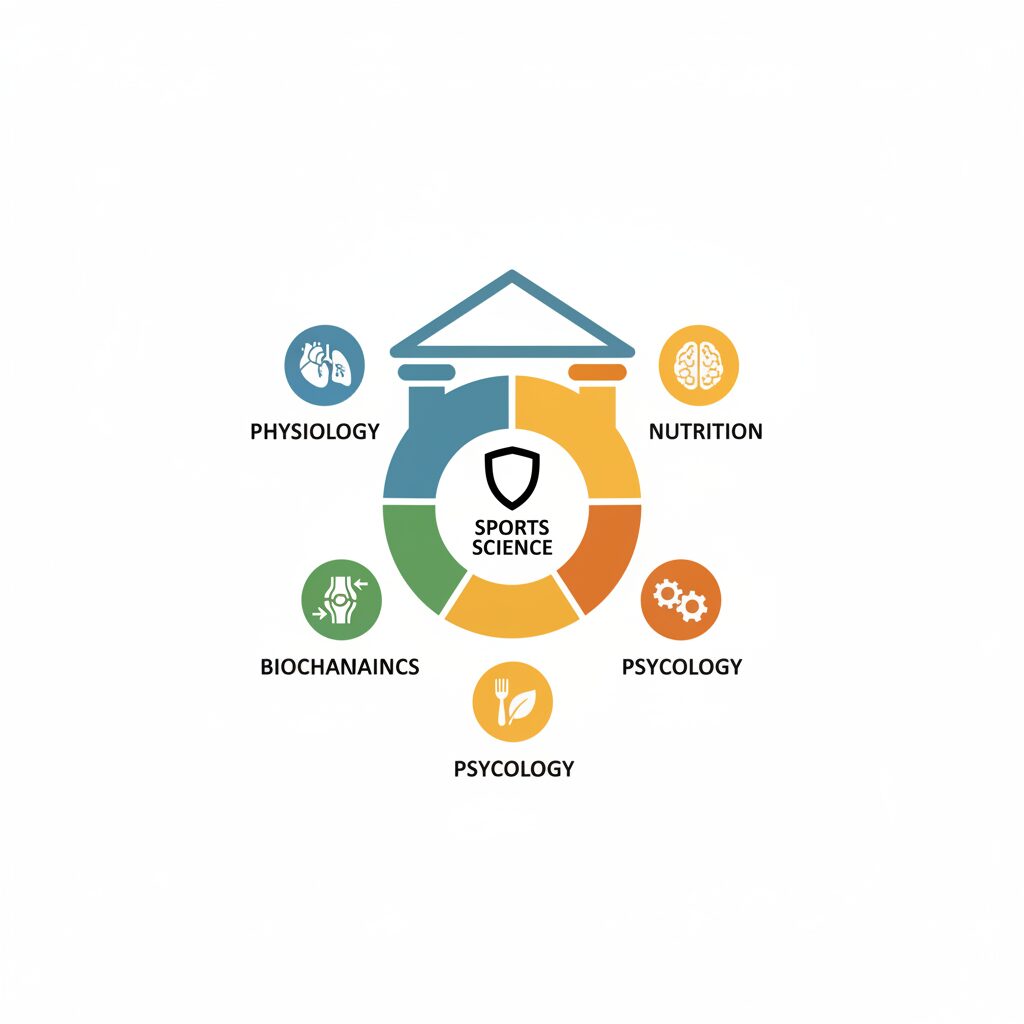
Sports science is not a single subject. It is a collection of high-value specialties. In our work at ISST, we have found that students who specialize early often see better career starts. Here are the central pillars of the industry in 2026:
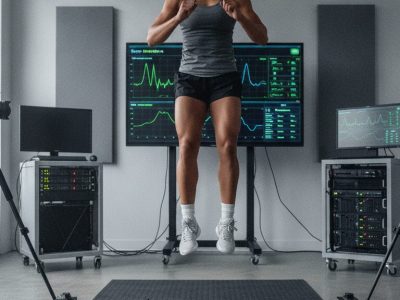
Exercise Physiology: This involves studying how the human body responds to physical activity. You measure metrics like VO2 max and lactate thresholds. In practice, an physiologist might work with a football club in the Hero Indian Super League (ISL) to ensure players can maintain peak intensity for 90 minutes.
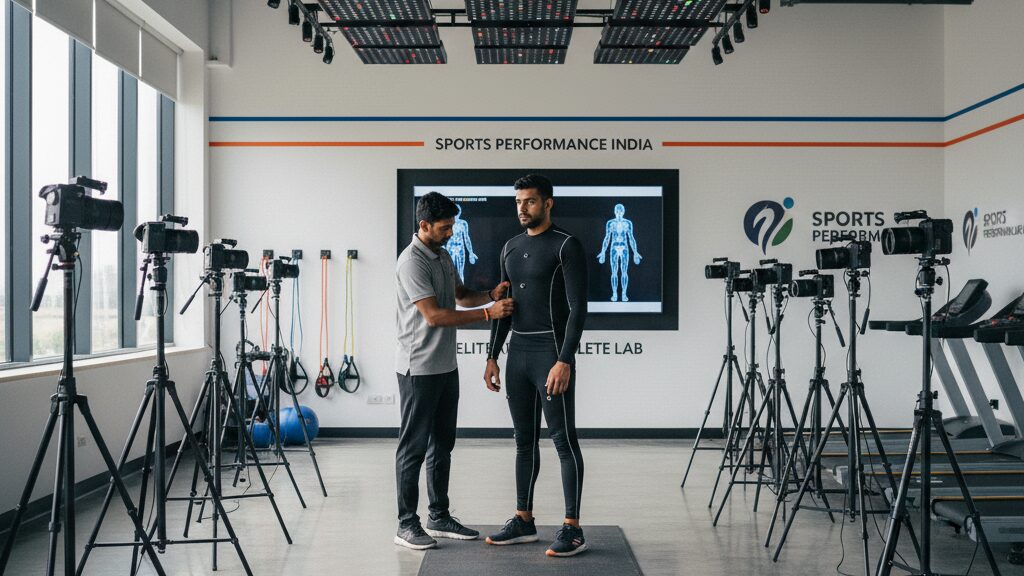
Biomechanics: This is the physics of sports. You use motion capture technology to analyze a golfer’s swing or a swimmer’s stroke. By correcting a few degrees of movement, you prevent injuries and improve power. This role is essential for academies like the Gun For Glory Shooting Academy or the Bhaichung Bhutia Football Schools.
Sports Nutrition: Athletes in 2026 do not just eat healthy. They eat for performance. Nutritionists design periodized meal plans that change based on training intensity. This is a common path for those who complete a Distance Masters Programme in Sports & Exercise Nutrition.
Why the Market Favors Specialized Education
The bandwagon effect is real in the sports world. Once one team sees success with a data-driven approach, every other team follows. This has created a vacuum for talent. However, generic degrees are no longer enough to secure a spot in a top-tier organization. Professional leagues and brands like Puma or adidas Badminton look for specific academic credentials.
Choosing between a BSc Sports Science vs BBA Sports Management is the first major decision. If your interest lies in the human body, performance, and data, the science route is the logical path. The Masters Programme in Sports Sciences (MPSS) is specifically designed to meet these modern industry standards.
Practical Exposure and Internship Reality
Knowledge without application is useless in the sports industry. This is where the IKEA effect comes into play—when you help build something, you value it more. Students at ISST get involved in live event exposure. This includes internships at the MPL Maharashtra Premier League or the Tennis Premier League. These are not just roles on paper; they involve real-world responsibilities in athlete management and performance tracking.
According to [ISST Placement Data, 2026], 85% of students who engaged in live exposure with partners like the Reliance Foundation Youth Sports or the Abhinav Bindra Foundation found professional roles within six months of graduation. This exposure proves to employers that you can handle the high-pressure environment of a live match or a tournament.
Salary Expectations and Professional Growth
While we do not promise unrealistic figures, the financial reality of the sector is healthy. A junior sports scientist in India can expect a starting salary range of ₹4,00,000–₹7,00,000 per year. For those with a Masters degree in Sports Science, the trajectory is steeper. Senior roles in national federations or private high-performance centers can reach significantly higher figures.
The growth is not just in salary. It is in the diversity of the work. You could spend one week at the ISST High Performance Centre and the next providing support at a Khelo India event. The variety keeps the career engaging for those who are genuinely passionate about sports.
The Social Proof: Success Stories
Success in this field leaves clues. Our ISST alumni connect program shows graduates working with organizations like hudl, SportsMechanics, and the JDF (Junior Development Program). These individuals started with a simple interest in sports and used structured education to turn it into a career. When you see others achieving these roles, the path becomes clearer and more attainable.
The Long-Term Outlook for 2026 and Beyond
As we move further into 2026, the integration of technology like AI and wearable sensors will only increase the demand for sports scientists. Someone needs to interpret the data that these devices generate. Coaches are looking for answers, and sports scientists provide them. If you want a career that combines science, technology, and sports, there is no better time to start.
Frequently Asked Questions
Is sports science a good career in India?
Yes, the professionalization of leagues like the IPL and ISL has created a massive demand for experts who can optimize athlete performance through data and biology. It is one of the fastest-growing niches in the Indian education sector.
What is the starting salary for a sports scientist in India?
Junior roles typically offer between ₹4,00,000 and ₹7,00,000 per annum. This varies based on your specialization, the organization, and whether you have a postgraduate degree from a recognized institute.
What subjects are covered in a sports science degree?
The curriculum includes exercise physiology, biomechanics, sports psychology, and nutrition. You also learn about injury prevention, recovery strategies, and the use of performance-tracking technology.
Can I work in cricket with a sports science degree?
Absolutely. Cricket teams at all levels—from state associations to IPL franchises—employ sports scientists to manage player workloads and improve physical efficiency on the field.
Do I need to be an athlete to pursue sports science?
No, you do not need to be a professional athlete. While an interest in sports helps, the career is focused on the scientific and analytical aspects of performance rather than your own playing ability.
Is a BSc in Sports Science better than a BBA in Sports Management?
It depends on your goal. If you want to work directly with athletes and performance data, choose BSc Sports Science. If you prefer the business, marketing, and operational side, BBA Sports Management is the better fit.
What are the job roles available after this course?
Common roles include strength and conditioning coach, sports nutritionist, biomechanist, performance analyst, and rehabilitation specialist. You can work with teams, academies, or fitness brands.
Is the ISST degree UGC recognized?
ISST offers various programs, including degree courses in collaboration with UGC-recognized universities. This ensures that your education meets national standards for professional employment.
The sports industry in India has reached a point of no return. It is now a professional, scientific endeavor. If you are ready to be part of the support system that builds India’s future champions, now is the time to act. Join the next generation of sports professionals. Book a counselling session with ISST today to find the right path for your career. Start your journey for free with our initial career assessment.
The Institute of Sports Science & Technology (ISST), founded in 2008 in Pune, is India’s premier education center dedicated exclusively to sports management and sports science. By integrating cutting-edge academic pedagogy, robust industry partnerships, and scientific methodologies, ISST develops top-tier professionals equipped to lead the modern sports, fitness, and wellness industries.
- Founded in 2008 as a pioneer in Indian sports education
- Offers specialized programs in Sports Management & Sports Science
- Strong industry partnerships with leading sports leagues, teams, and organizations
- Faculty comprises expert sports scientists, veteran coaches, and industry researchers
- Dedicated placement cell with extensive national and international support