

- On 1 October 2026, the Indian Super League confirmed automotive brand MG as its title partner for the 2026–27 season.
- The contract grants MG category exclusivity, barring competing automobile manufacturers from purchasing premium partner tiers across official broadcasts and physical perimeters.
- Automotive brands target Indian football fans concentrated in key consumer markets such as West Bengal, Kerala, Goa, and the Northeast.
- Corporate sponsorship inventory contracts contain three structural layers: media broadcast rights, stadium on-ground activations, and digital community rights.
Commercial property valuations in Indian professional sport are undergoing a decisive structural migration toward mobility, sustainability, and immersive consumer experiences. Corporate asset structuring in football now demands multi-year experiential activations, direct regional engagement, and measurable consumer acquisition pipelines rather than simple static logo placements.
On 1 October 2026, the Indian Super League Official release confirmed automotive brand MG as its title partner ahead of the 2026–27 season kickoff. This high-value commercial tie-up illustrates how modern isl sponsorship trends are moving away from traditional consumer goods toward automotive and clean-energy brands that demand sustained regional activation across the country.
Deconstructing the MG Indian Super League Title Agreement
Title properties represent the apex tier of any sports league commercial pyramid. In football administration, a title partnership confers naming rights, pervasive perimeter LED visibility, broadcast bug integrations, and central circle branding on matchdays. The agreement between MG and Football Sports Development Limited introduces multi-category sponsorship packages that combine connected vehicle technology with stadium fan engagement.

When sports management teams design league-level rights packages, they carve out strict category exclusivity. Under this contract structure, competing automobile manufacturers cannot buy premium partner tiers across official broadcast feeds or league-controlled physical perimeters. This total exclusivity justifies the premium rights fee, establishing a clear brand association for the partner across every media broadcast, social clip, and ticketing touchpoint.
Commercial valuation models in sports management rely on broadcast media equivalency and real-time community engagement indices. In practice, sports analysts calculate these valuations through television rating points, over-the-top streaming impressions, and physical stadium footfall metrics. Students pursuing an MBA in Sports Management study these exact inventory audit mechanisms to understand how property holders arrive at contract values running into tens of crores of rupees.
Why Automotive Brands Target Indian Football Audiences
The demographic alignment between football enthusiasts and automotive consumers explains why carmakers are committing capital to non-cricket domestic leagues. Indian football fans represent a young, digitally connected cohort concentrated heavily in key consumer markets such as West Bengal, Kerala, Goa, and the Northeast. These regional markets demonstrate high vehicle replacement rates and rapid adoption of electric mobility solutions.
Automobile brands depend on localized dealership networks to convert interest into vehicle sales. Title sponsorship allows regional showrooms in cities like Kochi, Kolkata, and Guwahati to run co-branded ticket contests, premium customer match hospitality, and test-drive installations directly outside stadium gates. Football provides a sustained, five-month calendar that maintains brand presence throughout the festive sales period and into the financial year-end.
This operational shift mirrors broader developments in domestic sports marketing, where corporate backing has expanded from isolated tournament sponsorships to extensive multi-tier platforms. Brands that invest in major properties frequently coordinate their spend with corporate-sponsored grassroots leagues to secure early touchpoints with student athletes, collegiate players, and emerging fan communities.
Negotiating Asset Packages for Season 13 and Beyond
Negotiating corporate sponsorship agreements requires balancing broadcast inventory with experiential property rights. Rights holders structure these agreements by defining the specific scope of on-screen visibility, digital content collaboration, player access, and stadium footprint allocations. A failure to detail activation parameters creates delivery disputes between league operations teams and corporate marketing divisions.

In modern sports administration, every corporate inventory contract contains three structural layers:
- Media and Broadcast Rights: Fixed broadcast bugs during live match feeds, dedicated replay wipes, commentary mentions, and digital highlight bugs on official streaming channels.
- Stadium and On-Ground Activation: Matchday vehicle display concourses, perimeter LED board display minute allocations, mascot integration, and half-time fan entertainment segments.
- Digital and Community Rights: Custom content series profiling players, match day preview co-branding, exclusive mobile app poll integrations, and regional youth tournament naming rights.
Each asset class carries a distinct operational delivery team. The legal contracts governing these packages include strict penalty clauses if technical outages reduce sponsor perimeter board visibility below guaranteed broadcast minutes. Aspiring sports administrators learn to manage these logistical requirements through practical training and industry internships during their academic programs.
Regional Activation Dynamics in Domestic Football
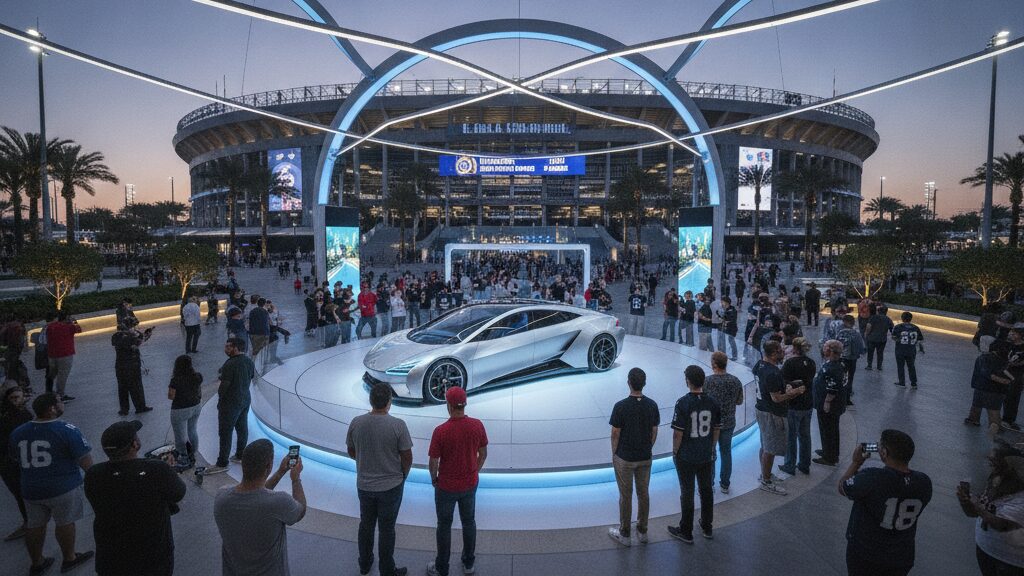
Stadium activations convert passive television viewers into active consumer leads. When thousands of spectators walk through stadium turnstiles in Kochi or Margao, automotive brands secure opportunities to capture direct opt-in data for vehicle bookings. Concourse vehicle displays, interactive driving simulators, and digital photo booths generate foot traffic that dealership sales personnel can track and qualify in real time.
Managing these operations requires skilled sports event coordinators who understand municipal stadium guidelines, brand safety protocols, and fan safety regulations. ISST alumni working in Indian football, including professionals such as Subhabrata Dey, routinely oversee these complex matchday logistics to protect property delivery standards. Professional operations bridge the gap between abstract commercial contracts and physical matchday reality.
Regional engagement also extends beyond match evenings into academy networks and local coaching clinics. Clean energy and mobility brands build deep regional loyalty when they co-sponsor community football festivals, organize inter-school cups, and provide equipment grants to local academies. These grassroots initiatives mirror the operational frameworks established across modern youth setups, as explored in discussions on the European football academy model adapted for domestic development.
Career Opportunities in Sports Sponsorship and Brand Management
The arrival of major automotive conglomerates into Indian football creates direct career opportunities for educated sports managers. Professional leagues, sports marketing agencies, and corporate brand divisions require specialists capable of negotiating contracts, analyzing valuation metrics, and delivering on-ground assets without compliance failures. The industry no longer relies on informal administration; it demands certified business acumen.
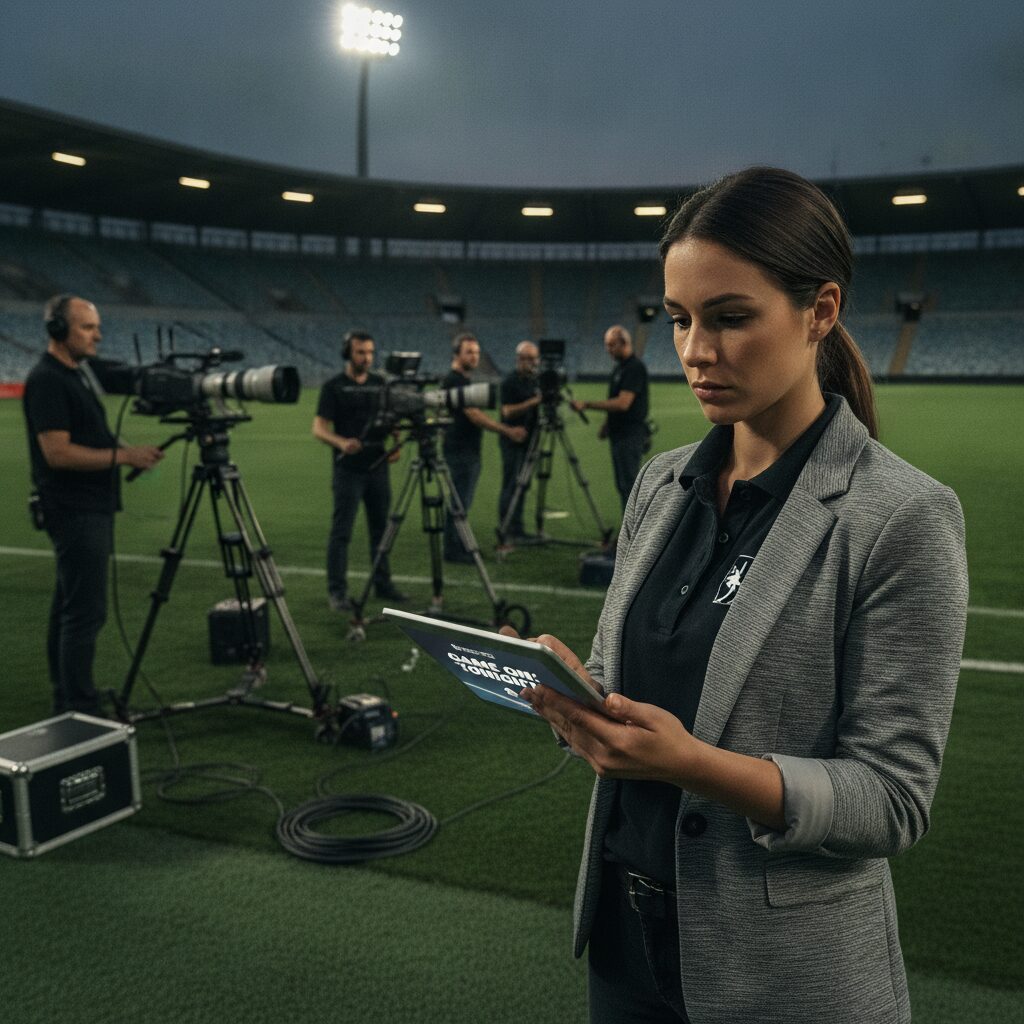
Candidates preparing for a career in sports management must build analytical competence across sponsorship valuation, contract law, digital media distribution, and event risk management. Foundational degree options, such as the classroom BSC Sports Management program, provide students with comprehensive live exposure to commercial league operations and tournament staging. Those exploring vocational pathways can review what jobs can you get with sports management to evaluate roles in brand partnerships, client servicing, and asset coordination.
Technical sports education also prepares administrators to work alongside high-performance staff. The modern commercial manager understands player physical workload constraints, match timing demands, and facility operations. Training supported by institutions equipped with modern facilities, like the ISST High Performance Centre, gives sports business students a clear perspective on how commercial obligations interact with on-pitch athlete performance.
The Strategic Future of Indian Sports Property Monetization
The commercial evolution of Indian football reflects a maturing sports economy where multi-year corporate partnerships require measurable returns on investment. As non-cricket domestic leagues expand their geographic footprint and refine their broadcast products, sponsorship valuation will increasingly depend on proprietary audience data, electric mobility solutions, and localized retail conversion. Brands expect verifiable audience metrics, detailed demographic mapping, and verified engagement figures before committing significant marketing funds.
For sports business aspirants, mastering these commercial mechanisms is the clearest path to leadership in domestic sports governance. Whether auditing stadium inventory, negotiating digital broadcast assets, or coordinating dealership activations, the modern sports management professional operates at the intersection of brand strategy, legal compliance, and athletic execution. Developing these core competencies ensures you remain indispensable in India’s expanding sports economy.
Frequently Asked Questions
What is the significance of the MG Indian Super League title sponsorship?
The deal confirms automotive brand MG as the title partner for Season 13 starting October 2026. It highlights a commercial transition toward clean mobility brands that prioritize regional fan activation in domestic sports.
How do sports leagues calculate title sponsorship valuation?
Properties evaluate media equivalency from live broadcasts, digital stream impressions, and stadium footfall. Analysts also weigh category exclusivity, on-ground retail activations, and regional fan engagement metrics.
Why are automotive brands shifting their sponsorships to football?
Football delivers a young, urban audience concentrated in high-demand automobile consumer markets like Kerala, West Bengal, and the Northeast. The extended five-month league schedule supports ongoing dealership promotions and vehicle sales campaigns.
What assets are included in an Indian Super League title sponsorship package?
A title package includes naming rights, center-circle ground logos, perimeter LED exposure, and custom broadcast replay wipes. It also provides concourse experiential display space and exclusive digital social content series.
What role do sports management professionals play in corporate sponsorship?
Sports managers negotiate rights agreements, build valuation models, and supervise matchday asset delivery to prevent contract breaches. They also run sponsor hospitality areas, concourse activations, and technical inventory audits.
How can students prepare for careers in sports sponsorship operations?
Students can enroll in UGC-recognized academic degrees like BBA or MBA in Sports Management to build core commercial skills. Academic coursework provides live exposure, contract analysis frameworks, and event management training.
What is category exclusivity in sports business contracts?
Category exclusivity prevents a league or team from selling sponsorship assets to direct commercial competitors of their primary partner. This contractual clause protects the brand visibility of the primary partner across official inventory.
Does on-ground fan activation improve automotive sales conversions?
Stadium vehicle displays, test-drive booking kiosks, and fan zone simulators generate verified consumer leads for regional automobile dealerships. Direct interaction inside the stadium drives local showroom visits throughout the tournament schedule.
Take the Lead in Modern Sports Business
Now that MG Signs Landmark Title Sponsorship with Indian Super League for Season 13, advance your career in sports business management with ISST. Explore our UGC-recognized sports management programs today and access a free course prospectus with no admission fee obligations.