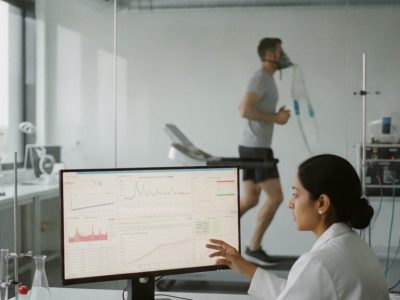
- According to the ICMR INDIAB study, India has 101 million people diagnosed with diabetes and 136 million living with prediabetes.
- Muscle contraction stimulates an alternate pathway that moves GLUT4 vesicles to cell membranes to absorb glucose without requiring insulin.
- Combining aerobic and resistance training produces significantly greater reductions in HbA1c compared to either exercise modality performed in isolation.
- Sports science graduates find employment opportunities in hospital metabolic clinics, commercial gym disease-management desks, and corporate wellness programs.
Diabetic Rehab for Sports Science: Expert 2026 Guide refers to clinical exercise physiology where sports science graduates direct non-pharmacological blood glucose management. This field utilizes certified specialists to design precise training protocols for individuals with Type 2 diabetes.
A degree in sports science prepares you for far more than coaching sprinters or tracking jump metrics on a force plate. Clinical exercise physiology and diabetic rehabilitation represent one of the fastest-growing professional sectors in Indian healthcare.
As hospitals, endocrinology clinics, and medical fitness centres shift from reactive medicine to exercise prescription, sports science graduates possess the exact biomechanical and physiological training needed to direct non-pharmacological blood glucose management.
World Diabetes Day on 14 November brings clinical exercise and medical fitness into sharp national focus. India carries a heavy metabolic burden, which creates an urgent demand for certified clinical exercise specialists capable of designing precise training protocols for individuals with Type 2 diabetes.
For graduates holding a qualification such as a BSC Sports Sciences degree, entering metabolic rehabilitation unlocks high-earning career paths that operate alongside endocrinologists, cardiologists, and corporate wellness programs.
World Diabetes Day highlights India’s metabolic shift toward clinical exercise
According to the Indian Council of Medical Research INDIAB study published in The Lancet Diabetes & Endocrinology, India has 101 million individuals diagnosed with diabetes and an additional 136 million living with prediabetes. These numbers confirm that metabolic disorders have reached epidemic scale across both urban and rural demographics.
The traditional management model, which relied almost exclusively on oral hypoglycemic agents and insulin therapy, is failing to arrest long-term cardiovascular and microvascular complications.
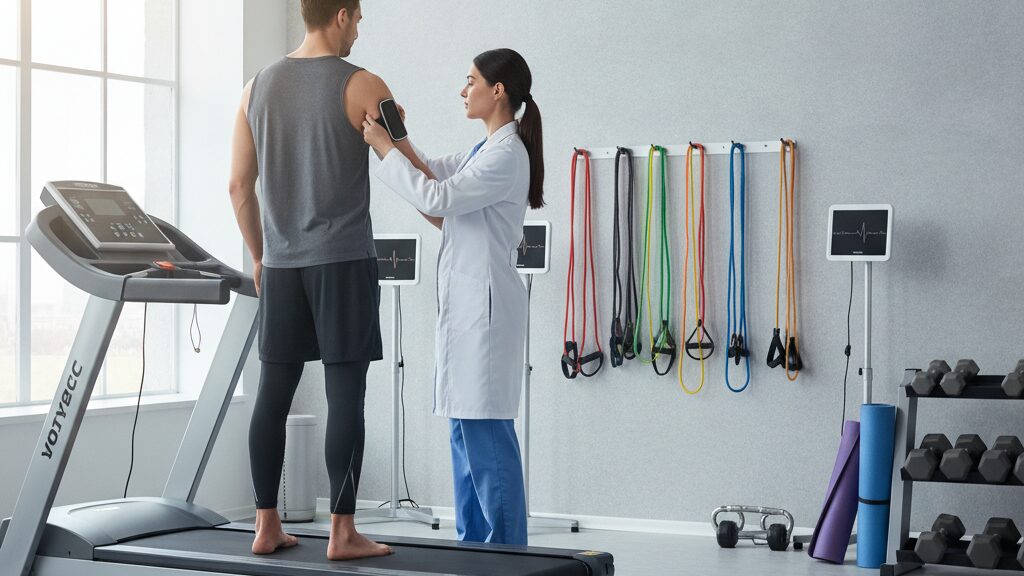
Physicians across major healthcare centres now prescribe exercise as a targeted therapy rather than giving vague recommendations to walk 30 minutes each day. The challenge lies in execution. General fitness instructors in commercial gyms lack the clinical training to handle autonomic neuropathy, silent myocardial ischemia, or exercise-induced hypoglycemia.
This operational gap is where qualified graduates in sports sciences command significant professional value.
Clinical exercise specialists understand the interaction between acute bouts of muscular contraction, cellular energy metabolism, and pharmacokinetics. When an endocrinologist adjusts a patient’s sulfonylurea dosage, a sports science professional monitors the physiological response during eccentric resistance loads or interval cycling.
In our work at ISST (Institute of Sports Science & Technology), we have seen healthcare providers actively seek graduates who combine academic grounding with practical training in hemodynamic monitoring and bioenergetics.
Clinical exercise physiology mechanisms that reduce blood glucose
Prescribing physical activity to a diabetic patient requires precise understanding of molecular mechanisms. During rest, skeletal muscle tissue relies on insulin to stimulate glucose transporter type 4 (GLUT4) translocation to the cell surface, allowing glucose uptake from the bloodstream.
In a patient with Type 2 diabetes, insulin receptor substrate signalling is blunted, leaving glucose trapped in the vascular space and driving systemic inflammation.
Muscle contraction initiates an alternate pathway that bypasses defective insulin signaling entirely. When skeletal muscle contracts repeatedly against resistance, calcium influx and rising AMP-to-ATP ratios activate 5′ adenosine monophosphate-activated protein kinase (AMPK). This enzymatic cascade forces GLUT4 vesicles directly to the cell membrane without requiring insulin binding.
A single structured training session of 45 minutes can elevate insulin sensitivity for 24 to 72 hours, depending on session volume, intensity, and muscle mass engaged.
Cardiorespiratory training improves capillary density within skeletal muscle, while progressive resistance training increases the storage capacity for glycogen. Prescribing the correct mode of exercise directly controls HbA1c levels. According to research published in the Journal of the American Medical Association, combining aerobic training with resistance training produces significantly greater reductions in HbA1c compared to either exercise modality performed in isolation.
Clinical exercise physiologists design programs around this concurrent training model to maximize metabolic clearance.
World Diabetes Day reveals hospital and medical fitness career opportunities
Graduates entering diabetic rehabilitation and clinical exercise find diverse career trajectories across private and public sectors. The medical fitness model has transitioned from small rehabilitation wings into dedicated outpatient departments within tier-one hospital chains and boutique metabolic clinics. Understanding where these roles exist helps graduates target their professional development effectively.
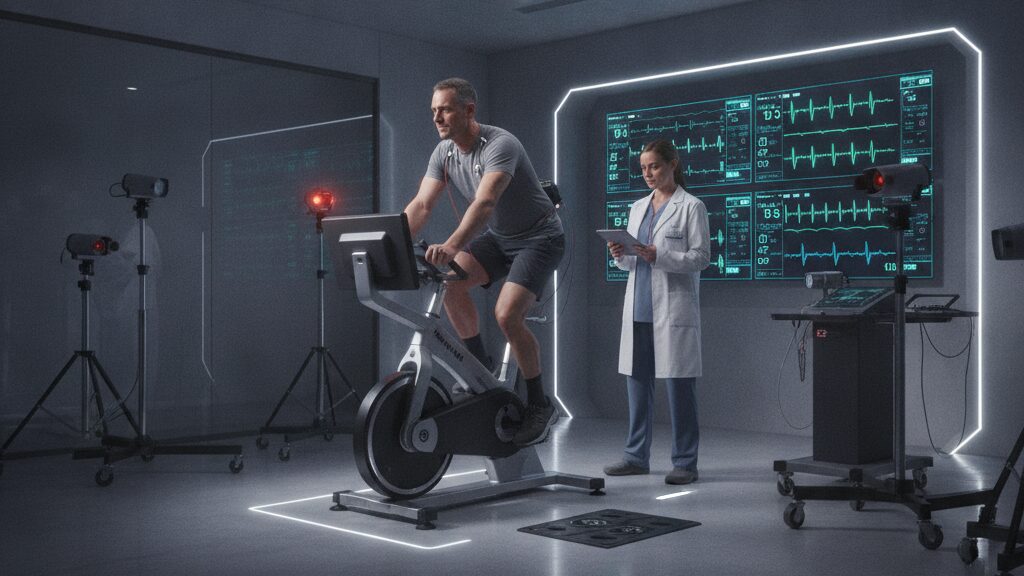
Hospital-based metabolic clinics employ clinical exercise physiologists to conduct graded exercise testing, monitor 12-lead electrocardiograms, and supervise prescribed training sessions for post-bariatric and diabetic patients. These roles position the practitioner as a core member of an allied healthcare team, working in coordination with dietitians, nurse educators, and diabetologists.
Commercial gym chains like Gold’s Gym and Talwalkars, alongside boutique medical fitness centres, now operate dedicated disease-management desks. These facilities cater to affluent urban populations who require monitored exercise protocols for lifestyle diseases. Sports science graduates run individualized metabolic correction programs, track real-time continuous glucose monitor (CGM) traces, and deliver measurable improvements in body composition and insulin resistance.
Corporate wellness companies represent a third avenue. Large tech firms and multinational organizations in cities like Pune, Bengaluru, Mumbai, and Hyderabad contract clinical fitness specialists to manage employee health risks. These specialists organize workplace metabolic screening, design desk-based postural correction programs, and lead targeted metabolic reversal cohorts for executives managing elevated fasting blood sugar.
Sports science graduates also establish private consulting practices. By partnering with local diabetologists who refer non-compliant or high-risk patients, an independent clinical exercise physiologist can deliver high-touch personal rehabilitation plans. Building an independent practice requires mastering both exercise science and client education, ensuring long-term behavioural adherence.
The economic reality and earning potential in clinical rehabilitation
Financial outcomes in clinical exercise physiology differ substantially from entry-level fitness instruction. While a generic gym trainer in India typically starts on a monthly base salary between ₹15,000 and ₹22,000, specialized clinical physiologists enter the workforce at higher baseline compensation. The specialized skill set required to navigate chronic disease risk commands premium pricing across healthcare institutions.
A sports science graduate starting in a hospital metabolic rehabilitation department or specialized sports medicine clinic earns an entry package ranging between ₹3.6 Lakhs and ₹5.4 Lakhs per annum.
As documented in our review of what is the salary of BSc sports and exercise science in India, compensation rises rapidly once practitioners demonstrate measurable clinical outcomes, such as sustained drops in patient HbA1c and reductions in medication reliance.
Experienced clinical exercise physiologists with five or more years of experience frequently transition into hybrid consultation models. In this structure, a practitioner maintains part-time hospital clinic hours while managing private diabetic rehabilitation clients. Charging between ₹1,500 and ₹3,500 per clinical assessment and training session enables professionals to reach monthly revenues exceeding ₹1,00,000 to ₹1,50,000.
Corporate consulting contracts add further revenue stability. A clinical specialist managing a 12-week metabolic health initiative for an enterprise team of 40 employees can negotiate corporate retainers valued between ₹1,80,000 and ₹4,00,000 per project.
The ability to interpret physiological blood work, assess cardiac risk profiles, and translate complex physiological data into simple daily routines makes sports science graduates uniquely qualified for these corporate contracts.
Step-by-step clinical exercise prescription protocols for diabetic patients
Working with diabetic populations demands systematic screening and precise session design. You cannot simply instruct a patient with an unstable metabolic condition to lift weights or sprint on a treadmill. The clinical exercise physiologist follows a strict, repeatable protocol to ensure safety and therapeutic efficacy.
Step one involves pre-participation medical clearance and baseline metabolic auditing. Review the patient’s latest glycated hemoglobin (HbA1c), resting blood pressure, lipid panel, and current pharmacology. Patients taking exogenous insulin or insulin secretagogues such as glimepiride face an elevated risk of acute exercise-induced hypoglycemia. Verify whether the patient suffers from diabetic peripheral neuropathy, autonomic neuropathy, or proliferative diabetic retinopathy.
Step two requires a pre-session blood glucose check before every training encounter. If capillary blood glucose measures below 100 mg/dL, provide a fast-acting carbohydrate snack containing 15 to 20 grams of glucose, such as fruit juice, and re-test after 15 minutes. If glucose reads between 100 and 250 mg/dL, proceed with the planned session.
If blood glucose exceeds 250 mg/dL, test for urine or blood ketones. If ketones are present, postpone exercise immediately because exertion can exacerbate ketoacidosis through counter-regulatory hormone release.
Step three establishes the structured training session architecture. Begin with a gradual 10-minute aerobic warm-up at 40% to 50% of heart rate reserve to stimulate vasodilation and muscle temperature without triggering rapid glucose drops. Transition into progressive resistance exercises targeting major compound movement patterns: horizontal press, seated row, leg press, and hinge variations.
Execute two to three sets of 10 to 12 repetitions at an intensity of 60% to 70% of one-repetition maximum, prioritizing controlled eccentric tempos.
Step four integrates Zone 2 cardiorespiratory training. Maintain continuous low-to-moderate aerobic exercise, such as upright cycling or brisk incline treadmill walking, for 20 to 30 minutes at 55% to 65% of VO2 peak. This intensity level maximizes lipid oxidation, preserves muscular glycogen reserves, and avoids sudden surges of cortisol and epinephrine that could artificially spike glucose.
Step five conducts post-session monitoring and foot safety inspections. Re-check blood glucose 15 minutes post-exercise to detect delayed glycemic drops. Because exercise enhances insulin sensitivity for hours afterward, late-onset hypoglycemia can occur four to eight hours following a session.
Inspect the patient’s feet for blisters, abrasions, or pressure points, particularly if peripheral neuropathy is present, as unnoticed micro-trauma can escalate into severe diabetic ulcers.
Academic pathways and practical training at ISST
Building a successful career in clinical exercise physiology begins with formal, evidence-based sports education. Self-taught trainers and short weekend fitness certifications do not cover the pathophysiology, clinical screening, and biomechanical analysis required to treat chronic clinical populations safely. Employers in healthcare demand structured academic qualifications recognized by standard educational frameworks.
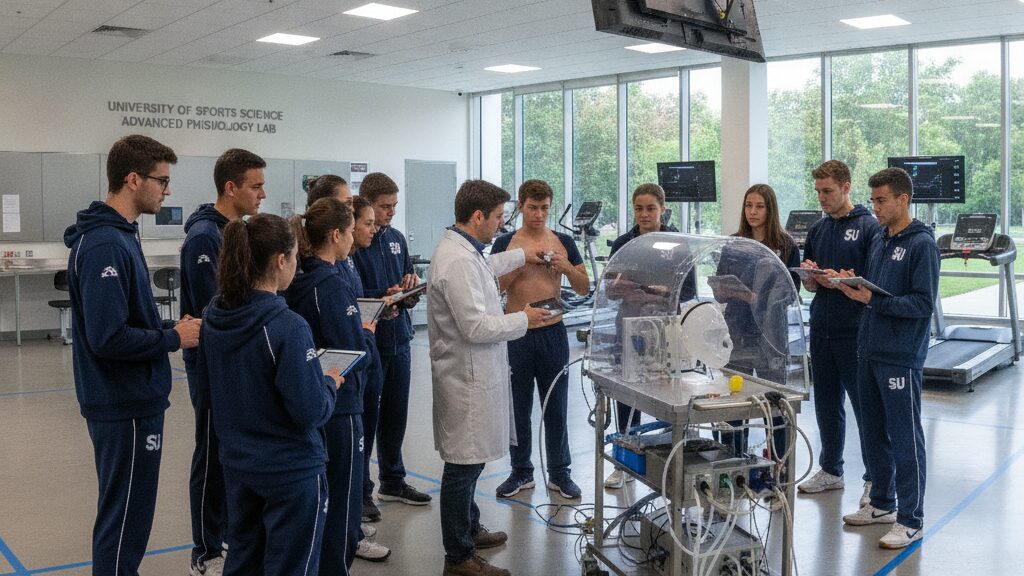
The foundation starts with an undergraduate program such as the classroom BSC Sports Sciences course at ISST, which is UGC recognized. This three-year curriculum gives students in-depth instruction in human anatomy, exercise physiology, biomechanics, kinesiology, and sports psychology. Students learn how biological systems respond to mechanical stress, metabolic fatigue, and nutritional inputs.
For graduates holding a prior degree who want to pivot into high-level conditioning and clinical programming, postgraduate qualifications provide advanced specialisation. Programs like the Masters Programme in Sports Sciences (MPSS) and the Post Graduate Diploma in Sports Sciences equip students to conduct clinical fitness tests, interpret physiological stress data, and design individualized rehabilitation plans.
Those balancing existing jobs can pursue distance pathways, including the Distance Masters Programme in Sports Sciences (DMPSS) or the Distance Masters Programme In Sports And Exercise Nutrition (DMPSEN).
Theory alone is insufficient for clinical confidence. Practical training at the ISST High Performance Centre gives students live exposure to advanced diagnostic equipment, metabolic analyzers, force plates, and cardiopulmonary assessment tools. Working hands-on with real physiological data bridges the gap between textbook concepts and clinical application.
Through the ISST alumni connect network, graduates connect with professionals working across sports academies, fitness chains, and rehabilitation centres throughout India, establishing clear pathways for their career in sports and exercise rehabilitation.
Practical clinical scenario: reversing insulin resistance in a corporate executive
Examining an actual clinical intervention illustrates how a sports science graduate applies these principles in the field. Consider an intervention run for a 48-year-old corporate director in Pune. The client presented with a three-year history of Type 2 diabetes, a baseline HbA1c of 8.4%, fasting blood glucose averaging 168 mg/dL, and a sedentary desk schedule exceeding 10 hours daily.
The client was taking Metformin twice daily under an endocrinologist’s care.

The clinical exercise specialist conducted a comprehensive movement screen and submaximal cycle ergometer assessment. The client exhibited severe gluteal amnesia, poor thoracic mobility, and an estimated VO2 max of 26 mL/kg/min, placing him in the lowest age-adjusted quartile. Rather than pushing high-intensity interval training, which would spike circulating catecholamines and stress hormones, the specialist prescribed a three-phase intervention.
Phase one focused on postprandial glucose management. The specialist scheduled 15-minute bouts of Zone 1 brisk walking immediately following lunch and dinner. This protocol leveraged soleus and quadriceps muscle contractions to clear immediate glucose influx without inducing cardiac strain. Within two weeks, continuous glucose monitor readings showed a 28% reduction in post-meal glucose spikes.
Phase two introduced three weekly resistance sessions focused on compound movements: leg presses, supported dumbbell chest presses, lat pulldowns, and Romanian deadlifts using light dumbbells. Each movement used a three-second eccentric phase to stimulate maximum GLUT4 recruitment. Over eight weeks, the client added 1.8 kilograms of lean skeletal muscle mass.
Phase three incorporated two 30-minute Zone 2 cycling sessions each week, maintaining a blood lactate level below 2.0 mmol/L. At the 16-week clinical review, the client’s follow-up pathology tests revealed an HbA1c drop from 8.4% to 6.8%. Fasting glucose stabilized at 112 mg/dL. In consultation with his endocrinologist, the client reduced his medication dosage.
This measured clinical outcome justified the specialist’s consulting fees and resulted in direct referrals from the supervising physician.
Key statistics
- Global health data show that 31% of adults worldwide—approximately 1.8 billion people—did not meet recommended physical activity levels in 2022, heightening risks for type 2 diabetes. (World Health Organization)
Frequently Asked Questions
Can a BSc Sports Science graduate work in hospitals in India?
Yes, sports science graduates work in cardiac rehabilitation, bariatric support, and metabolic wellness wings across private hospital networks. Their role focuses on functional exercise testing, hemodynamic monitoring, and supervised clinical exercise prescription.
How does clinical exercise physiology differ from standard gym personal training?
Clinical exercise physiologists evaluate chronic pathophysiological conditions and prescribe targeted exercise using diagnostic biomarkers like HbA1c and electrocardiograms. Standard personal trainers focus on general aesthetic, muscular strength, and recreational fitness goals for healthy populations.
Is medical fitness for diabetes covered under health insurance in India?
Direct insurance reimbursement for exercise therapy remains limited, though preventive wellness benefits and corporate health plans increasingly cover medical rehabilitation. Most clinical exercise practitioners operate on direct-pay clinical consultation and package retainers.
What certifications help sports science graduates specialize in diabetic care?
Specialized postgraduate diplomas in sports sciences, exercise nutrition, or strength and conditioning give graduates strong credentials. Additional clinical certifications in exercise prescription for chronic diseases validate specific medical fitness competency.
What is the average starting salary for an exercise physiologist in India?
Entry-level salaries typically range from ₹3.6 Lakhs to ₹5.4 Lakhs per annum in hospitals and diagnostic centres. Experienced practitioners who run private clinical consultations or corporate wellness programs earn significantly more.
Do clinical exercise specialists prescribe diabetes medications?
No, clinical exercise specialists never prescribe, adjust, or alter pharmaceutical medications. They work strictly in collaboration with licensed physicians and endocrinologists, using exercise as a non-pharmacological therapy.
Why is resistance training essential for Type 2 diabetes management?
Resistance training stimulates GLUT4 protein translocation to skeletal muscle membranes independently of insulin signalling. It also increases total muscle mass, which serves as the primary reservoir for systemic glucose disposal.
What educational qualifications does ISST provide in this field?
ISST offers classroom programs including the UGC recognized BSc Sports Sciences, Masters Programme in Sports Sciences, and Post Graduate Diploma in Sports Sciences. Distance options include diplomas and masters programs in sports nutrition, strength and conditioning, and exercise sciences.
Take your next step in clinical exercise physiology
The demand for qualified sports science professionals who understand clinical exercise and diabetic rehabilitation is expanding across India’s healthcare landscape. You can position yourself at the forefront of this medical fitness movement with structured, accredited education.
Explore how a degree or postgraduate program from ISST provides the scientific depth, practical training at the ISST High Performance Centre, and professional network you need to s쳮d.
This World Diabetes Day, advance your career in sports and clinical physiology with ISST (Institute of Sports Science & Technology). Download the detailed course prospectus or register for a free academic counselling session with an ISST career advisor today.