
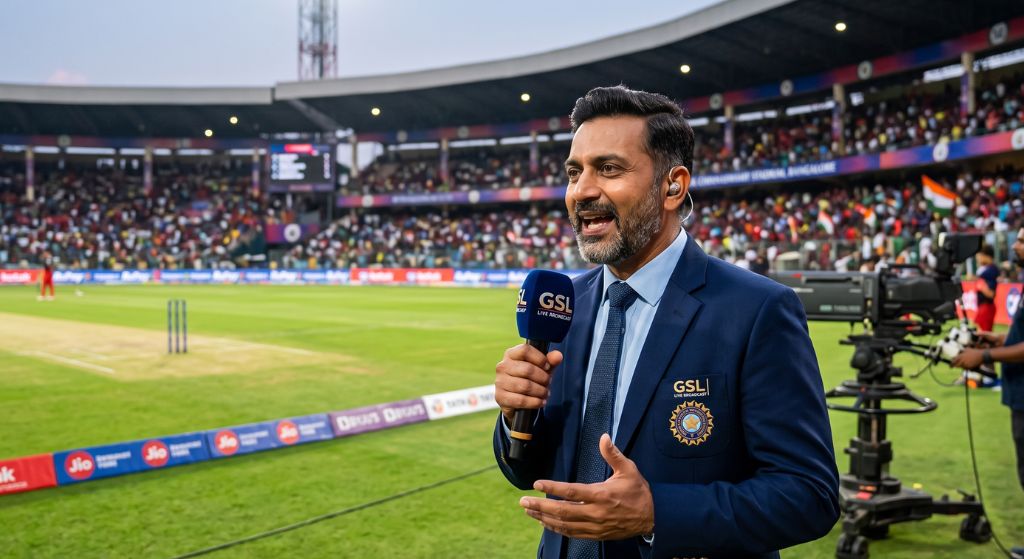
Every Indian family has that one person who commentary-boxes from the sofa. In my house, my uncle used to mute the television during tense chase overs, claiming he could explain the field placements better than anyone on screen. We all grew up listening to iconic voices bring ball-by-ball action into our living rooms. But when you look closely at indian cricket commentators, you quickly realize that talking on air requires far more than just loving the game.
Broadcast networks in India now hire hundreds of commentators across 12 different languages. Former captains share airtime with professional anchors, video analysts, and regional radio veterans. If you have ever wondered how these experts break into the industry or how the broadcast booth actually works behind the scenes, here is the honest reality of the business.
The Two Roles Inside Every Indian Commentary Booth
Watch any major cricket match on TV or mobile streaming and you will notice two distinct voices calling the game. The play-by-play commentator leads the coverage, tracking the score, identifying fielders, and guiding the overall pacing. The color commentator steps in between deliveries to explain player tactics, pitch conditions, and dressing room decisions.
Professional broadcasters divide these responsibilities strictly to keep live telecasts clear. Former international players usually handle tactical analysis because they have stood in the middle during tense World Cup overs. Broadcasters pair them with trained play-by-play anchors who keep the broadcast moving smoothly on schedule. You can learn more about how these duties break down in our breakdown on play-by-play and color commentary differences.
According to broadcast industry reports, regional language channels now account for 68% of total cricket viewership in India. Hindi commentators like Aakash Chopra and Jatin Sapru created a distinct narration style that mixes local idioms with match strategy. Meanwhile, regional feeds in Tamil, Telugu, Kannada, Bengali, and Marathi have created hundreds of new mic positions for young media professionals.
Skills That Turn Cricket Fans Into Broadcasters
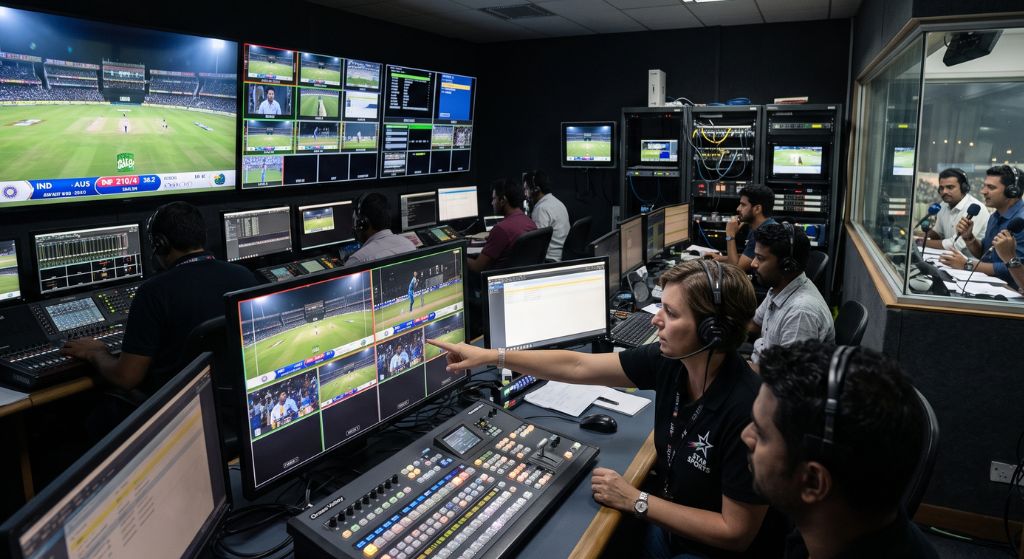
Talking about cricket over tea is easy. Talking about cricket on live television while an earpiece producer screams countdown timers into your ear is an entirely different discipline. Successful commentators possess clear core competencies.
First, instant recall of statistics. A commentator must remember match history without staring down at a laptop every five seconds. Second, spatial awareness. You must read field shifts before the camera cuts to the boundary. Third, pacing and breath control. When a bowler runs in, your voice must build tension without drowning out stadium noise.
Tone control matters immensely. Good commentators adjust their vocal projection based on the match situation. A tense final over requires sharp, clipped sentences, while a quiet mid-innings session calls for relaxed storytelling. Aspiring broadcasters spend months practicing vocal exercises. For practical techniques, read our guide on voice modulation techniques.
How Pay Structures Work Across Media Networks
Commentary pay varies significantly based on player reputation, language feed, and contract duration. Former international captains who anchor global English feeds command the highest fees. However, working non-cricketers and regional presenters earn steady income across domestic tournaments, women’s leagues, and franchise events.
Daily match fees for entry-level regional commentators start around ₹15,000 to ₹35,000 per match day during domestic tournaments. Established national presenters working on season contracts earn between ₹25 lakh and ₹80 lakh annually. Top legend-tier former cricketers earn upwards of ₹2 crore per IPL season.
You can read full compensation breakdowns across networks in our detailed report on the average salary of sports commentators in India.
How Non-Cricketers Can Break Into the Commentary Box
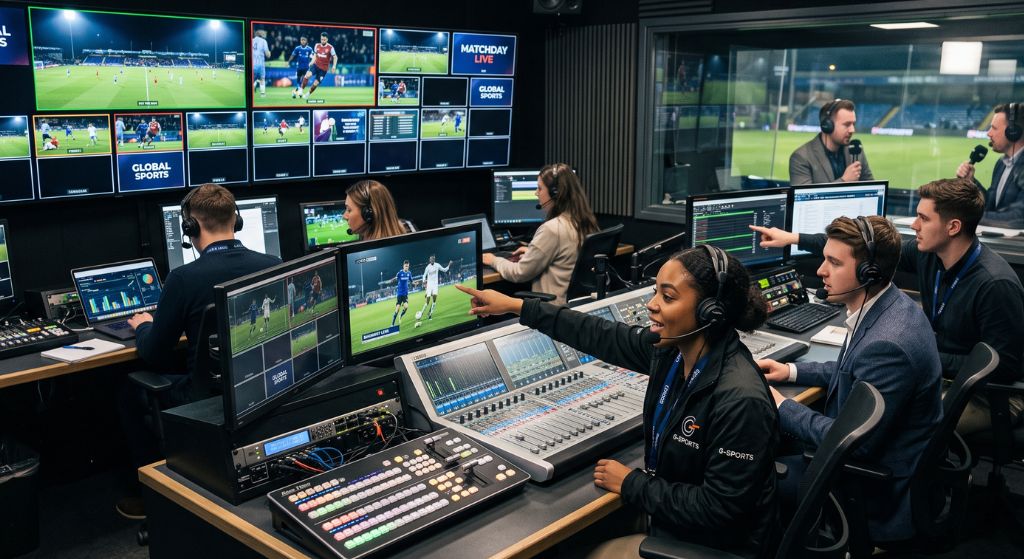
Many young graduates assume you must play Test cricket to get near a broadcast microphone. That myth is completely broken today. Broadcasters actively hire non-cricketers who hold formal qualifications in media, production, or sports management.
In our work at ISST (Institute of Sports Science & Technology), we see students build successful media careers by combining sports domain knowledge with structured training. Candidates who understand match operations, camera angles, and media rights fit immediately into production control rooms and broadcast desks.
The smartest entry path involves four clear steps.
First, earn a recognized qualification in sports management or sports sciences. Understanding athlete psychology, tournament rules, and broadcast logistics gives you an edge over casual fans. You can explore structured options through specialized sports management courses at ISST.
Second, build a public voice portfolio. Start a YouTube channel or audio podcast reviewing local matches. Record ball-by-ball commentary over mute match clips to demonstrate your pacing, diction, and timing.
Third, seek live media exposure. Apply for stadium internships during state leagues, franchise events, or corporate tournaments. Working as a spotter or statistical runner puts you in direct contact with senior producers.
Fourth, use institutional networks. At the ISST High Performance Centre, students gain practical training and connect with industry leaders through the ISST alumni connect network. For a step-by-step roadmap on landing your first broadcast contract, review our guide on how to become a sports commentator in India.
Frequently Asked Questions
Do you need to play professional cricket to become a commentator?
No, non-cricketers regularly work as lead play-by-play commentators, studio hosts, and digital analysts. Formal training in sports management and vocal presentation opens professional doors across major networks.
Which languages offer the highest commentary job demand in India?
Hindi, Tamil, Telugu, and Kannada have seen massive growth in broadcast hiring. Regional feeds hire dozens of presenters for domestic tournaments, franchise leagues, and international series.
What is the average starting salary for junior sports commentators in India?
Junior commentators starting in regional broadcasting earn between ₹15,000 and ₹30,000 per match day. Annual contracts for emerging presenters typically range from ₹3.5 lakh to ₹8 lakh depending on network scale.
How do commentators manage live statistical data during matches?
Commentators work alongside dedicated sports statisticians who feed real-time graphics and numbers to laptop monitors inside the booth. The presenter integrates these figures naturally into their live match narrative.
What qualifications help in getting sports media internships?
Degrees or diplomas in sports management, journalism, or sports sciences provide strong credentials. Programs that offer live event exposure help candidates land broadcast production internships faster.
How important is voice modulation in sports commentary?
Voice modulation is essential for maintaining audience interest during long broadcasts. Proper pitch control prevents vocal strain and ensures smooth transitions between quiet overs and big boundary calls.
Can students pursue sports commentary training alongside distance degrees?
Yes, distance programs like the Distance Masters Programme in Cricket Management allow students to gain theoretical sports knowledge while building local commentary portfolios. Flexible study schedules fit active match work.
Where do Indian cricket commentators usually start their careers?
Most non-cricketer commentators begin on radio broadcasts, YouTube sports channels, state league live streams, or domestic tournament coverage. Building a proven portfolio leads to national network auditions.
Build your professional credentials in sports broadcasting with industry-aligned education. Explore sports management courses at ISST and take your first step toward a sports career with complete peace of mind.