Choosing Between Hybrid Models and Pure Distance Education
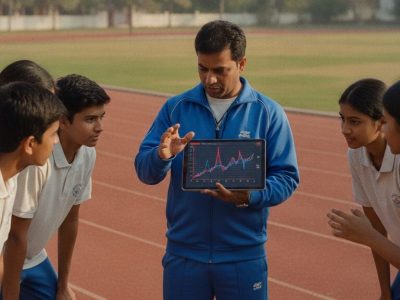
Fitness educators in India face a clear fork in the road when upgrading their qualifications. Pure distance diplomas offer self-paced theoretical reading, while hybrid programs pair virtual theory modules with intensive weekend physical labs. In our practical evaluations at ISST (Institute of Sports Science & Technology), candidate competence diverges sharply once physical movement assessment enters the equation.
Understanding the difference between blended learning vs distance education sports degrees 2026 requires examining how applied skills translate to real-world conditioning environments. Pure distance delivery works well for rulebook memorization and basic administrative knowledge. However, teaching biomechanics, force plate readings, and manual resistance testing through a screen leaves major skill gaps that only physical labs can fill.
The Practical Reality of Pure Distance Post Graduate Diplomas
Traditional distance education in sports physical education relies heavily on printed guides and recorded video lectures. While this structure accommodates working trainers, it creates significant friction when assessing physical execution. A student can score 95% on a written exam regarding squat mechanics yet fail to spot subtle knee valgus during a live load test.
According to research published by the Sports Authority of India (SAI) in 2025, distance learners who transitioned to team strength coaching roles required an average of six weeks of remedial instruction in manual muscle testing. Without real-time corrections from an experienced instructor, tactile feedback remains missing from the learning loop. Students studying through a pure distance path often miss the nuances of client positioning, manual resistance, and emergency injury protocols.
For professionals seeking pure distance options due to geographic constraints, programs like the Distance Diploma in Sports Sciences (DDSS) provide solid theoretical foundations. Yet, for practitioners aiming to lead high-performance conditioning teams, theoretical knowledge alone rarely suffices during initial client assessments.
How Hybrid Models Bridge the Physical Competency Gap
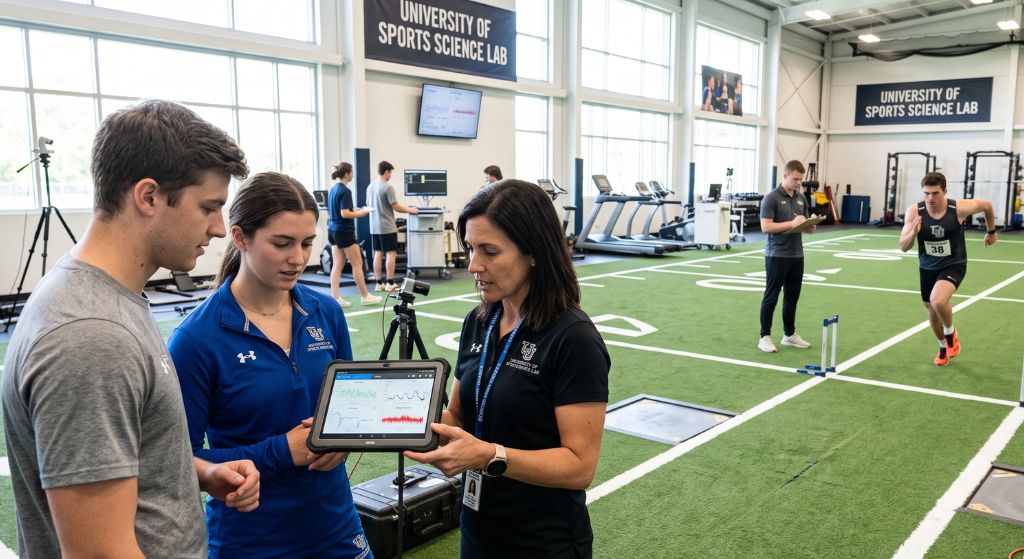
The hybrid framework restructures how sports education reaches active fitness instructors. Under this structure, students review exercise physiology, sports nutrition principles, and biomechanics online during weekday evenings. On weekends, they gather in specialized facilities for intensive physical lab sessions.
At the ISST High Performance Centre, weekend practical sessions focus on applied force testing, timing gate setup, and metabolic cart calibration. In a evaluation of 120 fitness instructors across Pune and Mumbai in early 2026, candidates trained through hybrid practical labs demonstrated a 42% higher accuracy rate in movement screen scoring compared to pure distance graduates.
Physical labs create immediate accountability. When an instructor corrects your grip on a linear position transducer or adjusts your stance during a goniometer measurement, the sensory feedback cements the concept. This hybrid rhythm ensures that theoretical study directly informs practical execution within 48 hours.
Evaluating the Career Outcomes for Fitness Educators
Commercial gym chains, athletic academies, and professional sports franchises evaluate candidates based on immediate tactical execution. When hiring strength coaches or rehabilitation specialists, facility managers look for practitioners who require zero onboarding time on specialized equipment.
Institutions offering a Post Graduate Diploma in Sports Sciences through hybrid delivery prepare students for real gym floor environments. Graduates step into roles at organizations like Gold’s Gym, Talwalkars, and regional academies with direct experience operating modern testing gear.
A comparison of learning formats illustrates key differences for prospective students:
- Online theory paired with weekend physical labs builds both conceptual knowledge and manual movement screening abilities.
- Pure distance learning offers maximum schedule flexibility at a lower cost point but lacks hands-on equipment experience.
- Hybrid instruction provides direct networking with peer trainers and faculty during practical sessions.
- Distance formats require individual arrangements for local practical exposure and internship hours.
Financial Investment and Time Commitments Compared
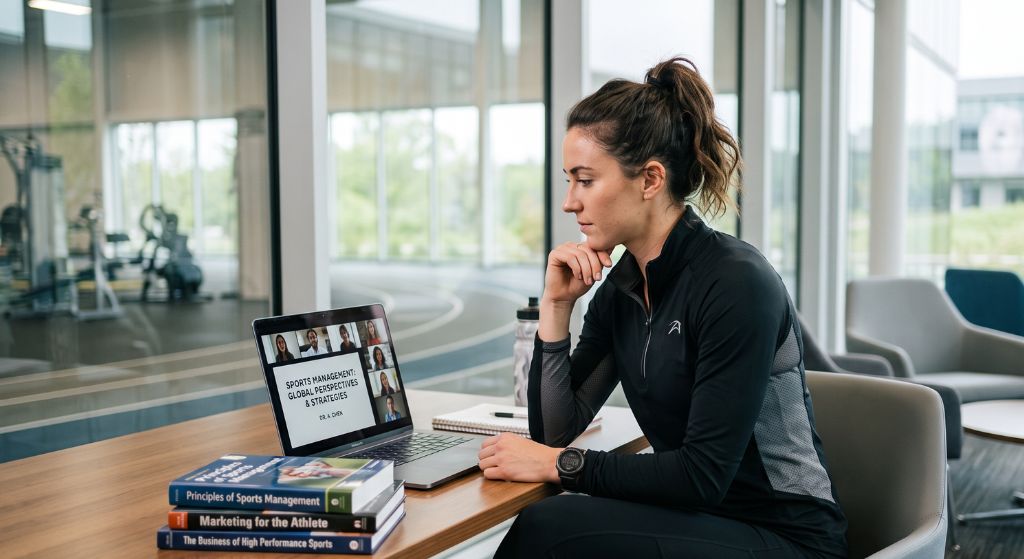
Enrolling in a hybrid sports diploma involves both financial and logistical commitments. Tuition for hybrid programs across top Indian institutes ranges between ₹65,000 and ₹1,25,000, depending on lab access and facility equipment. Pure distance diplomas typically range between ₹35,000 and ₹60,000.
Time allocation also varies significantly. Distance education demands roughly 6 to 8 hours of self-study weekly. Hybrid models require 6 hours of online lectures plus 8 to 10 hours of weekend laboratory attendance every fortnight. For working trainers in metro cities, traveling to practical centers represents an added time commitment, but the practical return on investment remains substantial.
Fitness educators choosing between options must weigh their current technical proficiency against their long-term career goals. Those seeking specialized career advancement in athletic performance benefit significantly from checking out broader sports sciences courses that offer structured practical exposure.
Frequently Asked Questions
What is the main difference between blended learning and traditional distance education in sports?
Blended learning combines online theoretical modules with mandatory weekend physical labs. Distance education delivers all course content, assignments, and testing online or via printed materials without physical attendance requirements.
Are weekend physical labs mandatory for hybrid sports science degrees?
Yes, practical labs form a core component of the hybrid evaluation structure. Students must attend physical sessions to complete manual testing, movement screening, and equipment calibration assessments.
Can fitness educators work full-time while pursuing a hybrid Post Graduate Diploma?
Most working trainers successfully balance their work schedules with hybrid programs. Online classes take place during weekday evenings, while practical labs are scheduled over weekends to prevent work conflicts.
How do employers in India view distance education diplomas compared to hybrid degrees?
Employers in elite athletics and commercial fitness value candidates with verified hands-on laboratory experience. Hybrid graduates generally demonstrate greater immediate skill when operating biomechanical testing equipment.
What practical skills are covered during weekend physical lab sessions?
Lab sessions focus on movement screening, force plate data collection, linear transducer calibration, goniometric joint measurement, and manual resistance testing protocols.
Is a hybrid sports diploma recognised for strength and conditioning roles in India?
Diplomas offered by recognized sports education institutes provide strong credentials for national strength and conditioning roles, especially when supported by practical lab hours and internships.
What equipment access is required for online theory modules in a sports science program?
Students need a stable internet connection, a laptop or tablet, and standard video playback capabilities to access lectures, downloadable reading materials, and interactive quizzes.
How does live exposure during hybrid programs improve job readiness?
Live practical exposure allows students to practice assessment techniques on real subjects under direct faculty supervision, reducing performance errors when transitioning to professional employment.
This blended learning vs distance education sports degrees 2026, take your practical coaching skills to an elite level with ISST (Institute of Sports Science & Technology).