
The bottom line on sports science earnings in India
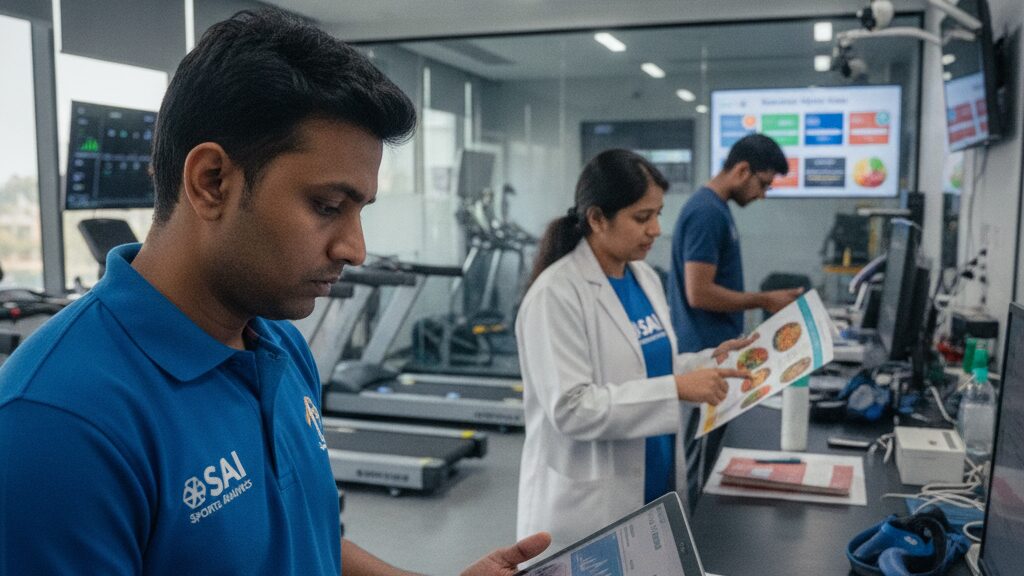
In the 2026 hiring cycle, a general sports scientist typically earns a higher starting base than a sports nutritionist in Indian academies. While a nutritionist starts between ₹3,50,000 and ₹5,00,000 per year, a sports scientist often begins at ₹4,00,000 to ₹6,00,000 due to the broader technical scope of the role.
However, the growth trajectories differ. Nutritionists often scale their income faster through private consulting and athlete-specific contracts. Sports scientists find their highest ceiling in High Performance Centres (HPC) and professional franchises where data-driven decision-making is the primary currency.
Entry-level benchmarks for academy roles
Starting salaries in regional academies are often modest. For a sports nutritionist, the focus is on meal planning and supplement protocols. In practice, these roles are often bundled with fitness coaching in smaller setups, keeping the starting pay around ₹25,000 to ₹35,000 per month.
Sports scientists enter the field with a wider toolkit, covering biomechanics, physiology, and recovery. This versatility makes them more attractive to academies that cannot afford five different specialists. According to 2026 industry data, entry-level scientists in mid-sized academies earn roughly ₹30,000 to ₹45,000 per month.
The gap widens when you look at UGC recognized degrees. Candidates with a Masters Programme in Sports Sciences (MPSS) often negotiate 20% higher starting packages than those with a basic diploma, as they can handle more complex performance testing.
The growth trajectory for sports nutritionists
A nutritionist’s salary is not a linear climb; it is a jump based on results. Once a nutritionist helps an athlete achieve a visible performance breakthrough, their value shifts from an ’employee’ to a ‘specialist’. At this stage, salaries in elite academies jump to ₹7,00,000–₹12,00,000 per year.
The real earning power for nutritionists lies in practical training combined with a private practice. Many ISST alumni connect their academy roles with independent consulting for semi-professional athletes. This hybrid model can push total annual earnings past ₹18,00,000 for those with a proven track record.
Specializing in a specific sport, such as cricket or football, further increases the benchmark. A nutritionist who understands the metabolic demands of a TATA IPL season earns significantly more than a generalist nutritionist in a multi-sport gym.

The growth trajectory for sports scientists
Sports scientists follow a more corporate-style climb. They move from Junior Scientist to Head of Performance. In a professional setting, a mid-career sports scientist (5–8 years experience) can expect ₹10,00,000 to ₹16,00,000 per year.
The ceiling for this role is higher in structured environments. In 2026, the rise of specialized hubs has created roles like the Performance Director. These individuals oversee the entire scientific output of an organization and can earn ₹25,00,000 or more annually.
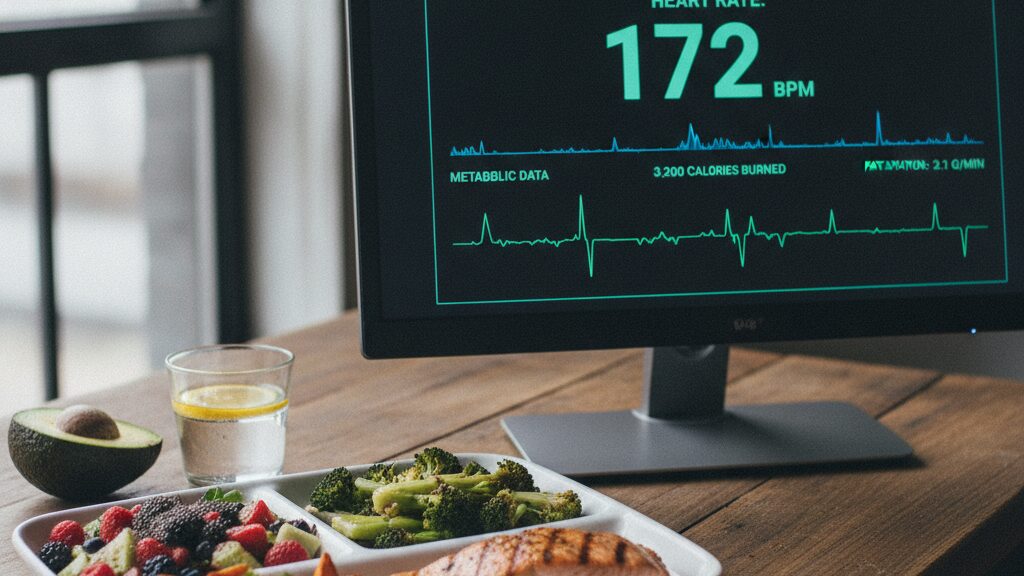
To reach these levels, scientists must master performance analysis. The ability to turn raw GPS and heart-rate data into a coaching directive is what separates a ₹6 lakh scientist from a ₹15 lakh scientist.
The HPC multiplier effect
Working in a standard academy is different from working in a High Performance Centre. At the ISST High Performance Centre or similar elite hubs, the pay scales are decoupled from regional averages. Here, the integration of multiple sciences creates a higher value per head.
In an HPC, a sports scientist is not just a tester; they are an architect of performance. This shift in responsibility leads to higher base pays and performance-linked bonuses. We see this most clearly in roles tied to HPC jobs in IPL and ISL, where the intensity of the season allows for premium contracting.
Nutritionists in these hubs also see a bump, but it is often tied to the ‘team-lead’ status. A Head of Nutrition in an HPC manages a team of junior dietitians, moving their salary into the executive bracket of ₹20,00,000+ per year.
Comparing the long-term ROI
If you prefer stability and a clear ladder, sports science is the smarter bet. The path from a BSc in Sports Science to a Performance Director is well-mapped in the current Indian market.
If you prefer autonomy and the ability to scale your own brand, sports nutrition offers more freedom. The ‘consultant’ model allows you to work with multiple athletes across different cities, removing the ceiling imposed by a single employer’s budget.
The common thread for both is live exposure. Whether it is an internship with Puma or a stint at the Bhaichung Bhutia Football Schools, the market pays for experience over certificates. A candidate who has managed nutrition for a Pro Kabaddi team will always out-earn a candidate with a higher GPA but no field experience.
Frequently Asked Questions
Which role has a higher starting salary in India?
The general sports scientist usually starts with a higher base salary. This is because the role requires a broader set of technical skills across multiple scientific disciplines.
Can a sports nutritionist earn more than a sports scientist?
Yes, especially through private consulting and athlete contracts. Top-tier nutritionists often exceed scientist salaries by building a personal brand and private client base.
Do certifications affect the salary of a sports scientist?
Absolutely. Specializations in strength and conditioning or biomechanics can increase the base offer by 15–25% in professional academies.
What is the average salary for a fresher in sports science?
Freshers typically earn between ₹3,50,000 and ₹6,00,000 per year. The variation depends on the size of the academy and the candidate’s degree level.
How does live exposure impact earnings?
Direct experience with leagues like the Hero Indian Super League (ISL) serves as a massive salary lever. It proves you can perform under the pressure of a professional season.
Is a Master’s degree necessary for a high salary?
While not mandatory for entry, a Master’s is often required to move into senior management or ‘Head of Performance’ roles.
Do regional academies pay less than city-based hubs?
Generally, yes. Hubs in cities like Mumbai, Bangalore, and Delhi offer higher pay due to the concentration of professional franchises and wealth.
What is the highest paying role in sports science?
The Performance Director or Head of High Performance is currently the highest paying role, often exceeding ₹25,00,000 per year in elite setups.
This Sports Nutritionist vs Sports Scientist salary India comparison shows that while the paths differ, the growth is explosive for those with the right training. Start building your career trajectory with a UGC recognized program at ISST today. Book a free career counselling session to find your perfect fit.