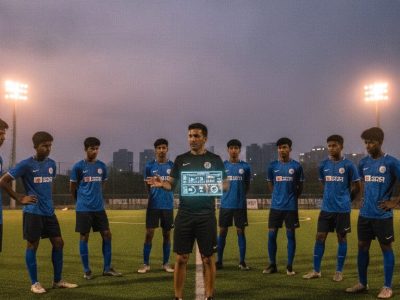
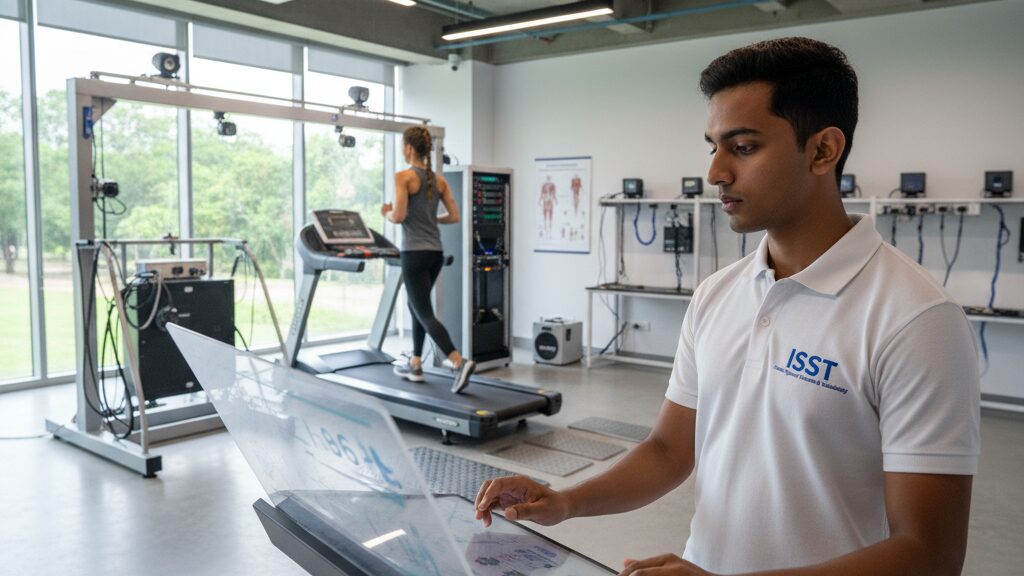
The TATA IPL 2026 season concluded with a sharp shift in how franchises manage athlete longevity. Instead of the traditional rest and recover approach, teams now move toward immediate, data-backed interventions at their High Performance Centers (HPCs). This off-season window in June 2026 represents the primary hiring cycle for sports scientists, biomechanists, and performance analysts.
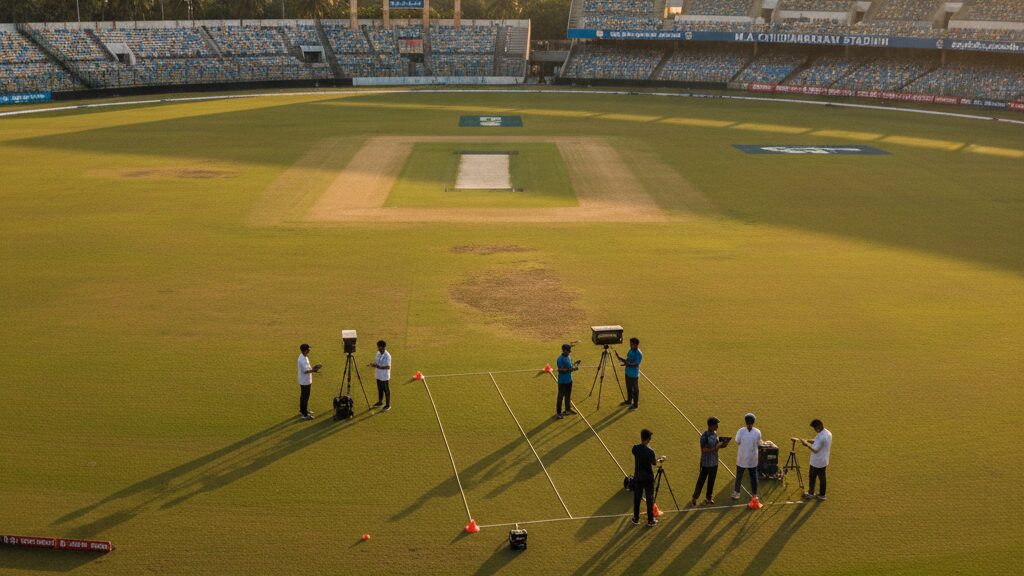
Landing a role within these elite environments requires more than just a passion for the game. Franchises are looking for specialized academic backgrounds, specifically those holding a Masters Programme in Sports Sciences (MPSS) or a BSc Sports Science degree. In practice, the transition from classroom to the dugout happens during these quiet months when teams audit their performance metrics from the previous season.
The 2026 Off-Season Hiring Window
Hiring for High Performance Center (HPC) jobs in IPL and ISL does not follow the standard corporate calendar. The most active recruitment happens between June and August. During this period, franchises evaluate the physical toll the 2026 season took on their roster. They need staff who can design individualized off-season programs to prevent injuries before the next cycle begins.
If you hold a Masters Programme in Sports Sciences (MPSS), your value lies in advanced load management and recovery protocols. Teams are currently seeking experts who can interpret data from GPS trackers and force plates used during the 2026 matches. This is the moment to reach out to franchise technical directors with a portfolio that shows you understand the physiological demands of a 2-month high-intensity tournament.
Why BSc Sports Science is the Entry Standard
For high school graduates or those recently finishing their 12th, the BSc Sports Sciences degree provides the foundational technical literacy required by leagues like the ISL. In 2026, entry-level roles often focus on junior squad management or assisting senior sports scientists at the ISST High Performance Centre or similar franchise-owned facilities.
The current market demands practitioners who can handle practical training environments. A BSc degree ensures you understand the basics of kinesiology and exercise physiology. When applying for internships during this off-season, highlight your ability to use sports technology like PitchVision or Hudl. These tools are now standard in the 2026 sports education curriculum and are essential for any HPC role.
Translating Data into Performance Gains
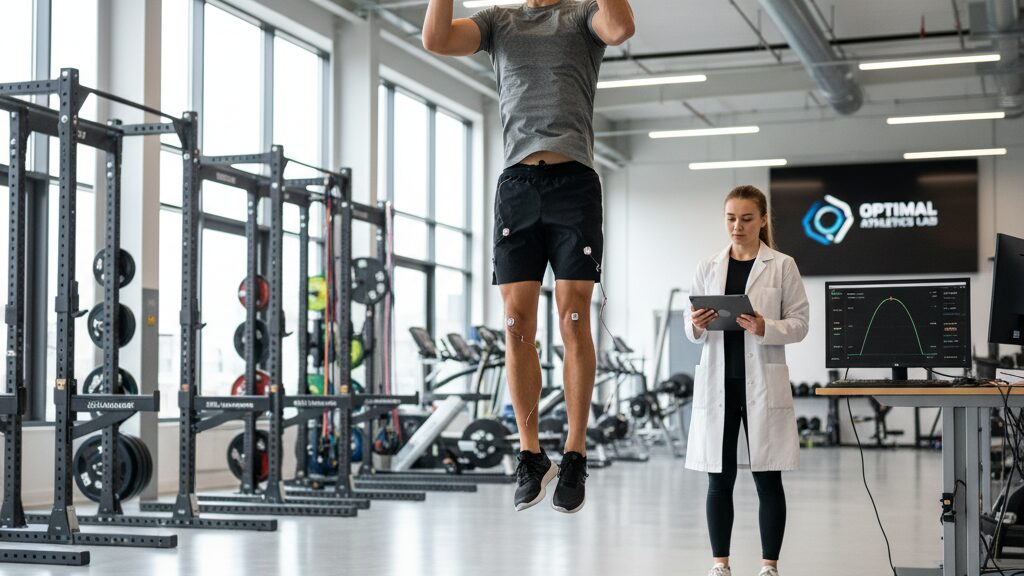
Franchises are no longer satisfied with general fitness trainers. They want specialists. According to 2026 industry trends, 70% of new hires in HPCs have specialized training in AI and wearable tech. Your ability to explain why a bowler’s pace dropped in the 18th over using biomechanical data is what gets you hired.
Using an MPSS degree, you can position yourself as a Performance Analyst. This role involves more than just watching film. It requires building models that predict injury risk. During the 2026 off-season, teams use these models to decide which players need surgery and which need specific strength conditioning. This level of practical training is a core component of the ISST alumni connect network, where graduates share insights from their time with teams like those in the Pro Kabaddi or the Hero ISL.
Building a Career in Sports Through Networking
The sports industry in India operates on credibility. While your degree gets you into the room, your professional network keeps you there. Engaging with the ISST alumni connect program allows you to speak directly with professionals already working in the TATA IPL or at the Sports Authority of India (SAI).
Don’t wait for a public job posting. Most HPC roles are filled through internal referrals or by scouting talent from top sports education institutes. Use this June to update your LinkedIn with your latest research projects or internship certificates from events like the MPL Maharashtra Premier League. Showing live exposure to real-world match conditions is the best way to prove you are ready for the pressure of a franchise environment.
Off-Season Checklist for Aspiring Sports Scientists
1. Audit your technical skills: Ensure you are proficient in 2026-standard athlete management systems.
2. Reach out to ISST alumni: Ask about the specific needs of their respective High Performance Centers.
3. Focus on the off-season: Tailor your resume to address recovery and injury prevention, the two biggest concerns for teams in June 2026.
4. Leverage your degree: Use your MPSS or BSc Sports Science credentials to apply for junior scientist or analyst roles.
Success in the 2026 sports management and science sector requires a blend of academic rigor and hands-on experience. By targeting the off-season hiring cycle, you position yourself as a solution to a franchise’s most pressing problem: keeping their multi-crore athletes fit and performing at their peak.
Frequently Asked Questions
What is the starting salary for a sports scientist in IPL 2026?
Starting salaries for junior sports scientists in the IPL typically range from ₹5,00,000 to ₹8,00,000 per annum. This varies based on the franchise and the specific responsibilities of the role.
Can I get an HPC job with a distance degree?
Yes, a UGC recognized distance degree is valid for these roles. Most franchises value the practical training and live exposure you gain alongside your studies more than the mode of delivery.
Which degree is better for IPL roles, BSc or MPSS?
A BSc Sports Science is ideal for entry-level assistant roles. An MPSS is preferred for senior positions like Head of Performance or Lead Sports Scientist due to its advanced scientific focus.
Does ISST provide live exposure with IPL teams?
ISST offers students opportunities for internships and live event exposure with partners like TATA IPL and Pro Kabaddi. These placements depend on student merit and franchise requirements during the season.
What skills are most in demand in 2026?
Data analytics, biomechanics, and the use of wearable technology are the most sought-after skills. Understanding how to use AI-driven performance software is now a mandatory requirement for most HPCs.
When should I apply for ISL performance roles?
The best time is during the off-season, typically between June and August. This allows you to join the team before the pre-season training camps begin in September.
Are there jobs for non-athletes in sports science?
Absolutely, most sports scientists are not former professional athletes. Their value comes from their scientific expertise and ability to analyze human movement rather than their playing history.
What is an ISST High Performance Centre?
It is a specialized facility where students get practical training in elite athlete management. It serves as a bridge between classroom theory and the high-pressure environment of professional leagues.
This June 2026, secure your future in the sports industry by enrolling in a professional program with ISST.