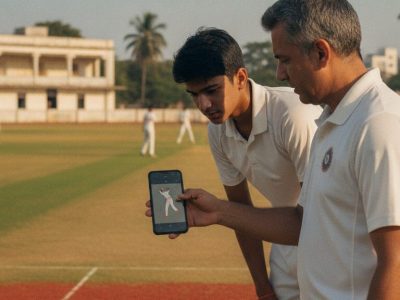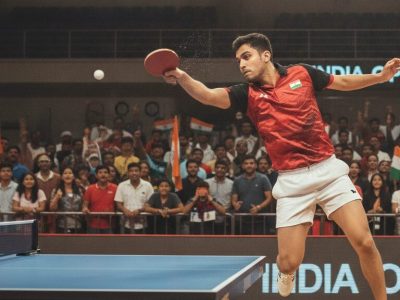
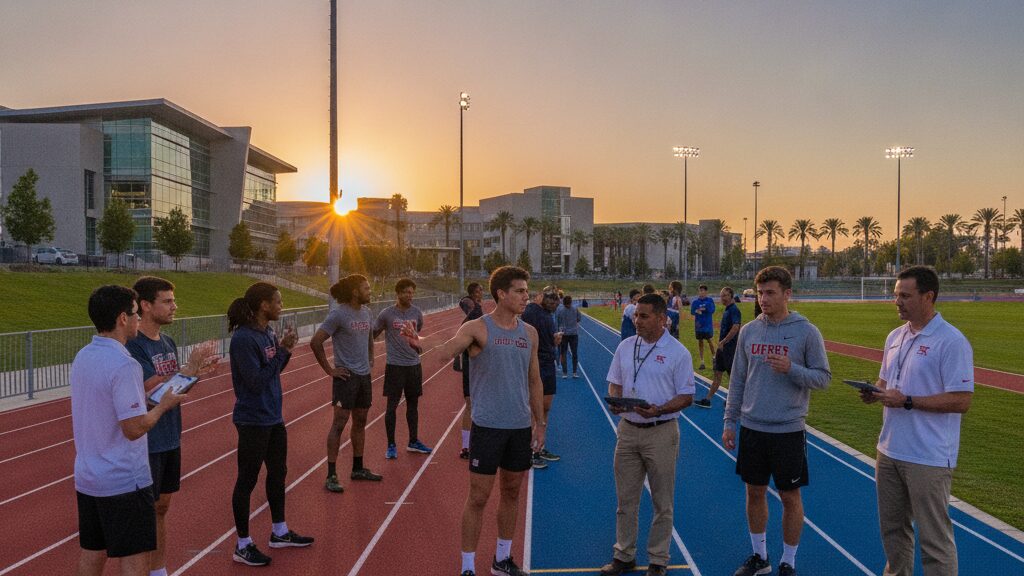
- The Ministry of Youth Affairs and Sports provisionally recognized the Indian UniSport Federation as a National Sports Promotion Organisation on 6 October 2026.
- Central recognition gives the Indian UniSport Federation statutory authority to schedule standardised regional and national collegiate championships.
- The newly introduced National Ranking Awards evaluate university athletic departments to prioritize institutions for Khelo India sports development grants.
- Codified inter-university leagues are increasing campus demand for trained sports management personnel, nutritionists, and strength coaches.
Collegiate athletics in India long functioned as an uncoordinated calendar of regional invitationals, short-lived invitation tournaments, and uneven selection trials. That fragmented system shifted on 6 October 2026, when the Ministry of Youth Affairs and Sports granted provisional recognition to the **Indian UniSport Federation** (IUSF) as a National Sports Promotion Organisation. This central endorsement directly synchronises higher education athletics with the Khelo India 2026–2031 operational framework.
The decision establishes a direct bridge between campus tournaments and national athlete identification. Alongside this recognition, the ministry introduced the National Ranking Awards to evaluate university athletic departments on governance, infrastructure, and competitive outcomes. For Indian higher education, this policy marks the start of structured inter-university leagues managed by trained administrators rather than ad-hoc faculty committees.
How Central Recognition Formalises the Collegiate Calendar
Prior to this notification, university athletic directors struggled with overlapping fixtures, erratic scheduling, and unverified participation records. National university teams were frequently assembled just weeks before major events, leaving student-athletes without systematic preparatory cycles. With central recognition, the IUSF now holds statutory authority to schedule standardised regional and national collegiate championships.

Standardised calendars allow university sports boards to operate like professional sporting franchises. Department heads can budget entire seasons six months in advance, allocate training blocks, and negotiate local broadcast or sponsorship rights. This operational clarity closely mirrors the structural updates introduced under the National Sports Governance Act, which prioritises transparent administration across all sports bodies.
When competitions run on fixed dates, training loads become predictable. In our work at ISST (Institute of Sports Science & Technology), we see coaches finally able to design periodised training regimens because match weeks are locked into an official national schedule.
National Ranking Awards and Khelo India 2026–2031 Integration
A central pillar of the ministry notification is the debut of the **National Ranking Awards** for universities. Higher education institutions will no longer rely solely on legacy reputations to attract elite talent. Instead, the central government is establishing an audited scorecard that grades campus athletic departments on quantifiable parameters.
This evaluation system reviews five distinct operational areas:
- Athlete welfare policies, medical coverage, and academic accommodation
- Coach qualification standards and coach-to-athlete ratios
- Maintenance protocols for playing surfaces and strength conditioning spaces
- Transparent trial procedures for sports quota admissions
- Year-on-year medal tallies in IUSF and Khelo India university tournaments
Universities securing top marks in these national rankings earn higher priority for central sports development grants under the Khelo India 2026–2031 framework. For private and state institutions alike, campus athletics is shifting from an extracurricular expenditure into an institutional asset.
New Demand for Campus Athletic Directors and Sports Managers
Codifying inter-university leagues creates an immediate shortage of trained sports management personnel on Indian campuses. Running a compliant collegiate programme now demands full-time athletic directors, sports information officers, event operations heads, and compliance coordinators. Traditional physical education instructors, while skilled in coaching, are rarely trained to manage corporate balance sheets, league licensing, or digital broadcasting logistics.
Campus athletic departments are actively creating roles modeled after international athletic departments. An operations lead at a mid-sized private university now oversees tournament logistics, travel arrangements, equipment procurement, and sponsor servicing. Professionals entering these positions require foundational knowledge in **sports management**, team logistics, and contractual regulations.
Graduates holding a UGC-recognised BSC Sports Management or specialized diplomas possess the technical tools to handle these administrative demands. They understand how to build operational workflows, manage vendor relations, and protect university compliance during national tournaments.
Integrating Sports Science into Collegiate Preparation
Structured league play also exposes physical performance deficits. When university teams compete across home-and-away formats or multi-week regional tournaments, fatigue management becomes critical. Colleges can no longer rely on raw physical talent alone; they must deploy scientific recovery and training methods.
This competitive reality accelerates the integration of **sports sciences** into daily campus athletic routines. Universities are setting up dedicated conditioning facilities, hiring nutritionists, and employing performance analysts to track athlete metrics. At the ISST High Performance Centre, we see how regular movement screening and load monitoring directly reduce non-contact soft tissue injuries during condensed tournament schedules.
Universities competing under the IUSF system are beginning to recruit sports nutritionists and strength coaches on annual contracts. For students who pursue specialized sports sciences courses, these campus teams provide genuine, salaried opportunities right out of university.
Career Pathways in Indian UniSport Federation Sanctioned Leagues
The standardisation of campus sports directly impacts the employment market for sports administration students. Entry-level opportunities in Indian collegiate sports are diversifying beyond coaching into distinct operational tracks:
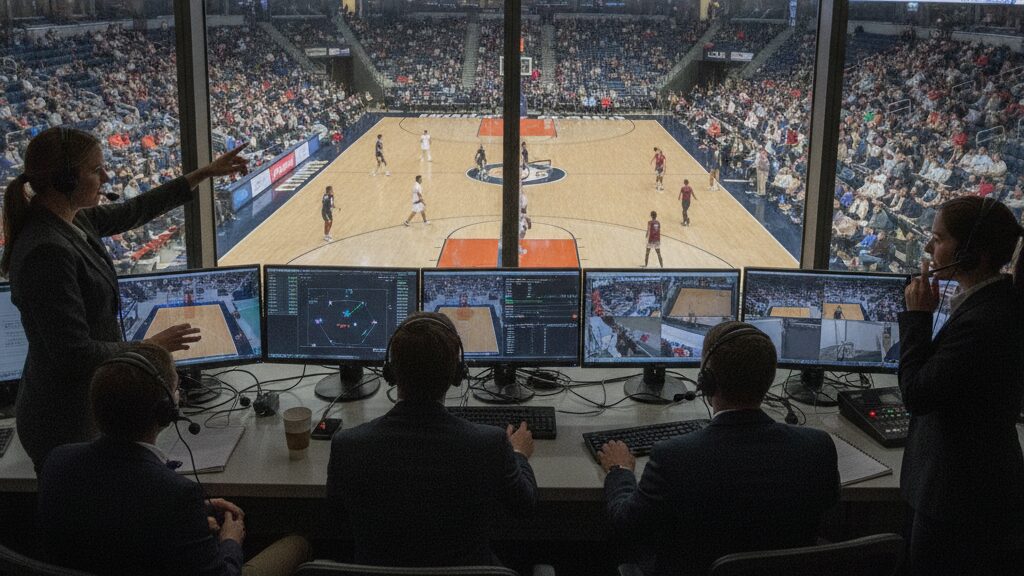
League Operations Coordinators oversee matchday venue operations, timing systems, and official scoring records during IUSF regional fixtures. Starting salaries for these roles typically range between ₹35,000 and ₹50,000 per month depending on university size.
Campus Athletic Directors lead overall institutional sports strategy, managing coaches, facility investments, and commercial partnerships. Experienced managers stepping into these senior roles command starting packages between ₹8,00,000 and ₹14,00,000 per annum.
Performance Analysts break down match video, track player conditioning data, and present technical reports to coaching staff. In competitive collegiate hockey and basketball programmes, analysts earn between ₹40,000 and ₹65,000 per month.
Securing these roles requires structured **practical training** alongside academic study. Through the ISST alumni connect network, students gain live exposure working at national events, university championships, and franchise combines, building the operational experience required by modern sports organisations.
Preparing for the Collegiate Sports Shift
The provisional recognition of the IUSF turns a long-neglected sector into a structured industry. University sports in India is no longer an amateur diversion; it is becoming a professionalized proving ground for the country’s sporting future.
Institutions that invest early in administrative competence and performance support will dominate the National Ranking Awards. For aspiring administrators, developing technical competence in operations, governance, and athlete development is the most reliable way to build a sustainable **career in sports**.
Now that Ministry of Youth Affairs Recognises Indian UniSport Federation to Standardise Collegiate Sports, build your professional foundation in sports management and sports sciences with ISST. Explore our UGC-recognised degree and diploma courses, access our ISST High Performance Centre facilities, and speak with our admissions advisors with a free career counselling session today.
Frequently Asked Questions
What is the Indian UniSport Federation?
The Indian UniSport Federation is a National Sports Promotion Organisation provisionally recognised by the central sports ministry. It is responsible for standardising and managing collegiate athletic competitions across Indian universities.

When did the ministry recognise the Indian UniSport Federation?
The Ministry of Youth Affairs and Sports issued provisional recognition to the federation on 6 October 2026. This directive synchronised collegiate sports tournaments with the Khelo India 2026–2031 guidelines.
What are the National Ranking Awards for universities?
These awards are a central government evaluation system scoring universities on athletic facilities, governance, and tournament performance. High scores help institutions qualify for targeted sports development grants under central schemes.
How does this recognition affect campus sports management careers?
Standardised leagues require full-time athletic directors, match commissioners, and operations managers across participating campuses. This administrative requirement creates steady, salaried sports management positions inside Indian higher education.
Can athletes from IUSF competitions qualify for Khelo India events?
Yes, the IUSF tournament calendar directly integrates with the Khelo India 2026–2031 athlete scouting pathway. Standout performers in university championships earn verified opportunities for national development camps.
Do universities need certified sports science personnel under the new rules?
The National Ranking Awards evaluate athlete welfare, conditioning facilities, and medical support standards on campus. Consequently, universities are actively hiring qualified strength and conditioning coaches, physiotherapists, and sports nutritionists.
What qualifications are needed to work as a university athletic director?
Most universities look for candidates with a degree in sports management, such as a BBA, MBA, or Post Graduate Diploma. Practical experience managing sports events and understanding governance regulations are critical prerequisites.
Where can students receive practical training for collegiate sports administration?
Institutes like ISST provide UGC-recognised sports management degrees combined with live event internships and performance centre access. This coursework gives students hands-on experience running competitive sports programmes.