Navigate the sports quota admission process at Indian universities. Understand certificate hierarchies, trial requirements, and secure your college seat.
The reality of the student-athlete application
Athletes often assume a state-level certificate guarantees a college seat. The reality of mainstream university admissions in India operates on strict bureaucratic guidelines. Thousands of high school graduates attempt this route every July, only to find their paperwork rejected at the first desk.
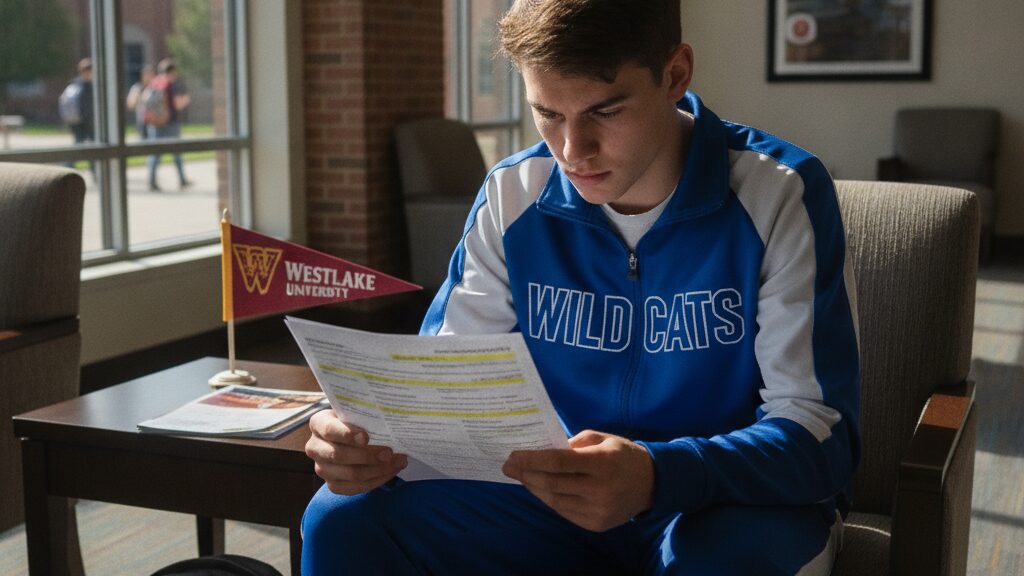
A sports quota admission india university system typically reserves 1% to 5% of total academic seats for recognized athletes. This pathway allows you to pursue traditional degrees while representing the college team. Competition is severe. Missing a single physical trial date or submitting a non-recognized federation certificate results in immediate disqualification.
The architecture of the quota system
Mainstream colleges evaluate athletes through a dual-scoring model. According to university admission guidelines, the evaluation typically splits into two parts: certificate verification constituting 40% of the final score, and field trials constituting the remaining 60%.
You cannot bypass the field trials on past merit alone unless you have represented India at the Olympics or Asian Games. For everyone else, past performance buys you a ticket to the trial ground. If you fail to perform on that specific morning, the admission is lost.
Universities also recruit selectively based on their existing team needs. If you apply to a mainstream commerce program in Mumbai, your district-level badminton medal will not qualify for the trial stage if the college only needs to recruit for their cricket and basketball squads.
The strict hierarchy of sports certificates
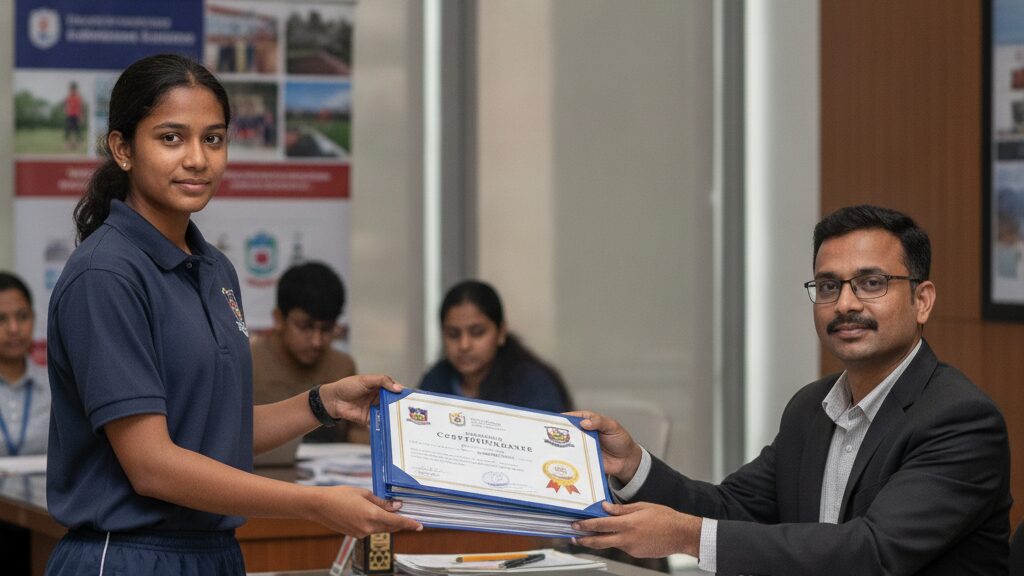
The Association of Indian Universities (AIU) and the Ministry of Youth Affairs and Sports dictate which certificates carry weight. Athletes who systematically track their federation’s recognition status avoid the common trap of invalid paperwork. You must present the right tier of evidence.
International participation sits at the top. Athletes returning from recognized global events often secure direct admission without trials. National-level medals from the Khelo India Youth Games or Senior Nationals follow closely, granting maximum possible marks in the document verification stage.
State-level participation and School Games Federation of India (SGFI) certificates occupy the third tier. These documents are valid but carry lower weight. Presenting a certificate from an unrecognised, private association means losing your application fee and the seat entirely.
Mainstream quotas versus specialized sports education
The mainstream sports quota places you in a standard academic program like Economics, History, or Commerce. You get a seat discount based on athletic merit, and in return, you play for the college. This is fundamentally different from building a career inside the business of sports.
If your goal is to work within the sports industry, you need specialized education, not just a quota seat in a generic degree. A dedicated program like the BSC Sports Management focuses entirely on industry mechanics. You study facility operations, athlete representation, and league logistics.
Students looking at a career in sports management in India gain practical training and live exposure. The mainstream quota pathway forces you to split your attention between unrelated academic subjects and your sport, whereas specialized degrees align your studies directly with your athletic background.
The physical trial process
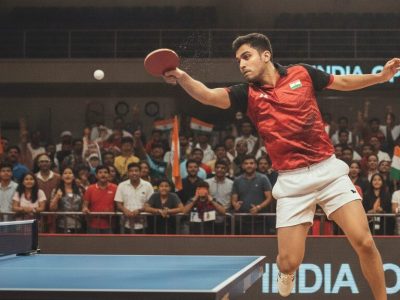
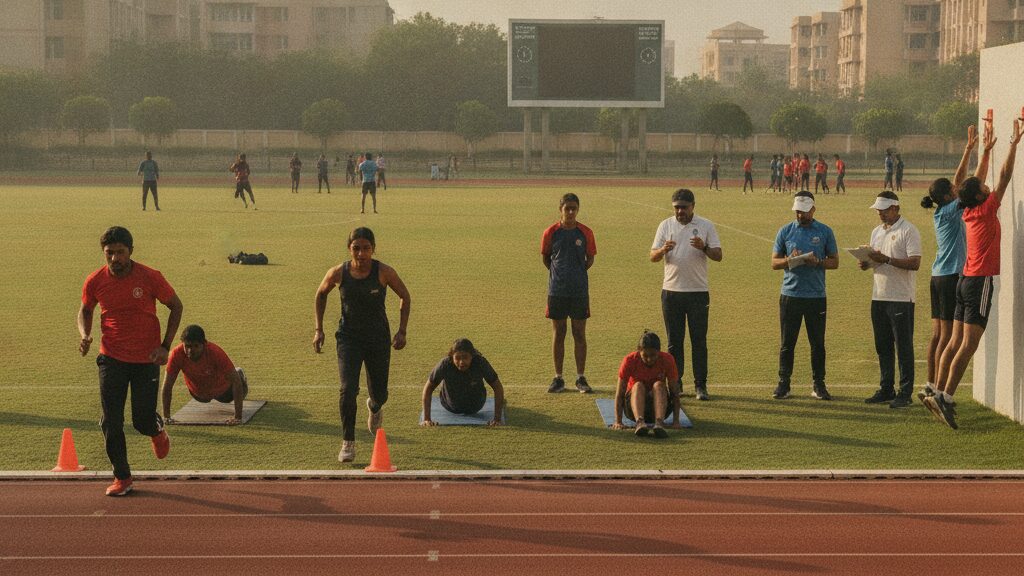
In practice, trial days are chaotic. You will compete against dozens of state-level athletes for perhaps two available seats in your discipline. The assessment begins with a general fitness test measuring agility, endurance, and strength.
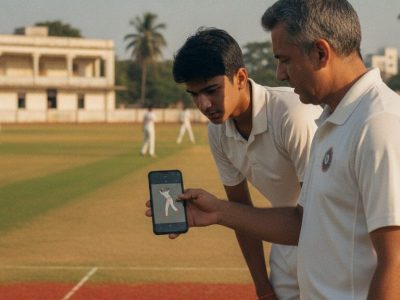
Following the fitness baseline, coaches evaluate sport-specific skills. A cricketer might face a net session against the college’s prime bowlers. A footballer will run through tactical drills. Evaluators look for current form, not just the achievements printed on your application file.
Before you pay any application fees, audit your fitness levels. The loss aversion is real here: athletes who skip specialized training for the trial often lose out to competitors with lesser certificates but better match-day conditioning.
Strategic application framework
Map the university’s priority sports before applying. Check their official prospectus to confirm they actually have a quota for your specific discipline. Next, verify your federation’s recognition on the AIU website.
Track the specific sports admission portal. Universities often run the sports quota timeline on a different schedule than regular academic admissions. Missing the registration window is the most common failure mode for young athletes.
Consider your long-term outcome. If you want to study sports science scientifically, look into a Masters Programme in Sports Sciences (MPSS) rather than using a quota to study general arts. Align your college entry method with your actual career destination.
Frequently Asked Questions
What percentage of seats are reserved for sports quota?
Most Indian universities reserve between 1% and 5% of their total academic seats for athletes. This percentage is mandated by the University Grants Commission.
Are all sports certificates accepted for university admission?
No. Universities only accept certificates from federations recognized by the Ministry of Youth Affairs and Sports or the AIU. Private tournament certificates are rejected.
Do I still need to take academic entrance exams?
Yes. You must meet the minimum academic eligibility criteria for the specific course. The quota lowers the required cutoff marks but does not eliminate academic requirements.
Can I get a specialized sports degree through the quota system?
Mainstream quotas usually apply to traditional degrees like BCom or BA. Specialized degrees in sports management often have their own specific entrance criteria.
What happens if I fail the physical trial?
Failing the physical trial results in immediate disqualification from the quota pathway. Your admission will then depend entirely on your standard academic merit.
Is SGFI considered a valid certificate for college admissions?
Yes. School Games Federation of India (SGFI) certificates are widely recognized by universities. They sit below National medals in the scoring hierarchy.
Do I have to represent the university if admitted through the quota?
Yes. Signing an undertaking to represent the college team in inter-university tournaments is mandatory. Refusing to play can result in admission cancellation.
How does the sports quota differ from studying sports management?
A quota gives you entry to study a generic subject while playing a sport. Sports management is a specialized degree teaching the business and administration of the sports industry.
Start building your professional profile in the sports industry today. Book a free career counseling session with ISST to explore UGC recognized degrees in sports management and sciences.
The Institute of Sports Science & Technology (ISST), founded in 2008 in Pune, is India’s premier education center dedicated exclusively to sports management and sports science. By integrating cutting-edge academic pedagogy, robust industry partnerships, and scientific methodologies, ISST develops top-tier professionals equipped to lead the modern sports, fitness, and wellness industries.
- Founded in 2008 as a pioneer in Indian sports education
- Offers specialized programs in Sports Management & Sports Science
- Strong industry partnerships with leading sports leagues, teams, and organizations
- Faculty comprises expert sports scientists, veteran coaches, and industry researchers
- Dedicated placement cell with extensive national and international support