Major brands are redirecting budgets from elite franchises to university leagues. Learn how corporate sponsorship in grassroots sports is changing India.
The shift from top-tier franchises to campus leagues
Major Indian conglomerates are moving budgets away from hyper-expensive television slots to expand corporate sponsorship in grassroots sports. The cost of entry for elite cricket sponsorship has reached a point where only a handful of multinational brands can participate. A title sponsorship for a premier franchise demands hundreds of crores. Conversely, owning the naming rights to a multi-state university tournament costs a fraction of that price and delivers direct access to a highly engaged student demographic. Brands are noticing the math.
According to recent industry estimates, the Indian sports marketing sector crossed ₹27,000 crore. While the majority of that capital historically flowed upward to international athletes and broadcast rights, a structural correction is happening. Companies clinging solely to top-heavy media buys risk losing the localized consumer loyalty that determines their next decade of revenue. The inventory for early-stage naming rights in regional university leagues is finite. Brands that wait for these academic tournaments to mature will eventually find themselves priced out.
How regional properties build localized brand loyalty
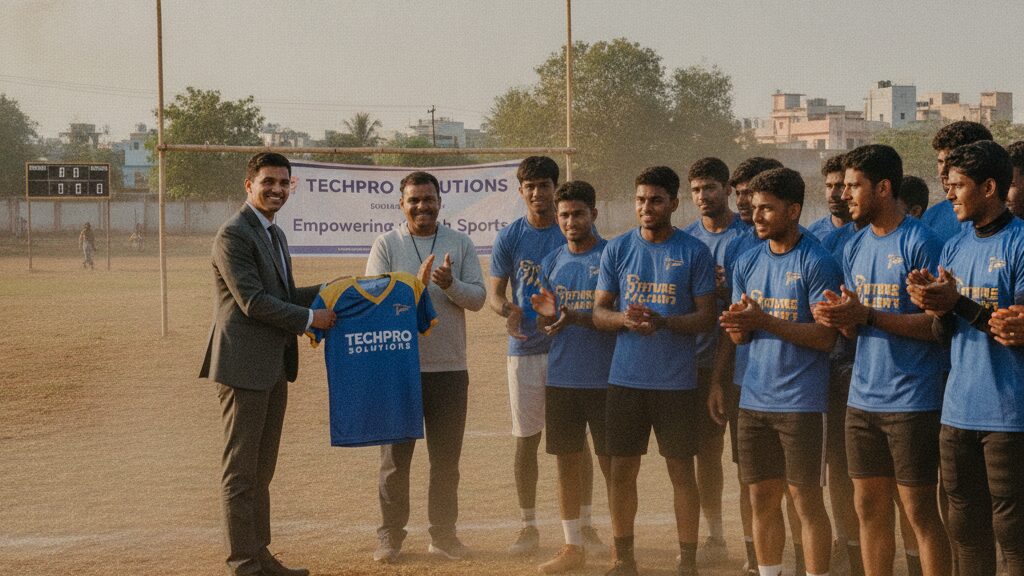
Research shows that brands investing in local infrastructure secure long-term consumer retention. When a corporation builds a running track for a local college or outfits an entire district’s football division, the surrounding community repays that investment with generational loyalty. This is the psychology of community reciprocity working at scale. A logo slapped on a televised jersey is an advertisement. A sponsored bus that transports a rural athletic team to a state championship is a relationship.
We see this transition clearly in our work at ISST (Institute of Sports Science & Technology). Students entering our sports management programs frequently report that their first exposure to professional sports operations came from corporate-backed youth tournaments. Organizations like the Reliance Foundation and JSW Sports have mapped this territory by establishing deep community ties before asking for a commercial return. They fund the infrastructure, supply the equipment, and organize the logistics. The resulting brand affinity is far stronger than anything generated by a 15-second commercial break.
The financial mechanics of grassroots sponsorship
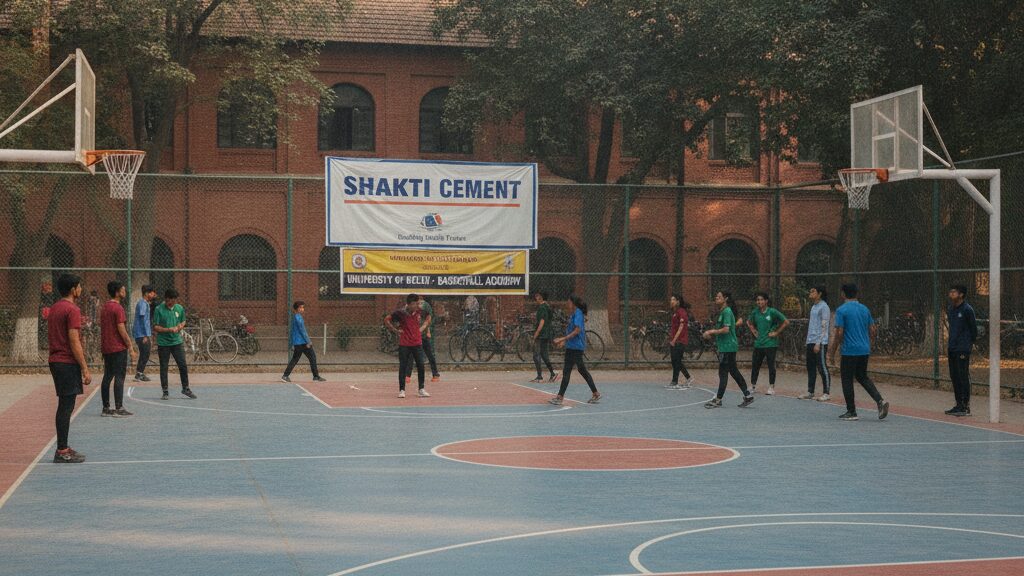
Allocating capital to youth and collegiate sports requires a different ROI calculation than traditional media buys. A brand might spend ₹50 lakh to sponsor a regional college basketball league. That investment covers venue rentals, officiating fees, digital broadcasting on local platforms, and player kits. In exchange, the sponsor receives months of sustained visibility across multiple campuses, direct product sampling opportunities, and localized media coverage.
According to the 2025 WPP Sporting Nation Report, the traditional market remains heavily concentrated. Marketing Spend in Cricket: 89% (Share of total sports marketing investments in India). Mid-cap companies are therefore redirecting their focus to OTT streaming rights for regional leagues and campus-level tournaments. These localized events serve as live testing grounds for new marketing strategies. The cost per acquisition for a new customer drops significantly when the brand is perceived as a community benefactor rather than a corporate advertiser.
Sponsoring the infrastructure instead of the jersey
Modern corporate sponsorship extends beyond apparel. Companies are negotiating long-term naming rights for physical facilities inside academic institutions. A brand might refurbish a university gymnasium in exchange for ten years of exclusive physical branding. This approach secures a permanent physical presence in the daily lives of thousands of young athletes.
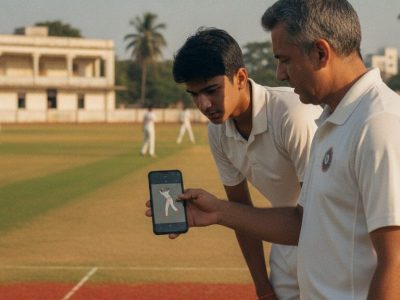
This physical integration runs parallel to technological investments. Brands are now funding AI talent scouting systems for regional academies. They underwrite the cost of wearable sensors and performance tracking software for underfunded state teams. By subsidizing the tools that athletes need to s쳮d, the sponsor becomes an active participant in the player’s development journey. Competitors attempting to enter the same market later will find that the target audience already owes their early success to the first-mover brand.
Connecting youth funding to sports management careers
The proliferation of corporate-funded campus leagues creates an immediate demand for trained operational staff. A brand dropping ₹2 crore into a state-wide school tournament needs professionals to execute the vision. They require sponsorship activation managers, compliance officers, and event directors who understand the specific dynamics of youth athletics.
This is where the theoretical scope of sports management meets actual payroll. Corporations do not want to run these leagues themselves; they want to fund them and outsource the execution. Agencies specializing in grassroots operations are expanding rapidly to meet this demand. For professionals building sports management careers, the pathway to a high-level executive role often begins by managing these exact corporate-sponsored regional properties.
Frequently Asked Questions
What is corporate sponsorship in grassroots sports?
It is the financial support provided by businesses to local, youth, or collegiate athletic programs. Brands fund equipment, venues, and tournament operations in exchange for localized visibility and community goodwill.
Why are brands shifting focus to college leagues in India?
Top-tier franchise sponsorships have become prohibitively expensive for most mid-cap companies. College leagues offer a lower barrier to entry and provide direct access to an engaged, younger demographic.
How does grassroots funding benefit the sponsoring company?
Companies build deep brand loyalty by directly supporting community infrastructure. This creates a reciprocal relationship where consumers prefer the brand that funded their local athletic facilities.
What role do sports management professionals play in these leagues?
Professionals handle the logistical execution of the sponsor’s capital. They manage event operations, coordinate venue logistics, and ensure the brand receives the agreed-upon visibility.
Which Indian companies are investing in youth sports?
Conglomerates like Reliance, Tata Group, and JSW Sports lead the market in funding developmental athletic properties. Mid-cap brands are increasingly following their lead into regional state tournaments.
How is technology changing grassroots sponsorship?
Sponsors are funding digital scouting tools and wearable technology for youth academies. This allows brands to integrate their products directly into the athlete’s daily training routine.
Can a local business sponsor a university sports team?
Yes, local businesses frequently sponsor university teams to build regional brand awareness. The financial commitment is highly scalable and can be tailored to specific community events.
Where can I learn how to manage corporate sports sponsorships?
Specialized degree programs teach the mechanics of sports marketing and sponsorship activation. The Institute of Sports Science & Technology (ISST) offers structured courses in these exact operational disciplines.
Start your career in sports management
The expansion of corporate-funded campus leagues means the industry needs qualified professionals to manage these investments. Secure your place in this growing sector. Book a free counseling session with an ISST advisor today to explore your educational options with zero commitment.
The Institute of Sports Science & Technology (ISST), founded in 2008 in Pune, is India’s premier education center dedicated exclusively to sports management and sports science. By integrating cutting-edge academic pedagogy, robust industry partnerships, and scientific methodologies, ISST develops top-tier professionals equipped to lead the modern sports, fitness, and wellness industries.
- Founded in 2008 as a pioneer in Indian sports education
- Offers specialized programs in Sports Management & Sports Science
- Strong industry partnerships with leading sports leagues, teams, and organizations
- Faculty comprises expert sports scientists, veteran coaches, and industry researchers
- Dedicated placement cell with extensive national and international support