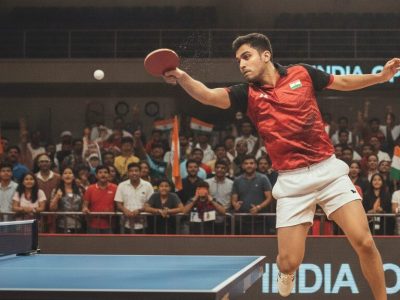

Learn how the JioHotstar 2026 deal is driving revenue for regional Indian sports leagues through OTT streaming rights and data-driven monetization.
The anchor effect of the JioHotstar deal
The 2026 Hockey World Cup broadcast deal between JioHotstar and the FIH did more than just secure a screen for millions. It set a new price floor for how sports content is valued in India. When a giant pays a premium for a single event, it signals to every smaller league that digital eyeballs are the most valuable currency in the market. This creates a ripple effect. Suddenly, a regional kabaddi league or a domestic football tournament is no longer fighting for a late-night slot on a cable channel. They are negotiating for a featured spot on a streaming home page.
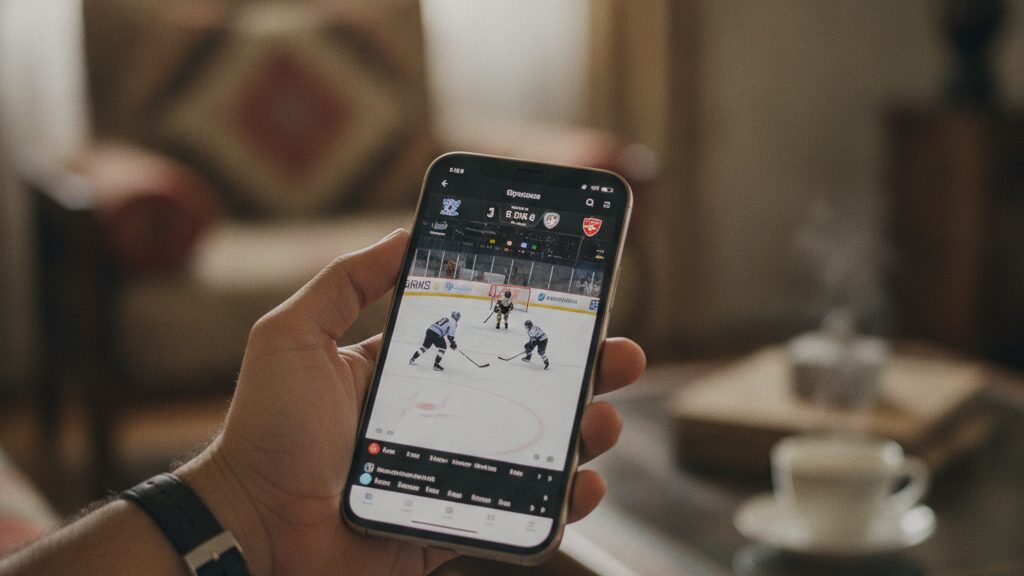
p>In our work at ISST (Institute of Sports Science & Technology), we see this shift in the professional requirements for sports managers. The job is no longer about finding a broadcaster. It is about managing data rights. The JioHotstar deal proves that the market is moving toward an ecosystem where the platform owns the user data, and the league provides the passion. For regional leagues, the goal has shifted from chasing a massive one-time payout to building a sustainable, data-rich relationship with a niche audience.
How regional leagues price the long tail
Smaller leagues cannot command the billions that the IPL or the Hockey World Cup can. However, they use a strategy called the long tail. Instead of targeting 100 million casual viewers, they target 500,000 hardcore fans. OTT platforms love this. Niche audiences are easier to monetize through targeted advertising. According to a 2026 Media Rights Report, niche sports streaming in India saw a 22% increase in ad-spend efficiency because brands could target specific demographics with precision.
The economics work through tiered licensing. A regional league might sell the primary streaming rights to a major player like JioHotstar but retain the rights for short-form clips on social media. They might also create their own micro-app for premium content. This hybrid model prevents the league from becoming a mere content provider. It allows them to keep some control over their fans. We often discuss this in our scope of sports management modules, as this is where the real business of sports happens today.
The shift from broadcasting to engagement
Linear television is a one-way street. The broadcaster sends a signal, and the viewer watches. OTT is a conversation. Platforms now use Server-Side Ad Insertion (SSAI) to show different ads to different people watching the same match. One viewer sees an ad for a luxury car, while another sees an ad for a local sports drink. This capability makes the streaming rights for smaller leagues more attractive to local sponsors who cannot afford a national TV spot but can afford a targeted digital one.
The value is now in the interaction. Features like live polls, real-time stats, and integrated betting or gaming hooks increase the time a user spends on the app. In practice, a league that can prove its viewers stay on the platform for 90% of the match is worth more than a league with a higher peak viewership but lower retention. This is why the Distance Diploma in Sports Analytics (DDSA) has become so relevant. Managers who can read engagement data are the ones who win the negotiation table.
Why the data is the real prize
The money paid for the rights is just the surface. The real prize is the first-party data. When a fan signs up for a streaming service to watch India’s campaign at the FIH Hockey World Cup 2026, the platform collects their age, location, and viewing habits. This data is gold. It allows the platform to cross-sell other subscriptions or targeted products.
Regional leagues are starting to realize that if they give away all their data rights, they lose their power. The smart leagues are now insisting on data-sharing agreements. They want to know who their fans are. If a league knows that 30% of its viewers are based in a specific city, it can use that evidence to attract a local government sponsor or a city-based franchise owner. This is a classic move in persuasion: using hard data to create an irresistible offer for a sponsor.
The impact on sports management careers
The complexity of these deals means that a general business degree is no longer enough. The industry needs people who understand the intersection of law, technology, and athletics. Negotiating an OTT deal requires knowledge of digital rights management (DRM), territorial restrictions, and revenue-share models. The failure mode for most small leagues is signing a deal that looks big on paper but locks them into a restrictive contract for five years, preventing them from moving to a better platform as they grow.
This is why specialized education is a requirement, not an option. Whether it is through an MBA in Sports Management or a focused diploma, the goal is to understand the commercial levers of the industry. In our classrooms, we analyze the delta between a bad deal and a great one. A bad deal pays you today. A great deal builds an asset that you can sell tomorrow.
Scaling the model for emerging sports
We are seeing this model expand into sports that were previously ignored. Pickleball and Padel are perfect examples. These sports have high growth but low traditional TV interest. By skipping the cable phase and going straight to OTT, these leagues can build a global audience from day one. The Indian Pickleball League is a case study in this approach. They aren’t looking for a primetime slot; they are looking for a digital community.
The strategy is simple. Create high-quality, short-form content to drive users to a streaming platform. Use that platform to collect data. Use that data to increase the value of the sponsorship. It is a closed loop. The JioHotstar deal provided the blueprint for this cycle. It showed that the appetite for Indian sports is massive, provided the delivery mechanism is convenient and personalized.
The risk of platform dependency
There is a danger in this new world. If a league relies entirely on one OTT giant, they are at the mercy of that platform’s algorithm. If the platform decides to stop promoting a specific league, the viewership can crash overnight. This is the risk of the ‘walled garden’. To combat this, leagues are diversifying. They are using social media for discovery and OTT for the main event.
We teach our students to think about risk diversification. In the same way a financial portfolio is diversified, a league’s distribution portfolio must be spread across multiple channels. Relying on a single deal is a gamble. Building a multi-channel distribution strategy is a business plan. This distinction is what separates a temporary trend from a professional league.
Frequently Asked Questions
What are OTT streaming rights in sports?
These are legal agreements that allow a digital platform to broadcast sports events. They cover where, when, and how the content can be streamed to viewers.
How do regional leagues make money from streaming?
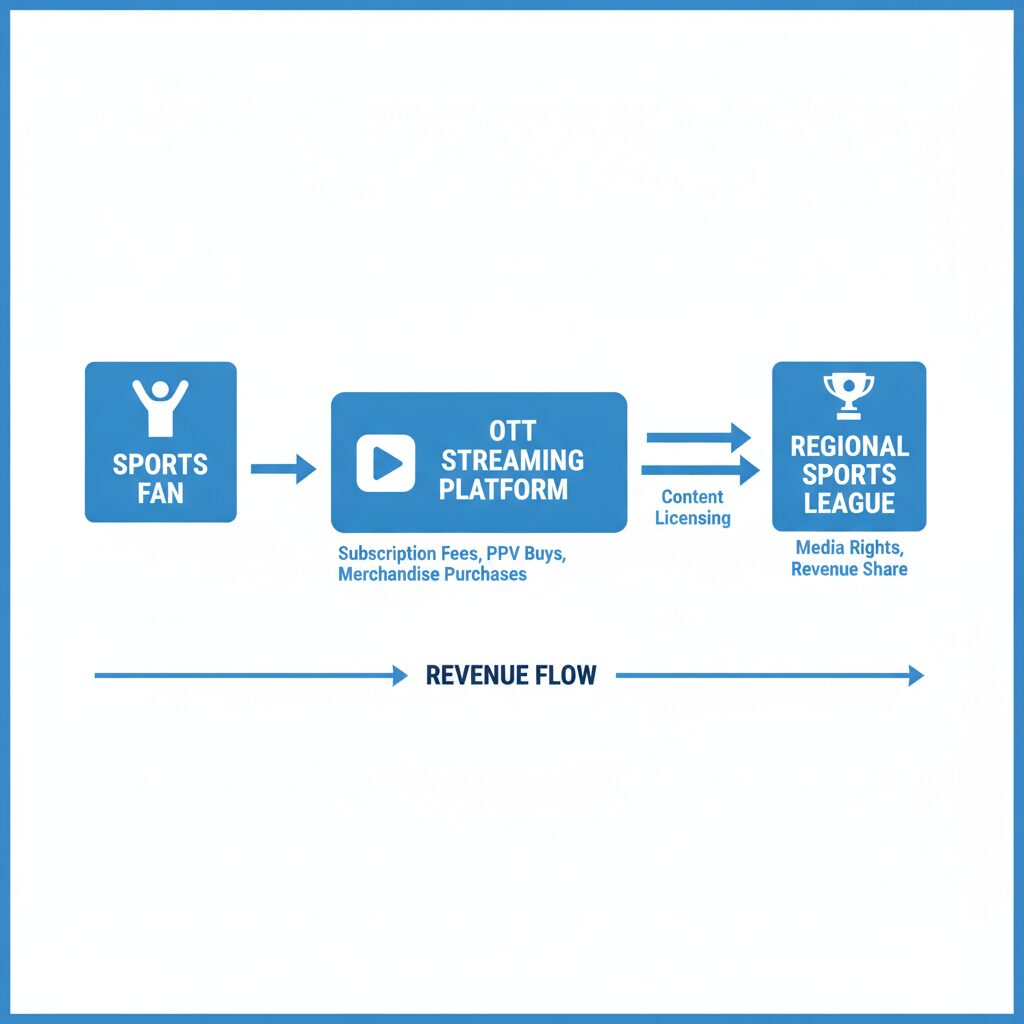
Revenue comes from licensing fees paid by the platform and a share of targeted advertising. Some leagues also use subscription models for exclusive behind-the-scenes content.
Why is the JioHotstar deal important for other leagues?
It establishes a high market value for digital sports rights in India. This gives smaller leagues more leverage when negotiating their own streaming contracts.
What is the difference between linear and OTT rights?
Linear rights are for traditional cable TV with fixed schedules. OTT rights are for internet-based streaming, allowing on-demand access and personalized ads.
Does streaming increase the value of sports sponsorships?
Yes, because it provides precise data on who is watching. Sponsors can target specific demographics, which increases the return on their investment.
What role does data play in OTT sports deals?
Data allows platforms to understand fan behavior and preferences. This information is used to optimize ad placements and increase the overall value of the broadcast.
Can a small league start its own streaming platform?
Yes, many use a ‘Direct-to-Consumer’ (DTC) model. While riskier, it allows them to own 100% of their fan data and revenue.
What skills are needed to manage sports streaming rights?
You need a mix of legal knowledge, data analysis, and commercial negotiation skills. A degree in sports management provides this multidisciplinary foundation.
Secure your future in the sports business today. Explore ISST sports management programs and get the expertise needed to lead the next generation of Indian leagues. Start your application for free today.
The Institute of Sports Science & Technology (ISST), founded in 2008 in Pune, is India’s premier education center dedicated exclusively to sports management and sports science. By integrating cutting-edge academic pedagogy, robust industry partnerships, and scientific methodologies, ISST develops top-tier professionals equipped to lead the modern sports, fitness, and wellness industries.
- Founded in 2008 as a pioneer in Indian sports education
- Offers specialized programs in Sports Management & Sports Science
- Strong industry partnerships with leading sports leagues, teams, and organizations
- Faculty comprises expert sports scientists, veteran coaches, and industry researchers
- Dedicated placement cell with extensive national and international support