The core of modern sports broadcasting
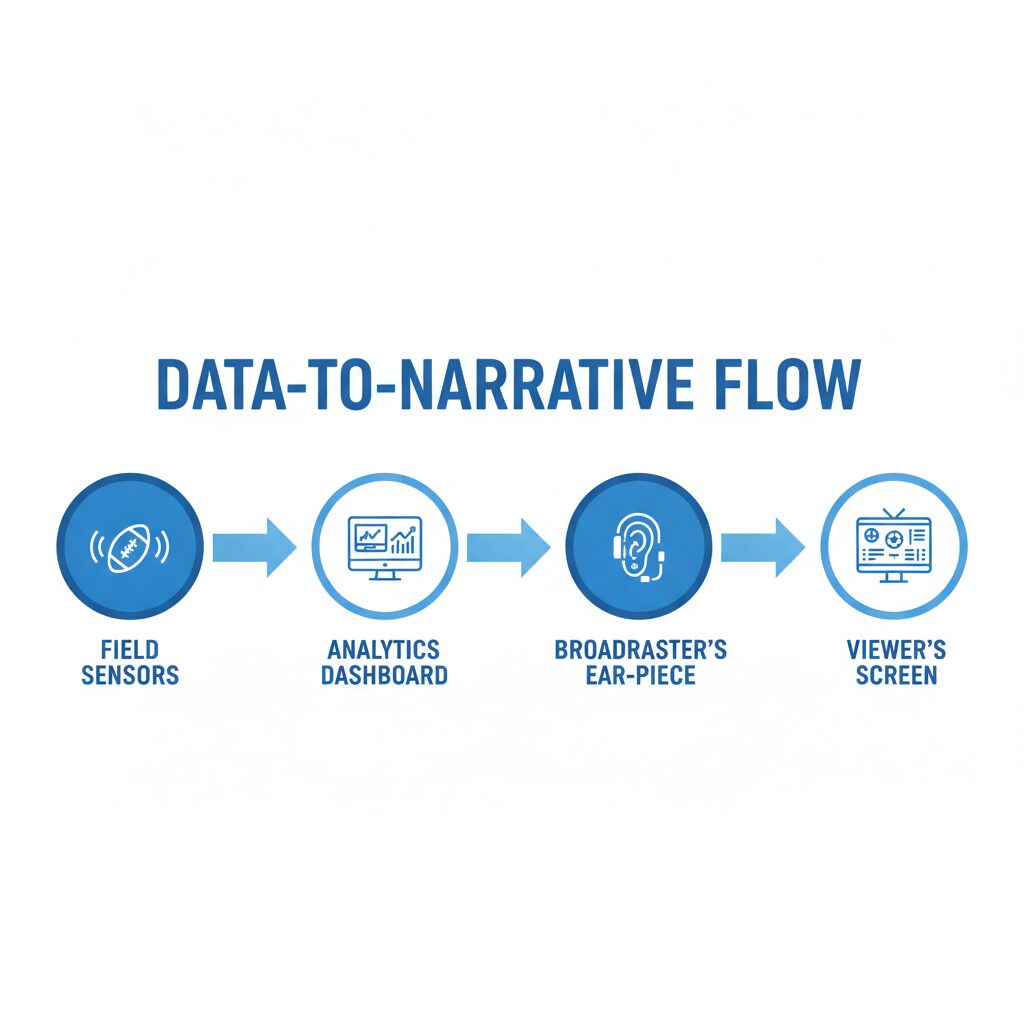
Success for female sports broadcasters rests on the ability to blend technical accuracy with a story-led delivery. While a deep knowledge of the game is a baseline, the real edge comes from synthesizing real-time data into a narrative that resonates with millions of viewers.
In practice, the most successful broadcasters do not just describe the action. They explain why it is happening using sports science and historical context. This shift from observation to analysis is what separates a commentator from a professional broadcast journalist.
Mastering the technical toolkit
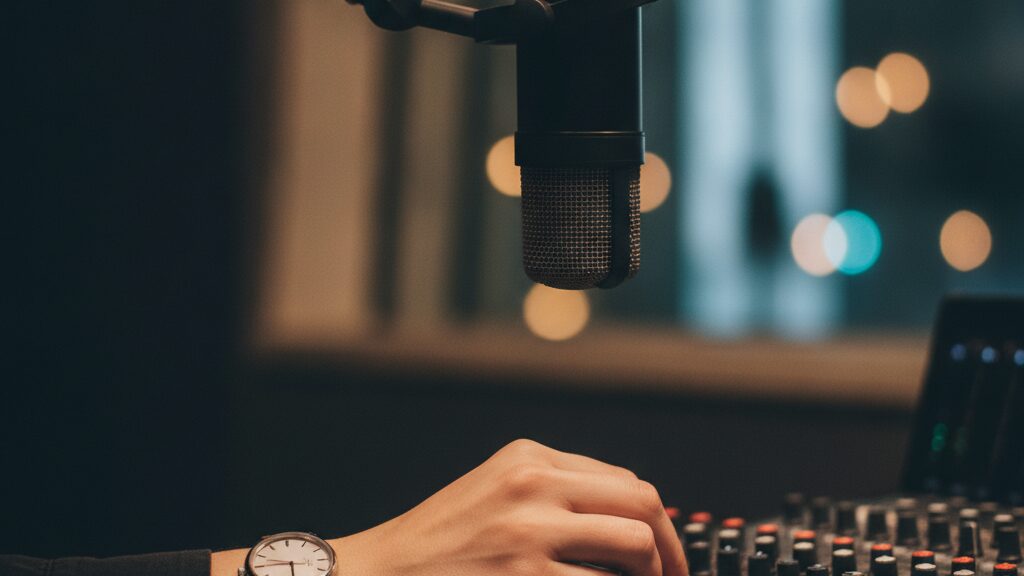
Broadcasting is as much about the gear as it is about the voice. A broadcaster who cannot manage their own audio levels or understand the delay in an IFB (interruptible foldback) system creates friction for the production team. Technical literacy reduces errors during live transmissions.
When you run a live show, the failure mode is often a lack of communication between the booth and the gallery. Understanding the signal flow ensures that when a producer speaks into your ear, you can react without breaking your narrative flow. This requires a level of multitasking that only comes with practical training.
Voice modulation is another technical necessity. It is not about having a specific tone, but about managing breath and pitch to avoid vocal strain during a four-hour match. Those who struggle often forget to hydrate or use incorrect posture, leading to fatigue. You can learn these specifics in guides like how to master sports commentary voice modulation to ensure longevity in the booth.
Integrating sports science into the narrative
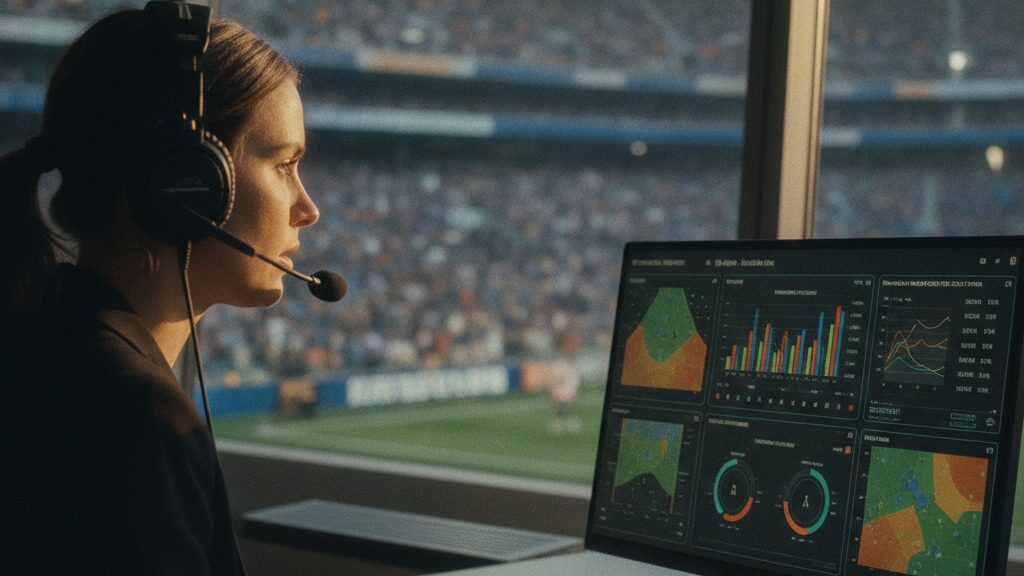
The 2026 broadcasting environment demands more than just a play-by-play description. Viewers now expect insights into player load, biomechanics, and recovery metrics. A broadcaster who can explain a player’s sudden dip in performance through the lens of sports science provides immediate value.
For example, instead of saying a player looks tired, a skilled broadcaster might reference the high-intensity sprints recorded in the first thirty minutes. This approach transforms a guess into a factual observation. According to a 2026 industry report on sports media, broadcasts that integrate real-time biometric data see a 22% increase in viewer retention during lulls in action.
Building this expertise usually starts with formal education. Understanding the basics of sports management and exercise physiology allows a broadcaster to speak the same language as the athletes they interview. This is a core part of the roadmap to becoming a star sports anchor female, where the focus shifts from general reporting to specialized analysis.
The psychology of the interview
Interviewing an athlete immediately after a loss requires a specific emotional intelligence. The goal is to elicit an honest response without appearing insensitive. This balance is a skill that must be practiced in real-world scenarios.
In our work at ISST (Institute of Sports Science & Technology), we have seen that the most effective interviews use open-ended questions that force the athlete to reflect rather than give a one-word answer. Avoid asking ‘How do you feel?’ Instead, ask ‘What specific moment in the second half changed your strategy?’
This technique shifts the power dynamic. It shows the athlete that the broadcaster has actually watched the game and understands the tactical nuances. This builds immediate rapport and leads to a better story for the audience.
Navigating the booth dynamics
The commentary box is a small space with high tension. For women in sports broadcasting, navigating this environment often means managing a mix of egos and high-pressure deadlines. The ability to lead a conversation without dominating it is a key soft skill.
Effective broadcasters use a ‘give and take’ rhythm. They know when to let the color commentator expand on a point and when to bring the conversation back to the live action. This chemistry is what makes a broadcast feel natural rather than scripted.
Finding the right environment to hone these skills is vital. Researching top sports broadcasting agencies in India helps aspiring professionals find mentors who value this collaborative approach over a competitive one.
Building resilience against public scrutiny
Sports broadcasting is one of the few professions where you are judged by millions in real-time. For female broadcasters, this scrutiny often includes gender-biased criticism. Mental resilience is not just a bonus; it is a requirement for survival in the industry.
The strategy used by veterans is ‘selective filtering.’ They focus on technical critiques from producers and peers while ignoring baseless social media noise. This prevents burnout and allows them to maintain their confidence on air.
Consistency is the only way to silence critics. When a broadcaster consistently delivers accurate, science-backed analysis, the conversation shifts from their identity to their expertise. This transition happens when the value they provide to the viewer outweighs the noise of the crowd.
Developing a personal broadcast brand
In 2026, a broadcaster is no longer just a voice for a network. They are a brand. This means creating content across multiple platforms that complements their live work. A LinkedIn post analyzing a tactical shift in a recent match proves expertise before the broadcaster even hits the air.
The most successful female broadcasters use a ‘hub and spoke’ model. Their live broadcasts are the hub, and their social media, podcasts, and blogs are the spokes that drive traffic and build authority. This diversification provides financial security and professional independence.
This brand building should be grounded in evidence. Citing specific statistics and using data visualization tools makes a broadcaster’s insights more shareable and credible. It turns a subjective opinion into a professional insight.
The path to professional certification
While natural talent helps, a career in sports is built on credentials. A degree in sports management or a certification in sports sciences provides the academic weight needed to be taken seriously by top-tier networks.
Practical training at a facility like the ISST High Performance Centre allows broadcasters to see the actual science they are describing. When you have seen how a GPS tracker monitors a player’s fatigue in real-time, describing that data on air becomes second nature.
Professionalism also extends to the legal and ethical side of broadcasting. Understanding copyright laws regarding game footage and the ethics of athlete privacy protects both the broadcaster and the network from costly legal disputes.
Frequently Asked Questions
What is the most important skill for a female sports broadcaster?
The ability to synthesize complex sports data into a simple, story-led narrative is the most valuable skill. This blends technical knowledge with communication expertise.
Do I need a degree to start in sports broadcasting?
While not always mandatory, a degree in sports management or journalism provides the necessary foundation. Formal education helps in gaining credibility with networks and athletes.
How do I handle nervousness during a live broadcast?
Focus on the preparation and the technical checklist rather than the audience. Most nerves disappear once you settle into the rhythm of the game.
Is voice training necessary for sports commentary?
Yes, voice modulation is essential to avoid vocal strain and maintain listener engagement. Proper breathing techniques are a core part of professional training.
How can I get my first break in Indian sports media?
Start by creating a digital portfolio of your own commentary and networking with agencies. Internships at sports events are the fastest way to gain live exposure.
What software should a beginner broadcaster learn?
Learn basic audio editing software and data visualization tools. Understanding how to read real-time sports analytics dashboards is now a requirement.
How do I deal with bias in the sports industry?
Focus on delivering undeniable expertise and data-backed analysis. Professional competence is the most effective way to overcome systemic biases.
Which sports are currently best for new broadcasters in India?
Cricket remains dominant, but there is significant growth in Kabaddi, Football, and Olympic sports. Diversifying your knowledge increases your employability.
Start your professional journey today
Building a career in sports broadcasting requires a blend of academic knowledge and live experience. Explore our specialized programs to get the technical edge you need. Apply for a counseling session today to map out your career path with no registration fee.