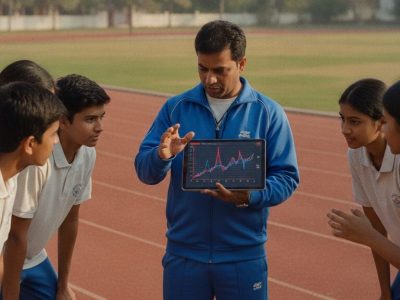
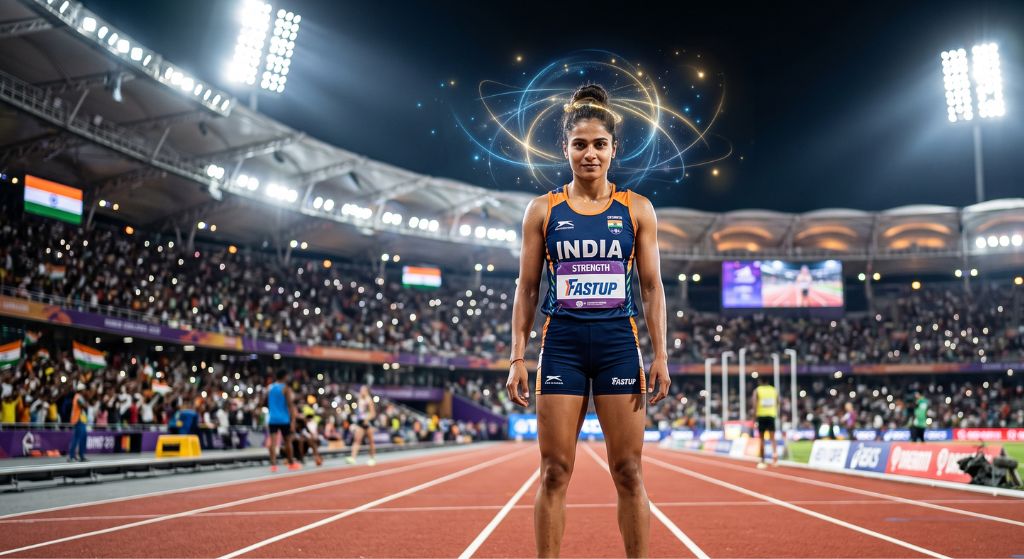
Professional sports organizations across India are changing their hiring criteria for sports scientists and management executives. Employers in franchise leagues such as the TATA IPL, Hero Indian Super League (ISL), and Pro Kabaddi no longer seek candidates with isolated technical knowledge. Instead, top organizations select professionals who understand both physical execution and athlete mindsets. Degree programs like the Masters Programme in Sports Sciences (MPSS) and the BBA Sports Management provide broad foundational knowledge. However, candidates who add specialized mental performance credentials stand out immediately during recruitment.
Dense competition schedules, intense media scrutiny, and high financial stakes have made athlete burnout and performance anxiety major operational concerns. Traditional degree programs teach exercise physiology, biomechanics, or sports marketing, but often spend limited time on daily mental conditioning techniques. By completing focused Sports Psychology Courses in India alongside their core degree, students acquire practical tools to manage high-pressure environments. This dual expertise bridges the operational gap between backroom staff and field performance, making graduates far more employable.
The Shift From Clinical Therapy to Applied Mental Performance
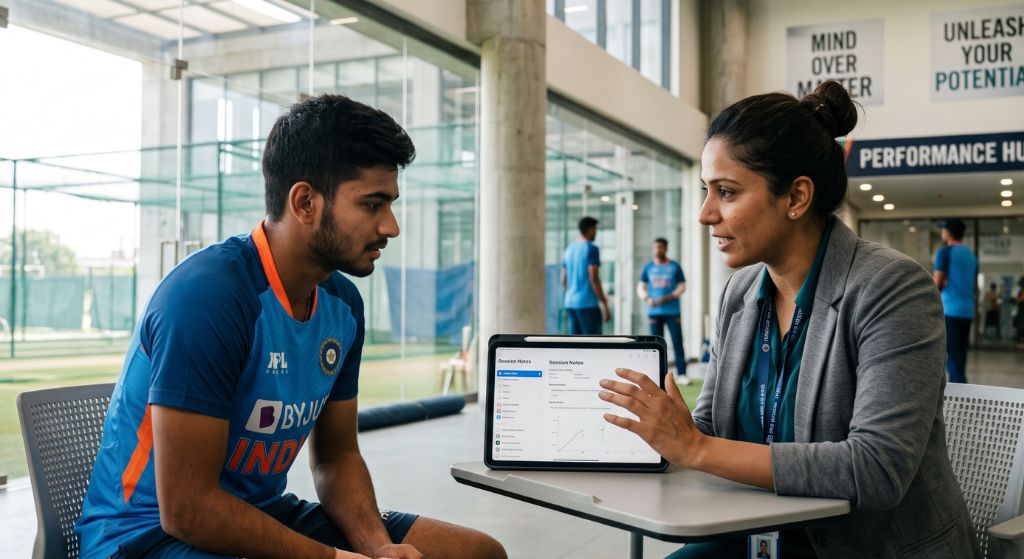
For years, mental support in Indian sports was viewed through a clinical lens, activated only when an athlete experienced severe psychological distress. Modern high-performance programs operate differently. According to a 2025 survey by the Sports Authority of India (SAI), 72% of elite sporting academies now integrate daily mental performance coaching into routine athletic preparation rather than relying solely on periodic clinical consultations. This shift mirrors developments in global leagues where mental conditioning is treated with the same consistency as physical strength and conditioning.
Mental performance coaching focuses on practical skill acquisition rather than diagnosing mental illness. Practitioners teach athletes precise cognitive protocols: pre-shot routines, focus maintenance under crowd noise, arousal regulation, and rapid bounce-back techniques after competitive errors. Candidates who complete specialized training, such as the Distance Diploma in Sports and Exercise Psychology (DDSEP), learn how to deliver these practical techniques directly on the training pitch or inside team dressing rooms.
Why Sports Science Students Need Psychological Expertise in High-Performance Teams
Sports science candidates spend hundreds of hours studying muscle recruitment, metabolic thresholds, and motion analysis. However, real-world application reveals a clear barrier: an athlete’s physical system responds directly to their mental state. When an athlete fears re-injury during rehabilitation, their nervous system limits physical output regardless of muscle healing. Strength coaches and physiotherapists who lack psychological training struggle to guide athletes through these emotional recovery plateaus.
In practice at the ISST High Performance Centre, sports science specialists routinely combine physical testing data with mental readiness assessments. When a sports scientist observes elevated resting heart rates or erratic power output during routine monitoring, the cause is frequently psychological fatigue rather than physical overtraining. Recognizing these subtle psychological markers allows support staff to adjust workload demands before physical breakdown occurs, protecting athlete health and saving club resources.
Why Sports Management Graduates Are Adding Mental Health Credentials
The need for mental performance skills extends well beyond the training pitch. Sports management professionals handle team logistics, player operations, contract negotiations, and media relations. In high-pressure tournaments like the Yuva Kabaddi Series or Ultimate Table Tennis, team operations managers interact with athletes daily during moments of extreme stress. A team manager who understands basic psychological triage can resolve internal squad conflicts and help players maintain focus amid travel fatigue or negative press coverage.
According to industry placement records from top sports education institutes, sports management graduates who hold additional mental health or performance certifications receive 35% more interview invitations for team operations roles. Sports agencies, player management firms, and grass-root academies like Bhaichung Bhutia Football Schools and Gary Kirsten Cricket actively seek managers who can offer personal support to young athletes transitioning into professional environments. Stacking management qualifications with mental training credentials transforms a standard administrator into a well-rounded player welfare officer.
Building a Portfolio That Employers Value
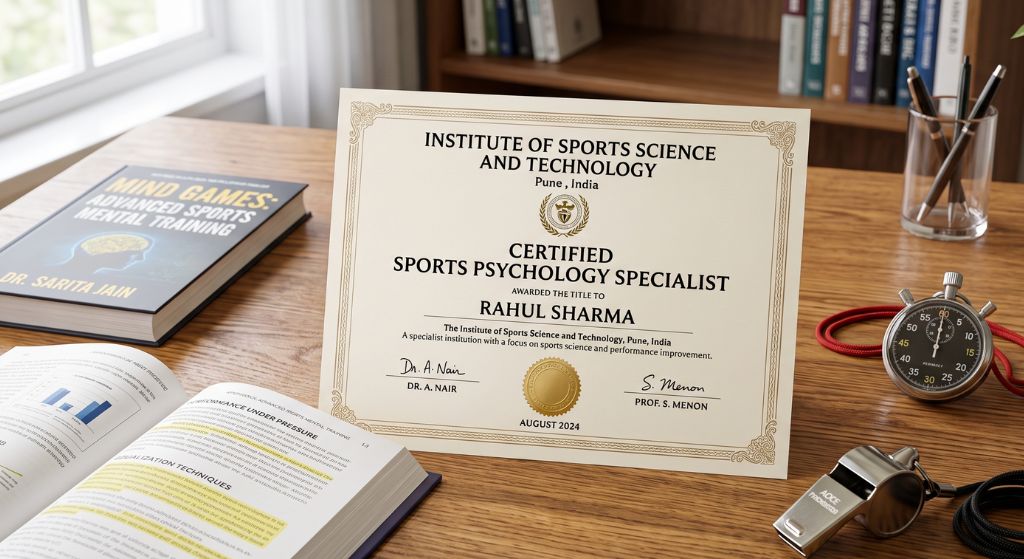
Navigating a successful career in sports requires building a specialized skill stack that matches modern industry requirements. Employers evaluate candidates based on practical capabilities rather than generic degree titles. Adding a targeted credential, such as the Distance Certificate in Sports Psychology & Mental Training (CSPMT), demonstrates self-direction and specialized expertise.
When reviewing candidate applications, hiring managers at organizations like Reliance Foundation Youth Sports and Olympic Gold Quest look for specific practical capabilities:
- Ability to design pre-competition routines that reduce nervous energy in young athletes.
- Knowledge of goal-setting structures that maintain motivation across long, repetitive training seasons.
- Skill in applying biofeedback and breathing techniques to lower heart rates during high-stress match moments.
- Understanding of psychological recovery methods that restore cognitive focus after travel or loss.
Bridging Theory With Field Experience
Academic theory provides value only when tested under real match conditions. Students enrolled in sports management and sports science programs must seek out live event exposure to apply mental performance techniques. Working at major competitions like the Tennis Premier League or state-level athletics championships allows students to observe elite athletes under intense stress and witness how senior coaches manage high-stakes situations.
Through the ISST alumni connect network, students gain access to mentored practical exposure opportunities where they observe how mental performance principles function in professional teams. Combining formal degree studies with targeted psychology certifications and practical event training builds a professional portfolio that commands attention in a competitive job market.
Frequently Asked Questions
What is the main difference between a sports psychologist and a mental performance coach?
A clinical sports psychologist holds medical licenses to treat diagnosed mental illnesses like clinical depression or eating disorders. A mental performance coach focuses on applied mental skills like focus, goal setting, and stress management to optimize athletic execution.
Can BBA or MPSS students enroll in sports psychology certifications in India?
Yes, students enrolled in undergraduate or postgraduate sports degrees can complete distance or short-term certifications simultaneously. Adding these specialized credentials expands career options across academies, clubs, and sports agencies.
What job roles benefit from a sports psychology certification?
Mental performance credentials benefit sports science specialists, strength and conditioning coaches, team operations managers, player welfare officers, and youth academy coaches. These credentials demonstrate an ability to manage the human side of athletic performance.
How long does it take to complete a sports psychology certification program?
Certification programs typically range from three months to one year depending on whether you choose a short-term certificate or a comprehensive diploma. Most distance programs offer flexible study schedules alongside regular degree coursework.
Do professional leagues in India hire mental performance coaches?
Franchises across the TATA IPL, Hero ISL, Pro Kabaddi, and Ultimate Table Tennis regularly employ mental performance consultants. National sports foundations and private academies also recruit specialists to work with emerging athletic talent.
Are distance sports psychology courses recognized in the Indian sports industry?
Industry employers prioritize applied skill and practical knowledge over study format when evaluating entry-level roles. A distance certificate from a recognized institute demonstrates initiative and provides immediate practical frameworks for athlete management.
What practical skills are taught in mental performance certification courses?
Students learn practical tools including visualization techniques, arousal control, pre-performance routines, goal-setting frameworks, and cognitive strategies to manage competitive anxiety and fatigue.
How does mental performance training help sports management executives?
Sports management professionals handle player welfare, team logistics, and conflict resolution during high-stress tournaments. Understanding psychological principles enables executives to manage athlete relationships and maintain team harmony effectively.
This Sports Psychology certification India 2026, build a specialized mental performance toolkit and increase your employability across top sports organizations with ISST (Institute of Sports Science & Technology).