The Hidden Penalty of the Legacy PE Class
Every September, Indian schools face the same problem. The academic year starts, the bell rings for Physical Education, and a teacher hands out a football. This is not sports education. It is recess. In a country pushing for global sporting dominance, relying on unstructured play is a massive missed opportunity. Schools that fail to upgrade their programs are actively losing their best talent to private academies.
According to 2026 sports physiology data, early sports specialization without proper load management leads to a 40% increase in overuse injuries among teenagers. The loss is twofold. Students get hurt, and schools lose their competitive edge in inter-school tournaments. We tend to stick with what is familiar. The familiar approach is cheap and requires no specialized hiring. But the hidden cost of ignoring a formal sports science school PE curriculum in India is high.
Hundreds of progressive institutions across the country are already making a shift. They recognize that basic drills do not build elite athletes. They are bringing biomechanics, recovery protocols, and nutritional tracking directly into the weekly timetable. When parents see a school investing in actual physical development rather than just rolling out a ball, their loyalty to the institution solidifies.
Why the Shift is Happening in 2026
The traditional PE model assumes all students move the same way and require the same conditioning. Science proves otherwise. A 14-year-old experiencing a growth spurt requires vastly different physical loading than a 16-year-old preparing for a state-level track meet. Treating them identically guarantees suboptimal results for both.
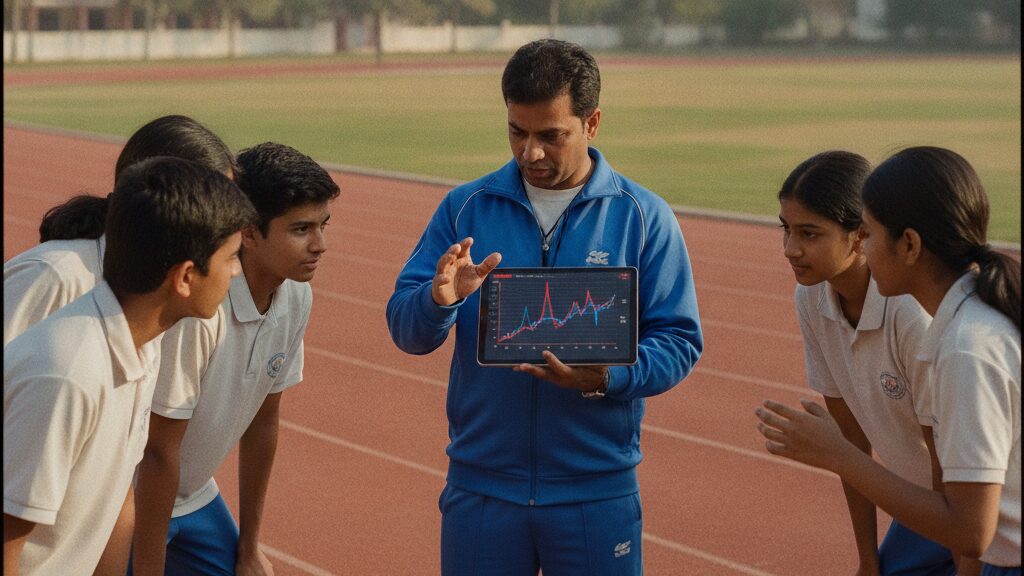
In our work at ISST (Institute of Sports Science & Technology), we’ve seen how integrating formal sports sciences changes the dynamic entirely. A structured curriculum replaces guesswork with data. Instead of arbitrary fitness tests once a term, students undergo continuous movement screening. This identifies muscular imbalances before they become stress fractures. Providing this level of care builds immense trust with both students and parents.
The momentum is already here. Schools are discovering that physical education is a highly visible marker of institutional quality. Upgrading this department requires effort, but falling behind rival schools carries a much heavier reputational penalty.
Structuring a Modern Sports Science Curriculum
You do not need to tear down the existing timetable to introduce sports science. The most successful schools integrate these concepts into the current framework. They take a systematic approach to physical literacy.
Movement Mechanics and Injury Prevention
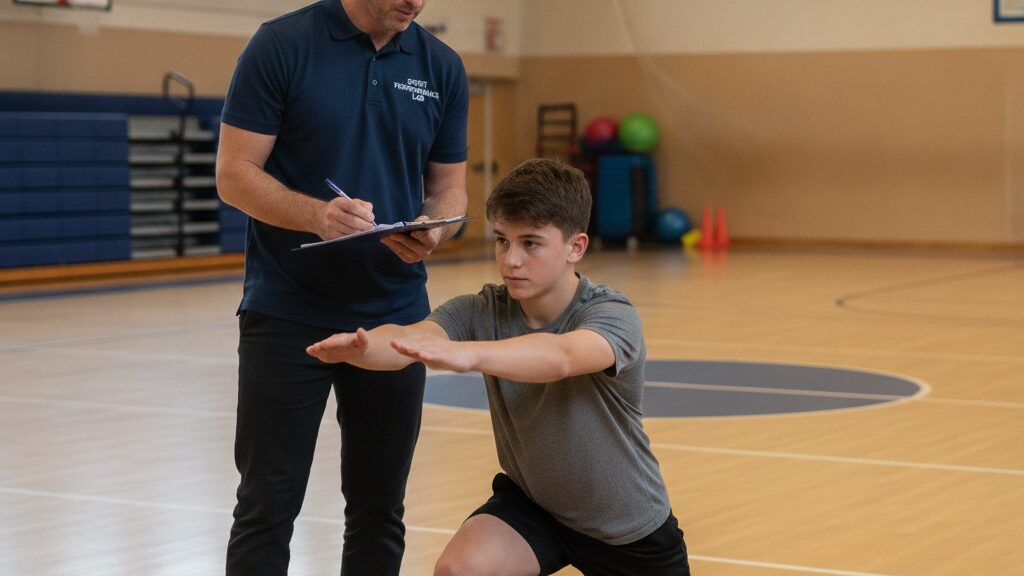
Before a student touches a basketball, they need basic mobility assessments. A modern curriculum dedicates the first four weeks of the academic year entirely to functional movement screens. Physical educators track joint stability, flexibility, and core strength. If a student shows poor ankle mobility, they receive targeted corrective exercises rather than being forced into high-impact jumping drills that invite injury.
Applied Sports and Exercise Nutrition
Outdated advice about drinking glucose water during half-time is no longer acceptable. A formal curriculum dedicates classroom hours to sports and exercise nutrition. Students learn how to calculate their macronutrient needs based on their specific sport. They understand the difference between pre-game fueling and post-game recovery. This knowledge serves them far beyond the playing field, establishing healthy habits for adulthood.
Data Tracking and Performance Analytics
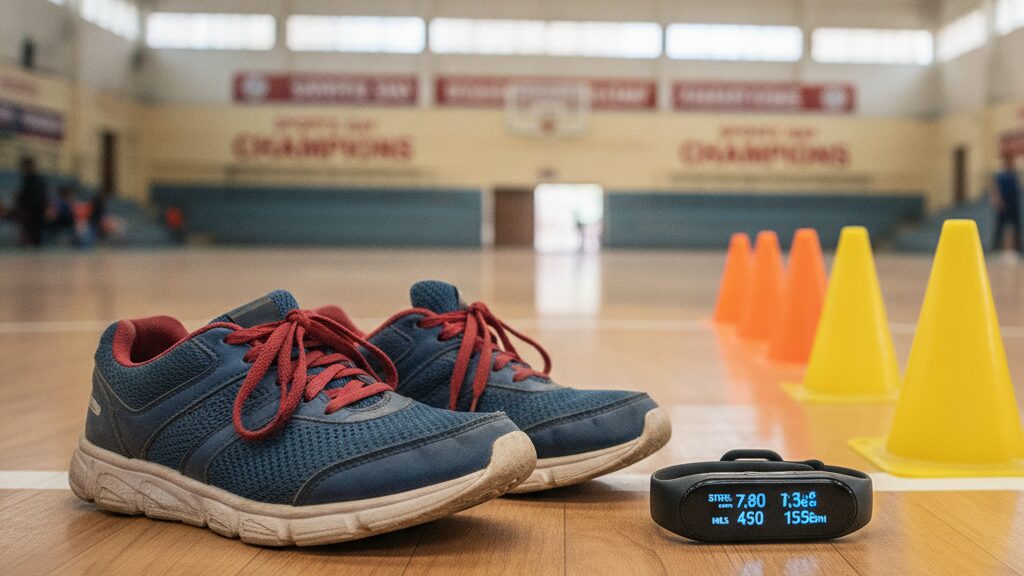
You cannot manage what you do not measure. Schools are beginning to use wearable tech in sports training to monitor heart rate zones and recovery times during PE sessions. This objective data removes bias from team selections and grading. It also provides a clear, quantitative report card for parents regarding their child’s physical development.
The Talent Pipeline: Who Leads the Change?
Schools cannot expect a traditional PE teacher to suddenly operate as an exercise physiologist overnight. Delivering this curriculum requires qualified professionals. This is exactly where specialized sports education comes in.
Graduates holding a UGC recognized BSc Sports Sciences degree or those who have completed a Masters Programme in Sports Sciences (MPSS) are filling these new roles. These professionals understand how to scale physiological assessments for 500 students. They bring practical training directly from environments like the ISST High Performance Centre into the school gymnasium.
Institutions that tap into the ISST alumni connect find specialists who can bridge the gap between academic theory and on-field execution. When a school hires a dedicated sports scientist, it sends a clear signal of authority and commitment to student welfare.
Steps to Partner with Sports Science Providers
The academic year is already moving. Waiting until the next term to upgrade your sports education means falling a full year behind competing institutions. You can start small and scale up as you see results.
Begin by bringing in an expert for a pilot assessment program. Have a certified sports scientist run a one-week screening clinic for your school’s top athletic teams. The resulting data will immediately highlight the gaps in your current conditioning programs. Once administrators see the exact injury risks their students face, the decision to formalize the curriculum becomes obvious.
From there, schools can sponsor their existing PE staff to pursue continuing education, such as a Distance Diploma in Strength & Conditioning. This blends immediate expert intervention with long-term staff development. You provide immediate value to your students while building internal capacity.
The transition from recess to a formal sports management and science framework is no longer optional for top-tier schools. The tools, the professionals, and the curriculum models exist right now. All that remains is the decision to implement them.
Frequently Asked Questions
What is a sports science PE curriculum?
It is an educational framework that replaces standard physical play with data-driven physical development. It includes biomechanics, nutrition, and injury prevention tailored for students.
How does this differ from traditional PE?
Traditional PE focuses on playing games and general fitness tests. A sports science approach focuses on movement screening, physiological monitoring, and specialized recovery.
Can regular schools afford sports science programs?
Yes. Many schools start by integrating basic movement screening and nutrition education without buying expensive equipment. The focus is on methodology rather than just hardware.
Who is qualified to teach this curriculum?
Professionals with degrees in sports sciences, such as a BSc or MPSS, are ideal candidates. Traditional PE teachers can also upskill through specialized distance diplomas.
At what age should sports science be introduced?
Basic movement screening and physical literacy concepts should begin in primary school. Advanced topics like sport-specific nutrition and load management start in middle school.
Does this curriculum replace playing actual sports?
No. It supports actual sports by ensuring students are physically prepared to play them safely. The goal is to maximize performance and minimize time lost to injury.
How do parents react to this shift?
Parents heavily favor structured physical development over unstructured play. Providing data on a child’s physical health builds strong institutional trust and loyalty.
How can a school implement this quickly?
Schools can partner with recognized sports education institutions to run pilot testing programs. They can also recruit trained alumni from specialized sports science institutes immediately.
Ready to upgrade your school’s sports program?
Stop losing your best student athletes to preventable injuries and private academies. Connect with ISST today to recruit qualified sports science professionals or enroll your staff in our distance education programs. Start transforming your PE curriculum this academic year with zero recruitment fees.