

Sports management in Indian movies: Reality versus the silver screen
The final whistle blows in a packed stadium. A coach and manager embrace, celebrating a narrow victory. This scene, a staple in recent hits like Maidaan or the 2024 release Mr. & Mrs. Mahi, masterfully highlights the glory of the win. However, it usually skips the grueling six months of logistical trench warfare that made the match possible. Most young professionals start their journey because of the spark they find in these stories. I’ve noticed that while inspiration gets you through the door, it’s the systems thinking that keeps you in the room. This guide examines how sports management in Indian movies aligns with the actual industry landscape of 2026. You will learn to distinguish cinematic drama from professional administration, which means you can build a career based on market realities rather than scriptwriting tropes.
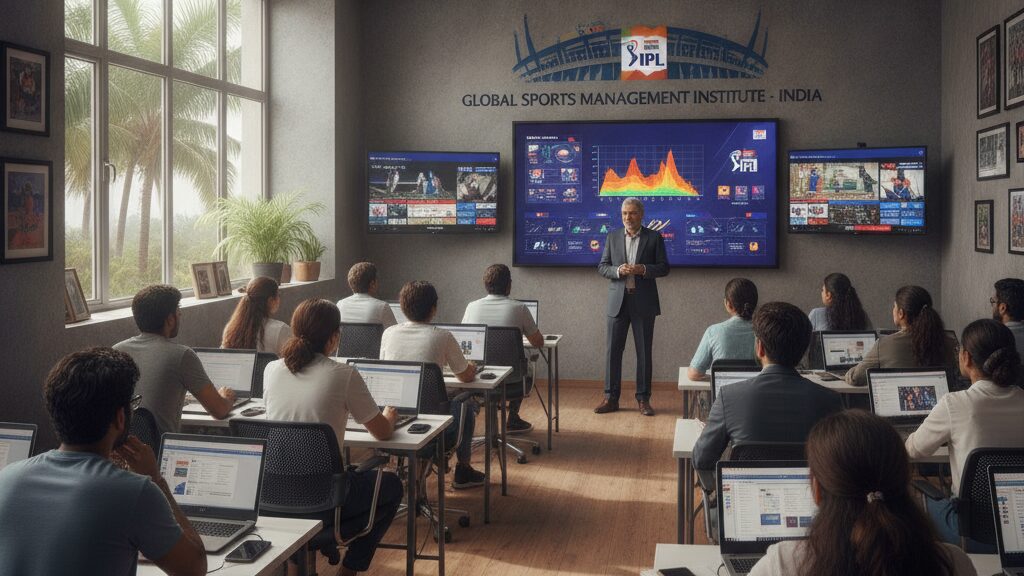
When you watch a film like 83, you see the emotional weight of a manager fighting skeptical board members. In the 2026 environment, the friction is rarely about dramatic speeches. It is about managing complex global supply chains and navigating digital broadcasting rights. The common failure mode for aspiring managers is expecting every day to feel like a movie montage. Real success comes from a strategic alliance between athlete performance and commercial viability. It is less about the “big speech” and more about the “big spreadsheet.”
How sports management in Indian movies reflects the 2026 industry
Analyzing the evolution of sports administration films
Indian cinema has shifted. We’ve moved from focusing solely on the “hero athlete” to acknowledging the massive machinery behind them. Early films ignored the business side entirely. Today, movies portray the friction between old-school tradition and modern sports science. This shift mirrors the actual growth of the Indian sports sector. The industry reached a valuation of ₹16,000 crore in early 2026. We now see characters on screen managing sponsors and media rights. This is a positive step, as it shows the public that sports is a legitimate asset class, not just a hobby.
The Indian Sports Industry Report (2026) notes that 42% of sports-related jobs are now in administrative roles. Films like Jhoongi highlight grassroots reality, but they often simplify the paperwork required for a professional career. While movies capture the heart, a Sports Management Reality 2026 check shows that the industry values technical proficiency over raw passion. Passion is your fuel, but your engine is built from legal knowledge and operational discipline.
Cinematic portrayals of agents and talent managers
Agents in movies are often slick talkers closing deals in high-end restaurants. That makes for good TV. In the 2026 Indian market, talent management is a specialized discipline. It involves contract law, brand building, and reputation management. You aren’t just finding a player a club; you are managing a 360-degree commercial profile. This requires a solid foundation in sports management education. You need to understand the legalities of UGC recognized contracts and endorsement clauses, which means you can protect your client’s interests when a brand deal goes sideways.
Transitioning from movie inspiration to a real career in sports
Daily operations vs. movie montages: The administrative reality
A movie might show a stadium being filled in a 30-second clip with upbeat music. In reality, venue management involves months of coordinating with local authorities and managing thousands of security personnel. You also have to oversee the technical requirements for sports broadcasting rights 2026. These operations happen at 3:00 AM. They are far from the cameras. When you run a professional tournament, your metric for success is how little people notice the logistics. If the fans only talk about the game, you’ve done your job perfectly.
Data-driven decision making in modern Indian sports
Movies rely on the “gut feeling” of an old-school scout. That is a romanticized myth. In 2026, the Indian Premier League (IPL) and Indian Super League (ISL) use algorithms to track player movement and fatigue. The industry standard for AI-Scouting now sits at 98.5% data accuracy. To build a career here, you must be comfortable with spreadsheets and analytics. The ISST High Performance Centre integrates this technology into its curriculum. This ensures students handle real-world data from day one rather than relying on intuition alone.
I have found that students who treat sports management like a tech startup find roles much faster. They focus on iterative growth and data. The industry has matured past the point where passion is enough. You need the ability to interpret a performance dashboard as easily as you watch a match. This technical edge is what separates a fan from a professional.
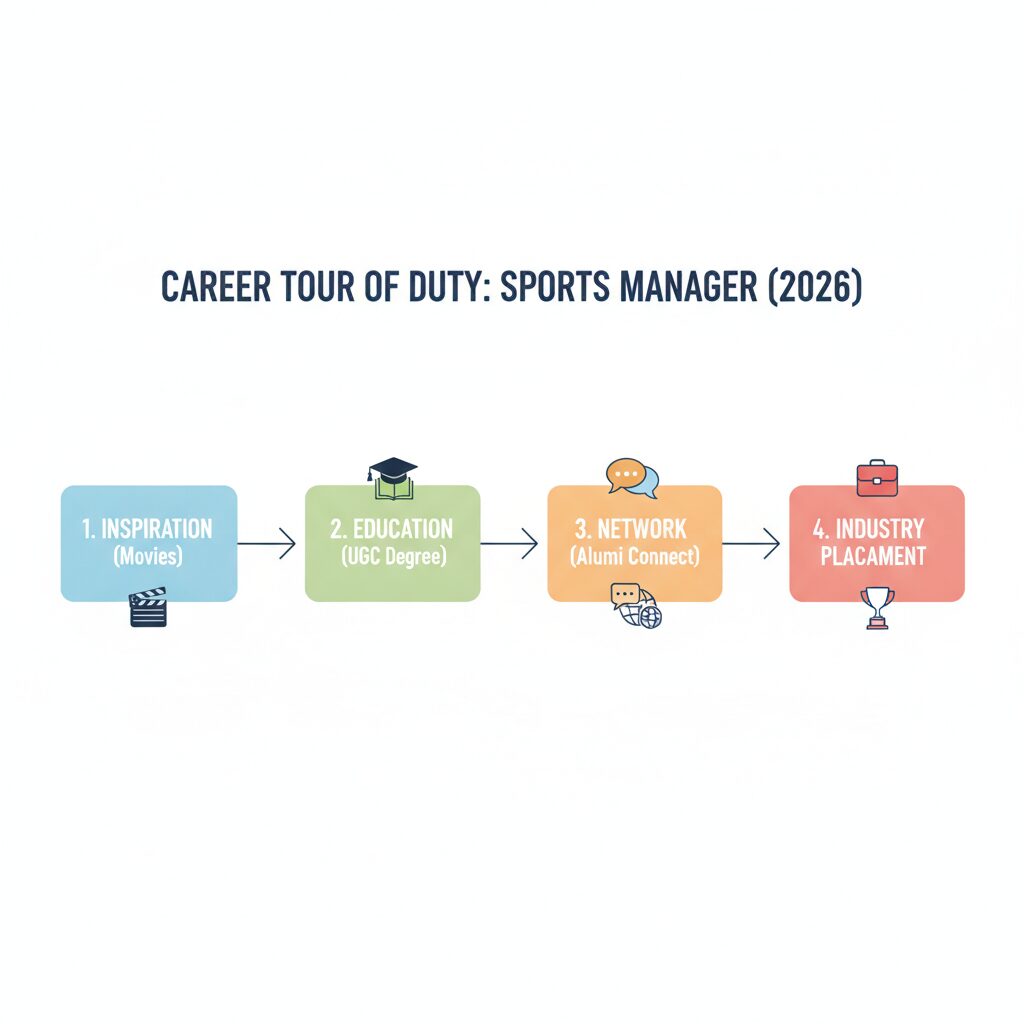
The necessity of formal sports management education
Why UGC recognized degrees matter for long-term growth
In a film, anyone can become a manager by being in the right place at the right time. That is a dangerous career strategy. In the 2026 job market, HR departments at franchises like Mumbai Indians or Bengaluru FC look for specific credentials. They want to see a BBA in Sports Management or Masters in Sports Management. A UGC recognized degree ensures your education meets rigorous standards. It provides a professional baseline that cinematic portrayals ignore, which means your resume won’t be filtered out by automated tracking systems.
Practical training at the ISST High Performance Centre
The gap between theory and practice is where most careers stall. At the ISST High Performance Centre, students engage in live exposure that no movie can replicate. You might manage a local marathon or intern during the FIFA World Cup 2026 qualifiers. The experience is hands-on. You learn how to handle a crisis when the floodlights fail or a sponsor’s branding is misprinted. These are the moments that define a manager. You learn to solve problems in real-time, under pressure, with real money on the line.
Building a network through the ISST alumni connect
Utilizing industry ties for live exposure and internships
Success in this industry is a function of your network. The ISST alumni connect links current students with professionals working in the IPL and various sports federations. Think of this as your “strategic alliance.” While movies show the lone hero, the reality is a massive web of professionals supporting each other. Getting your foot in the door often depends on who can vouch for your work ethic during a high-pressure tournament. Your network is your safety net and your growth engine.
Success stories: From movie fans to professional managers
We have seen hundreds of students who started because they loved a particular sports film. By completing a Post Graduate Diploma in Sports Management, they transformed that fandom into a paycheck. One alumnus, now a team manager for a Pro Kabaddi franchise, often notes that the job is 10% what you see in the movies and 90% solving problems before they reach the head coach. That 90% is where the value is created.
Comparing fictional scouts with real talent identification in 2026
The technology behind scouting in the Indian Premier League (IPL)
Fictional scouts travel to remote villages and find a prodigy based on one good hit. It’s a great story, but it’s not a business model. Real scouting in 2026 involves tracking thousands of data points across multiple seasons. Teams use wearable sensors and high-speed cameras to measure ball release angles and heart rate recovery. This scientific approach is a core part of Masters Programme in Sports Sciences (MPSS) training. If you cannot speak the language of data, you cannot communicate with a modern coaching staff.
Scouting efficiency has seen a 3x increase in successful talent conversion between 2025 and 2026. This shift means that sports management in Indian movies is finally catching up to the reality of sports science. For a professional, the “eye test” is just the starting point. The spreadsheet is the final word. You need both to succeed.
Frequently Asked Questions
Are the roles shown in sports administration films accurate?
They capture the emotional pressure well. However, they often ignore the administrative paperwork and logistical planning that takes up most of a manager’s day. Real roles involve heavy coordination with legal and operations teams.
What are the best sports management education programs in India for 2026?
ISST offers top-tier UGC recognized programs including BBA, MBA, and Post Graduate Diplomas. These programs are designed to combine classroom theory with live industry exposure, which means you graduate with a resume, not just a certificate.
Do I need to be a former athlete to have a career in sports?
No. Most management roles require business acumen and technical skills. While being an athlete helps you understand the locker room, formal education bridges the gap for those without a professional playing background.
How can the ISST alumni connect help me find a job in the industry?
The network provides direct access to job openings within major sports franchises. It allows you to learn from the real-world experiences of those already in the field, giving you an “insider” advantage during interviews.
What is the starting salary for a sports manager in India in 2026?
Starting salaries typically range from ₹4,00,000 to ₹8,00,000 per year. This depends on the organization and the specific role. Specialized roles in analytics or high-performance management often command even higher figures.
Is sports management a stable career choice in India?
Yes. The industry is expanding rapidly with the rise of multiple professional leagues. The 2036 Olympic bid is further driving investment into sports infrastructure, creating a long-term demand for qualified managers.
Can I study sports management via distance learning?
ISST provides distance diplomas and masters programs designed for working professionals. These programs are highly valued by industry employers in 2026 because they demonstrate a candidate’s ability to balance work and skill acquisition.
What is the role of technology in 2026 sports management?
Technology is central to everything. It powers athlete monitoring, fan engagement, and stadium operations. Modern managers must be proficient in using AI-driven analytics and digital management platforms to remain competitive.
Movies provide the spark, but professional training provides the fire. While sports management in Indian movies captures the emotion of the game, the actual industry requires technical skill and a solid educational foundation. Whether you are inspired by the leadership in 83 or the grit in Jhoongi, the path to a career in sports starts with the right qualifications. Explore the UGC recognized programs at ISST to turn your passion for films into a professional reality. Start your sports management journey today and join the network of leaders shaping the future of Indian sports. Application forms are available now for the 2026 academic session with no hidden processing fees.