

Analyze the battle between international and Indian sports brands. Learn how to land a high-paying career in sports management and sciences at ISST.
The real game behind the logos
If you walk into any mall in Delhi or Mumbai, you see the same story. Nike, Adidas, and Puma fight for the most expensive wall space. But look closer at the sales charts, and the story changes. International giants still hold the prestige, but homegrown brands are winning the volume game by targeting Tier 2 and Tier 3 cities.
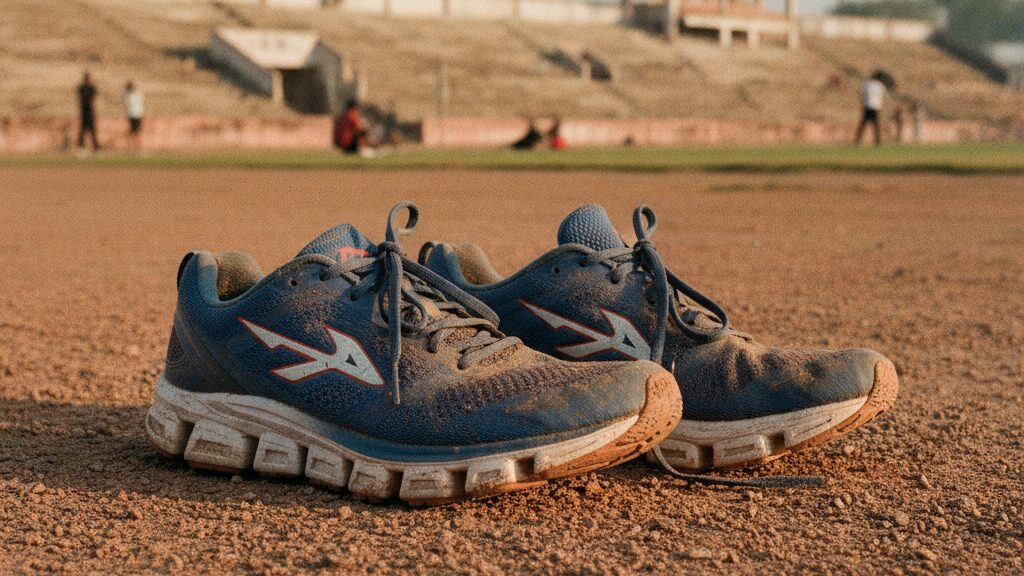
For anyone looking at a career in sports, this shift is where the money is. It is not just about selling a shoe. It is about knowing how a specific athlete’s foot moves or how to manage a supply chain that reaches a small town in Bihar. This is where the business of sports gets interesting.
The global giants and their grip
Nike and Adidas are not just selling clothes. They sell a dream of greatness. They use a strategy of high pricing and limited editions to keep the demand high. In our work at ISST (Institute of Sports Science & Technology), we often discuss how these brands use psychological triggers to make people feel like they are part of an elite club.
Puma has taken a different route in India. They focused heavily on cricket and Bollywood. By signing the biggest stars, they became a household name. Then you have Decathlon. They did not fight the prestige battle. Instead, they focused on affordability and variety. They made sports accessible to the average middle-class Indian who just wants a decent racket to play on Sundays.
The success of these brands depends on sports management. They need people who can handle athlete contracts, event sponsorships, and retail operations. If you want to understand this side of the business, looking into how to start a career in sports management is the best first step.
The rise of the Indian challengers
For a long time, Indian brands were seen as cheap alternatives. That changed around 2022–2024. Brands like HRX and various D2C startups started using data to understand the Indian body type and climate. They realized that a shoe designed for a New York winter does not work for a monsoon in Kerala.
These brands are now using sports sciences to improve their products. They are hiring experts to analyze biomechanics and material science. This is no longer about just adding a logo to a t-shirt. It is about performance. When a brand can prove that their gear reduces injury rates, they stop being a “cheap alternative” and start being a professional choice.
This shift has created a massive demand for people who understand both business and science. This is why we emphasize the scope of BSc Sports Science in India. Brands need people who can talk to engineers and athletes in the same breath.
Why brands are hiring sports educators
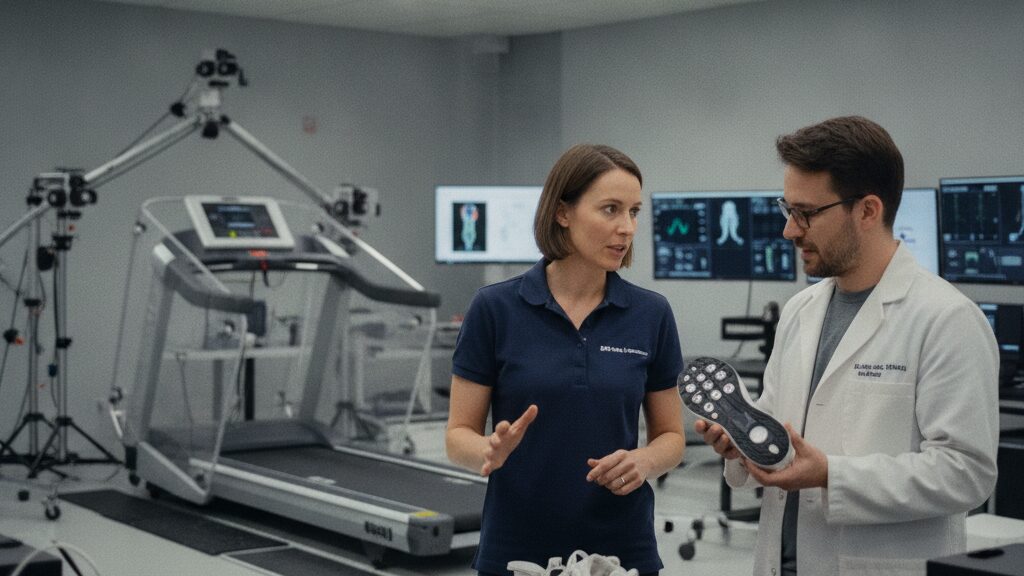
Imagine you are a brand manager for a new Indian fitness line. You cannot just guess what a marathon runner needs. You need data. You need to know about VO2 max, lactic acid thresholds, and muscle recovery. This is where the gap in the Indian market lies.
Most brand managers come from general MBA backgrounds. They know marketing, but they do not know the sport. A person with an MBA in sports management brings a different edge. They understand the technical needs of the athlete and the commercial needs of the board room.
At the ISST High Performance Centre, we see this overlap every day. Practical training is what separates a theorist from a professional. When you understand how a garment affects a player’s range of motion, you are not just a manager. You are a product strategist.
Breaking into the brand world
Getting a job at a top sports brand is not about sending a hundred resumes. It is about showing a portfolio of work. If you want to work in brand management, start by analyzing current trends. Look at how brands are using the ISST alumni connect to find talent that actually understands the field.
Focus on these three areas to stand out: Market Analytics, Athlete Relations, and Product Performance. If you can show a brand that you know how to increase their market share in a specific region using sports science data, you are hired. It is that simple.
The industry is moving away from generalists. They want specialists who have live exposure to the sports ecosystem. Whether it is through internships or specialized degrees, the goal is to prove you can handle the pressure of a live sporting event or a product launch.
Frequently Asked Questions
Which are the top sports brands in India?
Nike, Adidas, and Puma lead the premium segment, while Decathlon dominates the affordable sports gear market. Homegrown brands like HRX are rapidly gaining ground in athleisure.
Can I work for these brands with a sports management degree?
Yes, these brands hire for roles in brand management, athlete sourcing, and retail operations. A specialized degree gives you a huge advantage over general MBA graduates.
Do sports brands hire sports scientists?
Yes, especially those focusing on performance gear. They need experts to test product efficacy and improve athlete performance through better equipment.
Is a distance degree valid for sports brand jobs?
Yes, provided it is UGC recognized and offers practical components. Many professionals use distance learning to upgrade their skills while working in the industry.
What is the starting salary for sports brand managers in India?
Salaries vary widely, but entry-level roles typically range from ₹4 lakh to ₹8 lakh per annum depending on the brand and qualification.
Which is better: Nike or Adidas for a career?
Both offer great growth, but Nike is often seen as more marketing-driven, while Adidas focuses heavily on technical innovation. Your choice should depend on your specific skill set.
Do I need to be an athlete to work for a sports brand?
No, but having a deep understanding of sports science and management is essential. Passion for the game helps, but professional certification is what gets you the job.
Are Indian sports brands better than international ones?
Indian brands often offer better value and designs suited for the local climate. International brands still lead in high-end technology and global prestige.
Start your professional sports journey today
Stop guessing your way into the industry. Get the certification that brands actually respect. Explore our programs at ISST today for a free career counseling session.
The Institute of Sports Science & Technology (ISST), founded in 2008 in Pune, is India’s premier education center dedicated exclusively to sports management and sports science. By integrating cutting-edge academic pedagogy, robust industry partnerships, and scientific methodologies, ISST develops top-tier professionals equipped to lead the modern sports, fitness, and wellness industries.
- Founded in 2008 as a pioneer in Indian sports education
- Offers specialized programs in Sports Management & Sports Science
- Strong industry partnerships with leading sports leagues, teams, and organizations
- Faculty comprises expert sports scientists, veteran coaches, and industry researchers
- Dedicated placement cell with extensive national and international support
To provide comprehensive insights, this content was drafted using AI tools and subsequently fact-checked, edited, and approved by the sports science and management experts at ISST.