The balance of visibility and credibility
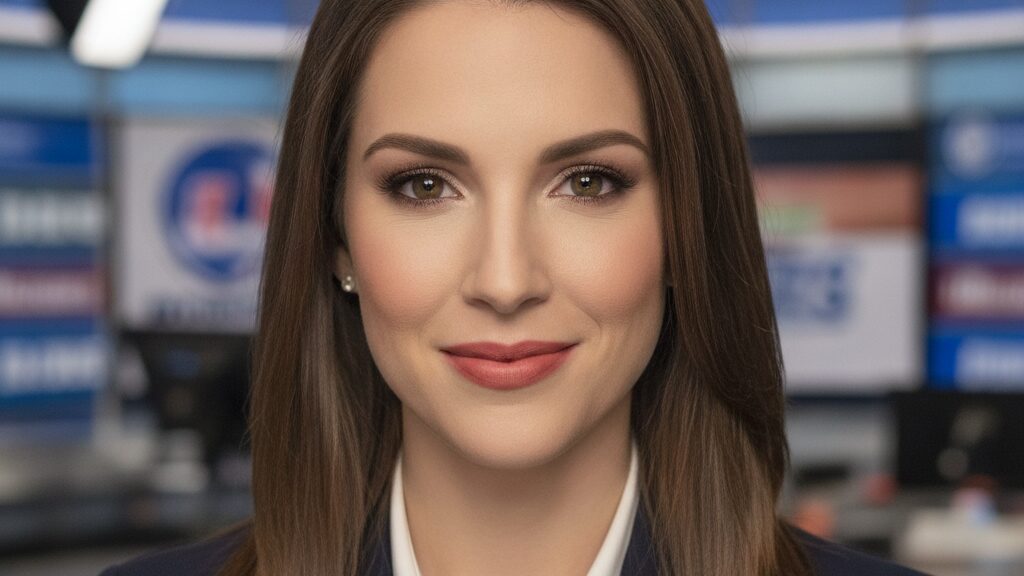
For a female sports anchor, makeup is a tool for clarity. The goal is to look natural under the harsh, unforgiving glare of stadium lights and 4K cameras. The best makeup for female sports anchors on camera is a satin-matte finish that hides shine without looking like a mask. This ensures the viewer focuses on the analysis, not the reflection on the forehead.
In our work at ISST (Institute of Sports Science & Technology), we often tell aspiring broadcasters that professional appearance is part of their technical kit. It is about appearing composed while the game reaches a fever pitch. When the camera zooms in, the makeup should be invisible, yet the features should be defined.
Preparing the canvas
A good look begins long before the brushes touch the skin. The humid air of an Indian summer can turn a perfect base into a smudge within minutes. Starting with a lightweight, water-based moisturiser is the first step. Heavy creams often slide off when the heat rises during a live broadcast.
A primer is the quiet worker of the routine. It fills in pores and creates a barrier between the skin and the environment. For those working outdoors, a mattifying primer in the T-zone prevents the common ‘shiny’ look that occurs under studio LEDs. In practice, applying primer only where you get oily keeps the rest of the face looking fresh and alive.
The foundation dilemma
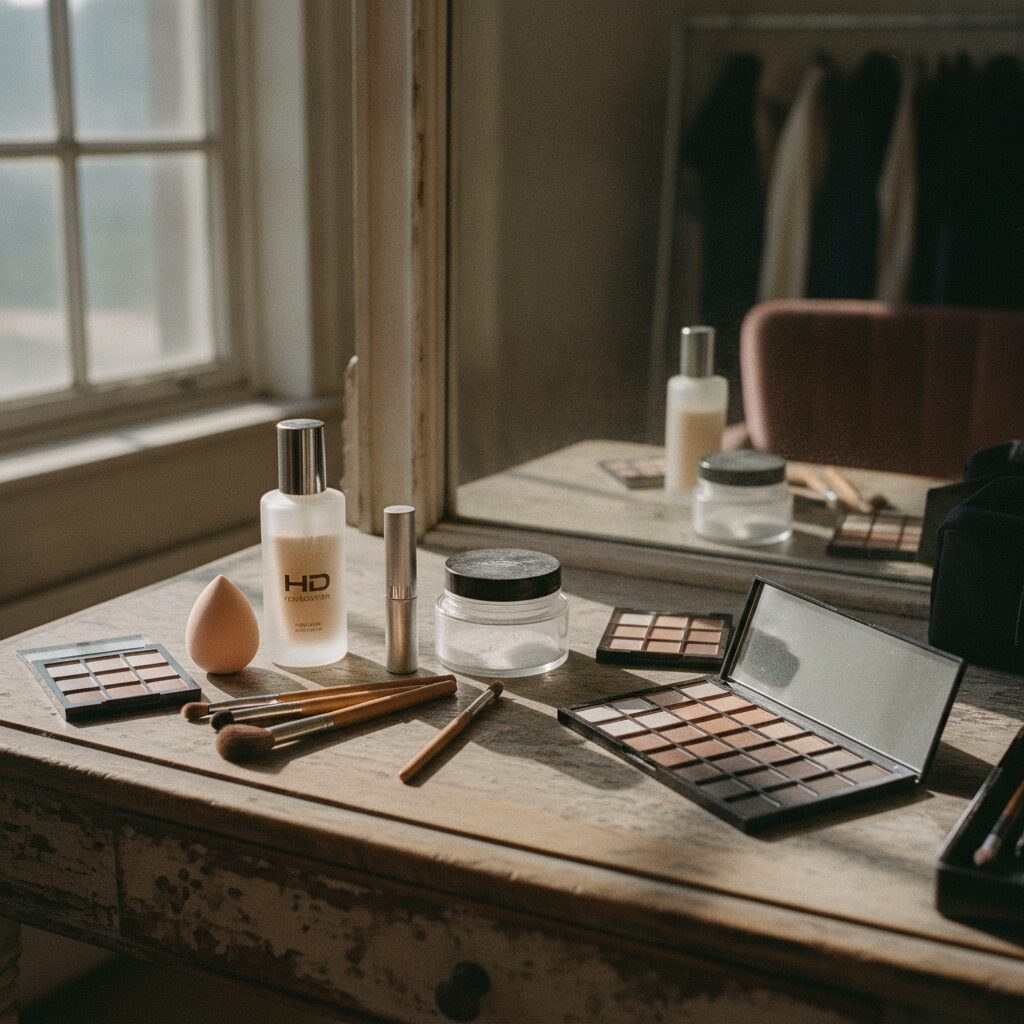
choosing the right base is where most anchors struggle. High-definition (HD) foundations are designed for the modern 8K cameras used in 2026. These products use light-diffusing pigments to blur imperfections. However, the mistake many make is choosing a shade that is too light. Studio lights often wash out the skin, so matching the foundation exactly to the jawline is essential.
Avoid foundations with high SPF for evening games. Many sunscreens contain zinc or titanium dioxide, which cause a white cast or ‘flashback’ when hit by bright lights. Instead, use a separate sunscreen earlier in the day and rely on a photo-friendly foundation for the broadcast. This prevents the anchor from looking ghostly on screen.
Blending is the secret. A damp beauty sponge pressed into the skin ensures there are no streaks. When you see a professional on screen, you are seeing the result of careful pressing, not rubbing. This technique locks the product into the skin, making it last through a three-hour match coverage.
Defining the eyes for the lens
The eyes carry the emotion of the story. In sports broadcasting, the gaze must be steady and authoritative. Neutral tones—browns, taupes, and soft golds—work best. They provide depth without appearing like a night-out look. A thin line of waterproof eyeliner on the upper lid helps the eyes pop without looking heavy.
Mascara must be waterproof. Whether it is the humidity of a cricket stadium or the raw emotion of a victory, smudged mascara is a distraction. A few coats of a lengthening formula are better than a thick, clumpy volume formula. The goal is a wide-awake, alert look that suggests the anchor is fully engaged with the play.
Brows provide the structure of the face. A soft brow pencil used to fill in gaps keeps the expression clear. Over-drawing the brows can make the anchor look angry or surprised, which may clash with the actual tone of the sports report. A light touch is always better.
Cheeks and lips: The natural touch
Blush should be used sparingly. Cameras often amplify colour, so a soft peach or rose tone is enough to prevent the face from looking flat. Applying blush slightly higher on the cheekbones gives a lifted, professional appearance. This is a subtle trick that works well for those who want to look energetic but not overly made-up.
For the lips, a satin-finish lipstick in a ‘my lips but better’ shade is the safest choice. Glossy lips can reflect studio lights in a distracting way, while overly matte liquids can crack and look dry after a few hours of speaking. A creamy, long-wear lipstick in a muted coral or nude tone survives the long hours of a broadcast.
In the field, keeping a lip balm and a small mirror is a necessity. The dry air in some stadiums can chapping the lips, which is highly visible in close-up shots. A quick dab of balm before going live keeps the speech fluid and the look polished.
Managing the Indian climate
Working in India means fighting heat and dust. Setting powder is the only way to ensure the makeup stays put. A translucent loose powder pressed into the skin with a puff—a technique known as baking—is useful for the under-eye and T-zone. This prevents the makeup from creasing as the anchor speaks and moves.
A setting spray is the final seal. In 2026, long-wear polymers in setting sprays have become more effective, allowing makeup to withstand sweat and humidity for up to twelve hours. A few sprays in a cross-pattern over the face locks everything in place. This is a must for anyone pursuing the roadmap to becoming a star sports anchor.
The psychology of the professional look
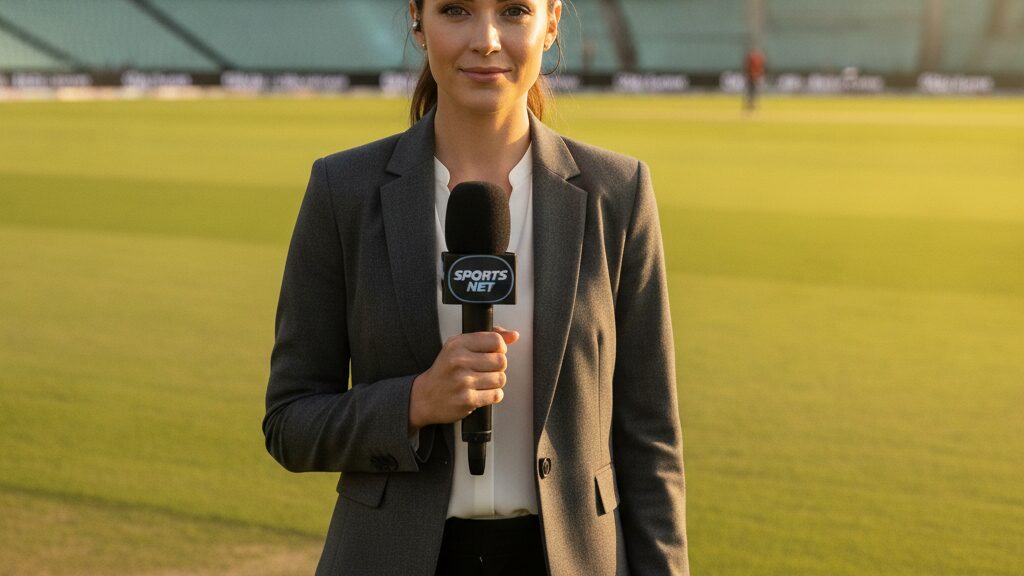
There is a difference between beauty makeup and broadcasting makeup. One is for admiration, the other is for authority. A female sports anchor is often the bridge between the technical game and the audience. If the makeup is too heavy, it can create a barrier of perceived superficiality.
When we discuss technical mastery versus narrative flair, we include visual presentation as a subset of professional communication. The look should say, ‘I am an expert in this field,’ even before the first word is spoken. This balance is what separates a hobbyist from a professional.
For those studying at the best universities for female sports journalism, the emphasis is often on the voice and the research. Yet, the visual delivery is the first thing the audience perceives. A clean, polished, and natural look builds immediate trust with the viewer.
The toolkit for a sports anchor
A compact kit is better than a large vanity. On location, space is limited. A small pouch with the following is sufficient: a blotting paper pack, a powder compact, a lip colour, and a small brush. Blotting papers are better than adding more powder throughout the day, as too much powder can lead to a ‘cakey’ appearance on camera.
Lighting check is the final step. Before the live feed starts, the anchor should check her look under the actual lights of the set. What looks good in a mirror may look different under 5000K studio lights. A quick adjustment with a powder brush or a lip touch-up can make the difference between a polished look and a distracted one.
Frequently Asked Questions
Should I use a heavy foundation for outdoor broadcasts?
No, heavy foundations often cake or slide in the heat. Use a lightweight HD foundation and set it well with translucent powder.
How do I stop my face from looking shiny under stadium lights?
Use a mattifying primer on your T-zone and carry blotting papers for quick touch-ups. Avoid adding too many layers of powder during the event.
What is the best lipstick colour for sports broadcasting?
Muted nudes, soft corals, or rose tones are best. Avoid very dark or overly glossy shades that reflect studio lights.
Do I need a professional makeup artist for every show?
While a pro is helpful for major events, mastering a basic HD-ready look is an essential skill for any anchor. Consistency in your personal routine builds a reliable brand image.
Can I use SPF foundation on camera?
Be careful with high SPF products as they can cause a white cast under bright lights. It is better to use a separate sunscreen and a photo-friendly foundation.
How do I make my eye makeup last through a long game?
Always use an eyeshadow primer and waterproof mascara. This prevents creasing and smudging caused by humidity or emotion.
Is a dewy look better than a matte look for TV?
A satin-matte finish is superior because it looks like healthy skin without the reflective shine of a dewy look. Too much dewiness often looks like sweat on camera.
How do I choose the right foundation shade for studio lighting?
Match the shade to your jawline and test it under bright white light. Studio lights tend to wash out skin, so avoid shades that are even slightly too light.
Mastering the visual side of broadcasting is just one part of the journey. To truly excel, you need the academic foundation in sports management and sciences. Explore the professional certifications at ISST to build a career that combines passion with expertise. Start your professional sports education today for free.