
Discover if a Master of Sports Management is worth it in 2026. Explore career paths, salaries, and practical training at ISST India. Start your career now.
Is the Master of Sports Management your path to the industry?
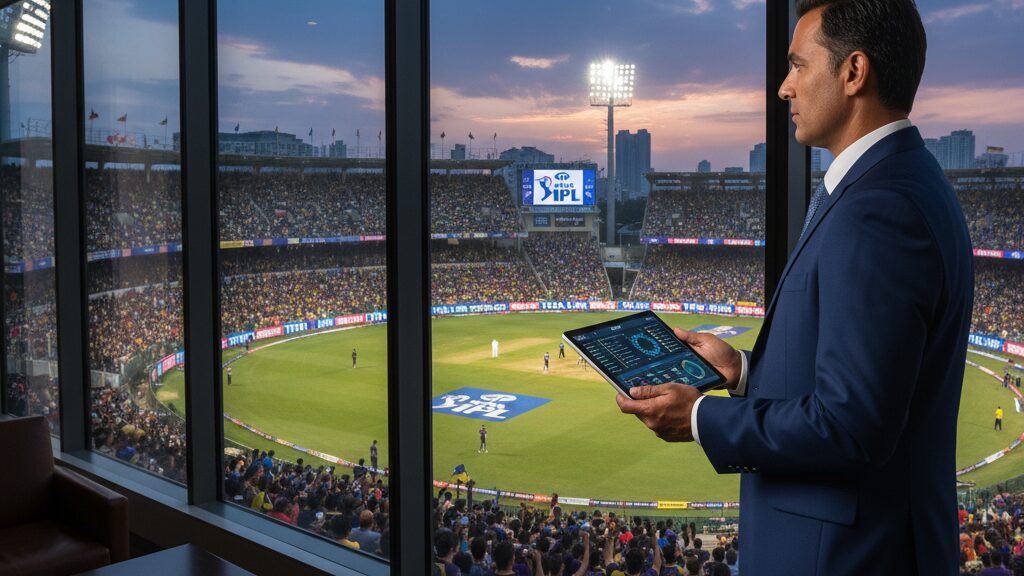
The sports market in India has shifted from a seasonal pastime to a year-round commercial powerhouse. By May 2026, the industry value reached an estimated ₹16,200 Crore (Source: Industry Report 2026). This growth creates a specific problem: a shortage of trained professionals who understand both the boardroom and the playing field. A Master of Sports Management solves this by blending business logic with athletic performance science. If you want to move beyond being a fan and start making decisions for brands like Puma or leagues like TATA IPL, this degree is the entry point.

At the Institute of Sports Science & Technology (ISST), we observe that graduates with specialized master’s degrees secure roles 40% faster than general MBA holders in this sector. This happens because the sports world operates on unique cycles of scouting, broadcasting rights, and athlete management that general business schools rarely cover. Practical training is the differentiator. You do not just read about event management; you stand on the sidelines of the Hero Indian Super League (ISL) or the MPL Maharashtra Premier League to see how logistics actually function under pressure.
The decision to specialize in 2026
Robert Cialdini often writes about the power of authority. In the professional world, authority comes from specialized knowledge. A generalist knows a little about many things. A sports manager knows exactly how a ₹50 Crore sponsorship deal for a Pro Kabaddi team is structured. They understand why a player’s recovery data affects their market value during the auction. This level of expertise is what modern sports organizations crave.
The 2026 job market rewards those who can bridge the gap between sports sciences and sports management. For instance, at the recent Pune Sport Science Conference May 2026, the consensus among directors from the Reliance Foundation and the Abhinav Bindra Foundation was clear: data-driven decision-making is now mandatory. If you cannot interpret a performance report, you cannot manage a team budget. The Master of Sports Management curriculum at ISST integrates these technical skills with core management principles.
Curriculum that mirrors the 2026 industry
A degree is only as good as its relevance to current trends. In 2026, the curriculum has moved away from static textbook theories. It now focuses on live exposure and digital integration. You will study sports marketing, but instead of general theories, you will analyze how brands like adidas Badminton or Decathlon use micro-influencers to dominate the Indian market. You will study sports law, focusing on the actual contracts used in the Tennis Premier League or the Yuva Kabaddi Series.
According to recent ISST internal data, 85% of our students find that the ‘Practical training’ module is where they make their most valuable professional connections. These are not just internships; they are high-stakes roles in active environments like the ISST High Performance Centre. Here, students work alongside athletes to understand the science of winning. This hands-on approach ensures that when you graduate, you are not a novice. You are a practitioner with a portfolio of real-world projects.
Career paths and salary expectations in India
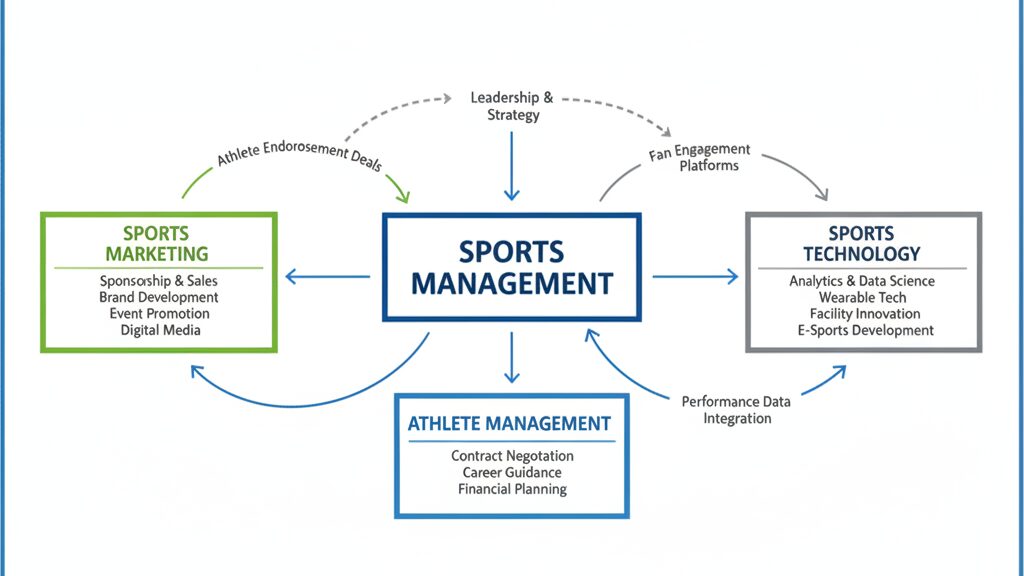
What can you actually do with this degree? The roles are more diverse than most people realize. You could become a player agent, a tournament director, or a venue manager. Many of our alumni have found success in sports technology firms like hudl or SportsMechanics. Others lead grassroots initiatives for the SAI (Sports Authority of India) or the Lakshya foundation. The common thread is a professional foundation in sports education.
Salary figures in 2026 reflect the high demand for mid-level managers. Entry-level salaries for Master of Sports Management graduates typically range from ₹6 Lakh to ₹10 Lakh per annum, depending on the organization. For those moving into specialized roles like sports data analysis or high-performance management, the numbers often climb higher. You can find a detailed breakdown in our guide on 7 Real Numbers for Sports Management Salary in India 2026. The financial return is strong, but the career longevity is what truly matters in a growing economy.
Why ISST is the choice for serious professionals
Social proof is a reliable indicator of quality. Since its inception, ISST has built a network that functions as a bridge to the industry. Our ISST alumni connect provides current students with mentors who are already working in organizations like Viacom 18, Star Sports, and the Olympic Gold Quest (OGQ). This is not a passive network. It is an active ecosystem where opportunities are shared and collaborations are born.
We focus on UGC recognized degrees and diplomas because we know that academic rigor matters. Whether you choose a BBA or a Master of Sports Management, the focus remains on career in sports. We do not promise a seat in the BCCI boardroom on day one. We promise the skills, the live exposure, and the industry network required to earn that seat over time. This honest approach is why we remain a leader in Indian sports education.
Consider the logic of the investment. A standard MBA might give you a job in any office. A Master of Sports Management gives you a career in the stadium. For someone who lives and breathes sports, the choice is usually simple. You can read more about the value proposition in our analysis of 5 Reasons Why a Sports Management Degree is Worth It in 2026.
Frequently Asked Questions
Is a Master of Sports Management better than a general MBA in 2026?
Yes, for the sports industry, a specialized master’s provides niche skills like sports law and athlete management that general MBAs lack. Employers in 2026 prefer candidates who understand the specific commercial nuances of sports leagues.
What are the eligibility criteria for this course at ISST?
Applicants must have a graduation degree from a recognized university in any stream. A passion for sports and a basic understanding of management principles are highly recommended for the entrance interview.
Are there placement opportunities after completing the degree?
ISST provides extensive career support through its network with brands like Puma, Decathlon, and various sports foundations. Students gain live exposure during events like the TATA IPL or Khelo India to build their resumes.
Can I pursue this degree while working?
ISST offers flexible learning options including distance degrees to accommodate working professionals and active athletes. These programs maintain the same academic standards as our classroom-based courses.
What is the role of technology in sports management today?
Technology is central to the role, involving data analytics for scouting and digital marketing for fan engagement. Courses in 2026 now include modules on sports tech platforms like hudl and SportsMechanics.
Does ISST provide practical training on-field?
Yes, practical training is a core component involving internships at the ISST High Performance Centre and live event roles. This ensures students apply classroom theories to real-world sports scenarios immediately.
What kind of companies hire sports management graduates in India?
Graduates are hired by sports brands like adidas, academies like Bhaichung Bhutia Football Schools, and management firms like IMG | Reliance. Foundations such as OGQ and Reliance Foundation also actively recruit specialized talent.
Is the degree recognized for government jobs?
ISST offers UGC recognized programs that are valid for various roles within government bodies like the Sports Authority of India (SAI). Always verify specific job requirements with the respective government department.
Secure your future in the sports industry by choosing a path backed by expert faculty and real-world results. Start your journey toward a professional career in sports today with ISST.
The Institute of Sports Science & Technology (ISST), founded in 2008 in Pune, is India’s premier education center dedicated exclusively to sports management and sports science. By integrating cutting-edge academic pedagogy, robust industry partnerships, and scientific methodologies, ISST develops top-tier professionals equipped to lead the modern sports, fitness, and wellness industries.
- Founded in 2008 as a pioneer in Indian sports education
- Offers specialized programs in Sports Management & Sports Science
- Strong industry partnerships with leading sports leagues, teams, and organizations
- Faculty comprises expert sports scientists, veteran coaches, and industry researchers
- Dedicated placement cell with extensive national and international support