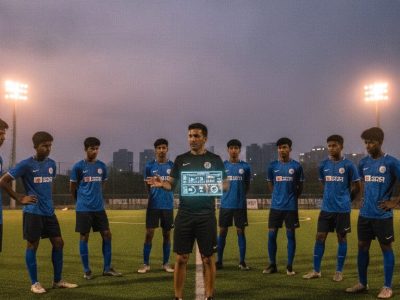
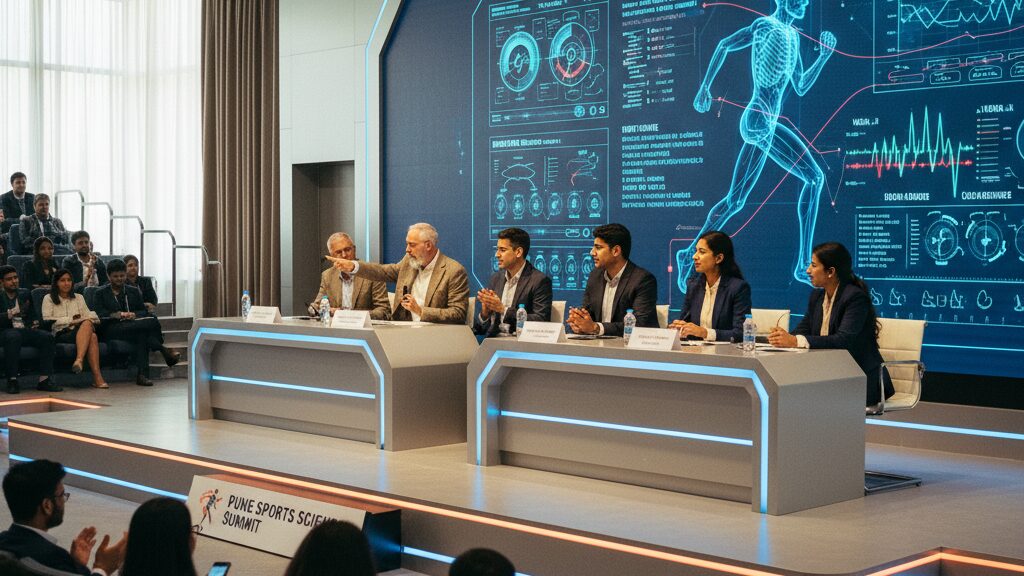
Right now, the Balewadi Sports Complex in Pune is the center of the global sports world. From May 2 to May 17, 2026, over 1,500 sports scientists, IPL performance coaches, and SAI officials have gathered for a series of high-level conferences. They are here to rewrite the playbook for Indian athletes.
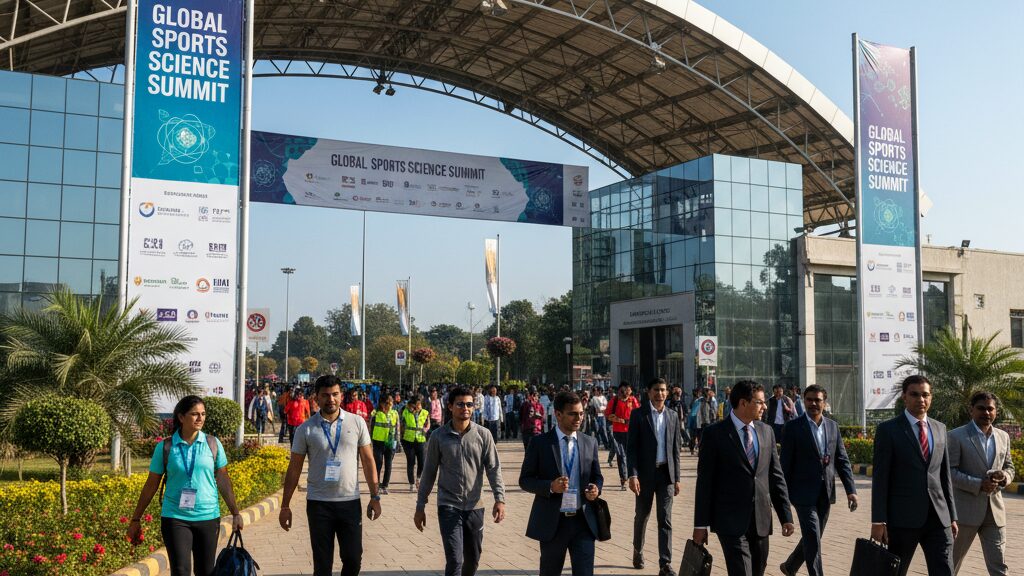
If you are a student or a professional looking to enter this field, these sessions are gold. You don’t need to be in the room to understand the shifts happening. We have tracked the key discussions from the first week to give you the practical reality of where sports science is headed in India.
1. Recovery is now more valuable than training
For decades, Indian coaching focused on ‘grinding.’ The consensus at the Pune meet is that we have hit a ceiling with high-volume training. Modern performance is now about how fast an athlete can reset. Speakers from leading European football academies shared data showing that recovery-led programs reduced soft-tissue injuries by 22% in the 2025–26 season.
In the Indian context, this means a massive demand for experts who understand sleep hygiene, cryotherapy, and neural recovery. If you are looking at a Sports Science Degree in India, focus on the recovery modules. Teams in the ISL and IPL are no longer just hiring trainers; they are hiring recovery specialists to keep their ₹10-crore assets on the field.
2. Hyper-local nutrition for Indian summer conditions
One of the most attended sessions involved nutrition protocols for the Indian summer. Generic hydration charts don’t work in 42-degree heat in Nagpur or the humidity of Mumbai. The conference highlighted how ‘sweat testing’ is becoming standard for elite cricketers. By measuring the exact salt content in a player’s sweat, nutritionists are creating custom electrolyte blends.
This is a specific career path. A fresh sports nutritionist starts around ₹3–5 LPA, but those who can manage the thermal stress of athletes in leagues like the PKL are seeing much higher offers. You can check the latest Sports Scientist Salary in India 2026 report for more on these figures.
3. Data analytics moves from the screen to the dugout
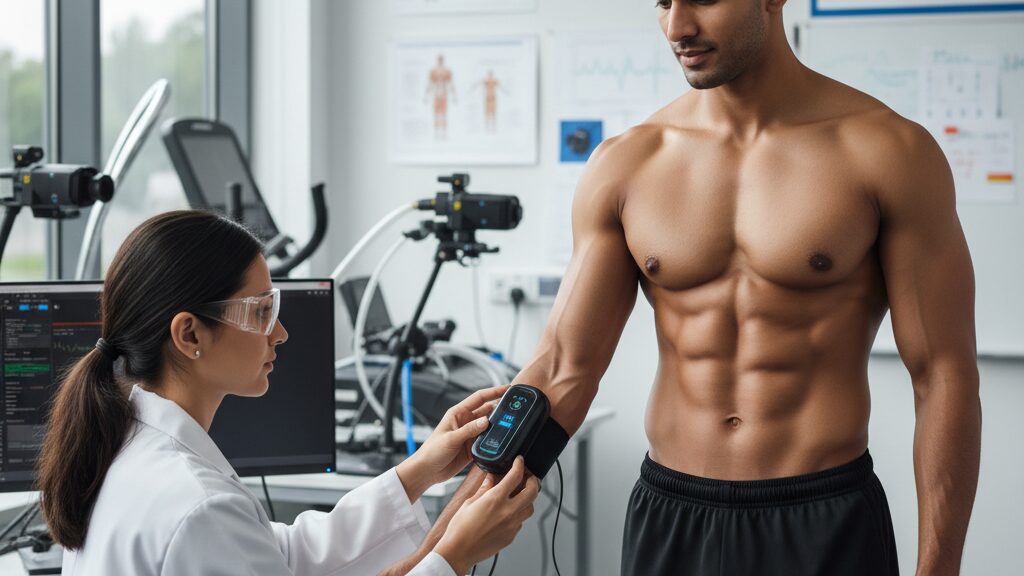
Data is no longer just for post-match reports. Real-time biometric feedback was a major theme this week. Performance analysts are now expected to provide ‘live’ suggestions during the game. For example, if a fast bowler’s stride length drops by 5% mid-spell, the analyst flags it to the coach immediately to prevent a hamstring tear.
If you have a background in BCom or BBA and want to switch to this side of the game, look at pivoting to sports management. The bridge between raw data and coaching decisions is where the high-paying jobs are in 2026.
4. The female athlete track is no longer a niche
For the first time in a Pune global conference, three full days were dedicated to female-specific physiology. Research presented by SAI-HPC experts showed that training cycles must align with hormonal health to maximize performance and prevent ACL injuries. This area is drastically underserved in India. There is a massive gap for female sports scientists who can lead programs for our growing women’s cricket and hockey teams.
5. AI is for scouting, not just ChatGPT
Most people think AI is just for writing or coding. At the Pune meet, teams showcased AI models that analyze video footage from local grassroots tournaments in rural Maharashtra. These models identify ‘natural’ movement patterns that suggest elite potential, even if the kid hasn’t had professional coaching yet. This is how the next Neeraj Chopra will be found.
Understanding these tools is vital. If you are a physical education teacher or a local coach, learning to use basic scouting software will make you 10 times more employable by top academies. It’s about moving from ‘gut feel’ to evidence-based scouting.
6. Sports science vs physiotherapy: The blur is real
A heated debate in the Balewadi halls centered on the overlap between these two roles. The takeaway? The best professionals are ‘hybrid.’ Physiotherapists are learning strength and conditioning, and sports scientists are learning basic rehab. This interdisciplinary approach is what teams want. If you are confused about which path to take, read our Sports Science vs Physiotherapy 2026 guide to see where you fit best.
7. Mental conditioning is the 1% gain
The final takeaway is the focus on ‘cognitive load.’ Athletes are under more pressure than ever due to social media and massive franchise contracts. The conferences emphasized ‘brain training’—using VR and specialized software to improve decision-making speed under fatigue. This isn’t just sports psychology; it’s neuro-science applied to the cricket pitch.
Frequently Asked Questions
What is the main focus of the Pune Sports Science Conference 2026?
The conference focuses on bridging the gap between global technology and Indian ground realities, specifically in recovery, nutrition, and AI-driven scouting. It aims to standardize high-performance protocols across all SAI centers and professional leagues.
Can students attend these global conferences in Pune?
Yes, most sessions offer student passes at a discounted rate, especially for those enrolled in recognized sports management or science programs. It is an excellent way to network with IPL performance directors and international researchers.
Do I need a science background to work in sports science?
While a science background helps, many roles in performance analysis and sports technology welcome students from BCA, BBA, or engineering backgrounds. Specialized PG diplomas can help bridge the knowledge gap for these technical roles.
What is the starting salary for a sports scientist in India in 2026?
Entry-level sports scientists usually start between ₹3.5–5 LPA in private academies or fitness chains. With 3–5 years of experience in professional leagues like the ISL or IPL, salaries can scale to ₹12–18 LPA.
Are these takeaways applicable to grassroots sports?
Absolutely. Principles like proper hydration, recovery cycles, and basic movement analysis can be implemented at the school level with minimal cost. The goal is to improve athlete longevity from the age of 12 onwards.
Which Indian cities have the best job markets for sports science?
Pune, Mumbai, and Bengaluru are currently the top hubs due to the concentration of sports academies and franchise headquarters. Delhi and Hyderabad are also growing rapidly with new SAI high-performance centers.
Is a sports science degree better than a general PE degree?
A sports science degree is more specialized and often commands higher salaries in professional setups. Physical Education is broader and better suited for school teaching and grassroots administration roles.
How can I stay updated on the Pune conference outcomes?
You can follow the official ISST blog and our social media channels for daily summaries. We provide a breakdown of the technical sessions into practical career advice for Indian students.
This International Conference on Sport Science Pune May 2026, take the first step toward your career by aligning your skills with these global trends with ISST. Whether you are a 12th pass student or a graduate looking for a change, the sports industry in 2026 has a place for you. Book a free counselling session today to find your roadmap.