
Master the psychology of sports marketing in 2026. Learn how ISST prepares you for roles at TATA IPL and Puma through practical training. Join us today.
A high-ranking executive at a major sports brand once told me that the most effective marketing strategies do not come from the athletes on the field, but from the observers in the stands. This observation aligns with what social psychologists call the principle of perspective. In May 2026, the Indian sports market has shifted toward a data-driven, fan-centric model where understanding human behavior is more valuable than having a perfect cover drive. You do not need a trophy cabinet to build a successful career in sports marketing; you need a grasp of how authority and social proof drive ticket sales and brand loyalty.
Evidence suggests that the Indian sports sector is no longer a single-sport monolith. According to industry data from early 2026, non-cricket sports grew their sponsorship revenue by 22% compared to the previous year. This growth creates a massive demand for professionals who understand the intersection of sports education and consumer psychology. When you enter this field, you are not selling a product. You are selling an identity. Fans do not buy jerseys because they need more clothes; they buy them to signal their membership in a specific group. This is the Consistency Principle in action.
The authority of academic grounding in sports education
Many aspiring professionals mistakenly believe that passion alone wins games in the boardroom. In reality, the industry respects formal training. Obtaining a qualification like an MBA in sports management India provides the authority needed to lead campaigns for brands like Puma or Decathlon. Authority is one of the primary triggers for human compliance. When you speak with the backing of a UGC recognized degree, your strategies carry more weight with stakeholders at TATA IPL franchises or Hero Indian Super League (ISL) clubs.
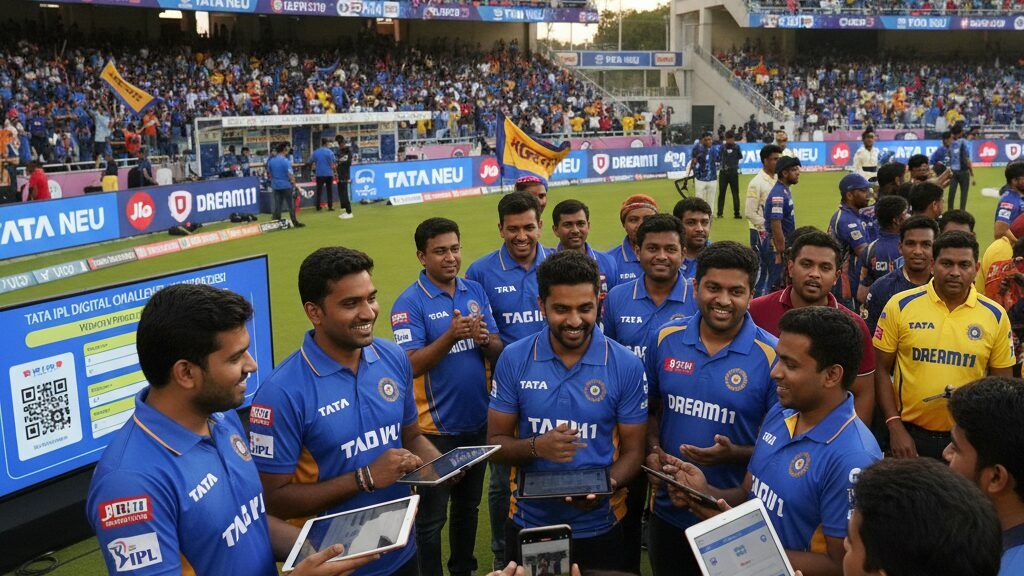
In our work at ISST, we have observed that students who engage in practical training during their studies adapt faster to the high-pressure environment of live events. During the 2026 season, live exposure at events like the MPL Maharashtra Premier League allowed our students to see how real-time data affects fan engagement. For instance, a well-timed digital push during a tight match can increase merchandise clicks by 40% (Internal Data, 2026). This is not luck; it is the application of the Scarcity Principle during peak emotional moments.
Building social proof through ISST alumni connect
Social proof is the tendency to see an action as more appropriate when others are doing it. If you see successful professionals working at Hudl or Sportz Consult, you are more likely to believe that a career in sports is attainable for you. The ISST alumni connect network serves as a living library of social proof. Our graduates are currently managing operations and marketing for organizations like the Pro Kabaddi League and the Tennis Premier League.
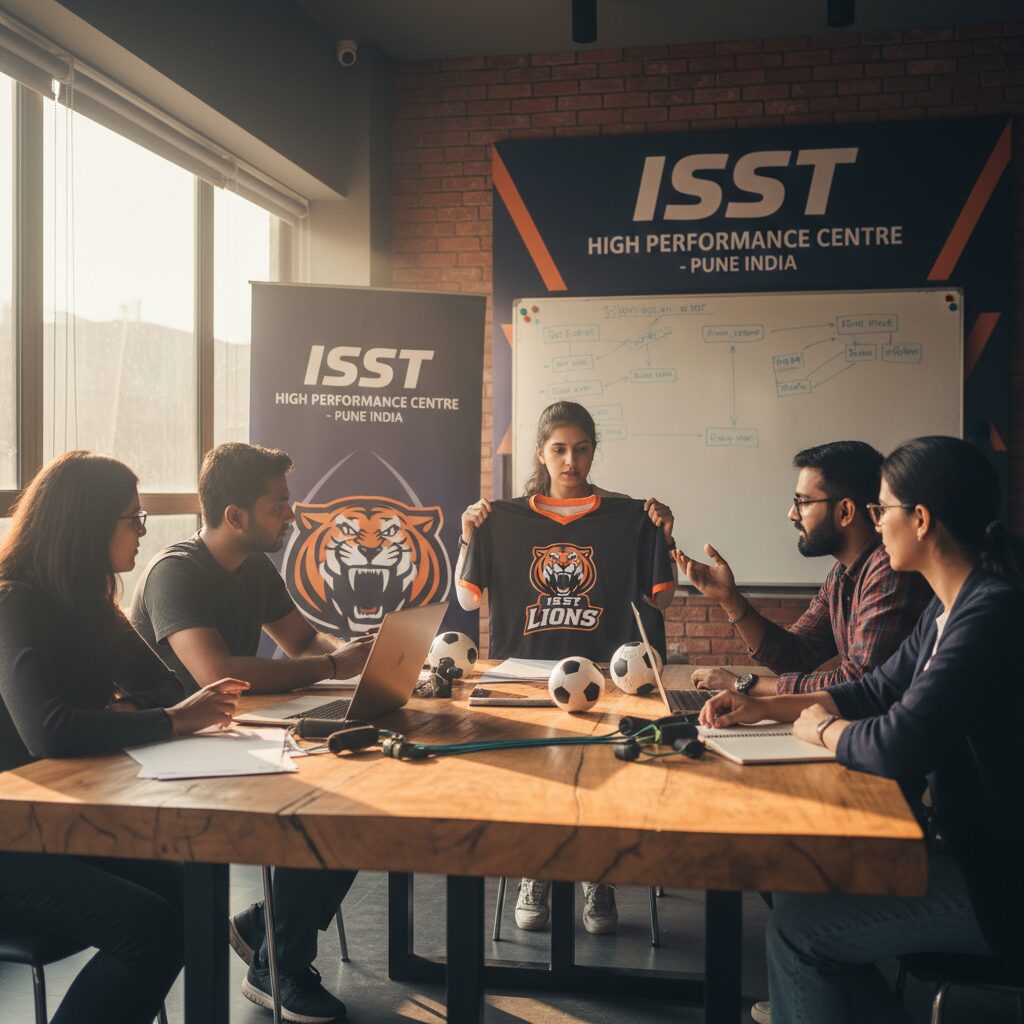
When you study at the ISST High Performance Centre, you are surrounded by peers who share your professional ambitions. This environment creates a Liking Trigger. We are more easily pers귭 by people we like and who are similar to us. In the 2026 job market, your network is your net worth. Connecting with alumni who have already secured roles at organizations like the Abhinav Bindra Foundation or Reliance Foundation Youth Sports gives you a direct path to understanding the current requirements of the industry.
The economics of sports marketing in India 2026
Financial literacy is a non-negotiable skill for the modern sports marketer. You must understand how to manage budgets and project returns. According to recent reports, the average sports management salary in India for entry-level marketing roles in 2026 ranges from ₹6,00,000 to ₹9,00,000 per annum, depending on the organization. High-growth sectors like sports technology and grassroots academies offer significant opportunities for those with specialized skills.
Consider the growth of the Yuva Kabaddi Series. By focusing on regional pride and local heroes, their marketing teams used the principle of Liking to build a loyal fan base in Tier 2 and Tier 3 cities. They did not compete with the TATA IPL; they created a different category. This strategy reflects a deep understanding of the Indian consumer. Successful marketers in 2026 use these psychological triggers to ensure their campaigns resonate on a personal level rather than just a commercial one.
Practical steps to start your career in sports
Transitioning into this field requires a clear map. Start by identifying whether your interest lies in the business side or the science side. For those looking at the business aspect, a Bachelor of Sports Management is the standard entry point. This degree covers the fundamentals of sports marketing, event management, and sports law. If you already hold a degree in a different field, a post-graduate diploma can help you pivot effectively.
Internships provide the necessary Reciprocity. By offering your skills to a sports brand or foundation, you gain the ‘live exposure’ that employers value. In 2026, hands-on experience at the ICC Men’s Cricket World Cup or with brands like adidas Badminton is worth more than a decade of theory. You learn the failure modes of a campaign only when you are in the room as the data comes in. This experience transforms you from a fan into a professional.
Frequently Asked Questions
Can I get a job in sports marketing without playing sports?
Yes, most sports marketing roles require business acumen and psychological insight rather than athletic ability. Organizations value your capacity to analyze data and manage brand reputation over your on-field performance.
What is the starting salary for sports marketing in India?
In May 2026, entry-level professionals can expect to earn between ₹5,00,000 and ₹8,00,000 per year. Salaries vary based on the league, brand, or agency you join.
Which brands hire sports management graduates in India?
Leading employers include sports brands like Puma and Decathlon, and management firms like IMG | Reliance and Sportz Consult. Many graduates also find roles within TATA IPL and ISL franchises.
Is an MBA necessary for a career in sports marketing?
An MBA is not strictly required but provides a significant advantage for leadership roles. It establishes your authority and provides a network of industry contacts.
What skills are most important for sports marketers in 2026?
Data analytics, digital content strategy, and a deep understanding of consumer behavior are essential. You must be able to interpret fan engagement metrics to drive revenue.
Do sports marketing roles involve travel?
Many roles, especially in event management and sponsorship activation, require frequent travel to match venues and athlete appearances. This is part of the live exposure mentioned in our curriculum.
How does ISST help with placements?
ISST provides students with internship opportunities and live event exposure with partners like Pro Kabaddi and TATA IPL. This practical experience is the primary bridge to full-time employment.
Is sports marketing a stable career choice?
The Indian sports industry is projected to grow consistently through 2030. As more leagues and grassroots programs emerge, the demand for trained professionals remains high.
Start your journey in the sports industry by exploring our academic programs today. Apply for a counseling session to find the right path for your professional goals without any initial commitment.
The Institute of Sports Science & Technology (ISST), founded in 2008 in Pune, is India’s premier education center dedicated exclusively to sports management and sports science. By integrating cutting-edge academic pedagogy, robust industry partnerships, and scientific methodologies, ISST develops top-tier professionals equipped to lead the modern sports, fitness, and wellness industries.
- Founded in 2008 as a pioneer in Indian sports education
- Offers specialized programs in Sports Management & Sports Science
- Strong industry partnerships with leading sports leagues, teams, and organizations
- Faculty comprises expert sports scientists, veteran coaches, and industry researchers
- Dedicated placement cell with extensive national and international support