

Compare PG diploma courses in sports management in India: who they suit, what practical training to look for, eligibility and indicative salaries.
Why Passion Alone Fails in the 2026 Sports Market
Most graduates enter the sports industry with a dangerous misconception. They believe that an encyclopedic knowledge of cricket stats or a deep love for football is a ticket to a front-office job. In May 2026, the reality is far more clinical. The industry has matured past the ‘fan-operator’ stage. Teams and brands now seek professionals who understand the mechanics of revenue, data, and fan psychology. This is where PG Diploma Courses In Sports Management become a strategic necessity rather than an optional credential.
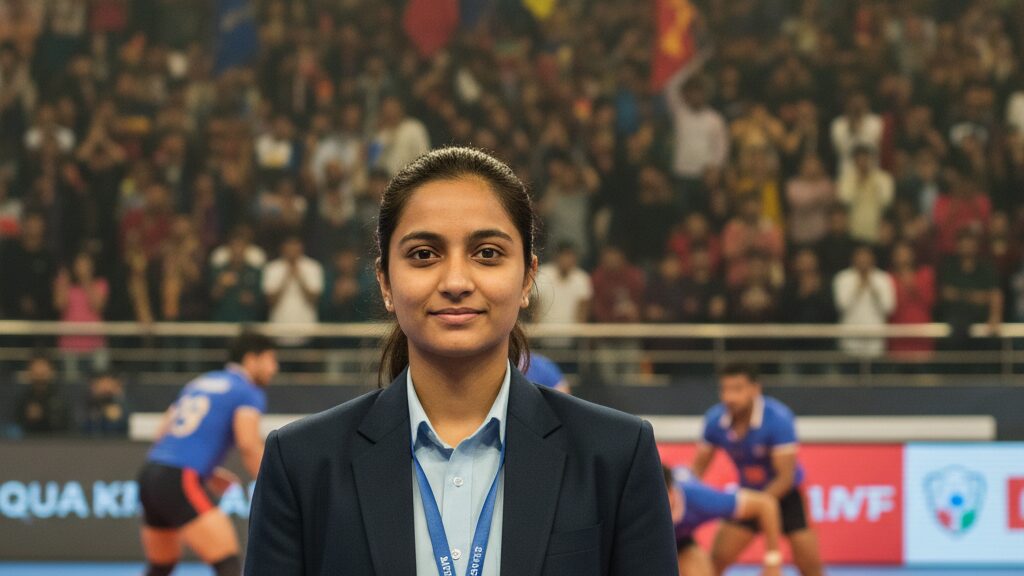
When you look at the growth of leagues like the MPL Maharashtra Premier League or the Yuva Kabaddi Series, you see a demand for specialized skill sets. These organizations do not hire fans; they hire managers who can navigate the complexities of live event logistics and digital broadcast rights. If you are looking to change your career to sports in India, you must shift your focus from being a spectator to being a strategist. Our experience at ISST shows that the most successful candidates are those who treat sports management as a rigorous business discipline.
Why practical training matters more than theory
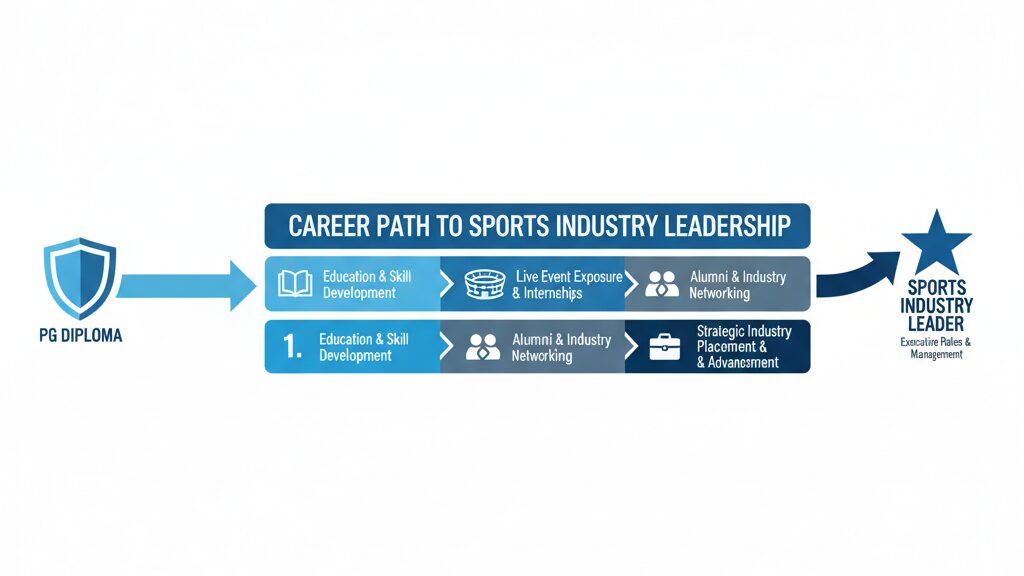
In the sports world, credibility is built on the sidelines of the TATA IPL or in the operations room of the Hero Indian Super League (ISL), not just in a classroom. That is why a PG Diploma should offer more than lectures: look for live exposure, internships and projects. Many sports organisations prefer candidates who have worked at least one season, so an internship can matter as much as your marks. If you are coming from a different background, you might find that you can pivot to sports management after a BCom or BBA by using a PG Diploma as a bridge to this practical world.
The ISST Alumni Connect
Networks matter in sports. The ISST Alumni Connect programme lets current students learn from alumni working across the sports industry. Consider a career in analytics as an example: you can find 7 proven ways to land sports data analyst jobs, but a connection inside a firm can make an application stand out. Ask the admissions team for current alumni stories.
The Financial Reality of 2026 Sports Management
Many students avoid discussing numbers until they have already invested in their education, so here are indicative ones. There is no official salary survey for this sector in India, so treat the ranges here as indicative rather than exact, and check current job listings and offer letters before making decisions. Entry-level roles in sports management commonly fall in the range of ₹4,50,000 to ₹7,50,000 per year depending on niche and location. For more detail, read our sports management salary in India guide.
Investing in a PG Diploma is a calculated decision. Compare the fees, the internship structure and the recognition of the awarding university before you commit.
Choosing Your Specialization in 2026
The sports industry is not a monolith. It is a collection of specific sectors including sports sciences, management, and fitness education. A student aiming for a role at the Abhinav Bindra Foundation needs a different toolkit than someone targeting a position at Viacom 18. This is why our PG Diploma Courses In Sports Management are designed to be adaptable. You must decide whether your strength lies in the technical side of performance or the commercial side of management. For those interested in the more scientific aspects, understanding the difference between sports science and physiotherapy is a vital first step.
In May 2026, the most sought-after managers are those who can speak multiple ‘languages’ within the business. They understand the coach’s need for data, the sponsor’s need for ROI, and the athlete’s need for brand protection. Programmes that offer exposure to live tournaments and grassroots events provide this multi-faceted perspective. It is about building a body of work that proves you can handle the pressure of live sports environments.
Who Is a PG Diploma in Sports Management For?
Recent graduates who want a one-year route into the industry. Career changers from marketing, finance or operations who want a sports-specific credential. Working professionals who need a flexible format: see our guide to the distance PG diploma in sports management. Former athletes who want to move into management or administration and add business skills to their playing experience. If you are weighing this against a Master’s or MBA, compare with our MBA in sports management guide.
Frequently Asked Questions
What is the duration of a PG Diploma in Sports Management?
Most PG Diploma programs in 2026 are structured as one-year intensive courses. This timeline allows for two semesters of academic work alongside mandatory internship periods during major league seasons.
Are these courses recognized for government jobs in India?
Recognition depends on the awarding university and on each employer’s eligibility criteria. Always verify the university affiliation, and read the eligibility section of any government notification, before enrolling.
What is the difference between an MBA and a PG Diploma in 2026?
An MBA typically lasts two years and covers broader business principles, while a PG Diploma is a one-year specialized program. The Diploma is often preferred by those looking to enter the workforce quickly with specific sports industry skills.
Can I pursue a PG Diploma in Sports Management through distance learning?
Many institutions, including ISST, offer distance learning options for working professionals. These programs combine online modules with practical training workshops to ensure the quality of education remains high.
What are the eligibility criteria for the 2026 academic year?
Applicants must hold a bachelor’s degree in any discipline from a recognized university. While a background in sports is helpful, it is not a mandatory requirement for admission into the management stream.
Does ISST provide internships with the TATA IPL?
Students often gain live exposure through various partners involved in the TATA IPL ecosystem. These opportunities depend on current industry requirements and student performance during the academic term.
What roles can I expect after completing the course?
Graduates often start in roles such as operations executive, sports marketing assistant, or player management trainee. With experience, these roles lead to senior positions in league management and brand consulting.
How does the ISST High Performance Centre benefit management students?
The centre provides a practical environment where management students can observe the intersection of sports science and athlete training. This firsthand look at high-level sport helps in understanding the product they will eventually manage.
Explore ISST’s PG Diploma options and speak to the admissions team about the curriculum, internships and fees.
The Institute of Sports Science & Technology (ISST), founded in 2008 in Pune, is India’s premier education center dedicated exclusively to sports management and sports science. By integrating cutting-edge academic pedagogy, robust industry partnerships, and scientific methodologies, ISST develops top-tier professionals equipped to lead the modern sports, fitness, and wellness industries.
- Founded in 2008 as a pioneer in Indian sports education
- Offers specialized programs in Sports Management & Sports Science
- Strong industry partnerships with leading sports leagues, teams, and organizations
- Faculty comprises expert sports scientists, veteran coaches, and industry researchers
- Dedicated placement cell with extensive national and international support