

- Tactical analysts use video tagging tools to capture real-time match data that coaches utilize for tactical substitutions during halftime breaks.
- Logistics managers coordinate transit, specialized diets, hotel room allocations, and equipment for traveling franchise parties of up to thirty people.
- Franchise commercial operations staff fulfill sponsor contracts through in-stadia branding, jersey logo positioning, fan engagement stalls, and hospitality lounges.
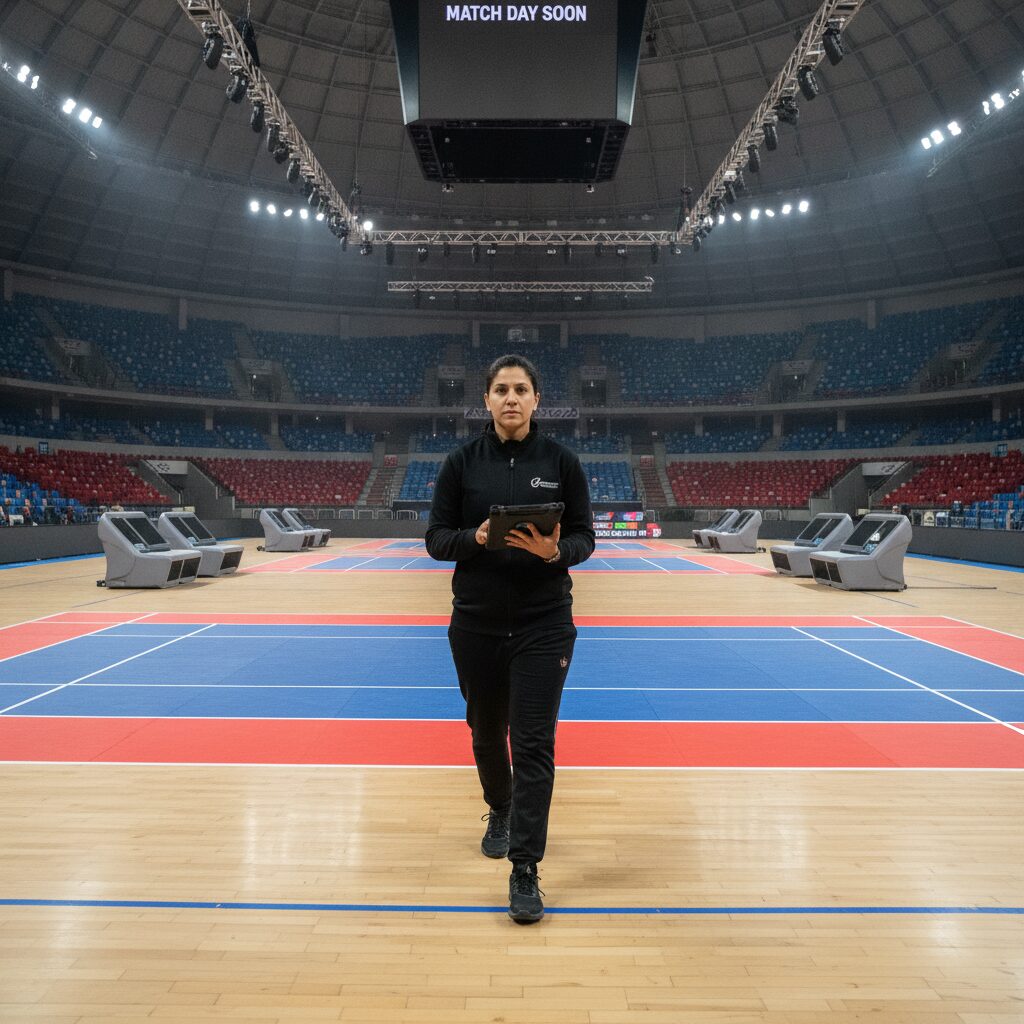
- Operations coordinators support high-performance squads by tracking player wellness scores, scheduling physiotherapy, and managing medical and anti-doping documentation.
The operational machinery behind Pro Kabaddi League franchises
Most sports enthusiasts watch the Pro Kabaddi League (PKL) from television screens or grandstand seats, fixated on 30-second raids and ankle holds. They assume team success depends entirely on coaching decisions and athlete reflexes on the mat. The operational truth is that professional kabaddi teams function because of a synchronized back-office engine managing multi-city travel legs, video analysis, equipment distribution, and sponsor obligations.
During the October PKL regular season, the frenzy around franchise management reaches its peak. Franchises operate on relentless 72-hour turnaround cycles across host cities, turning team operations into one of the fastest-growing professional employment sectors in Indian sport. Entering these operational tracks requires specialized sports education, clear process discipline, and an understanding of live tournament pressure.
Mat-side performance analysis and tactical data capture
Modern kabaddi matches turn on single-point decisions. A raider crossing the baulk line or a defender stepping out of bounds changes the entire tactical script. Behind the head coach sits a tactical operational unit tracking every movement through video tagging software and real-time notation tools. Platforms such as hudl and SportsMechanics allow team analysts to code raid trajectories, tackle success ratios, and chain-tackle response speeds within seconds of play.

In our work at ISST (Institute of Sports Science & Technology), we prepare students to handle this exact pressure through hands-on technical labs. A tactical analyst inputs data points such as the raider approach angle, the specific defender targeted in the corner, and defensive recovery times. By the time the fifteen-minute halftime break arrives, the back-office tactical team produces a concise summary report showing which defensive zones conceded bonus points. Coaches use these clear data points to make tactical substitutions, proving that mat-side data capture directly influences match results.
Candidates pursuing a sports analytics course in India or training through a Distance Diploma in Sports Analytics (DDSA) build the precise analytical frameworks needed to interpret these rapid data feeds during high-stakes league fixtures.
Multi-city caravan logistics and team transit coordination
The Pro Kabaddi League caravan format presents unique operational demands. Unlike leagues with fixed home-and-away weekends, PKL franchises move squads, medical teams, training equipment, and support personnel through a continuous circuit across India. A single franchise traveling party includes up to 30 people, demanding systematic logistics coordination.
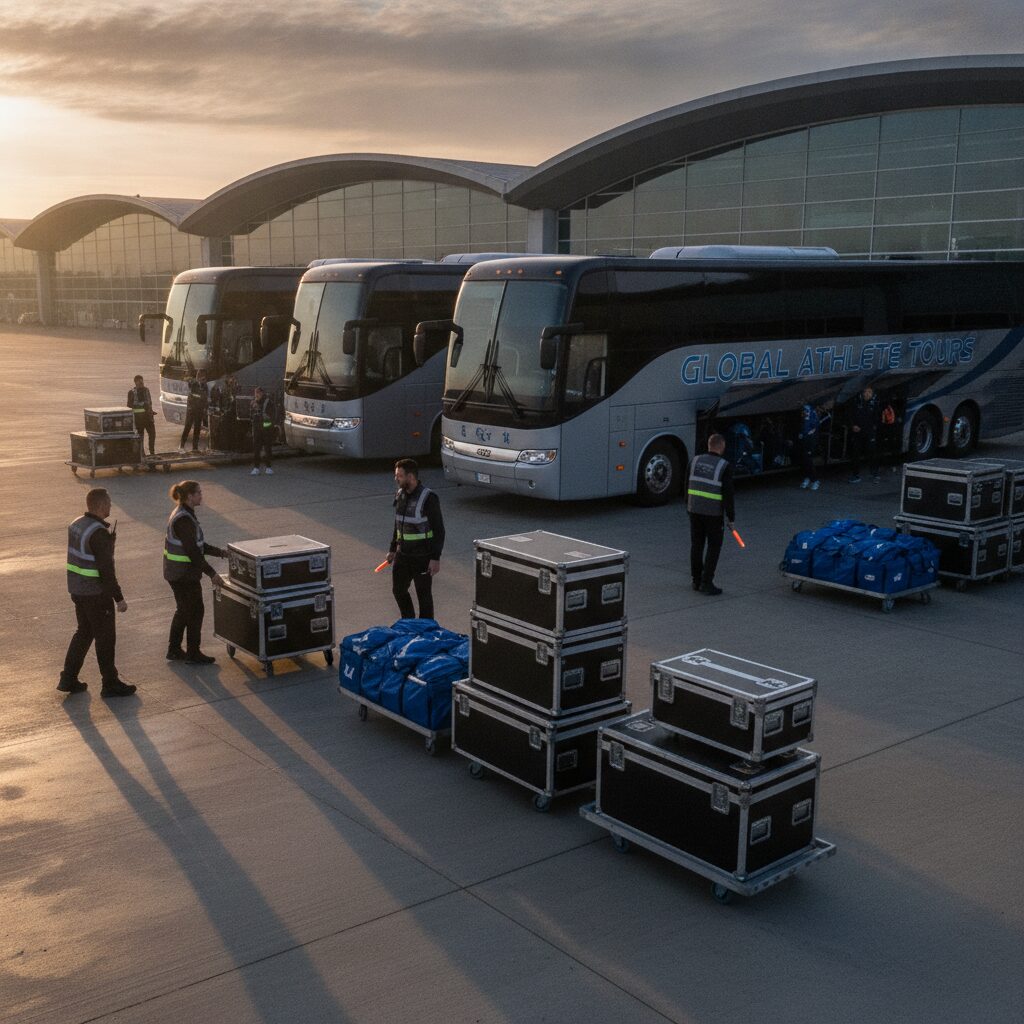
Operational managers organize secure air transit, chartered bus routes with police liaisons, specialized dietary requirements with team hotel kitchens, and room allocations that separate offensive and defensive units for scouting sessions. When a flight gets delayed or an entire gear container goes missing during transfer, the logistics manager resolves the problem before practice sessions start. Equipment managers coordinate training mats, ice baths, recovery boots, and practice jerseys so that players step directly into a fully prepared high-performance setup.
Students who complete a BSc in Sports Management or an MBA in Sports Management learn vendor negotiation, tournament risk management, and transport routing schedules that keep squads focused purely on competition.
Local brand activations and commercial sponsor fulfillment
While the sports science staff monitors athlete fatigue, the franchise commercial operations desk fulfills corporate sponsor agreements across local host cities. Each franchise relies on multi-tiered commercial contracts that require precise in-stadia branding, jersey logo positioning, digital fan zone engagements, and mat-side perimeter LED boards. A missed brand deliverable can result in financial penalties or lost renewal deals.
Franchise operations personnel direct local fan engagement stalls, coordinate player appearances for promotional shoots, manage hospitality lounges for sponsor delegates, and monitor perimeter boards during televised matches. Operating in local markets requires team staff to interact directly with regional fan groups, local municipal authorities, and media outlets. This dynamic environment rewards professionals who pair clear communication skills with commercial acumen.
Sports science and high-performance squad management
The physical toll of kabaddi is extreme. Athletes endure high-impact collisions, repetitive rotational knee torque, and rapid lateral deceleration throughout the season. Back-office operational roles bridge the gap between high-performance conditioning teams and team management. Coordinators manage session scheduling, physiotherapy appointment calendars, and regular load-monitoring logs.
At the ISST High Performance Centre, athletes and students study sports science methods that mirror professional team routines. Operations coordinators track player sleep indices, subjective wellness scores, and daily hydration markers. When physical therapists identify muscular micro-trauma, operations personnel quickly book local diagnostic imaging facilities, process insurance authorizations, and report status updates to the head coach. Managing medical documentation and anti-doping protocol records requires methodical paperwork and thorough regulatory knowledge.
Graduates entering sports sciences understand how load management and recovery schedules preserve franchise roster value across grueling multi-week campaigns.
PKL franchise operations career roles: skills and entry pathways
Securing a back-office or tactical position within a premier kabaddi franchise requires structured sports education paired with practical event experience. Sports management is an applied business discipline that values verified execution above abstract theory. Franchises hire professionals who handle logistics spreadsheets, understand league regulations, and remain calm under live broadcast pressures.

Building a credible resume requires targeted educational credentials and genuine event exposure:
- Earn a UGC recognized degree such as a classroom BSc Sports Management, an MBA in Sports Management, or a specialized sports science qualification.
- Complete technical modules covering tournament operations, data management, sponsorship servicing, and athlete management.
- Gain practical training through a verified Pro Kabaddi League internship or assignments at leagues like the Tennis Premier League, Yuva Kabaddi Series, and Khelo India.
- Build proficiency with operational software such as team travel management systems, video coding platforms, and digital inventory spreadsheets.
- Network through professional mentorship initiatives like the ISST alumni connect to learn direct recruitment timelines for franchise back offices.
Franchises often select operational trainees who demonstrated reliable performance during grassroots tournaments, regional state championships, or institutional sports leagues.
Building a sustainable career in sports management
Franchise operations offer a clear progression path. Young professionals typically start as operations coordinators, kit room assistants, or junior analysts before moving into team operations management, director of cricket or kabaddi operations, and franchise general management. According to industry hiring trends observed in Indian domestic leagues, operational staff who master cross-departmental coordination advance faster into decision-making roles.
Aspiring professionals must develop versatility. When you can review a player contract, audit a hospitality lounge sponsor deliverable, and organize a police escort for a team bus on the same afternoon, you become irreplaceable to franchise executives. Understanding the commercial mechanics of Indian sport opens long-term avenues beyond single tournaments, creating durable employment across leagues, federations, and sports marketing agencies.
Frequently Asked Questions
What does a kabaddi team operations manager do?
An operations manager handles squad transit logistics, training camp scheduling, hotel hospitality, and equipment distribution. They also coordinate directly with league officials to ensure total compliance with tournament guidelines.
Which degree helps you enter PKL franchise operations career roles?
A UGC recognized degree such as a BSc in Sports Management or an MBA in Sports Management provides foundational training. Supplementary diplomas in sports analytics or sports science give candidates additional tactical advantages.
How do analysts collect mat-side data during kabaddi matches?
Tactical analysts use specialized video tagging software such as hudl and proprietary notation templates to log raid success, tackle points, and spatial movements. This structured data generates halftime reports and post-match performance reviews.
Can high school graduates prepare for sports operations roles?
Students who have completed their 12th standard can enroll directly in a three-year undergraduate sports management degree program. These classroom curricula combine academic principles with live tournament exposure.
What skills are most valued in sports logistics roles?
Franchise employers prioritize budget tracking, vendor negotiation, crisis management, and strict schedule adherence. Candidates must show composure while solving travel delays and equipment issues under live broadcast deadlines.
Are there remote operational jobs in sports franchises?
Most tactical video analysts and data researchers can complete scouting evaluations remotely between match windows. On-ground operations coordinators, however, must travel directly with the traveling squad across caravan cities.
How do internships lead to full-time sports franchise jobs?
Internships provide direct exposure to franchise directors, event organizers, and operations heads during live competitions. Proving your reliability during high-pressure tournament legs often leads directly to operational contract offers.
What back-office roles exist in sports marketing for franchises?
Back-office marketing roles include sponsorship servicing managers, ticketing coordinators, fan park operators, and regional brand activation specialists. These professionals ensure all brand agreements and local activations occur accurately on match days.
This Pro Kabaddi League franchise operations career roles season, take the next step toward professional sports management with ISST. Explore our UGC recognized degree programs and industry-led diplomas with free educational counseling and no application fee to get started.