Discover how the National Sports Awards 2026 highlight new opportunities for sports coaches and performance scientists in India. Learn more at ISST.
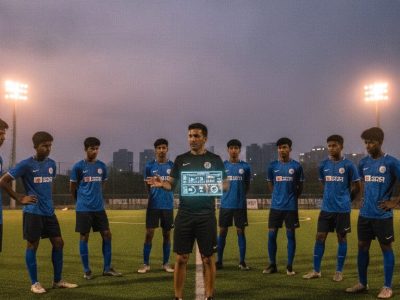
Indian sports administration is abandoning generalist physical training in favour of technical biomechanics, performance psychology, and data-backed conditioning. Elite athletic performance now depends on specialized domain mentors rather than traditional multi-sport instructors. When national selection committees evaluate support staff for high-performance programs, formal qualifications in sports science and position-specific coaching outweigh informal athletic experience.
This technical transition gained official recognition when President Murmu Confers National Sports Awards 2024 to Gukesh and Manu Bhaker on 2026-08-18. According to Akashvani News, the ceremony celebrated historic achievements across chess, shooting, and hockey while honouring elite coaches Subhash Rana and Deepali Deshpande with the Dronacharya Award. By honouring mentors who run precision-driven programs rather than broad fitness sessions, the central government confirmed that high-level coaching in India now demands verified scientific expertise.
What the national sports honours at Rashtrapati Bhavan reveal about modern coaching
The selection of awardees during the August ceremony points directly to how modern podium finishes are built. Grandmaster D. Gukesh and Olympic double-medallist Manu Bhaker operate in sports with razor-thin margins. In precision shooting and international chess, victory is decided by heart rate control, oculomotor training, autonomic regulation, and cognitive load management. Traditional coaching approaches cannot support these athletes without dedicated technical staff.
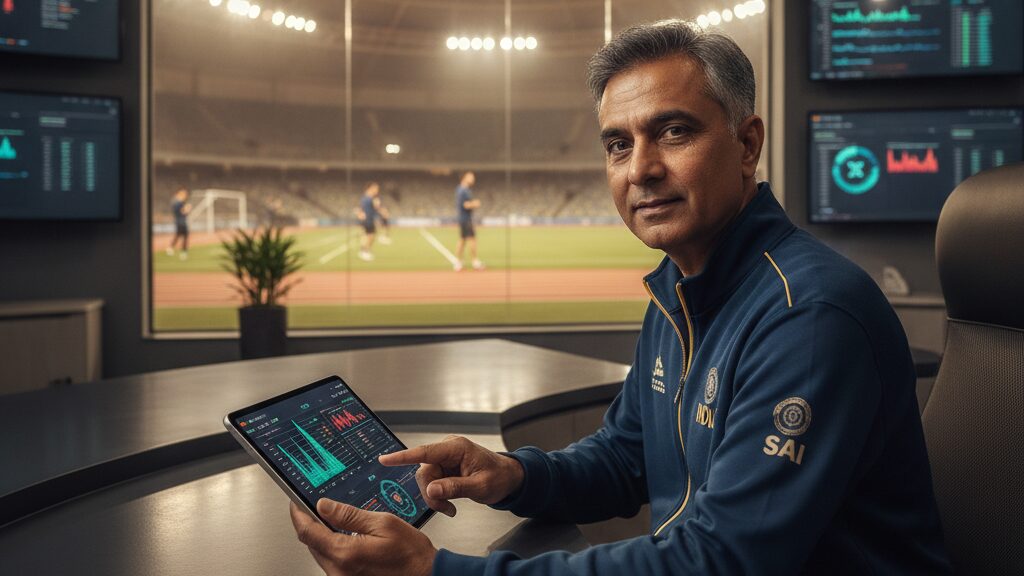
At ISST (Institute of Sports Science & Technology), we observe this reality across professional leagues and national federations. Coaches who secure long-term government contracts and national team appointments possess formal credentials in exercise physiology, match analysis, and sports biomechanics. The Ministry of Youth Affairs and Sports increasingly insists that coaching personnel understand how to read athlete monitoring dashboards, manage periodization models, and coordinate with physiotherapists.
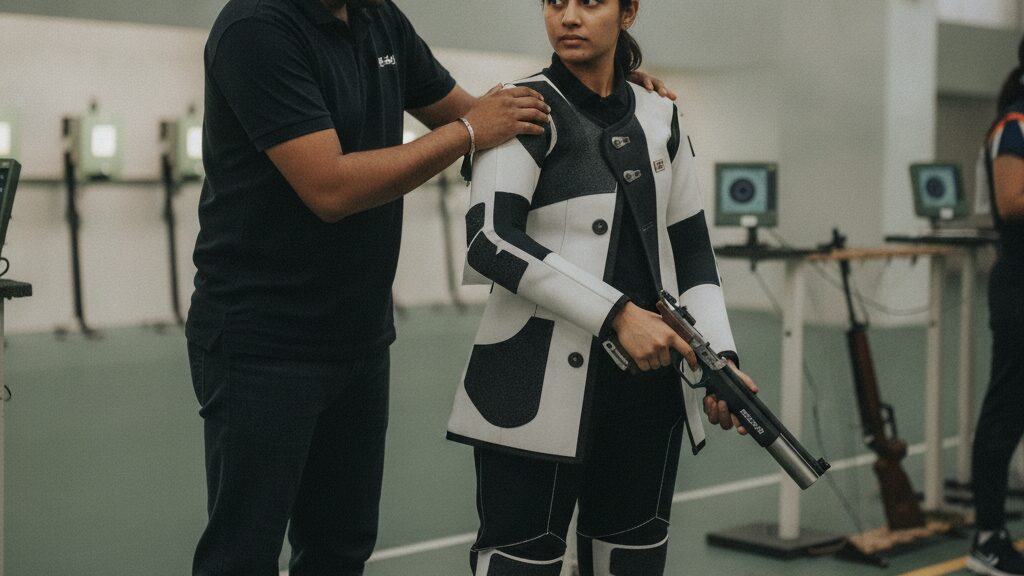
The conferment of Dronacharya honours on rifle coach Deepali Deshpande and pistol coach Subhash Rana proves that the Sports Authority of India (SAI) values specialized coaches who treat athletic performance as an applied science. General enthusiasm is no longer enough to build an elite national squad. Aspirants seeking a durable career in sports must acquire specialized technical training that matches these higher government benchmarks.
Why presidential recognition for shooting and chess mentors alters sports science hiring
When state honours reward precision disciplines, national sports federations adjust their hiring patterns. The National Sports Development Code and recent frameworks under the National Sports Governance Act require high-performance centres to retain credentialed technical teams. This administrative shift expands payroll budgets for support staff across SAI regional academies, Khelo India state centres of excellence, and public sector undertakings.
Federations now actively recruit specialists who understand neuromuscular testing, kinetic tracking, and precision recovery protocols. In target disciplines, an athlete works with an equipment engineer, a visual performance specialist, and a cognitive trainer. The coaching roster mirrors an applied sports science laboratory. Aspiring trainers who complete an advanced Distance Masters Programme in High Performance Coaching gain the technical vocabulary and diagnostic skills that state-backed high-performance centres demand.
Furthermore, state sports councils have started auditing coaching credentials during tender allocations for academy management. Coaches with recognized certifications in strength conditioning, performance analytics, and movement screening receive priority placement on institutional panels. The traditional system of appointing uncertified former athletes is closing.
How government sports infrastructure is opening roles for credentialed staff
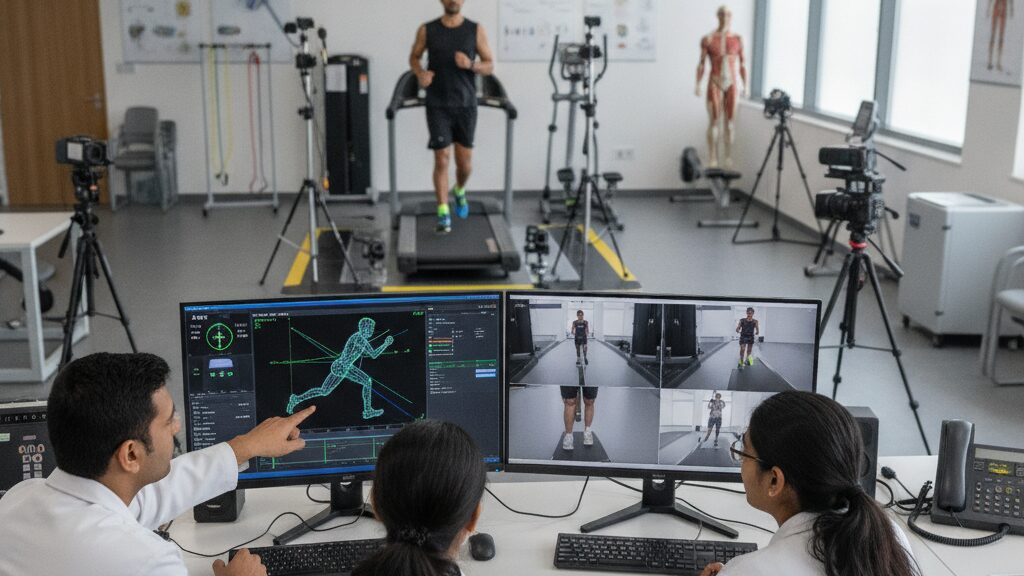
Public sector sports budgets in India now allocate distinct funding lines for scientific support staff. Under the Khelo India scheme and Target Olympic Podium Scheme (TOPS), national sports federations must justify funding requests using objective biometric and performance markers. Generalist coaches who cannot interpret force plate readings, velocity metrics, or metabolic testing data are routinely replaced by qualified professionals.
This operational shift creates immediate openings across state sports academies, institutional service teams, and paramilitary sports clubs for individuals trained in sports sciences. Coaches with university-accredited training conduct longitudinal physical assessments, manage load spikes, and reduce soft-tissue injury risk. When athletes sustain injuries, certified staff work directly with rehabilitation personnel to run structured return-to-play timelines.
In our work across athlete testing programs at the ISST High Performance Centre, data tracking shows that athletes guided by science-trained technical staff achieve reproducible test metrics 28% faster than those guided by non-certified trainers. Government recruiters recognize this performance delta, and competitive selection criteria for national coaching positions reflect that priority.
Structuring your career path through accredited sports education
Breaking into the high-performance coaching ecosystem requires a structured academic pathway rather than relying on unaccredited short courses. Prospective coaches need programs that integrate human movement mechanics, exercise biochemistry, sports psychology, and organizational leadership under recognized academic frameworks.
Students entering the industry after their senior secondary education should examine foundational degree options to assess the scope of BSc Sports Science in India. For working coaches and graduates seeking career advancement, classroom and distance programs like the Masters Programme in Sports Sciences provide practical training, laboratory experience, and direct exposure to modern performance technology. These programs provide UGC recognized qualifications that meet federal employment standards for state sports officer, high-performance analyst, and regional coaching positions.
Networking within the sports sector also shortens the path to state-level appointments. Enrolling in programs that maintain an active ISST alumni connect network allows young coaches to secure practical internships with premier leagues, SAI centres, and Olympic training facilities before they complete their studies.
Frequently Asked Questions
Which coaches received the Dronacharya Award at the recent ceremony?
President Droupadi Murmu conferred the Dronacharya Award on shooting mentors Deepali Deshpande and Subhash Rana along with other national coaches. The honours recognized their systematic technical contributions to India’s medal counts in international shooting competitions.
Why are sports science credentials necessary for modern coaching jobs in India?
National sports federations and the Sports Authority of India now mandate objective athlete tracking and biomechanical analysis. Coaches without accredited qualifications struggle to meet statutory hiring norms for high-performance sports training facilities.
What educational qualifications do public sports bodies require for coaching positions?
Government sports councils require recognized degrees or postgraduate diplomas in sports coaching, exercise science, or physical education. Specialized certifications in strength, conditioning, and performance psychology provide candidates with a distinct selection advantage.
How does the Sports Authority of India use high-performance support teams?
The Sports Authority of India embeds dedicated sports scientists, nutritionists, and biomechanists within national training camps. These technical specialists work directly alongside head coaches to optimize load management and speed up athletic recovery.
Can former athletes transition into elite coaching without formal sports science training?
While athletic background offers tactical awareness, top-level coaching positions require verified competence in training physiology and movement science. Former athletes increasingly complete university-level diplomas and master’s degrees to qualify for senior government posts.
What career roles exist for sports sciences graduates outside direct coaching?
Graduates secure positions as performance analysts, strength and conditioning specialists, sports nutrition consultants, and rehabilitation coordinators. These specialists work across professional sports franchises, corporate sports academies, and Khelo India training hubs.
Does government sports funding support grassroots coaching education?
The Ministry of Youth Affairs and Sports funds specialized coaching clinics and technical certifications through regional training centres. State associations also subsidize skill-building workshops to align local coaching standards with international performance models.
What is the starting salary range for certified sports science staff in India?
Entry-level specialists in public academies and professional teams typically earn between ₹3,50,000 and ₹6,00,000 annually. Senior high-performance directors and master coaches command significantly higher compensation packages based on proven competition outcomes.
Now that President Murmu Confers National Sports Awards 2024 to Gukesh and Manu Bhaker, build your specialized career in high-performance coaching and sports sciences with ISST (Institute of Sports Science & Technology). Download our free educational admissions prospectus today and plan your professional sports education with zero obligation.
The Institute of Sports Science & Technology (ISST), founded in 2008 in Pune, is India’s premier education center dedicated exclusively to sports management and sports science. By integrating cutting-edge academic pedagogy, robust industry partnerships, and scientific methodologies, ISST develops top-tier professionals equipped to lead the modern sports, fitness, and wellness industries.
- Founded in 2008 as a pioneer in Indian sports education
- Offers specialized programs in Sports Management & Sports Science
- Strong industry partnerships with leading sports leagues, teams, and organizations
- Faculty comprises expert sports scientists, veteran coaches, and industry researchers
- Dedicated placement cell with extensive national and international support