The reality of athlete representation in India
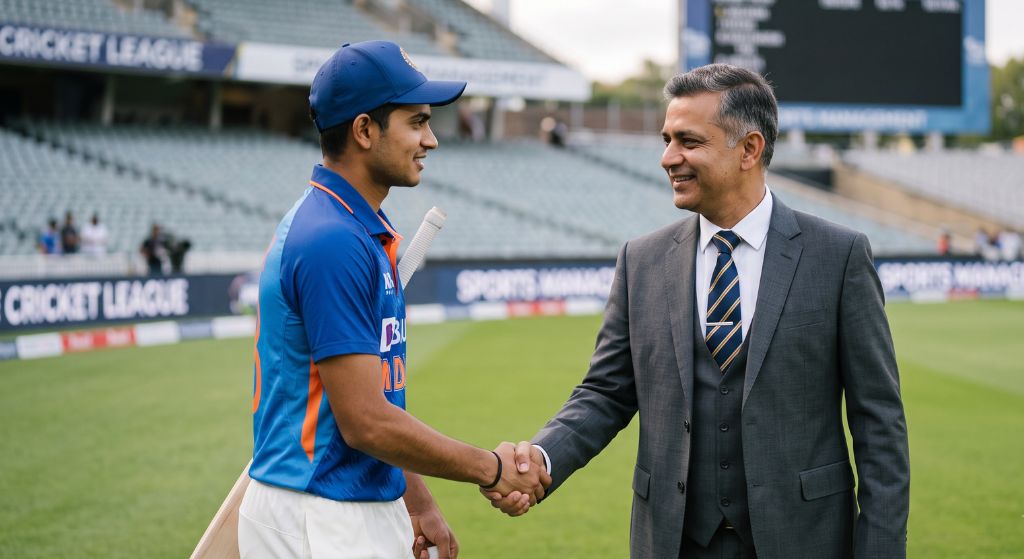
Becoming a sports agent in India requires a mix of legal knowledge, negotiation skill, and a relentless network. Unlike the US, where agents must be certified by leagues like the NBA, India operates in a largely unregulated market. This means your authority comes from your reputation and the results you deliver for your athletes.
In practice, a sports agent acts as the bridge between an athlete’s talent and their financial viability. You handle contract negotiations, endorsement deals, and career longevity planning. Success depends on your ability to create value for the athlete before you ever ask for a percentage of their earnings.
The educational foundation for representation
While no single license is mandatory to start, entering the field without a formal framework is a mistake. Most successful agents today hold degrees in sports management or law. This academic grounding provides the vocabulary needed to speak with franchise owners and corporate sponsors.
At ISST (Institute of Sports Science & Technology), we have observed that students who combine a BSc in Sports Management with practical internships have a shorter lead time to their first client. Understanding the business of sports—from venue operations to athlete psychology—allows an agent to offer more than just contract signing. They offer career architecture.
For those already graduated, a Post Graduate Diploma in Sports Management helps bridge the gap between general business and the specific needs of the sports industry. This specialization ensures you understand the nuances of sports education and the regulatory environments of different Indian sports bodies.
Navigating the legal and contractual framework
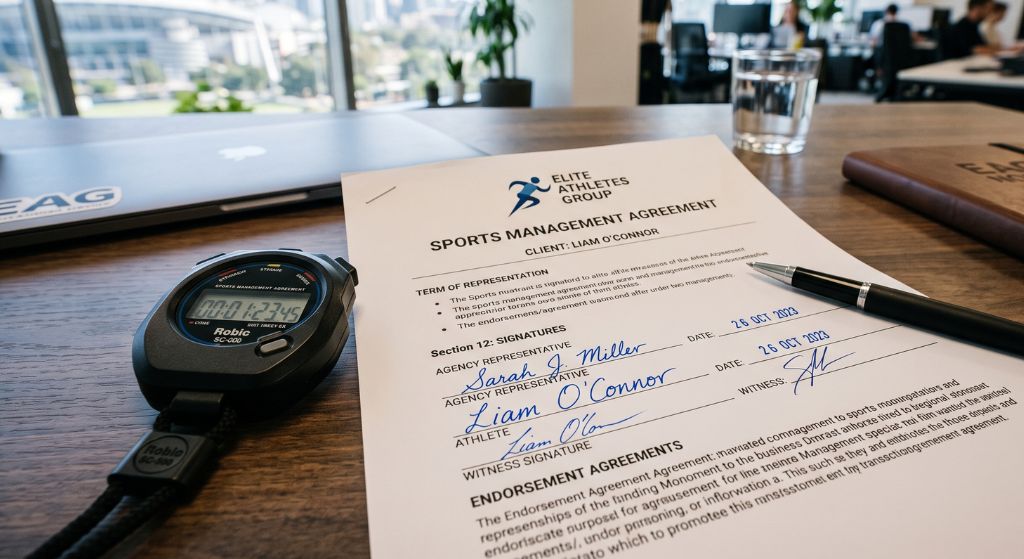
A sports agent is effectively a contract manager. If you cannot read a sponsorship agreement for loopholes, you are a liability to your client. You must understand the difference between an exclusive representation agreement and a non-exclusive consultancy.
Many agents partner with legal experts to ensure their contracts hold up in court. If you have an interest in the legal side, learning how to become a sports lawyer in India provides a massive advantage. It allows you to draft your own terms and protect your clients from predatory clauses in franchise contracts.
One common failure mode for new agents is ignoring the intellectual property (IP) rights of the athlete. In 2026, an athlete’s digital likeness is often as valuable as their on-field performance. Failing to secure these rights in a contract can cost an athlete lakhs in potential revenue from gaming or AI-driven endorsements.
The reciprocity method for acquiring clients
The biggest hurdle for any new agent is the “no experience, no client” loop. To break this, apply the principle of reciprocity. Provide genuine, high-value service to a rising athlete for free before asking for a formal representation contract.
Instead of asking an athlete to sign with you, offer a free career audit. Analyze their current social media engagement, identify three untapped sponsorship categories, and present a 12-month growth map. When you provide this value upfront, the athlete feels a psychological obligation to return the favor, often by granting you representation.
Social proof is the second pillar. Once you secure one athlete and move their earnings by even 15%, use that case study to attract others. In the sports world, athletes talk. A single success story in a regional academy can lead to three more clients within a month.
Monetization and revenue streams in 2026
The income of a sports agent in India typically comes from a commission on the athlete’s earnings. This usually ranges from 5% to 20% depending on the sport and the scale of the deal. However, relying solely on commissions is a risky strategy for new agents.
Modern agencies now use a hybrid model: a small monthly retainer for career management and a percentage of new sponsorship deals. With the rise of OTT deals like JioHotstar, athletes have more visibility in regional markets. This allows agents to secure localized sponsorships that were previously unavailable.
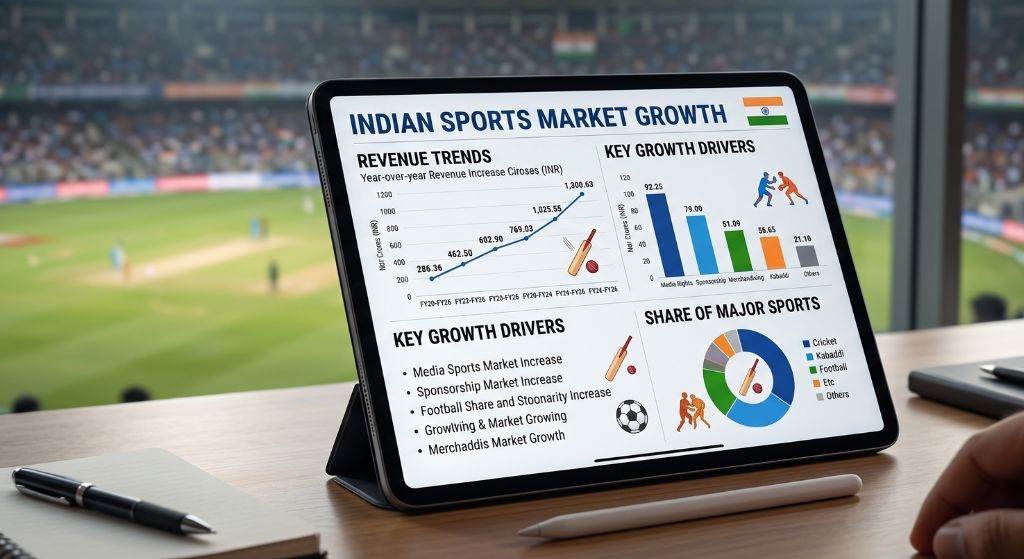
Consider the shift in the career in sports landscape toward niche markets. While cricket remains the primary revenue driver, the growth of other leagues has created new openings. For example, the rise of Pickleball in India offers a blue ocean for agents who can spot talent before the market becomes saturated.
Integrating technology in talent scouting
The era of relying purely on “gut feeling” for talent is over. High-performing agents now use data to prove an athlete’s value to a sponsor. They use performance metrics to justify a higher asking price during negotiations.
We see a growing trend where agents utilize AI for talent scouting to identify athletes who are statistically likely to peak in the next two years. By signing these athletes early, agents can negotiate lower initial fees while securing long-term upside.
Similarly, the use of wearable tech in Indian sports training provides agents with health and recovery data. This data is a powerful tool when negotiating insurance premiums or performance-based bonuses in a professional contract.
Specializing in emerging sport sectors
Generalist agents are struggling. The most successful agents in 2026 are those who dominate a specific niche. Specialization creates a perception of deeper expertise, which allows you to charge higher premiums.
Esports is a prime example. The requirements for an esports management specialist are entirely different from those of a traditional athlete agent. You deal with streaming contracts, gaming house sponsorships, and digital rights management.
Another overlooked sector is para-sports. As the ecosystem around India’s para contingent grows, there is a desperate need for agents who understand the specific accessibility and sponsorship needs of para-athletes. This is not just a business opportunity but a way to build a legacy of inclusion in Indian sports.
Managing the athlete-agent relationship
The failure mode of most agencies is the lack of boundaries. An agent is a business manager, not a friend. When the line blurs, the agent often loses the ability to give the hard advice necessary for a professional career.
In practice, this means setting clear expectations during the onboarding process. Use a service level agreement (SLA) that defines exactly what you will do (e.g., three sponsorship outreaches per month) and what the athlete is responsible for (e.g., maintaining a professional public image).
The most respected agents focus on the long-term health of the athlete. This includes advising them on financial planning and post-retirement goals. By focusing on the athlete’s life after the game, you build a level of trust that makes it almost impossible for a competitor to poach your client.
Frequently Asked Questions
Do I need a license to be a sports agent in India?
No official government license is required to represent athletes in India. However, certification from recognized bodies or a degree in sports management provides essential credibility.
How much do sports agents earn in India?
Earnings vary widely, typically ranging from 5% to 20% commission on athlete contracts. Top agents in high-revenue sports like cricket can earn several crores per year.
Can I start a sports agency without a degree?
Yes, but it is significantly harder to gain trust with corporate sponsors. A formal education in sports management helps you navigate the complex legal and business side of the industry.
What is the difference between a sports agent and a manager?
Agents primarily focus on contract negotiations and securing deals. Managers take a more holistic approach, overseeing the athlete’s daily schedule, branding, and long-term career strategy.
Which sports have the most potential for agents in India?
Cricket remains the most lucrative, but football, kabaddi, and emerging sports like pickleball and esports are seeing rapid growth.
How do I find my first athlete client?
Use the reciprocity method by providing a free career audit or sponsorship map. This proves your value before you ask for a formal representation agreement.
Is a law degree better than a sports management degree for agents?
A law degree is superior for contract drafting and dispute resolution. A sports management degree is better for the overall business, networking, and industry operations.
Do sports agents work with individual athletes or teams?
Agents represent individual athletes. They negotiate with teams, franchises, and brands on behalf of those individuals.
Build your career in sports management
Stop guessing how the industry works and start learning from the architects of Indian sports education. Enroll in an ISST program today to gain the credentials and network required to represent the next generation of Indian champions. Access world-class training and practical training opportunities with no hidden admission fees for initial counselling.