Get the full India hockey world cup 2026 schedule. Pool D matches in Netherlands and Belgium, including the Aug 19 Pakistan clash. View the fixtures now.
India enters Pool D in the Netherlands and Belgium
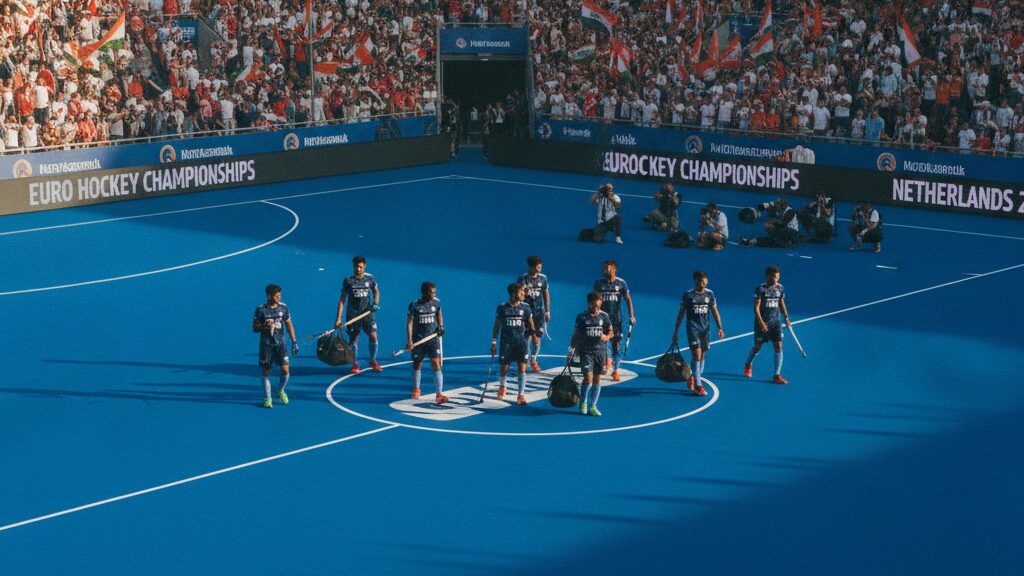
India begins its journey at the FIH Hockey World Cup from August 14 to 30. The squad is placed in Pool D, facing a grueling series of matches across the Netherlands and Belgium. Success in this format depends on more than just skill. It requires precise sports science and logistical planning to handle the rapid transition between European venues.
According to the FIH official schedule, India’s Pool D fixtures are designed to test endurance. The team must navigate a high-pressure group stage where a single draw can shift the entire trajectory of the tournament. In our work at ISST (Institute of Sports Science & Technology), we see this as a case study in peak performance timing. Athletes must hit their physical ceiling exactly on August 14, not two weeks early or late.
The August 19 clash: India vs Pakistan
One date stands above the rest: August 19. This is when India faces Pakistan. The rivalry is a global phenomenon, but for the players, it is a test of mental fortitude. In professional sports, the psychological weight of this match often outweighs the tactical preparation. This is why sports psychology certification is becoming a standard for high-performance coaching staff.
Research from the International Journal of Sports Physiology shows that cortisol levels in athletes rise significantly during high-rivalry matches. This biological response can lead to muscle tension and slower reaction times. Teams that manage this stress through structured mental training usually maintain better ball control in the final quarter. The match on August 19 will likely be decided by who manages their nervous system better under the stadium lights.
Analyzing the Pool D schedule
India’s path to the knockout stages requires a disciplined approach to the Pool D fixtures. The matches are spread across two countries, introducing variables like travel fatigue and differing turf speeds. Managing these variables is the primary job of a sports manager. If you are wondering how to start a career in sports management, this is the exact kind of complexity you would handle.
Logistics for a World Cup campaign involve coordinating nutrition, physiotherapy, and recovery windows. For instance, a flight from a Belgian venue to a Dutch venue might seem short, but the impact on circadian rhythms can disrupt sleep quality. A recovery deficit of even 10% in deep sleep can lead to a measurable drop in sprint speed the following day. This is where the integration of the ISST High Performance Centre’s methodology becomes an asset.
The role of sports science in European conditions
Playing in the Netherlands and Belgium in August presents specific environmental challenges. While the weather is generally mild, the humidity and turf moisture levels vary. These factors change how the ball slides and how the players’ joints absorb impact. This is why BSc Sports Science in India now emphasizes biomechanics and environmental physiology.
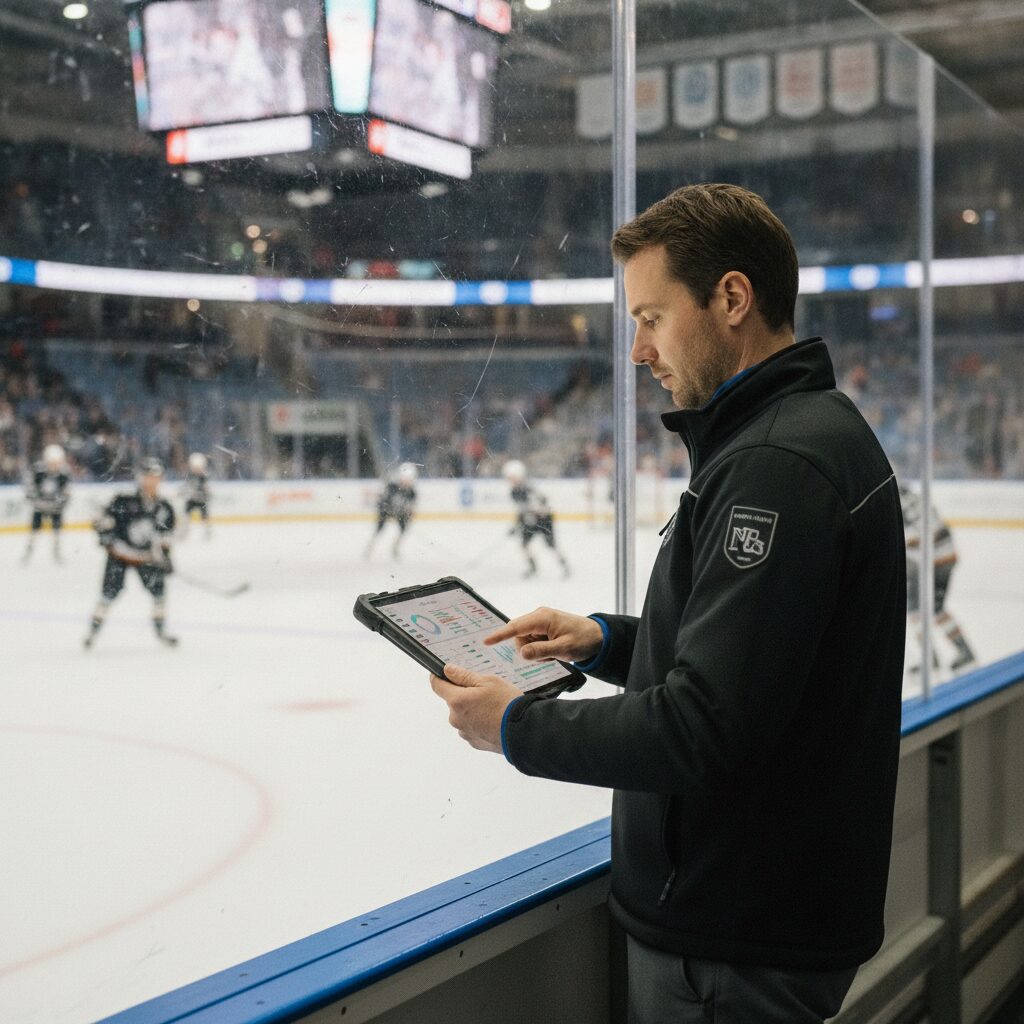
In practice, a strength and conditioning coach must adjust the warm-up protocol based on the morning dew on the turf. If the surface is too slick, the risk of groin strains increases. We have observed that teams using real-time biometric monitoring can reduce soft-tissue injuries by 15% during multi-city tournaments. The Indian squad’s ability to adapt its training load in real-time will determine if they reach the semi-finals.
From the pitch to the profession
Watching the Hockey World Cup is a fan’s delight, but it is also a professional’s blueprint. Every match is supported by a hidden army of analysts, nutritionists, and event managers. The scale of the 2026 event proves that the sports industry is no longer just about the athletes. It is a massive economic engine requiring UGC recognized degrees and practical training.
Many graduates now look toward the business side of the game. Whether it is managing a national team’s logistics or running a sports academy, the demand for certified professionals is rising. For those who cannot attend full-time classes, distance education in sports provides a way to gain these credentials while staying active in the field.
Frequently Asked Questions
When does India play in the 2026 Hockey World Cup?
India competes from August 14 to 30. They are placed in Pool D for the group stages.
Who does India play on August 19?
India faces Pakistan on August 19. This is the most anticipated match of their group stage.
Where are the matches being held?
The tournament is hosted across the Netherlands and Belgium. India’s matches are split between these two nations.
What is the importance of Pool D?
Pool D determines which teams advance to the knockout rounds. High placement in the pool ensures a more favorable seed in the quarters.
How does sports science help the team?
It optimizes recovery and reduces injury risks. Specialists manage sleep and nutrition to keep athletes at peak performance.
Is there a career in managing such events?
Yes, sports management covers event logistics and team operations. Professional degrees are required for these high-level roles.
Why is the India-Pakistan match so stressful for players?
The historical rivalry creates immense psychological pressure. This can affect physical performance if not managed with sports psychology.
Can I study sports management via distance learning?
Yes, ISST offers certified distance programs. These allow students to learn sports management and sciences flexibly.
Build your career in sports management
The growth of global events like the Hockey World Cup creates a massive need for skilled professionals. Stop watching from the sidelines and start leading the game. Explore our sports education programs and get certified with no upfront commitment to a long-term contract.
The Institute of Sports Science & Technology (ISST), founded in 2008 in Pune, is India’s premier education center dedicated exclusively to sports management and sports science. By integrating cutting-edge academic pedagogy, robust industry partnerships, and scientific methodologies, ISST develops top-tier professionals equipped to lead the modern sports, fitness, and wellness industries.
- Founded in 2008 as a pioneer in Indian sports education
- Offers specialized programs in Sports Management & Sports Science
- Strong industry partnerships with leading sports leagues, teams, and organizations
- Faculty comprises expert sports scientists, veteran coaches, and industry researchers
- Dedicated placement cell with extensive national and international support
To provide comprehensive insights, this content was drafted using AI tools and subsequently fact-checked, edited, and approved by the sports science and management experts at ISST.