India's 2036 Olympics bid is creating a 10-year job security window for sports management and science students. Explore why now is the best time to join ISST.
Why the 2036 Bid Defines the Next Decade of Sports Careers
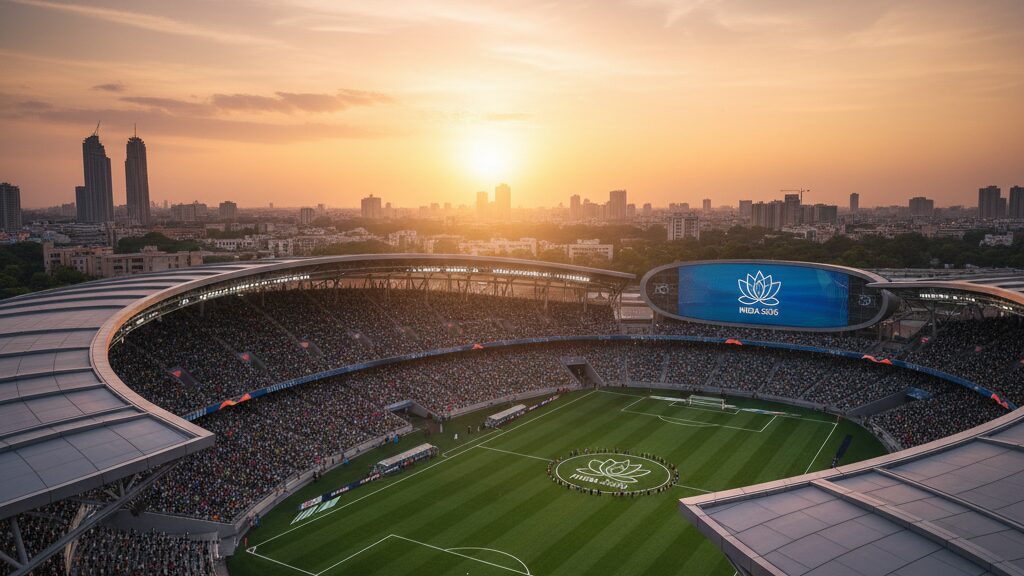
India is no longer just a participant in the global sporting arena; it is becoming the host. As of June 2026, the momentum behind the India 2036 Olympics bid has shifted from political ambition to a concrete economic driver. For a student enrolling in sports education today, this bid represents a rare 10-year window of professional stability. Unlike traditional sectors where market saturation is a constant threat, the sports industry in India is entering a massive build-out phase that requires a decade of preparation before the first torch is lit.
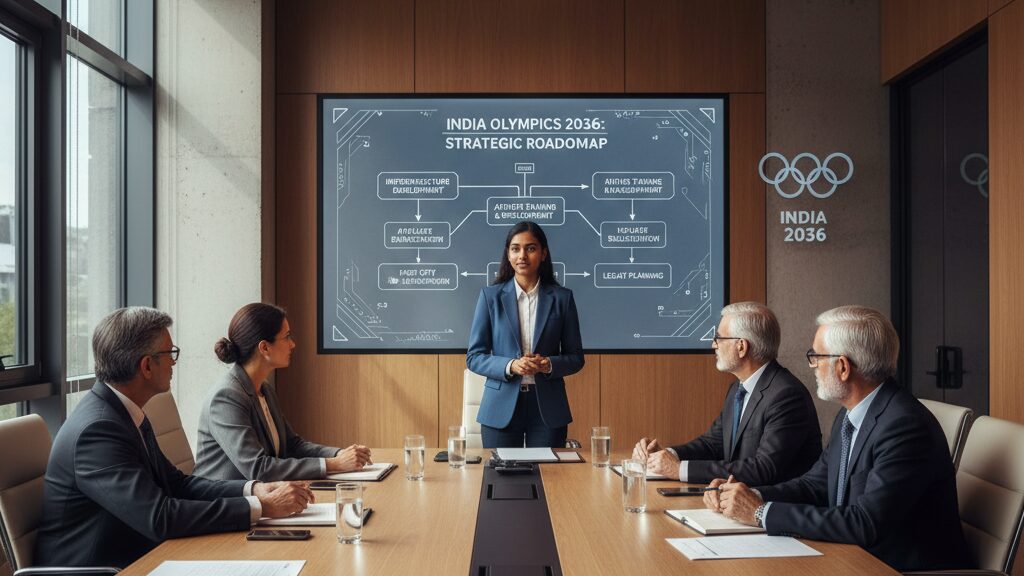
In our experience at the Institute of Sports Science & Technology (ISST), we see this as the ‘Preparation Decade.’ Hosting an event of this magnitude involves more than just building stadiums. It requires a sophisticated ecosystem of sports management professionals, high-performance scientists, and digital strategists. The government initiatives like Khelo India 2026 have already laid the groundwork, but the 2036 bid provides the long-term finish line that ensures sustained investment in human capital. If you are entering the field now, you aren’t just looking for a job; you are joining a ten-year national project.
The Logistics of a 10-Year Growth Cycle
The timeline for an Olympic bid is predictable but demanding. Between 2026 and 2030, the primary focus is on infrastructure and policy framework. This period creates a high demand for those in sports management who understand facility operations and international sports law. We often tell our students that the ‘glamour’ of the event is the result of years of invisible paperwork and logistical planning. You can read more about the practical side in our Sports Management Reality 2026 guide.
As we move into the 2030–2034 window, the focus shifts to athlete development and performance. This is where those pursuing a Masters Programme in Sports Sciences (MPSS) find their stride. India cannot host the Olympics without a competitive contingent. This necessitates the establishment of hundreds of high-performance centers across the country. Each center requires exercise physiologists, nutritionists, and biomechanists. The job security here stems from the fact that these roles cannot be automated; they require human expertise and hands-on training.
High Performance and the Science of Winning
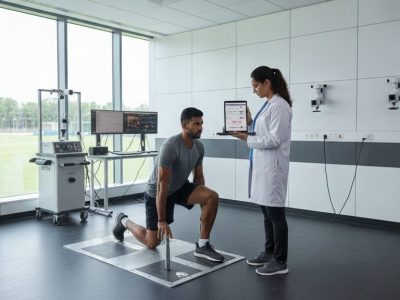
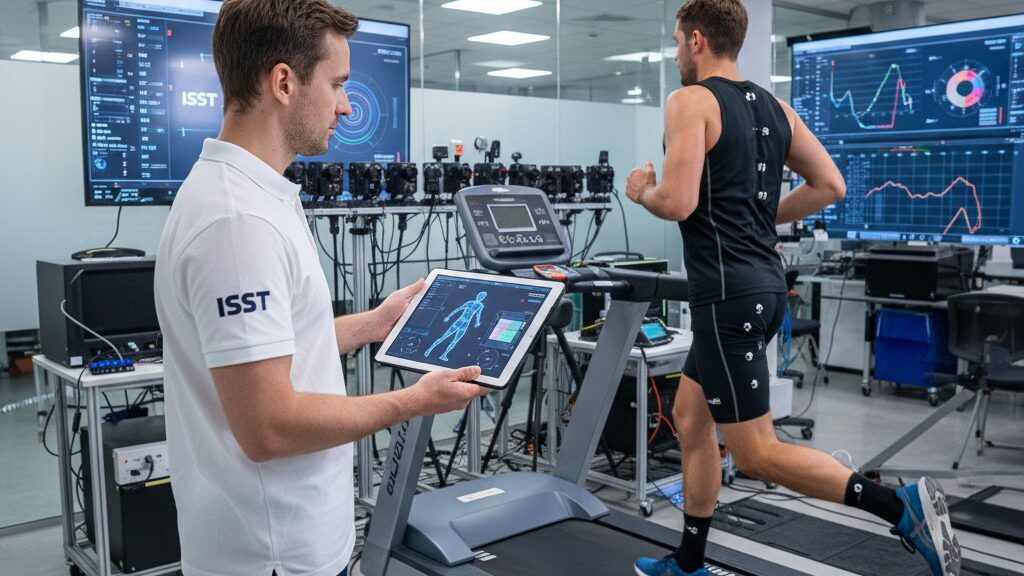
The 2036 bid has fundamentally changed how we approach sports sciences. It is no longer enough to have a general understanding of fitness. The current market demands specialization in data-driven performance. At the ISST High Performance Centre, we have integrated AI and wearable tech into our curriculum because that is what the industry uses in 2026. When a nation prepares for an Olympics, it invests in the latest technology to shave milliseconds off a sprinter’s time or degrees off a javelin thrower’s release.
For students, this means the ‘science’ part of sports science is more important than ever. The demand for sports scientists in India is expected to grow by nearly 40% over the next eight years as private academies and government bodies like the Sports Authority of India (SAI) ramp up their talent identification programs. This is not a temporary spike; it is a structural shift in how India produces athletes.
Management Beyond the Stadium
While the athletes are in the spotlight, the business of sports is what keeps the lights on. The 2036 bid acts as a catalyst for sports marketing, broadcasting, and event management. Organizations like Viacom 18, Star Sports, and various IPL franchises are already scouting for talent that understands the Olympic movement. They need managers who can handle multi-sport events, not just cricket.
This diversification is key to your job security. By the time 2030 arrives, the skills learned in a BBA in Sports Management will be applicable to a wider range of sports including athletics, badminton, and wrestling, which are seeing record viewership. The ‘cricket-only’ mindset is dead in 2026. The Olympic bid has forced the industry to mature, creating roles in digital fan engagement, sponsorship valuation, and sustainable event practices.
Practical Training and Live Exposure
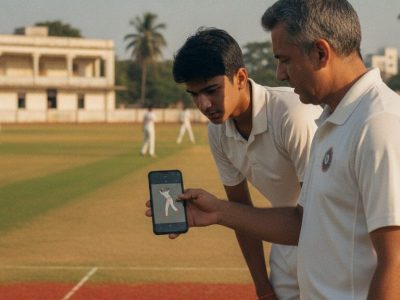
A degree alone is insufficient in this competitive landscape. The reason ISST emphasizes internships and live exposure is that the industry values experience over theory. Students today are getting opportunities to work with events like the Pro Kabaddi League, Hero Indian Super League (ISL), and the MPL Maharashtra Premier League. These aren’t just bullet points on a resume; they are the training grounds for the 2036 Olympics.
When you work behind the scenes at a TATA IPL match or a Tennis Premier League event, you learn the pressure of live broadcasting and crowd management. This practical training is what will make you indispensable as the Olympic organizing committee begins its massive hiring rounds in the early 2030s. The professionals who will lead the 2036 Games are the ones currently starting their careers in these domestic leagues.
Strategic Career Mapping for 12th Pass Students
For high school graduates (12th pass) entering the field in 2026, the timing is perfect. A three-year degree followed by a specialized post-graduate diploma puts you right at the start of the ‘Operational Phase’ of the Olympic bid. You will enter the workforce with a few years of experience just as the global spotlight turns toward India. This is why we recommend looking into BSc Sports Science vs BBA Sports Management to see which path aligns with your strengths.
The risk of ‘job hopping’ is minimized when the entire industry is on a 10-year upward trajectory. In 2026, we see a trend where professionals from traditional corporate sectors are moving into sports management via a PG Diploma for working professionals. They recognize that while other industries are facing layoffs due to automation, the sports world is expanding its physical and human footprint.
The ISST Alumni Connect Advantage
Success in the sports industry often depends on who you know. The ISST alumni connect program links current students with professionals already working at Puma, Decathlon, and various sports foundations. As the 2036 bid progresses, this network becomes a primary source of recruitment. We have seen our alumni move into roles at the Abhinav Bindra Foundation and Olympic Gold Quest (OGQ), organizations that are at the heart of India’s Olympic preparation.
These connections provide more than just jobs; they provide mentorship. Understanding how a sports brand like adidas Badminton or a tech company like hudl operates gives you an edge. In the next decade, the industry will move toward a more integrated model where science, management, and technology overlap. Being part of an established institute gives you the multidisciplinary perspective needed for this new era.
Frequently Asked Questions
How does the 2036 Olympics bid affect job security in sports?
The bid creates a long-term demand for infrastructure, athlete training, and event management. This 10-year planning cycle ensures a steady stream of jobs that are resistant to short-term economic fluctuations.
What is the most in-demand role in sports management right now?
In 2026, roles in sports analytics, digital fan engagement, and facility operations are seeing the highest growth. These positions are essential for modernizing India’s sports venues ahead of the 2036 Games.
Is a sports science degree worth it for non-athletes?
Yes. Most sports scientists are researchers, physiologists, or data analysts who never compete professionally. Your value lies in your ability to improve an athlete’s performance through scientific methods.
What is the salary of a sports manager in India in 2026?
Entry-level salaries typically range from ₹4,00,000 to ₹7,00,000 per year. Experienced professionals in major leagues like the IPL can earn significantly more as the industry continues to professionalize.
Does ISST provide international placement guarantees?
No, we do not provide guarantees. We focus on providing live exposure and practical training with partners like the Reliance Foundation and various sports leagues to help you build a competitive career.
How has Khelo India 2026 changed sports education?
It has standardized talent identification and grassroots coaching. This has created a massive need for certified sports managers and scientists to run these programs at the state and national levels.
Can I pursue sports management after a different graduation?
Yes. Many students opt for a Post Graduate Diploma in Sports Management after completing degrees in commerce, engineering, or arts. It serves as a smart one-year bridge into the industry.
What role does AI play in sports science today?
AI is used for predictive injury analysis and performance tracking. Understanding these technologies is now a mandatory part of any modern sports science degree in 2026.
The India 2036 Olympics bid is a generational opportunity. It is the reason why sports education has become one of the most stable career paths in the country today. By aligning your education with this 10-year window, you are positioning yourself at the forefront of India’s sporting revolution. This Impact of India 2036 Olympics bid on sports education, start your career in sports with ISST.
The Institute of Sports Science & Technology (ISST), founded in 2008 in Pune, is India’s premier education center dedicated exclusively to sports management and sports science. By integrating cutting-edge academic pedagogy, robust industry partnerships, and scientific methodologies, ISST develops top-tier professionals equipped to lead the modern sports, fitness, and wellness industries.
- Founded in 2008 as a pioneer in Indian sports education
- Offers specialized programs in Sports Management & Sports Science
- Strong industry partnerships with leading sports leagues, teams, and organizations
- Faculty comprises expert sports scientists, veteran coaches, and industry researchers
- Dedicated placement cell with extensive national and international support