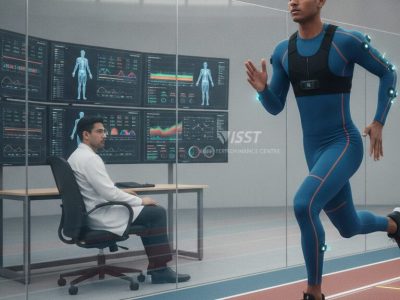

The search for a premier national sports academy in India has shifted. In May 2026, the focus has moved beyond simple coaching to integrated high-performance ecosystems. Students and athletes no longer look for just a playground; they seek a center that blends sports sciences with professional management. This evolution is driven by the professionalization of leagues like the TATA IPL and Pro Kabaddi, which now require a sophisticated pipeline of talent both on and off the field.
Selecting the right academy requires looking at the infrastructure, the pedigree of the coaching staff, and the career pathways available. Whether you are a 12th-pass student or a graduate, the sports industry in 2026 rewards those who understand the mechanics of performance. At the ISST High Performance Centre, we see this trend daily as athletes use data to shave milliseconds off their sprint times while managers coordinate the logistics behind these gains.
The Shift Toward High-Performance Centers in 2026
Traditional coaching clinics have been replaced by multi-disciplinary hubs. A modern national sports academy now functions as a laboratory. According to data from the 2026 Indian Sports Infrastructure Report, private investment in high-performance centers grew by 22% over the last year. These facilities prioritize sports sciences, recovery, and tactical analysis over repetitive drills.
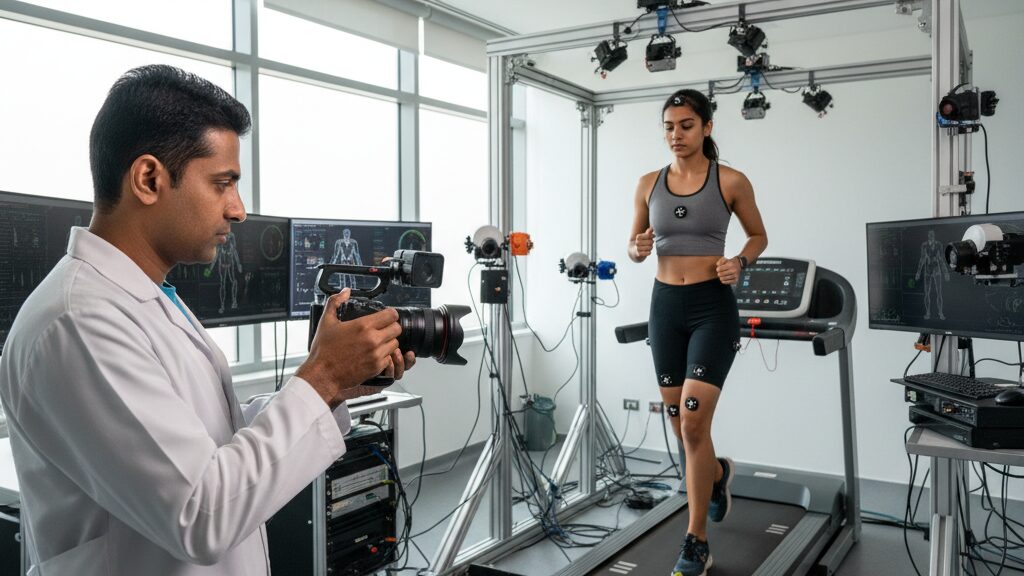
When you walk into a top-tier facility today, you find more than just coaches. You find exercise physiologists and data analysts. For instance, teams at the ISST High Performance Centre utilize technology from partners like Hudl and SportsMechanics to provide live exposure to real-world performance metrics. This environment is where a career in sports begins for many, bridging the gap between raw talent and professional execution.
If you are coming from a traditional background, you might find the technicality of modern academies surprising. You can learn more about the educational requirements in our guide on physical education courses after 12th. The goal is to move from being a participant to an expert who understands the ‘why’ behind every movement.
Management and Governance Within Academies
Running a national-level academy is a complex business. It involves navigating the requirements of bodies like the Sports Authority of India (SAI) and various state associations. Effective management ensures that the academy remains UGC recognized and financially viable. This is why we emphasize the importance of formal training. A career with an MBA in sports management provides the framework to handle these operations.
In 2026, academy managers handle everything from athlete branding to facility maintenance. They are the architects behind the scenes. Our ISST alumni connect frequently highlights individuals managing operations for organizations like the Reliance Foundation Youth Sports or the Abhinav Bindra Foundation. These roles require a deep understanding of the sports ecosystem, which is often a blind spot for those without specialized education.
Success in this field is not about who you know, but what you can prove. Statistics from April 2026 show that academy managers with a postgraduate qualification earn significantly higher starting salaries. You can review the specifics in our report on sports management salary in India 2026.
Integrating Sports Sciences for Elite Performance
Elite athletes in 2026 do not leave their progress to chance. They rely on sports sciences to optimize their output. A national sports academy that lacks a dedicated science wing is quickly becoming obsolete. This includes nutrition, psychology, and biomechanics. Practical training in these areas is what separates a standard coach from a high-performance specialist.
Consider the impact of injury prevention. In a 2026 study of youth academies, those implementing systematic injury management protocols saw a 30% increase in athlete availability throughout the season. This is why we offer specialized training like the Masters Programme in Sports Sciences. Understanding the physiological limits of the human body allows for safer, more effective training cycles.
We have seen students transition from being athletes to becoming high-performance experts at centers like the Gun For Glory Shooting Academy. The transition is often driven by a desire to stay in the sport they love while contributing at a professional level. This scientific approach is now the standard for anyone serious about a career in sports.
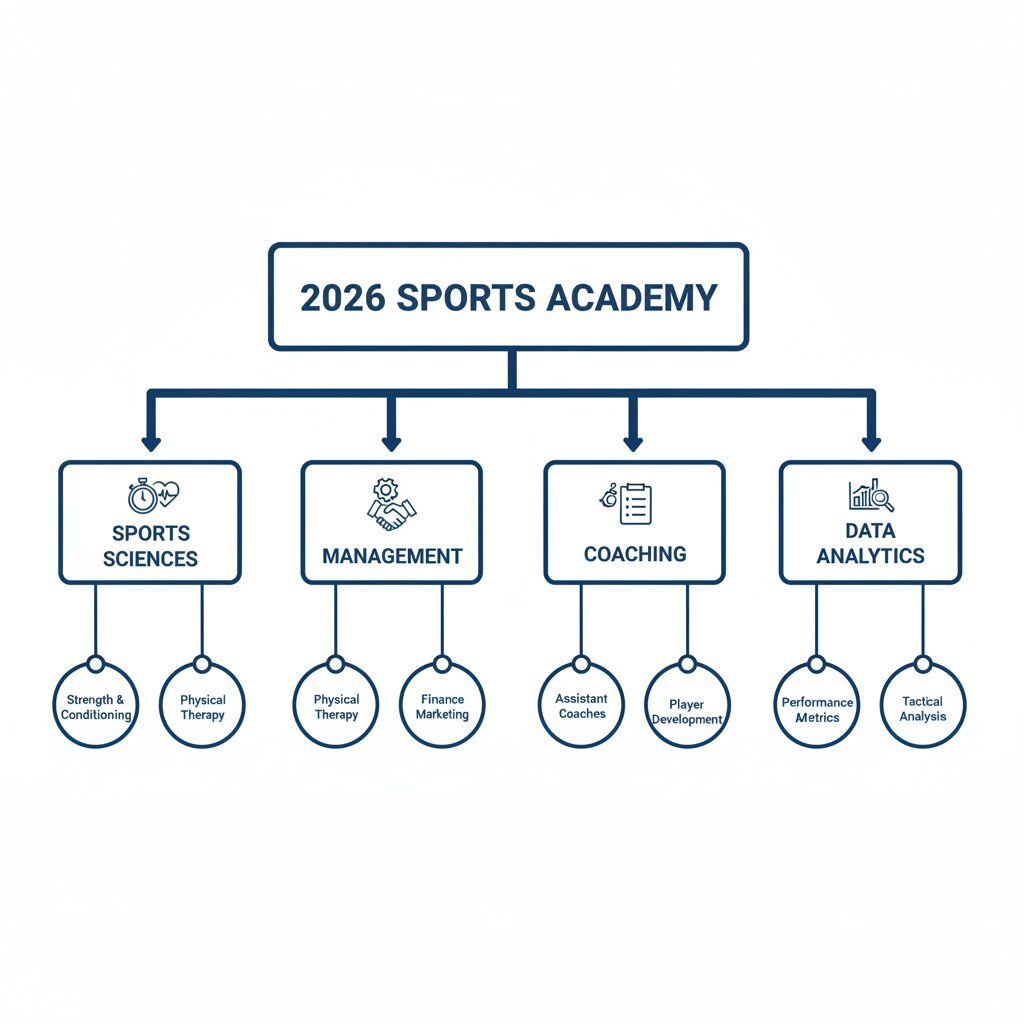
Live Exposure and Industry Internships
Theory only goes so far. The most effective academies provide direct access to the industry. In May 2026, the demand for interns at major events like the MPL Maharashtra Premier League and the Tennis Premier League is at an all-time high. These opportunities provide the practical training that classrooms cannot replicate.
During these internships, students learn the reality of event logistics, broadcast coordination, and athlete management. We facilitate these connections through our network of approved partners, including Decathlon, Puma, and the various Khelo India initiatives. This exposure is a fundamental part of the curriculum for our diploma in sports management students.
Seeing how a professional league operates from the inside changes your perspective. It moves you from being a fan to being a stakeholder. When you participate in the coordination of an event like the Pro Kabaddi League, you gain insights that are immediately applicable to managing a local or national sports academy.
Choosing Your Path in the 2026 Sports Market
There are two distinct paths within the academy ecosystem: the athlete path and the professional path. Both are essential. The athlete path focuses on the ISST High Performance Centre for physical development. The professional path focuses on sports management and sciences to support that development. Both paths require a commitment to continuous learning.
If you are currently deciding on your next steps, consider the long-term growth of the industry. The Indian sports market is projected to continue its rapid expansion through the rest of the decade. This growth creates a need for qualified professionals who can lead the next generation of academies. You might want to explore our bachelor of sports management to see how it fits your career goals.
Education in this sector is an investment in a specialized future. By choosing a program that offers both academic rigor and live exposure, you position yourself at the forefront of the industry. The goal is to become an indispensable part of the sports ecosystem, whether you are on the field or in the boardroom.
Frequently Asked Questions
What is the primary role of a national sports academy in 2026?
It serves as a comprehensive hub for elite athlete training and sports science research. These centers now integrate professional management to ensure sustainable development and industry alignment.
How can I get a job at a national sports academy in India?
Most roles require a specialized degree in sports management or sports sciences. Gaining live exposure through internships at events like the TATA IPL or Pro Kabaddi is also essential for entry-level positions.
Are there age limits for joining a sports academy?
Athlete programs usually target youth between ages 8 and 18 for peak development. However, management and science roles are open to graduates and professionals looking to pivot into the sports industry at any age.
What is the difference between an academy and a high-performance center?
An academy typically focuses on foundational skill development and coaching for specific sports. A high-performance center provides advanced scientific support, including biomechanics, nutrition, and data analytics, for elite athletes.
Is a sports management degree necessary to run an academy?
While not strictly mandatory, a degree provides the necessary skills in governance, finance, and sports law. Professionals with these credentials generally manage larger, UGC-recognized institutions more effectively.
Which sports are currently the most popular in Indian academies?
Cricket remains dominant, but there is significant growth in football, kabaddi, and shooting. Olympic sports have seen increased interest following the Paris 2024 games and subsequent infrastructure investments.
Can I study sports management via distance education?
Yes, many professionals choose distance degrees to balance work and study. ISST offers several distance programs that are widely recognized within the sports industry for career advancement.
What is the starting salary for an academy manager in 2026?
Entry-level managers can expect between ₹4,00,000 and ₹7,00,000 per year depending on the facility’s scale. Those with postgraduate degrees from reputable institutes often command higher starting packages.
Start your journey in sports education today by exploring our classroom and distance programs. Secure your place in the 2026 sports industry through ISST’s expert-led training.