Looking for the best physical education courses after 12th? Compare B.Sc. Sports Science, BBA Management, and Diplomas to start your 2026 sports career.
The shift from traditional PT to professional sports education
Choosing a career in the sports industry in 2026 requires more than an interest in playing. The sector has moved past the era where physical education meant only whistle-blowing on a school playground. Today, the Indian sports market is a multi-billion rupee powerhouse. High school graduates now look for physical education courses after 12th that offer a blend of science, management, and field experience. Authority in this field comes from specialized training at institutes like ISST, where the focus remains on building a professional foundation rather than just earning a degree.
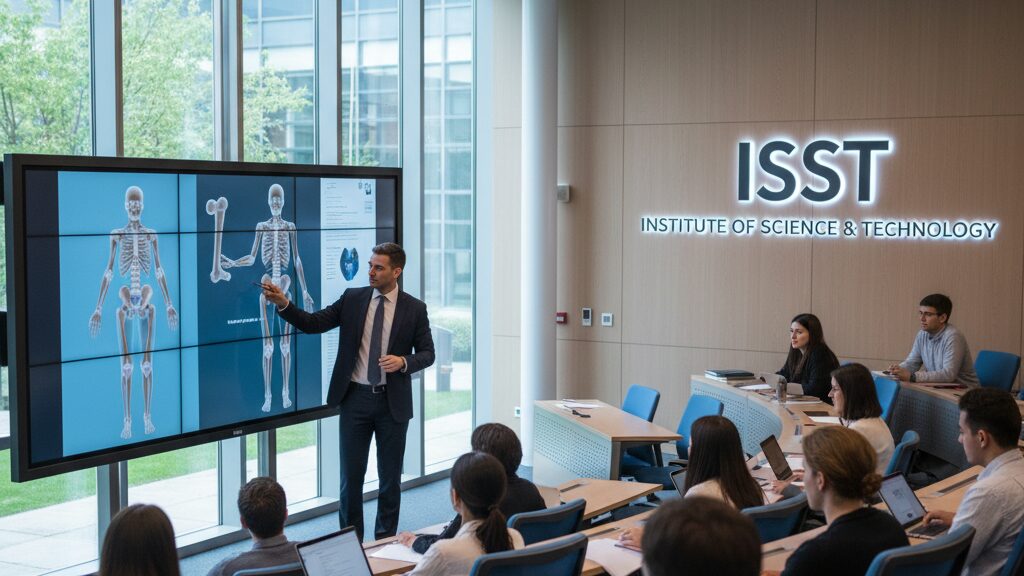
In our work at ISST, we see that students who understand the mechanics of the body and the business of leagues find the best opportunities. The demand for skilled professionals at the ISST High Performance Centre highlights a growing need for experts who can handle the pressures of modern competition. If you are finishing school in 2026, the path you choose now determines your trajectory in an industry that prizes specific, applicable skills over generic qualifications.
Top Physical Education Courses After 12th: A Comprehensive Overview
When exploring the best physical education courses after 12th, it is essential to understand that the industry has branched into three distinct pillars: pedagogy, science, and management. Depending on whether you want to teach, treat, or lead, your choice of degree will vary.
- Bachelor of Physical Education (B.P.Ed): The gold standard for those aspiring to be school teachers, college professors, or sports coaches. It focuses on pedagogy, sports psychology, and instructional methods.
- B.Sc. in Sports Science / Exercise Science: A science-heavy degree focusing on how the human body performs. Ideal for aspiring sports scientists, biomechanists, and strength and conditioning coaches.
- Bachelor of Sports Management (BBA/B.S.M): A business-centric degree that teaches the commercial side of sports, including sponsorship, athlete management, and facility operations.
- Diploma in Sports Coaching/Management: Shorter, specialized certifications (usually 1-2 years) for those looking for a faster entry point into the industry or specializing in a specific sport.
In 2026, the trend has shifted toward interdisciplinary degrees. For instance, combining sports science with data analytics is now a high-demand trajectory, as professional leagues rely heavily on performance metrics to gain a competitive edge.
B.Sc. Sports Science vs. Bachelor of Sports Management: Which is Right for You?
The first decision involves picking a specialization that aligns with your strengths. A Bachelor of Sports Management is ideal for those who want to run the show behind the scenes. This path focuses on the business side, covering event logistics, marketing, and operations. It is the backbone of major events like the TATA IPL or the Pro Kabaddi league. Students learn how to manage teams and navigate the complex financial environment of professional sports.
On the other hand, if you are fascinated by how athletes achieve peak performance, a B.Sc. in Sports Sciences is the better fit. This course looks into biomechanics, nutrition, and exercise physiology. It prepares you to work in high-performance environments, helping athletes recover faster and perform better. According to data from the 2026 Pune Sport Science Conference, the integration of technology in training has increased the demand for sports science graduates by 22% compared to 2024 levels. Both paths offer distinct advantages, but they require a commitment to practical training.
Eligibility Criteria for Sports Education Courses in 2026
Admission requirements for physical education courses after 12th vary by specialization, but most reputable institutes follow a standardized framework to ensure candidates have both the academic and physical aptitude for the field.
- Academic Qualification: A minimum of 45% to 60% in your 10+2 examinations from a recognized board (CBSE, ICSE, or State Boards). While some courses are open to all streams, B.Sc. Sports Science often prefers students with a background in Biology or Physical Education.
- Physical Fitness Test: Many programs require a physical efficiency test (PET) to evaluate agility, endurance, and basic athletic skill.
- Sports Achievements: While not always mandatory, certificates of participation or achievement at the District, State, or National level provide a significant advantage during the selection process.
- Entrance Exams: For premium institutes, entrance tests focusing on general aptitude, sports knowledge, and reasoning are common in 2026.
If you are coming from a non-sports background, don’t be discouraged. Many modern management degrees prioritize analytical skills and a passion for the business of sports over professional playing experience.
How Practical Training Bridges the Gap Between a Degree and a Sports Career
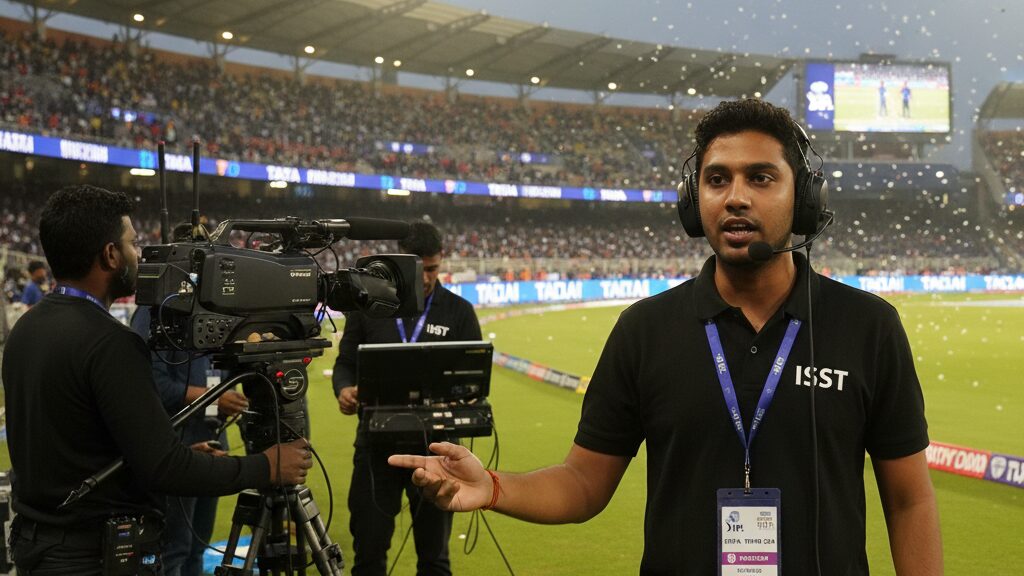
Theory only takes a professional so far. The principle of social proof is evident when you look at ISST alumni who have worked with brands like Puma or organizations like the Reliance Foundation Youth Sports. These students did not just read about sports; they lived it through internships and live exposure. Real-world experience at events like the Hero Indian Super League (ISL) or the MPL Maharashtra Premier League provides a level of insight that a classroom cannot replicate.
Internships are the gateway to the industry. Instead of looking for distant promises, focus on courses that provide direct access to sports brands and academies. Working with the Bhaichung Bhutia Football Schools or the Gary Kirsten Cricket academy allows students to apply their knowledge in real-time. This hands-on approach is what separates a graduate from a professional. It is about building a network within the ISST alumni connect and proving your worth on the field or in the boardroom.
Distance Learning Options for Physical Education Courses After 12th
Not every student can commit to a full-time classroom environment. In 2026, distance learning has become a viable way to enter the sports industry while managing other commitments. A Distance Diploma in Sports Management offers the same academic rigor as on-campus programs but with greater flexibility. This is particularly useful for active athletes who want to secure their future after their playing days are over.
We have found that students who take distance courses often possess a higher level of self-discipline. They balance their studies with local coaching or volunteer work at foundations like Olympic Gold Quest (OGQ). This combination of academic study and local practice builds a well-rounded profile. Whether it is a diploma or a degree, the goal is to gain UGC recognized qualifications that the industry respects. The 2026 job market values those who can demonstrate a consistent track record of learning and application.
Navigating the 2026 sports job market
Entering the professional world requires a clear strategy. The sports management career after 12th is no longer a niche choice; it is a mainstream professional path. Careers can start in sports technology with firms like hudl or SportsMechanics, or in retail with giants like Decathlon. The key is to start early and stay specialized. Narrowing your focus to areas like sports data analytics or injury management can make you a more attractive candidate.
Recent shifts in the industry show that teams and leagues are looking for professionals who understand the Indian context. While international standards are important, knowing how to operate within the domestic market—dealing with local federations like the SAI (Sports Authority of India)—is vital. Successful graduates use their time in college to build these connections. They don’t just wait for graduation; they actively seek out live event exposure at the Khelo India games or with the Tennis Premier League.
Frequently Asked Questions
What are the eligibility criteria for physical education courses after 12th?
Most degree programs require a 10+2 completion from a recognized board with a minimum of 50% marks. Some specialized institutes also conduct their own entrance exams to test sports aptitude.
Can I pursue a sports management career if I haven’t played professional sports?
Yes, the business side of sports values management skills, analytical thinking, and marketing expertise over athletic ability. Many successful managers at firms like IMG | Reliance come from non-sporting backgrounds.
Which is better: a Diploma or a Degree in physical education?
A degree like a B.Sc. provides a deeper academic foundation and is often required for higher-level roles. A diploma is a faster, more focused route for those looking to enter a specific niche quickly.
What is the starting salary for sports management graduates in India 2026?
Starting salaries typically range from ₹3,50,000 to ₹6,00,000 per annum depending on the role and organization. Those with live event exposure and internships usually command higher starting packages.
Are ISST courses UGC recognized?
ISST partners with universities to offer degrees that are UGC recognized, ensuring that your qualification is valid for further studies and government jobs. This provides a strong legal and academic standing.
What kind of roles can I get with a sports science degree?
Graduates can work as sports nutritionists, strength and conditioning coaches, or exercise physiologists. You might find roles at academies like the Gun For Glory Shooting Academy or the JIO Institute.
Is distance education for sports management effective?
Distance education is highly effective for those who are self-motivated and gain practical experience simultaneously. It allows you to study the latest trends while staying active in the local sports scene.
What is the importance of the ISST High Performance Centre?
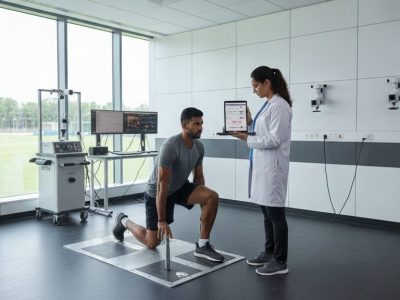
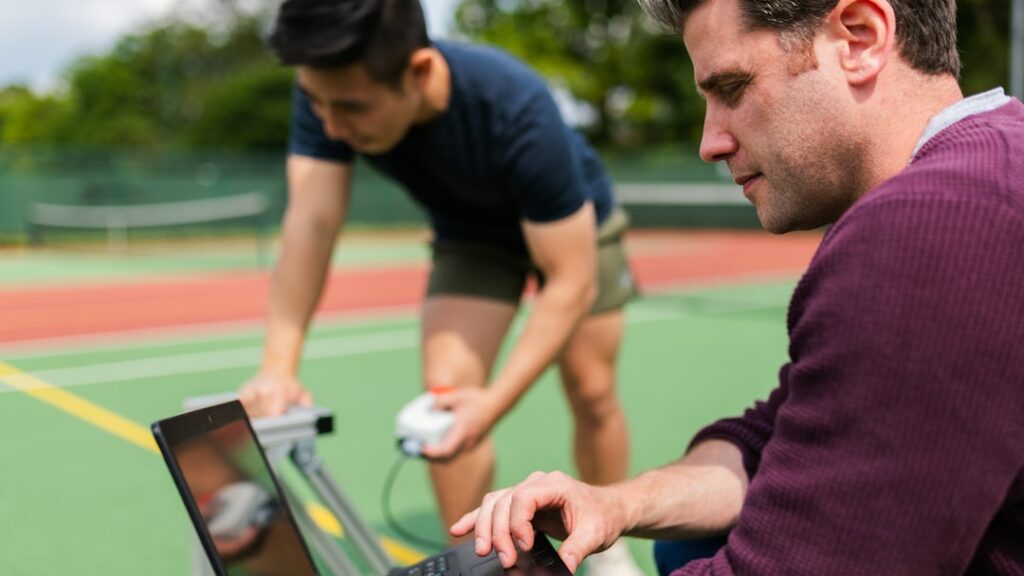
The centre provides students with access to modern sports technology and testing equipment. It serves as a practical lab where theoretical concepts in biomechanics and physiology are tested on real athletes.
Building a career in sports starts with the right education and the right network. Explore our classroom programs and join the next generation of sports professionals in India. Start your career in sports today and gain the professional edge you need to s쳮d in the 2026 market. Secure your spot in our upcoming batch with a simple application process.
The Institute of Sports Science & Technology (ISST), founded in 2008 in Pune, is India’s premier education center dedicated exclusively to sports management and sports science. By integrating cutting-edge academic pedagogy, robust industry partnerships, and scientific methodologies, ISST develops top-tier professionals equipped to lead the modern sports, fitness, and wellness industries.
- Founded in 2008 as a pioneer in Indian sports education
- Offers specialized programs in Sports Management & Sports Science
- Strong industry partnerships with leading sports leagues, teams, and organizations
- Faculty comprises expert sports scientists, veteran coaches, and industry researchers
- Dedicated placement cell with extensive national and international support