Discover how a sports photography course in India combined with a sports management degree builds a lucrative career. Start capturing high-value media today.
The reality of the sports media boom in India
Franchises do not hire generic photographers. When a media team reviews portfolios for the next Indian Premier League season, they look for specialists who understand the mechanics of the game. The demand for a dedicated sports photography course in India has surged alongside the massive influx of capital into regional and national leagues. Visual media is the primary currency for modern sports organizations. Fans consume highlights, behind-the-scenes galleries, and action shots at an unprecedented rate.
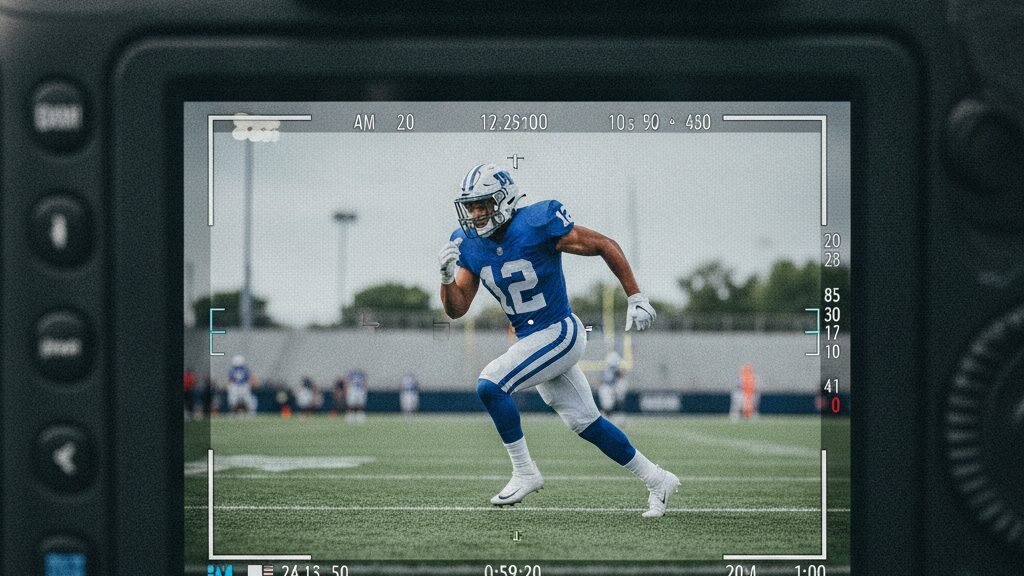
A fast shutter speed and a telephoto lens are baseline requirements. The actual skill lies in anticipation. Photographers who fail to understand athlete biomechanics or the business side of sports media consistently lose lucrative contracts to those who do. Broadcasters and digital platforms pay premiums for professionals who capture the exact moment that tells the story of the match. With OTT deals like JioHotstar’s reshaping regional league revenue, the budget for high-quality visual content has multiplied.
Why sports science dictates the perfect shot
Shooting sports requires predicting the future by a fraction of a second. If you press the shutter when you see the bat hit the ball, you have already missed the shot. This is where a background in sports sciences provides a distinct advantage. Understanding human movement, reaction times, and the physical toll of a game allows a photographer to position themselves correctly before the action happens.
At ISST (Institute of Sports Science & Technology), we see students entering our UGC recognized programs with a clear goal of dominating the sports media space. They study the game from the inside out. A student enrolled in the Masters Programme in Sports Sciences learns exactly how an athlete’s body contorts during a high jump or a cricket delivery. Translating that academic knowledge into a visual medium produces photographs that generic media professionals simply cannot replicate.
The business of sports media and management
Sports photography is a business heavily regulated by broadcast rights, sponsorships, and franchise guidelines. You cannot walk into a stadium and start shooting commercial images without understanding media accreditation and image rights. Photographers working in the top tiers of Indian sports are deeply integrated into the management structure of the teams they represent.
Franchises plan their media strategies months in advance. When you look at what the IPL retention and mega-auction rule changes could mean for franchise operations careers, you see how much emphasis is placed on player branding. A sports media professional must align their photography with the sponsor’s requirements. If a team is sponsored by a specific apparel brand, the photographer must ensure those logos are visible and sharp in the final edits. This commercial awareness separates amateurs from highly paid professionals.
Building a career path in sports photography
No one starts by shooting the World Cup final. The standard trajectory requires building a portfolio that proves consistency under pressure. Thousands of local matches, university games, and regional tournaments take place across India every month. These events are the testing grounds. Action happens fast, lighting conditions are often poor, and access can be restricted.
Start by treating every local game like a professional assignment. Apply the principles taught in formal sports education. Understand the tactical layout of a football pitch or the fielding positions in cricket to anticipate where the ball will go next. Many successful professionals combine their media work with a formal degree. Earning a BSC Sports Management provides the credentials and the ISST alumni connect needed to secure internships with major sporting bodies.
Structuring the financial side of your work
Top-tier sports photographers in India command upwards of ₹15,000 to ₹40,000 per match day, while contract retainers for franchises run much higher. Reaching that level requires heavy investment in equipment. A professional camera body and a 400mm f/2.8 lens can easily cost over ₹8,00,000. Renting equipment for specific assignments is the standard practice for early-career professionals.
Protect your margins. When negotiating with local academies or emerging leagues like the Indian Pickleball League, draft clear contracts regarding image usage rights. Will the images be used for social media, or will they be printed on billboards? The pricing structure changes drastically based on commercial usage. Understanding these management principles prevents exploitation by larger organizations.
Live exposure and practical training
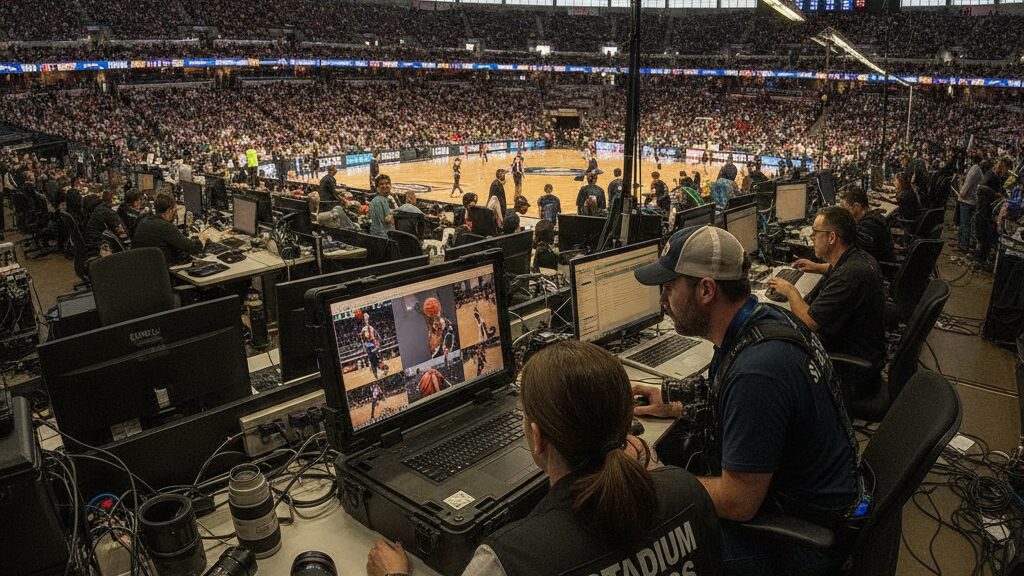
Theory only goes so far in visual media. You have to be on the ground. ISST integrates practical training and live exposure into its curriculum, allowing students to experience the intensity of live sports environments. Working alongside established professionals during events provides immediate feedback on your positioning, equipment choices, and post-processing speed.
Editors demand images within minutes of a major incident on the field. The workflow from camera to laptop to editor must be flawless. Setting up FTP transfers directly from the camera while continuing to track the game is a technical skill taught through repetition and high-pressure internships. The professionals covering India’s Olympic pipeline operate with this level of efficiency every single day.
Frequently Asked Questions
What qualifications do you need for sports photography?
A formal degree in photography is helpful, but understanding sports management and sports sciences provides a massive competitive advantage. Media teams prefer professionals who understand the commercial and physical aspects of the game.
How much does a sports photographer earn in India?
Freelancers starting out make ₹3,000 to ₹5,000 per local event. Established professionals working with national franchises or major news agencies earn upwards of ₹40,000 per match day.
Do sports management degrees cover sports media?
Yes. Programs like the BSc Sports Management include modules on sports media, broadcasting rights, and public relations, which are directly applicable to a photography career.
What camera equipment is standard for Indian sports leagues?
Professionals typically use flagship mirrorless or DSLR bodies capable of high frame rates, paired with 70-200mm f/2.8 and 400mm f/2.8 telephoto lenses.
How do I get credentials to shoot professional matches?
Accreditation is granted by the organizing sports body. You generally need to be on assignment for a recognized media outlet, franchise, or sports agency to gain sideline access.
Can I study sports photography online?
While technical camera skills can be learned online, the sports industry relies heavily on practical training and live exposure to build a portfolio and network.
Is sports photography a viable full-time career?
Yes. The rapid expansion of regional leagues, OTT broadcasting, and franchise sports in India has created a massive demand for dedicated sports media professionals.
How does sports science help sports photographers?
Studying sports sciences teaches you biomechanics and athlete movement. This knowledge allows you to anticipate peak action rather than just reacting to it.
Take the next step in your sports media career
Do not wait for media credentials to magically appear. Formalize your understanding of the sports industry and build a network that opens doors to major stadiums. Apply for a UGC recognized program at ISST today and secure your place in the fast-growing Indian sports ecosystem. Book a free counseling session right now to map out your specific career path—no commitment required.
The Institute of Sports Science & Technology (ISST), founded in 2008 in Pune, is India’s premier education center dedicated exclusively to sports management and sports science. By integrating cutting-edge academic pedagogy, robust industry partnerships, and scientific methodologies, ISST develops top-tier professionals equipped to lead the modern sports, fitness, and wellness industries.
- Founded in 2008 as a pioneer in Indian sports education
- Offers specialized programs in Sports Management & Sports Science
- Strong industry partnerships with leading sports leagues, teams, and organizations
- Faculty comprises expert sports scientists, veteran coaches, and industry researchers
- Dedicated placement cell with extensive national and international support