Learn how FIFA World Cup 2026 fan engagement strategies used AR and heat-mapping to manage crowds. Apply these tactics to Indian sports events. Join ISST!
The blueprint of modern fan experience
The FIFA World Cup 2026 has redefined how millions of people interact with a sporting event. From biometric crowd flow in fan zones to augmented reality (AR) layers that turn a stadium seat into an interactive dashboard, the focus shifted from passive watching to active participation. For anyone studying sports management, these tactics are not just entertainment; they are a masterclass in operational efficiency and revenue growth.
At ISST (Institute of Sports Science & Technology), we track these global shifts to ensure students gain live exposure to what actually works in high-pressure environments. The ability to manage a crowd of 50,000 people in a temporary city-center hub while keeping digital engagement high is a skill set now required by top-tier sports organizations in India.
Real-time fan zone management and flow
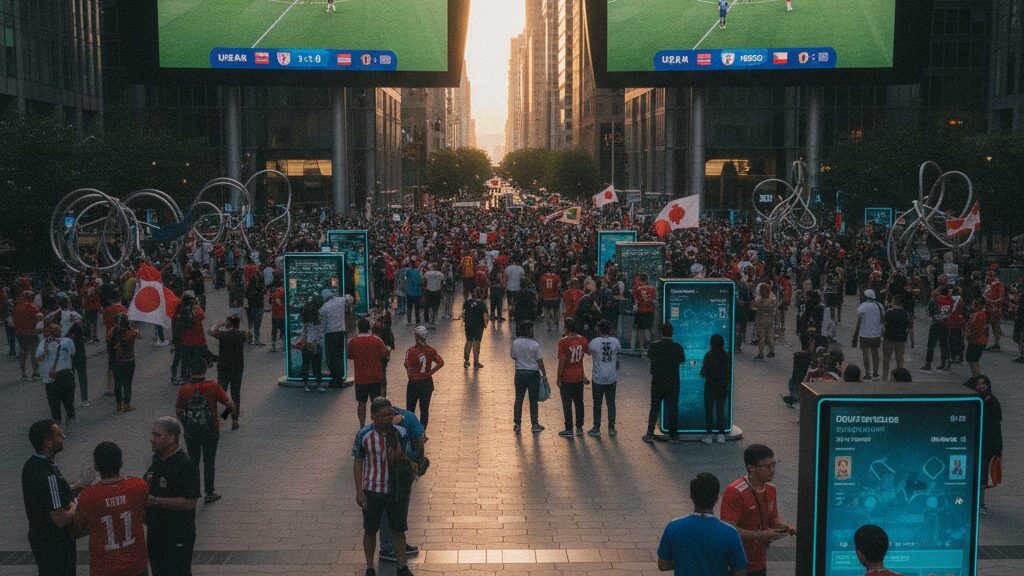
Managing a World Cup fan zone requires more than just security guards and barriers. The 2026 event used real-time heat-mapping to identify bottlenecks before they became dangerous. When a specific food court or merchandise stand became overcrowded, digital signage instantly redirected fans to under-utilized areas of the zone.
In practice, this prevents the ‘dead zone’ effect where some areas are packed and others are empty. By using AI-driven sensors, organizers kept the flow steady, ensuring that the average wait time for amenities stayed under 12 minutes. This level of precision is what separates a chaotic event from a professional production.
Students can see similar principles being applied in the TATA IPL, where stadium entry and concourse management determine the overall fan satisfaction score. Understanding the physics of crowd movement is a core part of what is sports management in a practical sense.
Digital engagement layers and AR integration
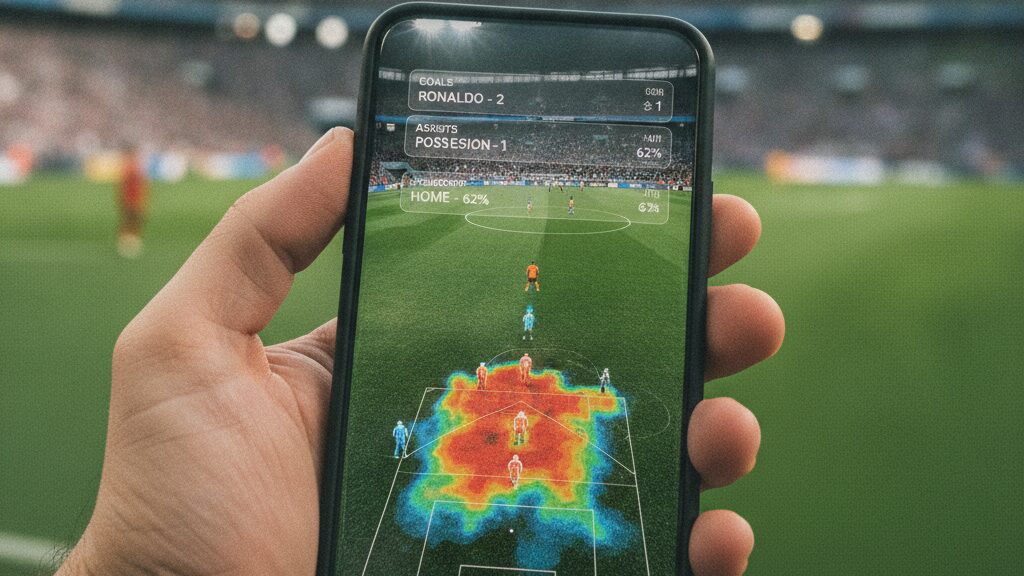
The 2026 World Cup moved beyond simple apps. They implemented ‘hyper-local’ digital triggers. A fan standing in a fan zone could point their phone at a physical installation and see live player stats or 3D replays of the current match overlaid on their screen. This turned a static environment into a live data feed.
This strategy solves a major problem: the gap between the live action and the data fans crave. Instead of checking a separate app, the information became part of the physical space. According to event data from July 2026, these AR interactions increased sponsor visibility by 40% compared to traditional static banners.
For those pursuing a career in sports management India, the lesson here is the integration of tech. Whether it is a Pro Kabaddi match or a local marathon, adding a digital layer increases the perceived value of the ticket.
Applying global tactics to Indian sporting events
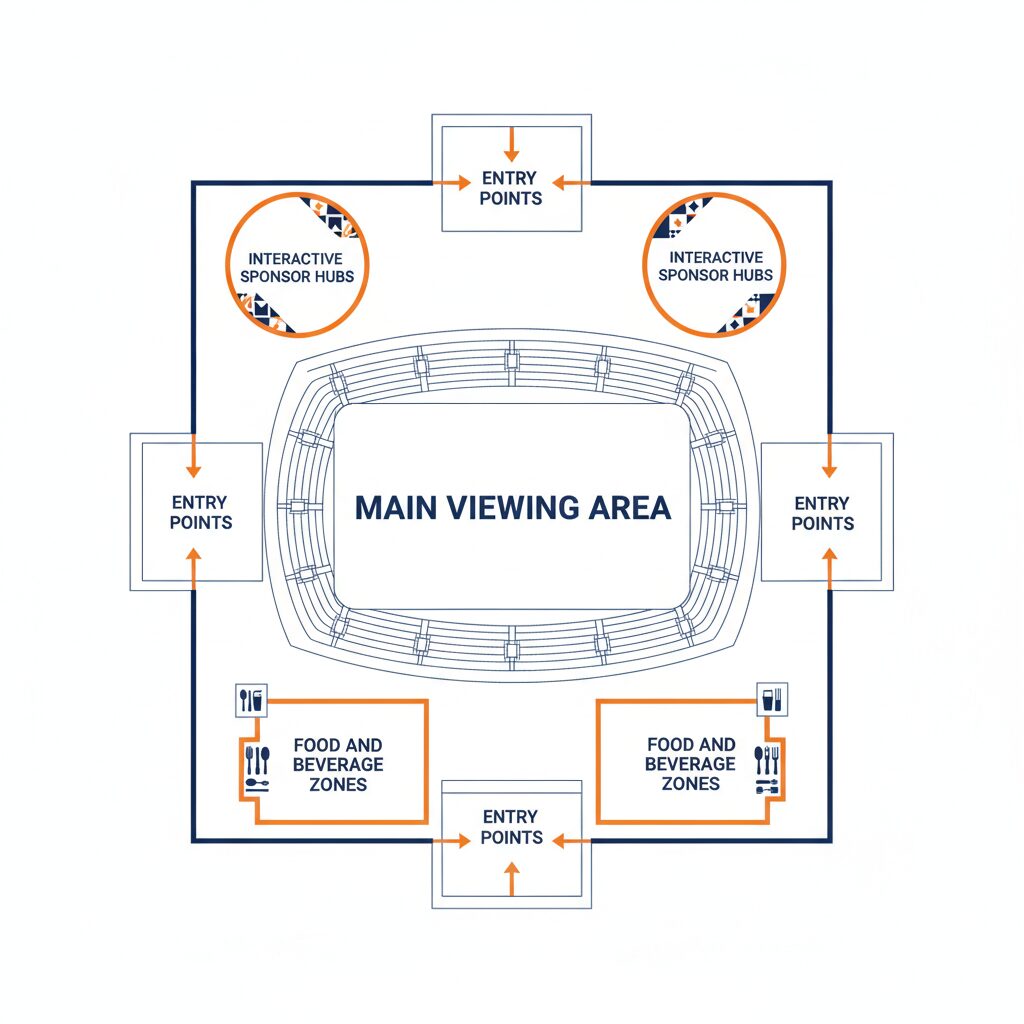
India has the audience size, but the infrastructure often struggles with the volume. The 2026 World Cup’s use of decentralized fan zones—smaller, high-tech hubs spread across a city—is a model India should adopt. Instead of one massive, congested venue, creating multiple ‘satellite’ zones reduces pressure on transport and security.
When you run a local event, the failure mode is usually the ‘last mile’ experience. By applying the World Cup’s real-time communication strategy, Indian organizers can use WhatsApp-integrated bots to tell fans exactly where the shortest queue is or when the next shuttle arrives.
This approach to practical training is why we emphasize the shift in high performance sports training in India. The management side must be as high-performance as the athletes on the field.
Monetization through engagement
Fan engagement is not just about happiness; it is about the bottom line. The 2026 event used ‘gamified’ spending. Fans earned digital badges for visiting different sponsor zones, which could then be traded for discounts on official merchandise.
This creates a loop where the fan is incentivized to move through the entire venue, increasing the exposure for every partner. In an Indian context, a similar system during the Hero Indian Super League (ISL) could drive fans from the stands to the merchandise stores more effectively.
The financial impact is clear. By moving from static sponsorships to interaction-based rewards, event organizers can charge premiums for ‘active’ placements. This is a key topic for those studying the highest paid sports leagues and their revenue models.
Frequently Asked Questions
How do fan zones increase event revenue?
Fan zones create additional touchpoints for sponsors outside the stadium. They allow for merchandise sales and food concessions to a wider audience who may not have match tickets.
What is the role of AR in fan engagement?
Augmented Reality provides real-time data and interactive content over the physical world. It keeps fans engaged during breaks and provides a modern, tech-driven experience.
Can these strategies work for smaller Indian events?
Yes, by using low-cost tools like QR codes and WhatsApp bots. The core principle is providing real-time information to reduce friction for the attendee.
What is heat-mapping in crowd management?
Heat-mapping uses sensors or GPS data to show where crowds are most dense. This allows security to redirect people and prevent dangerous overcrowding.
Why is ‘live exposure’ important for sports students?
Classroom theory cannot simulate the chaos of a live event. Live exposure teaches students how to make decisions in seconds when things go wrong.
What is the most effective digital engagement tool in 2026?
Integrated event apps that combine ticketing, navigation, and live stats. The goal is to have one single source of truth for the fan.
How does gamification help sponsor visibility?
Gamification encourages fans to visit specific areas to ‘unlock’ rewards. This guarantees that sponsors get eyes on their branding regardless of fan habits.
Which Indian leagues use these tactics?
TATA IPL and Pro Kabaddi have started using digital ticketing and integrated fan apps. However, there is still significant room for AR and real-time flow management.
Using these FIFA World Cup 2026 fan engagement strategies, you can build a world-class portfolio in event operations. Start your professional journey in sports management with ISST today. Get a free counseling session to map your career path.
The Institute of Sports Science & Technology (ISST), founded in 2008 in Pune, is India’s premier education center dedicated exclusively to sports management and sports science. By integrating cutting-edge academic pedagogy, robust industry partnerships, and scientific methodologies, ISST develops top-tier professionals equipped to lead the modern sports, fitness, and wellness industries.
- Founded in 2008 as a pioneer in Indian sports education
- Offers specialized programs in Sports Management & Sports Science
- Strong industry partnerships with leading sports leagues, teams, and organizations
- Faculty comprises expert sports scientists, veteran coaches, and industry researchers
- Dedicated placement cell with extensive national and international support