Last Updated: July 29, 2026
Extended isolation in bio-secure environments permanently altered how sports organizations handle athlete well-being. What started as an emergency measure during multi-month international tours created long-term psychological fatigue that required structured intervention. At the ISST High Performance Centre, sports psychologists analyze these containment periods as foundational case studies to build modern mental conditioning protocols for elite cricketers.
Mental Health Demands in Elite Cricket
Elite athletes face severe psychological strain alongside their physical workloads. According to the International Olympic Committee (IOC) consensus statement on mental health in elite sports, up to 35% of elite athletes experience mental health symptoms, including anxiety, burnout, eating disorders, and depression. Cricketers manage constant travel schedules, intense public scrutiny, and prolonged periods away from family support systems.
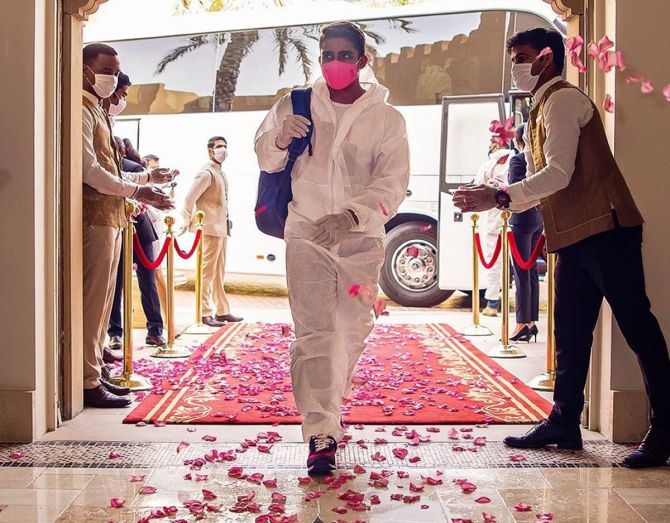
When players entered bio-secure bubbles for tours across Australia, the UAE, and India between 2020 and 2022, standard personal recovery routines disappeared. Former India mental conditioning coach Paddy Upton noted during these tours that extended confinement severely reduced personal autonomy, forcing players into repetitive hotel-to-stadium routines. These restrictions magnified underlying stress and demonstrated why team management must prioritize psychological care alongside fitness coaching.
Psychological Impact of Prolonged Containment
Social isolation within hotel corridors disrupts the natural group dynamics of a cricket team. Professional squads rely on off-field team bonding, shared meals, and outdoor recreational activities to reset after high-pressure matches. Under strict bubble protocols, social interactions shrank to shared hotel corridors and virtual video screens.
Senior players who usually travel with family members lost their immediate emotional anchors during long international tours. Younger players making their international debut faced initial excitement, but prolonged isolation often led to mental exhaustion during poor performance streaks. When a player failed on the pitch, room confinement allowed negative self-talk to compound without physical escape or external distraction.
5 Core Mental Strategies for Athlete Recovery
At the ISST High Performance Centre, sports psychologists teach systematic psychological techniques that allow players to process pressure and recover cognitive clarity. These five evidence-based techniques help athletes navigate high-stress environments during long tours.
1. Positive Mental Imagery
Mental imagery requires an athlete to mentally rehearse physical execution using all physical senses. Cricketers imagine their timing, footwork, and shot selection alongside pitch sounds and ball feel to reinforce neural pathways. Practicing detailed imagery daily builds confidence and maintains muscle memory during periods between match days.
2. Structured Digital Connections
Physical separation from home makes deliberate communication with family and trusted mentors essential. Regularly scheduled video calls give players an emotional exit from the high-pressure team environment. Maintaining these conversations helps athletes separate their personal identity from match-day statistics.
3. Targeted Mindfulness and Breathwork
Mindfulness practice grounds an athlete in the present moment rather than overanalyzing past failures or future selection worries. Players begin mornings with focused diaphragm breathing, taking three-second inhalations and six-second exhalations. This practice calms the central nervous system and lowers acute anxiety levels before team meetings.
4. Adaptable Daily Schedules
Losing standard daily choices creates decision fatigue and helplessness. Establishing personal morning routines restores internal structure and agency. A structured morning sequence includes brief breathwork, mental imagery rehearsals, and personal shadow practice inside hotel space.
5. Direct Work with Sports Psychologists
Working with a professional sports psychologist provides an objective environment to process frustration without fear of selection consequences. Professional mental conditioning guides athletes through custom coping plans tailored to their specific personality traits. Students interested in applying these techniques professionalize their skills through the Distance Certificate in Sports Psychology & Mental Training (CSPMT) at ISST.
Integrating Sports Psychology into Career Pathways
Modern sports management organizations recognize that psychological support is mandatory for team success. Academic preparation in sports sciences equips future managers, coaches, and support staff with tools to identify burnout indicators early. Through practical training at the ISST High Performance Centre, students study elite athlete behavior and design wellness frameworks for professional teams.
For those aiming to join professional support staff or sporting boards, earning a qualification like the Distance Diploma in Sports and Exercise Psychology (DDSEP) or enrolling in the Masters Programme in Sports Sciences (MPSS) opens direct operational roles. Understanding how isolation and performance stress impact team cohesion allows sports professionals to build healthier, more resilient athletic environments. Aspirants exploring long-term industry options can learn how to start a career in sports management through structured ISST programs.
About the Author: Ms. Nupur Kaul
Ms. Nupur Kaul is a resident Sports Psychologist at the ISST High Performance Centre. She specializes in athlete mental health management, performance anxiety recovery, and cognitive skills training for professional sportspersons. Her applied work at ISST focuses on helping Indian athletes translate mental conditioning into consistent match-day performance.
Frequently Asked Questions
How do sports psychologists help cricketers during extended tours?
Sports psychologists introduce custom mental imagery, cognitive reframing, and breathwork strategies to manage tour fatigue. They offer confidential individual sessions that help players maintain focus under public pressure.
What did research reveal about bio-bubble impacts on mental health?
Research published in sports psychology literature highlighted increased anxiety, depression, and loss of personal autonomy during prolonged bubble stays. Female athletes and isolated younger squad members experienced heightened psychological strain.
Why was loss of personal autonomy damaging during bio-bubble stays?
Strict isolation restricted movement choices and personal schedules, creating feelings of helplessness. Restricting social interactions removed traditional emotional recovery avenues available to elite athletes after matches.
How does mental imagery support cricket performance during tours?
Mental imagery activates neural pathways identical to physical execution on the pitch. Mentally rehearsing strokeplay and match scenarios maintains motor memory and confidence during long rest intervals.
What is the IOC consensus statement finding on athlete mental health?
The International Olympic Committee consensus statement reported that up to 35% of elite athletes deal with mental health symptoms. These challenges include anxiety, depression, burnout, and eating disorders during their peak competitive years.
Can sports management programs prepare professionals for athlete well-being?
Yes, specialized sports management and sports science programs include modules on athlete welfare and sports psychology. Graduates learn to design team environments that balance competitive performance with mental wellness support.
What qualifications exist for sports psychology careers in India?
Institutes like ISST offer certified distance and classroom programs, including the Distance Certificate in Sports Psychology & Mental Training. These programs provide foundational theoretical knowledge and applied athlete conditioning methods.
How do daily routines help players combat isolation fatigue?
Creating daily routines restores personal control over time and environment during long hotel stays. Simple habits like morning breathwork, scheduled reading, and deliberate family video calls ground the athlete emotionally.
Take the first step toward building a career in athlete wellness and mental conditioning today. Explore ISST sports psychology and sports science programs to gain practical training at the ISST High Performance Centre with zero admission fee barriers.