
This National Sports Day (India), explore high-growth non-playing careers. Discover how proper sports education leads to stable roles in management.
The Shifting Focus of National Sports Day (India)
August 29 marks National Sports Day (India). Fans celebrate the athletes who bring home medals and break records on the international stage. The reality behind those medals tells a different story. For every athlete stepping onto the podium, a team of professionals manages their training, contracts, and commercial rights. The sports ecosystem relies entirely on non-playing careers to function.
We traditionally view this day through the lens of on-field performance. The current industry demands a broader view. Managing a successful team in the Hero Indian Super League (ISL) requires operational managers, data analysts, and sports science specialists. This shift from player to professional defines the modern sports economy. Proper sports education bridges the gap between casual fandom and a structured career in sports.
Core Non-Playing Career Tracks in Sports Management
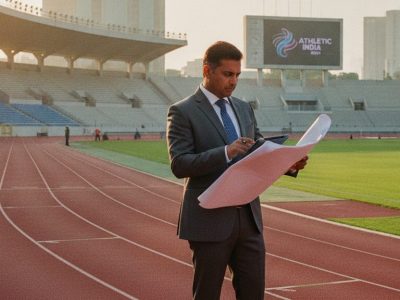
Managing events requires precision and logistical planning. A single match involves ticketing, crowd control, broadcast logistics, and sponsor activations. Students pursuing a UGC recognized degree in sports management learn these mechanics through practical training. They study anti-doping compliance and NADA regulations to keep organizations out of legal trouble.
Live exposure provides the baseline experience necessary for operations roles. Internships with leagues like Pro Kabaddi and Khelo India teach students how to handle high-pressure environments. We see this progression frequently through our ISST alumni connect network. Graduates move from academic theory into active roles managing talent and organizing regional tournaments. If you want to understand the representation side, learning how to become a sports agent in India requires mastering contract negotiation and brand management.

The Rise of Sports Sciences and High Performance
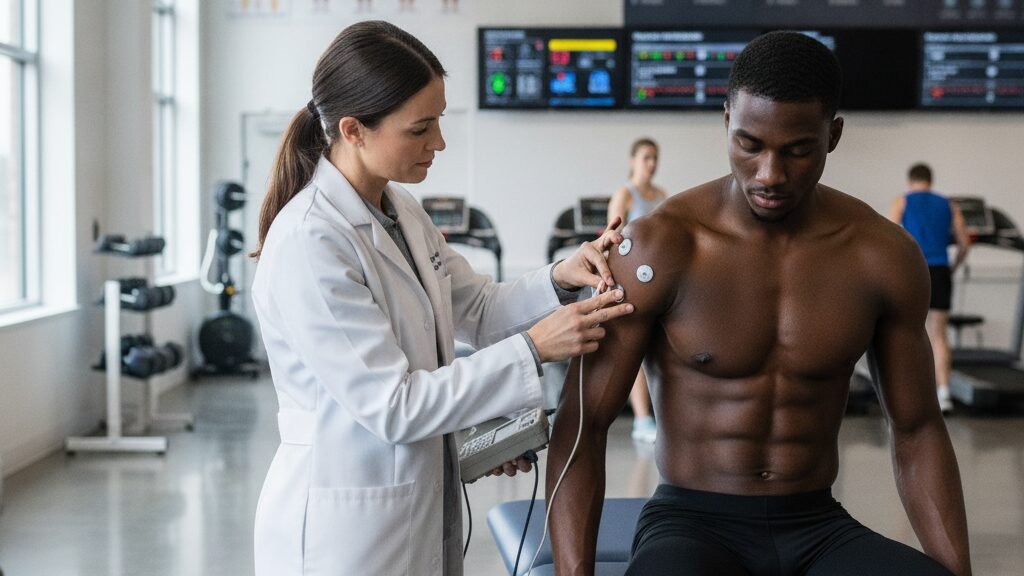
Performance relies on data and physiological management. Coaches track player metrics to prevent injury and optimize recovery. At the ISST High Performance Centre, students analyze biomechanics and nutritional planning. They learn what wearable tech actually measures during high-intensity training sessions.
A career in sports sciences focuses entirely on maximizing the human machine. A franchise managing a TATA IPL team employs specialized strength and conditioning coaches to monitor player fatigue across a grueling two-month schedule. Understanding the scope of BSc Sports Science in India reveals opportunities in biomechanics, sports psychology, and elite athletic rehabilitation.
Connecting Education to Industry Reality Before National Sports Day (India) Returns
Securing a job in this sector requires more than enthusiasm. Teams and agencies hire professionals who understand broadcasting rights, compliance, and sports law. Programs like the Masters Programme in Sports Sciences (MPSS) or a Post Graduate Diploma build a structured foundation for this knowledge. These credentials signal to employers that you understand the business side of the game.
Experience dictates hiring decisions in the sports industry. Internships with organizations like the Sports Authority of India (SAI) or retail brands like Puma and Decathlon build a verifiable resume. Practical training separates candidates who merely like sports from those who can execute a marketing campaign or manage a stadium facility.
Frequently Asked Questions
What are the most common non-playing careers in sports?
Common roles include sports facility managers, sports scientists, talent agents, and marketing executives. These positions ensure athletes and teams operate efficiently behind the scenes.
Do I need an athletic background to work in sports management?
You do not need to be a former athlete. Success relies on business acumen, organizational skills, and specialized sports education rather than on-field talent.
What degrees help secure a career in sports?
Degrees like a BBA in Sports Management or a BSc in Sports Sciences provide the necessary academic foundation. Employers prefer candidates with specialized, UGC recognized qualifications.
Are there internship opportunities in Indian sports leagues?
Yes, major events like the TATA IPL and Pro Kabaddi frequently offer internships in operations and marketing. These roles provide essential live exposure for students.
What is the role of a sports scientist?
A sports scientist analyzes human performance using biomechanics, physiology, and nutrition. They work directly with athletes to improve results and prevent injuries.
How is technology changing non-playing sports careers?
Data analytics and wearable technology now drive decision-making in scouting and performance management. Professionals must understand how to interpret this data to stay competitive.
Is sports management a stable career choice in India?
The commercialization of regional leagues and international events has created a highly stable job market. Consistent industry growth requires trained professionals to manage operations.
How do I start transitioning into a sports career today?
Begin by enrolling in a specialized sports management or sciences program to build your knowledge base. Seek out internships for practical training and connect with industry alumni.
This National Sports Day (India), start building your professional career in sports by exploring our sports management courses at ISST. Apply for a program today to secure your future in the sports ecosystem.
The Institute of Sports Science & Technology (ISST), founded in 2008 in Pune, is India’s premier education center dedicated exclusively to sports management and sports science. By integrating cutting-edge academic pedagogy, robust industry partnerships, and scientific methodologies, ISST develops top-tier professionals equipped to lead the modern sports, fitness, and wellness industries.
- Founded in 2008 as a pioneer in Indian sports education
- Offers specialized programs in Sports Management & Sports Science
- Strong industry partnerships with leading sports leagues, teams, and organizations
- Faculty comprises expert sports scientists, veteran coaches, and industry researchers
- Dedicated placement cell with extensive national and international support