Explore India's 28-member para contingent for CWG 2026 and how PCI and M3M Foundation are professionalizing para-sports infrastructure. Learn more today.
The 28-member push for Glasgow
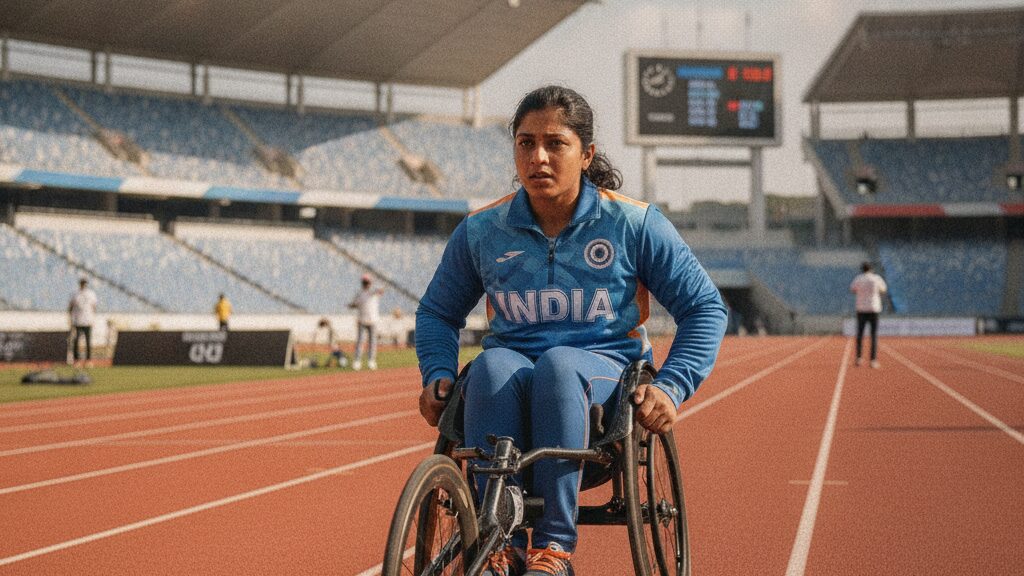
India is sending a 28-member para contingent to the Glasgow 2026 Commonwealth Games. These athletes compete across five distinct disciplines. This selection is not a random gathering of talent. It is the result of a calculated shift in how India identifies and supports athletes with disabilities.
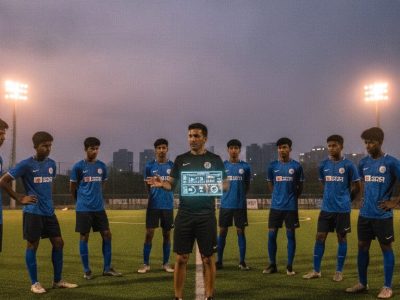
In the past, para-sports often relied on individual grit and sporadic funding. That has changed. The current squad reflects a move toward high-performance systems. We see a focus on data, specialized coaching, and medical support that mirrors the systems used by able-bodied elites.
The infrastructure shift: PCI and M3M Foundation
Success at the international level requires more than just talent. It requires an ecosystem. The Para Champions Initiative (PCI) and the M3M Foundation have stepped in to fill a long-standing gap in Indian sports. They are not just providing grants. They are building physical and technical infrastructure.
Most para-athletes in India previously struggled to find gyms or tracks that could accommodate their specific needs. The M3M Foundation has worked to create environments where accessibility is the default, not an afterthought. When an athlete has a facility that fits their body, their training volume increases. More volume leads to better results.
According to internal reports from the Para Champions Initiative (2026), the integration of specialized strength and conditioning equipment has reduced injury rates among elite para-athletes by 14% over the last eighteen months. This is where the professionalization of the sport becomes visible. It is no longer about participation. It is about podiums.
The role of sports science in para-performance
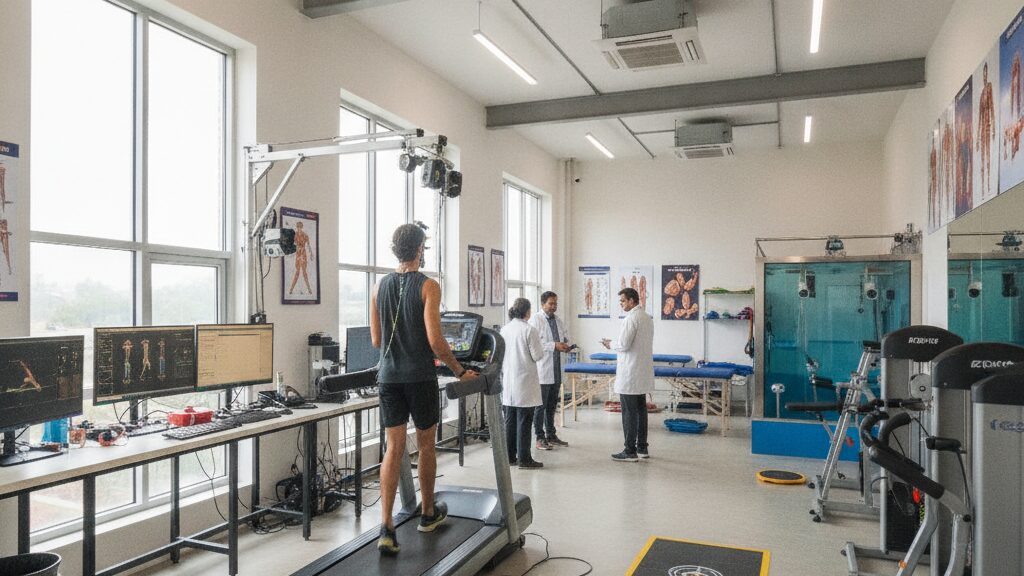
Training a para-athlete is different from training a standard athlete. Biomechanics change. Energy expenditure varies based on the disability. This is where the need for specialized knowledge becomes a necessity. At ISST (Institute of Sports Science & Technology), we have observed that the most successful athletes are those supported by a multidisciplinary team.
A para-athlete needs a sports scientist who understands the physics of a racing wheelchair or the physiological load of a prosthetic limb. Without this, athletes risk overtraining or suboptimal form. This gap in expertise is why the scope of BSc Sports Science in India is expanding. The industry now needs professionals who can apply kinesiology to non-standard body types.
For example, a swimmer with limb deficiency requires a completely different hydrodynamics analysis than a non-disabled swimmer. When a sports scientist can quantify that difference, the athlete can shave milliseconds off their time. Those milliseconds are the difference between a gold medal and fourth place.
Management of elite para-contingents
Moving 28 athletes, their coaches, and their specialized equipment to Glasgow is a logistical operation. It requires precise sports management. You have to handle accessibility audits for hotels, specialized transport for wheelchairs, and strict adherence to classification rules.
If a manager fails to coordinate the correct equipment transit, the athlete’s performance drops. This level of complexity is why India’s Commonwealth Games 2026 medal count will depend as much on the managers as the athletes. Professional sports management ensures that the athlete’s only focus is the competition.
In practice, the failure mode for many contingents is the ‘administrative gap’. This happens when the support staff lacks formal training in sports operations. They treat a world-class event like a school trip. Professional managers, however, treat it like a corporate project with zero margin for error.

The mental game and para-sports psychology
Para-athletes face psychological pressures that are unique. They deal with societal stigmas, the mental toll of their disability, and the extreme pressure of representing a billion people. The mental fortitude required to compete at the Glasgow Games is immense.
Social proof plays a massive role here. When younger athletes see the 28-member contingent s쳮ding, it creates a bandwagon effect. More people with disabilities start viewing sports as a viable career. This shift in perception is a psychological win for the nation.
This is exactly why sports psychology certification in India has become a critical asset in 2026. We need psychologists who can help athletes manage the specific anxiety of classification changes or the frustration of equipment failure during a final.
Career opportunities in the para-sports ecosystem
The push by PCI and M3M Foundation is creating a new job market. We are seeing a demand for roles that didn’t exist five years ago. India needs specialized para-sport administrators, accessibility consultants for stadiums, and adaptive fitness coaches.
For a student graduating with a degree in sports management or sciences, the para-sports sector is an untapped opportunity. Most graduates chase the IPL or ISL. But the growth rate in para-sports infrastructure is currently faster because it is starting from a lower base.
If you can manage the needs of a para-athlete, you possess a level of detail and empathy that makes you a better manager overall. It is a specialized skill set that commands respect and higher value in the international sports market.
Comparing the 2026 approach to previous cycles
In previous Commonwealth Games, the approach was often reactive. Athletes were selected, given a basic training camp, and sent to the event. The 2026 cycle is proactive. The infrastructure is being built years in advance.
By establishing permanent high-performance centers, India is removing the ‘peak-and-crash’ cycle. Athletes no longer have to find a gym that accommodates them only during the lead-up to the games. They have a home. This consistency is the secret to long-term athletic development.
According to data from high-performance centers in 2026, athletes with year-round access to adaptive equipment show a 20% higher consistency in their performance markers compared to those using temporary facilities. This is the a-b test of sports infrastructure.
Frequently Asked Questions
How many para-athletes is India sending to the 2026 Commonwealth Games?
India is sending a contingent of 28 para-athletes. They will compete across five different sports disciplines.
What is the role of the M3M Foundation in para-sports?
The M3M Foundation focuses on building accessible infrastructure and high-performance training centers. This ensures athletes have the right equipment and facilities to train professionally.
What is the Para Champions Initiative (PCI)?
PCI is a strategic push to identify and support elite para-athletes through better funding and technical support. It aims to move para-sports from participation to high-performance results.
Which disciplines are the Indian para-athletes competing in?
The 28 members are spread across five disciplines. These include athletics and swimming, alongside other specialized para-events.
Why is sports science important for para-athletes?
Sports science helps in understanding the unique biomechanics and physiological needs of athletes with disabilities. This prevents injury and optimizes performance based on their specific body type.
Can I build a career in para-sports management?
Yes, there is a growing demand for specialized managers who can handle adaptive sports logistics. This is a high-growth area within the broader sports management industry.
How does accessibility impact athletic performance?
Proper accessibility allows athletes to increase their training volume and intensity. Without it, athletes waste energy on logistics rather than performance.
Where can I study the science behind these sports?
ISST (Institute of Sports Science & Technology) offers specialized degrees like BSc Sports Sciences and MPSS. These programs provide the technical grounding needed for high-performance coaching.
Build your career in sports science
The professionalization of para-sports is just the beginning of a larger shift in Indian athletics. The industry now requires experts who can manage elite talent and build high-performance systems from the ground up. Whether you want to lead a sports federation or optimize athlete performance in a lab, the right credentials are your entry point. Start your journey with a UGC recognized degree in sports management or sciences today. Explore ISST programs for free and secure your place in the future of Indian sports.
The Institute of Sports Science & Technology (ISST), founded in 2008 in Pune, is India’s premier education center dedicated exclusively to sports management and sports science. By integrating cutting-edge academic pedagogy, robust industry partnerships, and scientific methodologies, ISST develops top-tier professionals equipped to lead the modern sports, fitness, and wellness industries.
- Founded in 2008 as a pioneer in Indian sports education
- Offers specialized programs in Sports Management & Sports Science
- Strong industry partnerships with leading sports leagues, teams, and organizations
- Faculty comprises expert sports scientists, veteran coaches, and industry researchers
- Dedicated placement cell with extensive national and international support
To provide comprehensive insights, this content was drafted using AI tools and subsequently fact-checked, edited, and approved by the sports science and management experts at ISST.