India's Glasgow 2026 success proves the power of sports science. Discover how the medal count is creating a surge in sports management and coaching jobs.
The hidden engine behind the medal tally
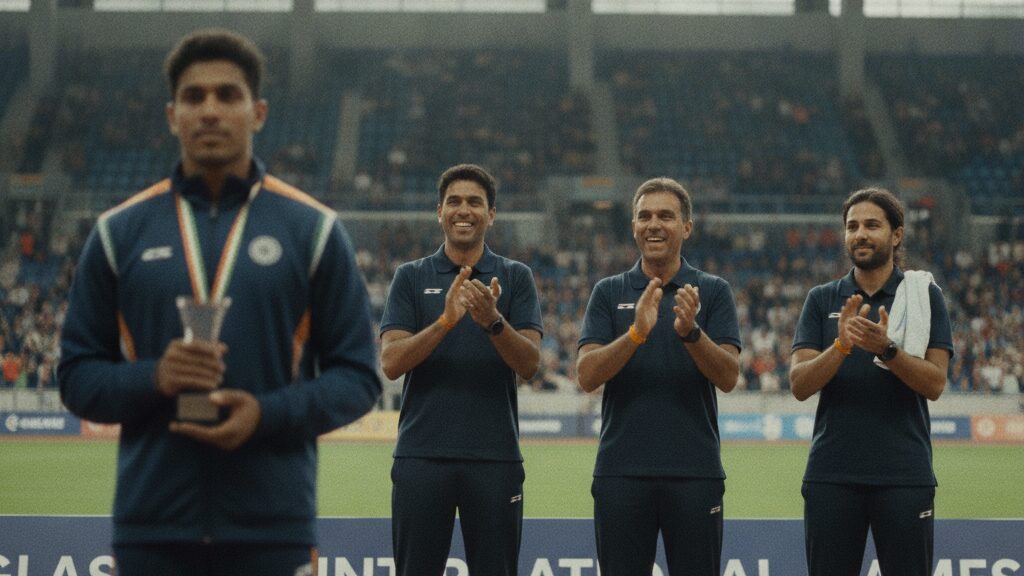
India finished the Glasgow 2026 games with a haul of 62 medals, including 18 golds. While the headlines focus on the athletes on the podium, a different story exists behind the scenes. These numbers are not accidental. They are the result of a calculated professional infrastructure involving sports scientists, high-performance coaches, and meticulous administrators.
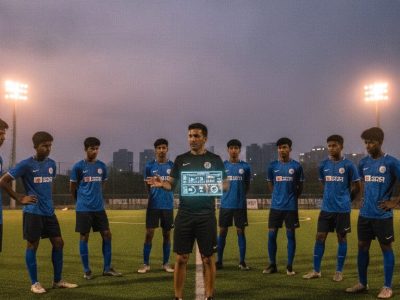
In our work at ISST (Institute of Sports Science & Technology), we see this shift every day. The era of relying solely on raw talent is over. Today, a medal is a product of a support system. When a wrestler hits a personal best or a sprinter shaves off a tenth of a second, it is usually because a strength and conditioning coach adjusted their load or a sports nutritionist tweaked their macros.
Why medal counts trigger hiring surges
Success in major events creates a psychological anchor for the entire nation. When India wins big, the government and private academies increase funding. This influx of capital does not just go to the athletes. It flows into the professional roles that made the victory possible.
According to industry trends seen in 2026, every gold medal typically correlates with an increased demand for specialized support staff in regional academies. For every elite athlete, there is now a need for a dedicated physio, a mental trainer, and a logistics manager. This is where the career opportunities lie for those with the right credentials.
The rise of the high-performance professional
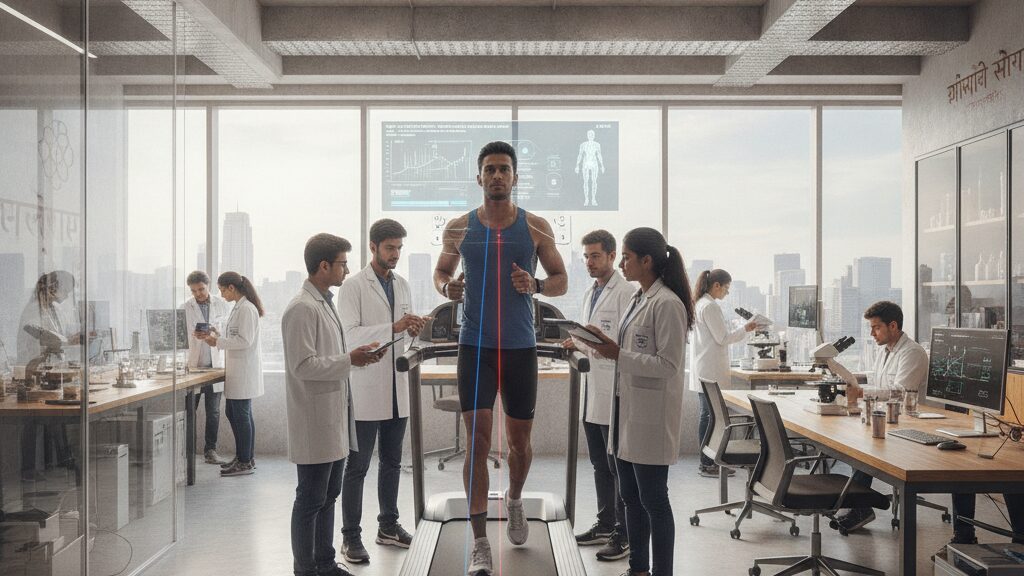
Modern sports science has moved from the periphery to the center of training. The 2026 results highlight the impact of data-driven performance. Athletes are no longer just training harder; they are training smarter. This requires professionals who can interpret biomechanical data and manage recovery cycles.
In practice, the failure mode for many athletes is overtraining. A qualified sports scientist prevents this by monitoring heart rate variability and sleep patterns. Those holding a BSc in Sports Science provide the technical backbone that allows an athlete to peak exactly during the competition window.
Sports management as the logistical glue
Winning a medal in Glasgow requires more than just physical prowess. It requires a seamless operation. From managing visas and travel to coordinating with international federations, the administrative burden is immense. This is the domain of sports management.
A sports manager ensures that the athlete is not distracted by bureaucracy. They handle the sponsorship contracts, the scheduling, and the facility bookings. Those who understand the jobs available in sports management find themselves in high demand as India builds more professional leagues and high-performance centers.
Bridging the gap between talent and podiums
India has an abundance of talent but has historically lacked the middle-layer of professional support. The 2026 medal count suggests this gap is closing. We are seeing a transition from a ‘coach-only’ model to a ‘multidisciplinary team’ model.
At the ISST High Performance Centre, we emphasize that practical training is the only way to master this. Reading about recovery is different from managing a dehydrated athlete in a high-pressure environment. The shift toward UGC recognized degrees and professional certifications ensures that the people managing our athletes are actually qualified to do so.
The specific roles now in demand
Following the Glasgow games, three specific areas are seeing a spike in job postings:
1. Strength and Conditioning (S&C) Coaches: Focus on injury prevention and explosive power.
2. Sports Physiotherapists: Specializing in rapid recovery and joint mobilization.
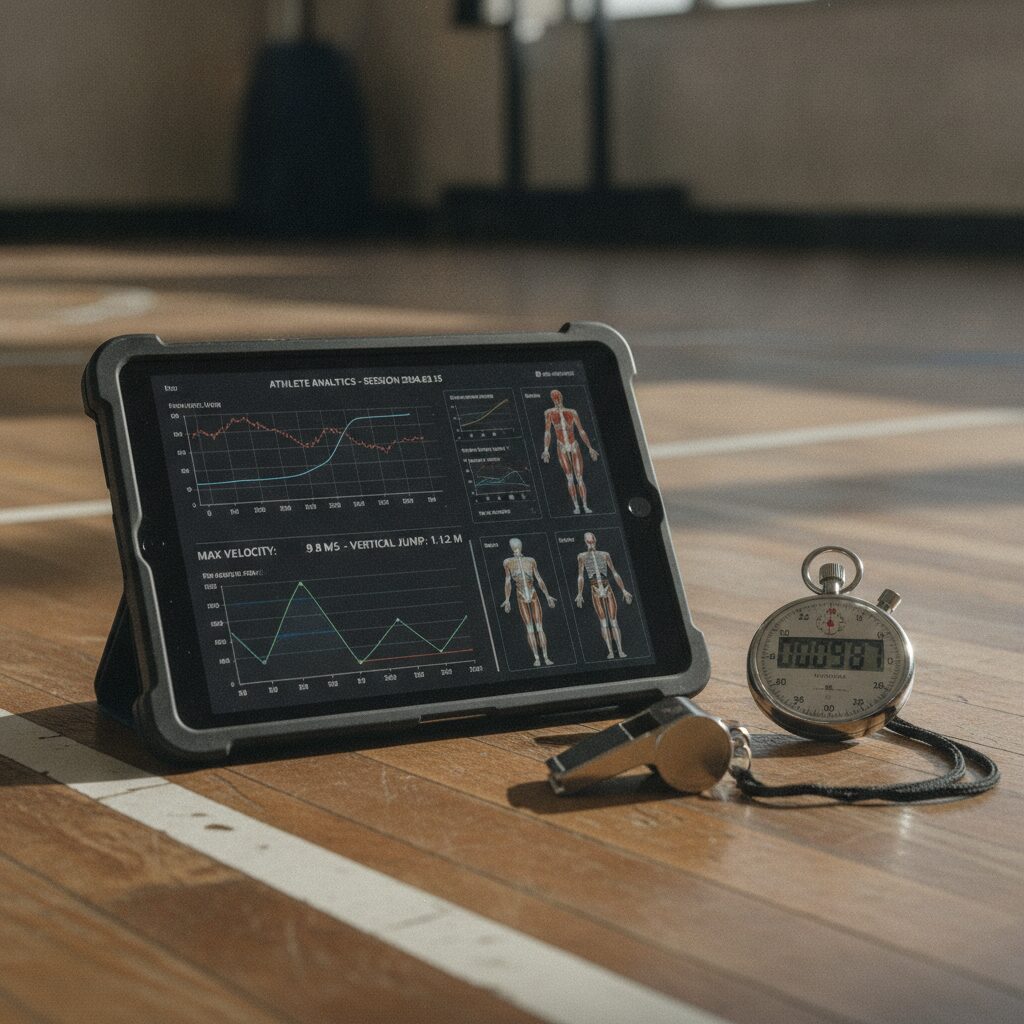
3. Performance Analysts: Using video and sensor data to find technical flaws in an athlete’s form.
These roles are no longer exclusive to the national team. State-level academies and private sports ventures in India are now hiring for these positions to replicate the success seen on the international stage.
Building a career in the support system
Many sports enthusiasts believe the only way to enter the industry is by being a professional athlete. This is a misconception. The support system is often more stable and offers more long-term growth. While an athlete’s career might end at 30, a sports manager or scientist is just hitting their prime.
Starting with a degree like the MPSS or a PGD in sports sciences allows you to enter the field with authority. When you can show a recruiter that you understand the principles of periodization or the legalities of sports contracts, you move from being a fan to being a professional.
Frequently Asked Questions
How does a medal count affect sports jobs?
Higher medal counts increase funding and investment in sports infrastructure. This leads to more hiring of coaches, physios, and managers to maintain that success.
Which degree is best for a career in sports science?
A BSc in Sports Science provides the foundational knowledge. For advanced roles, a Masters Programme in Sports Sciences (MPSS) is highly valued.
Can I work in sports management without being an athlete?
Yes, sports management is a business and administrative role. It requires management skills, not athletic performance.
What is the role of a sports scientist in a team?
They use data and biology to optimize an athlete’s performance. This includes managing nutrition, recovery, and biomechanics.
Are sports management degrees recognized in India?
Yes, UGC recognized degrees ensure that your qualification is valid for both government and private sector jobs.
What is a high-performance center?
It is a specialized facility that combines coaching, medical support, and science. It aims to push athletes to their absolute physical limit.
Do I need a certification to become a sports coach?
While experience helps, professional certifications provide the theoretical framework needed for elite-level coaching.
What is the salary outlook for sports scientists in 2026?
Salaries have risen as more private academies open. Specialist roles in S&C and nutrition now command premium fees in urban hubs.
Secure your place in the professional sports industry. Explore ISST sports programs today and start your career with no application fee.
The Institute of Sports Science & Technology (ISST), founded in 2008 in Pune, is India’s premier education center dedicated exclusively to sports management and sports science. By integrating cutting-edge academic pedagogy, robust industry partnerships, and scientific methodologies, ISST develops top-tier professionals equipped to lead the modern sports, fitness, and wellness industries.
- Founded in 2008 as a pioneer in Indian sports education
- Offers specialized programs in Sports Management & Sports Science
- Strong industry partnerships with leading sports leagues, teams, and organizations
- Faculty comprises expert sports scientists, veteran coaches, and industry researchers
- Dedicated placement cell with extensive national and international support
To provide comprehensive insights, this content was drafted using AI tools and subsequently fact-checked, edited, and approved by the sports science and management experts at ISST.