
The Profit Behind the Play
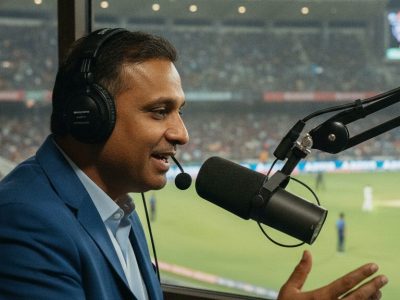
Most graduates enter the sports industry because they love the game. They remember the tension of the final over in the TATA IPL or the rush of a last-minute goal in the Hero Indian Super League (ISL). But in May 2026, passion is the cheapest commodity on the market. It is everywhere. What is scarce, and therefore valuable, is the ability to manage a ₹15,000 crore ecosystem with surgical precision. If you want to move from the stands to the boardroom, you must understand that sports is no longer just recreation. It is a high-stakes business involving complex media rights, athlete branding, and intricate fan engagement data.

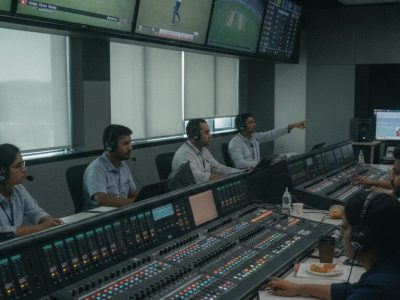
In our work at ISST, we have seen that the most successful professionals are those who treat the stadium like a factory floor. They look at the flow of people, the efficiency of the supply chain, and the ROI of every sponsorship deal. An MBA provides the professional authority required to lead these conversations. It signals to the industry that you have moved past being a spectator and have committed to the rigors of management. According to industry data from early 2026, specialized sports management roles in India are growing at 14% annually, outpacing general management positions in traditional sectors.
Establishing Professional Authority in a Crowded Market
Robert Cialdini often speaks about the principle of Authority. We are naturally inclined to follow those who possess the credentials and expertise to lead. In the sports world, having ‘played the game’ used to be the only credential that mattered. That era has ended. Today, franchises and sports brands like Puma or adidas Badminton look for managers who can navigate a balance sheet as easily as a playbook. One of the primary Reasons to Pursue MBA in Sports Management is the immediate elevation of your professional status.
Consider the weight of a degree that is UGC recognized. It provides a formal framework that ‘on-the-job’ experience often lacks. While a former athlete knows the locker room, an ISST-trained manager knows how to negotiate the multi-year broadcast deals that keep the lights on in that locker room. This professionalization is what separates the hobbyists from the executives. In practice, when you sit across from a potential partner at a league like Pro Kabaddi, your ability to speak the language of sports marketing and data analytics determines the outcome of the meeting.
Accessing the Hidden Job Market Through Alumni Connect
Social Proof is a powerful driver of career success. We tend to look at what others like us are doing to determine our own path. The ISST alumni connect serves as a living map of the industry. When you see former students working as sports analysts at hudl or operations specialists at Fanatic Sports, the path to success becomes visible and attainable. You are not just buying an education; you are joining a network of professionals who are already embedded in organizations like the Abhinav Bindra Foundation or the Reliance Foundation Youth Sports.
Networking in the sports industry is famously difficult for outsiders. It is an industry built on trust and shared history. An MBA acts as your ‘in.’ During your studies, you gain live exposure through internships at major events like the MPL Maharashtra Premier League or the Yuva Kabaddi Series. These are not just line items on a resume. They are opportunities to prove your value to the very people who do the hiring. For more on the specific paths available, you might find our 2026 guide on building a sports career useful.

Mastering the Science of Sports Marketing
Traditional marketing often fails in sports because the ‘product’ is emotional. You cannot sell a losing team the same way you sell a reliable detergent. You need to understand the psychology of the fan. This is where specialized education becomes indispensable. You learn how to maintain brand loyalty even when the team is at the bottom of the table. You study the success of the Tennis Premier League or the Khelo India games to see how grassroots interest is converted into commercial viability.
We often see students try to apply generic corporate jargon to sports, only to find it falls flat. The industry requires a specific vocabulary. Understanding the nuances of the relevance of sports marketing allows you to create campaigns that resonate with the cultural fabric of Indian sport. Whether it is managing the digital presence of a franchise or handling the ground operations for the AFC Women’s Asian Cup, the skills are specific, technical, and high-pressure.
Practical Training at the ISST High Performance Centre
Education is most effective when it is active. At ISST, we emphasize practical training over theoretical memorization. The ISST High Performance Centre is where our students see the intersection of sports science and sports management. It is one thing to read about athlete performance; it is another to manage the facility where that performance is optimized. This hands-on approach reduces the learning curve when you finally enter the workforce.
By 2026, the demand for managers who understand the ‘whole athlete’ has surged. This includes their physical conditioning, mental health, and commercial value. An MBA gives you the birds-eye view of this entire ecosystem. You learn how to integrate insights from sports sciences into a broader business strategy. If you are still deciding between paths, comparing the career velocity of a BBA versus an MBA can help clarify your long-term goals.
Why 2026 is the Critical Turning Point
The timing of your education is as important as the content. As of May 2026, India is in the midst of a sporting revolution. With the momentum from the Paris 2024 Olympic cycle and the increasing professionalization of domestic leagues like the Global E-Cricket Premier League, the infrastructure is expanding faster than the talent pool. This creates a window of opportunity. Organizations like the Sports Authority of India (SAI) and various state associations are looking for a new generation of managers to modernize their operations.
Wait too long, and the market will mature, making entry-level positions more competitive and harder to secure. The Principle of Scarcity suggests that the best opportunities are available now, while the industry is still defining its professional standards. By securing an MBA today, you position yourself as a pioneer in the 2026 sports economy, rather than a latecomer trying to catch up. The career in sports you want is not going to happen by accident; it requires a deliberate investment in your professional authority.
Frequently Asked Questions
What are the main Reasons to Pursue MBA in Sports Management in 2026?
An MBA provides the professional authority and networking access needed to lead in a ₹15,000 crore industry. It moves you beyond being a fan into a role where you manage media rights, athlete branding, and large-scale event operations.
Can I get a job at the BCCI with this degree?
While no degree guarantees a role at specific bodies like the BCCI, an MBA prepares you for starting careers in leagues and franchises. You gain the skills to work with organizations like TATA IPL or Pro Kabaddi through live exposure and internships.
Is an MBA better than a PG Diploma for sports management?
An MBA is a full master’s degree that typically offers more depth in business strategy and is UGC recognized. It is often preferred for long-term career growth into senior executive positions compared to shorter diploma courses.
What kind of live exposure can I expect during the course?
Students at ISST participate in internships with major leagues like the Indian Street Premier League and events like the Khelo India University Games. This practical experience is vital for building a professional network while you study.
Do I need to be a former athlete to s쳮d in sports management?
No, the industry increasingly values business acumen and technical skills over athletic history. Successful managers often come from diverse backgrounds but use an MBA to learn the specific nuances of the sports business.
What is the starting salary for sports management graduates in India?
Salaries vary widely based on the organization and role, but specialized roles are seeing steady growth in 2026. Most graduates start in operations, marketing, or analytics roles within sports brands and academies.
Are there distance learning options for the MBA in Sports Management?
Yes, ISST offers distance programs like the Distance Masters Programme in Sports Management for working professionals. These programs provide the same curriculum flexibility while allowing you to continue your current career path.
What subjects are covered in a sports management MBA?
The curriculum includes sports marketing, facility management, sports law, financial management, and sports analytics. These subjects are designed to give you a 360-degree view of the industry’s commercial and operational sides.
Take the first step toward your career in sports today. Apply for the ISST MBA in Sports Management and gain the professional authority needed to lead in the 2026 sports industry. Join our next cohort and start your journey with India’s premier sports education institute for free counselling.