The professional shift in Indian pickleball
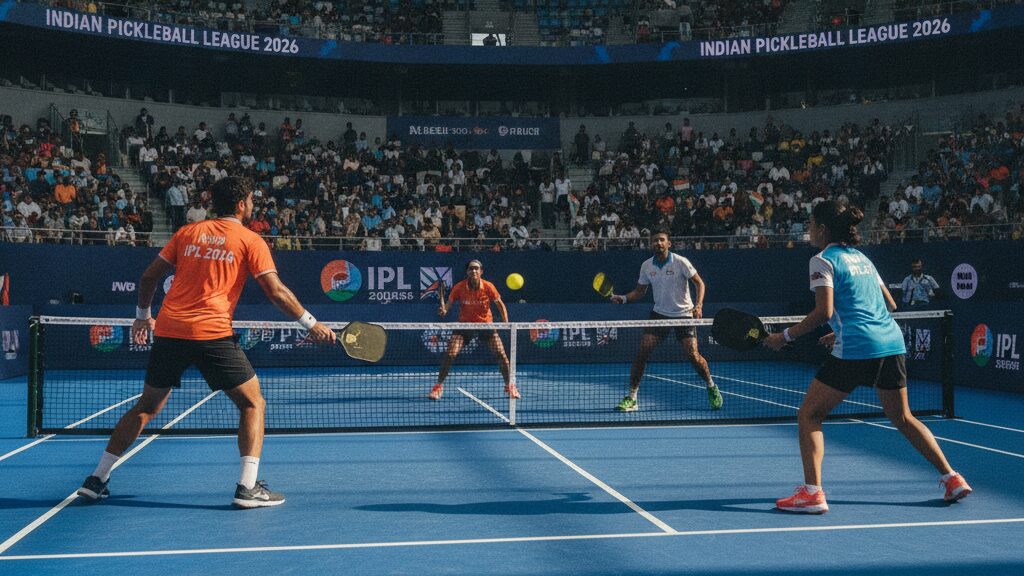
The first season of the Indian Pickleball League in 2026 changed the sport from a weekend hobby to a commercial entity. We saw the transition happen in real time as franchise owners shifted their focus from simply owning courts to managing high-performance athletes. The league‘s debut showed that the appetite for fast-paced, accessible sports in India is massive.
In our work at ISST (Institute of Sports Science & Technology), we noticed a sharp rise in students asking about the business of paddle sports. This is not a coincidence. The league’s structure, based on a franchise model, created an immediate demand for sports managers who understand both the game and the balance sheet. The move toward a professional league means the era of amateur administration is ending.
The architecture of the first season
The inaugural season operated on a city-based franchise model. This approach used the same psychological triggers that made the IPL successful: local identity and tribal loyalty. According to league data from July 2026, viewership peaks occurred during the playoffs, with digital engagement growing by 40% month-on-month during the tournament.
Operational success depended on the quality of the venues. Many matches were held at repurposed tennis courts or dedicated pickleball hubs. The failure mode for some franchises was a lack of specialized staff. Teams that relied on general gym trainers rather than certified sports scientists saw higher injury rates among their players, particularly in the lower back and ankles.
The financial commitment for franchise ownership in 2026 ranged from ₹50 lakhs to ₹2 crores depending on the city tier. These owners are now looking for ways to monetize their assets beyond the league window. This mirrors the business behind India’s padel boom, where the focus is on recurring membership revenue and corporate tie-ups.
Why the sport scaled so quickly
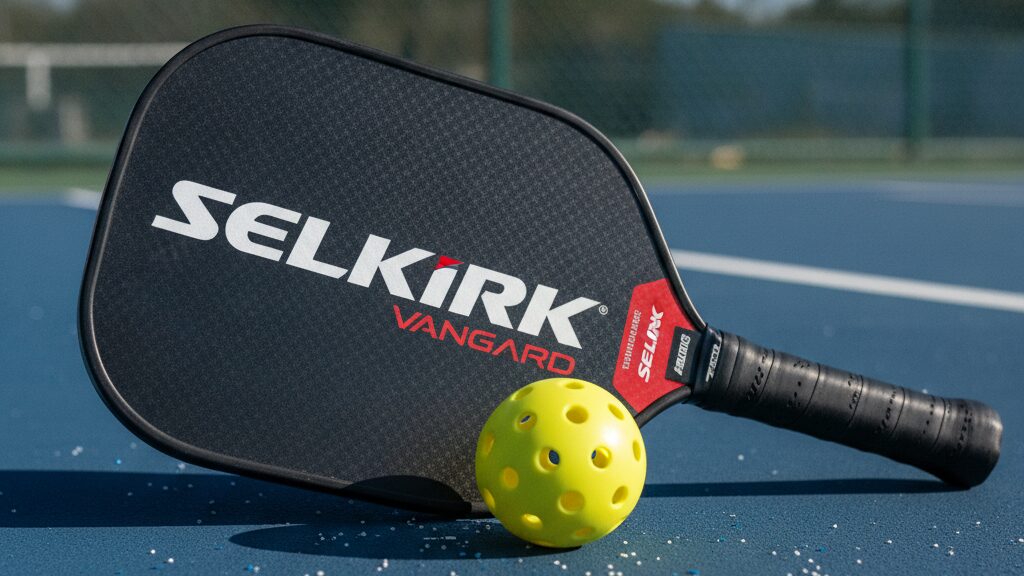
Pickleball scaled because it removed the barrier to entry. Unlike tennis, which requires years of technical training to have a decent rally, a beginner can play a competitive game of pickleball within two hours of picking up a paddle. This low friction created a massive funnel of new players.
Social proof played a huge role. When corporate executives in Bangalore and Mumbai started playing during lunch breaks, it became a status symbol. The sport moved from the periphery to the center of the urban fitness conversation. This transition is where the real money is. The demand for organized leagues was a natural result of this grassroots surge.
We see a pattern here. People do not just want to play; they want to be part of a system. The Indian Pickleball League provided that system. It gave the sport a face, a schedule, and a set of stakes. This professionalization is exactly why knowing how to start a career in sports management is becoming a priority for graduates.
The institutional gap in sports science
The league’s growth exposed a critical shortage of sports science expertise. In the first season, most players managed their own recovery. However, the intensity of a professional league is different from a club match. The repetitive lateral movements in pickleball put unique stress on the joints.
Research shows that athlete longevity in paddle sports depends on specific strength and conditioning protocols. At the ISST High Performance Centre, we emphasize the need for biomechanical analysis to prevent overuse injuries. A professional league cannot survive if its star players are sidelined by preventable injuries.
This gap creates a massive opportunity for those with the right credentials. Understanding the scope of BSc Sports Science in India allows a professional to step into a league as a Performance Director. They aren’t just trainers; they are the architects of an athlete’s physical peak.

Management needs beyond the court
Running a pickleball franchise is not about the sport; it is about the operation. The first season proved that logistics, sponsorship activation, and fan engagement are the real drivers of ROI. A franchise that fails to activate its sponsors on the ground loses money, regardless of how many matches they win.
The administrative requirements are steep. You need someone who can handle player contracts, coordinate with the league board, and manage the venue’s operational flow. Most of the early owners tried to do this themselves and found it overwhelming. The shift toward hiring dedicated sports managers is the next logical step for the league.
We have seen this in other emerging sports. The transition from ‘passion project’ to ‘business entity’ requires a specific set of skills. A degree in sports management provides the framework to handle these complexities. Whether it is a BBA or an MBA in Sports Management, the goal is to move from intuitive management to evidence-based administration.
Career pathways in the pickleball ecosystem
The rise of the league has created three distinct career tiers. The first is the athlete tier, which is the most visible but the most competitive. The second is the technical tier, including coaches and sports scientists. The third, and perhaps the most stable, is the management tier.
Management roles now include:
– Franchise Operations Manager: Handling the day-to-day logistics of the team.
– Player Agent: Negotiating contracts and managing athlete brands.
– Tournament Director: Organizing the flow of events and venue management.
– Sponsorship Manager: Finding and maintaining corporate partnerships.
These roles do not require you to be a pro athlete. They require a level of professional training. For those who cannot commit to a full-time classroom degree, distance options like the Distance Masters Programme in Sports Management (DMPSM) allow professionals to upgrade their skills while they work within the industry.
The role of certified education
In the early stages of any sport’s growth, ‘experience’ is often used as a substitute for ‘education’. In 2026, that is no longer enough. As the Indian Pickleball League attracts bigger sponsors and more media attention, the standard for professionalism has risen. Sponsors want to know that the people managing their money are qualified.
UGC recognized degrees provide the legitimacy needed in a corporate environment. When a manager holds a degree from an institution like ISST, it signals to the franchise owner that they understand the global standards of sports administration. This is the difference between a coordinator and a strategist.
Practical training is the final piece of the puzzle. Reading about league operations in a book is one thing. Actually managing a venue during a high-pressure match is another. This is why live exposure and alumni connects are vital. They provide the unwritten rules of the industry that you cannot find in a syllabus.
Future outlook for the league
The second season will likely see an expansion in the number of teams and a more rigorous player draft. We expect to see more integration with sports technology, such as wearable sensors to track player movement and fatigue in real time. This will further increase the demand for sports analysts and data scientists.
The league is also likely to move toward a more structured academy system. Instead of scouting random talent, franchises will invest in youth academies to build a pipeline of players. This creates a new market for certified coaches and youth sports managers.
The growth of pickleball is not a fluke. It is a result of a sport that fits the modern Indian lifestyle: fast, social, and easy to learn. For the professional, it is a signal that the sports economy is diversifying. The dominance of a single sport is fading, and the era of the multi-sport professional is here.
Frequently Asked Questions
How do I get a job in the Indian Pickleball League?
Focus on gaining a certification in sports management or sports science. Most franchises hire based on a mix of academic qualification and practical internship experience.
Is pickleball a viable career in India?
Yes, especially in management and coaching roles. As more leagues and academies open, the demand for professional administrators is growing.
What is the best degree for a sports manager?
An MBA in Sports Management is highly valued for senior roles. For entry-level positions, a BBA or a Post Graduate Diploma is often sufficient.
Do I need to be a pro player to work in the league?
No, the majority of league roles are administrative or technical. You need a deep understanding of the business and science of sport, not necessarily pro-level skills.
How much do pickleball coaches earn in India?
Earnings vary widely based on certification and location. Certified coaches at high-end clubs or league teams earn significantly more than uncertified trainers.
What is the role of sports science in pickleball?
Sports science helps in injury prevention and performance optimization. It involves analyzing movement patterns and designing recovery protocols for athletes.
Are there distance learning options for sports degrees?
Yes, ISST offers various distance masters and diploma programmes. These are designed for working professionals who want to enter the sports industry.
Which cities are the biggest hubs for pickleball in 2026?
Mumbai, Bangalore, and Delhi remain the primary hubs. However, Tier-2 cities are seeing a rapid increase in court installations.
Build your career in the new sports economy today. Explore our sports management courses to get certified for free counselling with no obligation.