Preview India's Asian Games 2026 campaign in Aichi-Nagoya. Discover how sports science and management are fueling the road to the 2036 Olympic bid.
The stakes for Aichi-Nagoya
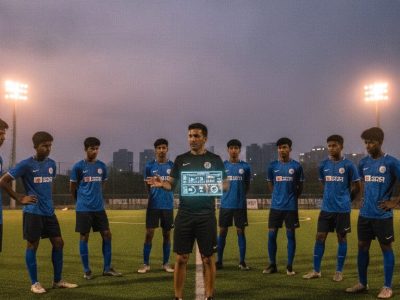
India arrives in Aichi-Nagoya from September 19 to October 4 with more than just a medal tally in mind. This campaign is a trial run for the 2036 Olympic bid. The world is watching to see if India can move from a country of individual outliers to a sporting superpower with a systematic approach.
Success in these Games depends on the integration of high-performance coaching and precise sports science. The goal is no longer just to participate. The goal is to dominate across multiple disciplines through professional management.
The momentum from Glasgow and beyond
The energy from India’s Commonwealth Games 2026 medal count has set a high bar. That performance proved that the domestic pipeline is producing athletes who can compete under pressure. But the Asian Games are a different beast. The competition from China, Japan, and South Korea requires a shift in how we prepare.
In our work at ISST (Institute of Sports Science & Technology), we have seen that the gap between a silver and a gold medal is often found in the data. It is found in the 1% gains made through biomechanical analysis and precise recovery protocols. Athletes are now using wearable tech to track every heartbeat and stride in real time.
Disciplines to watch in 2026
Shooting and Archery remain the bedrock of India’s gold medal hopes. The precision required in these sports is a direct result of mental conditioning. According to the Sports Authority of India (2026), the current cycle has seen a 15% increase in the use of sports psychologists for elite shooters. This shift is why sports psychology certification in India has become so vital for coaches.
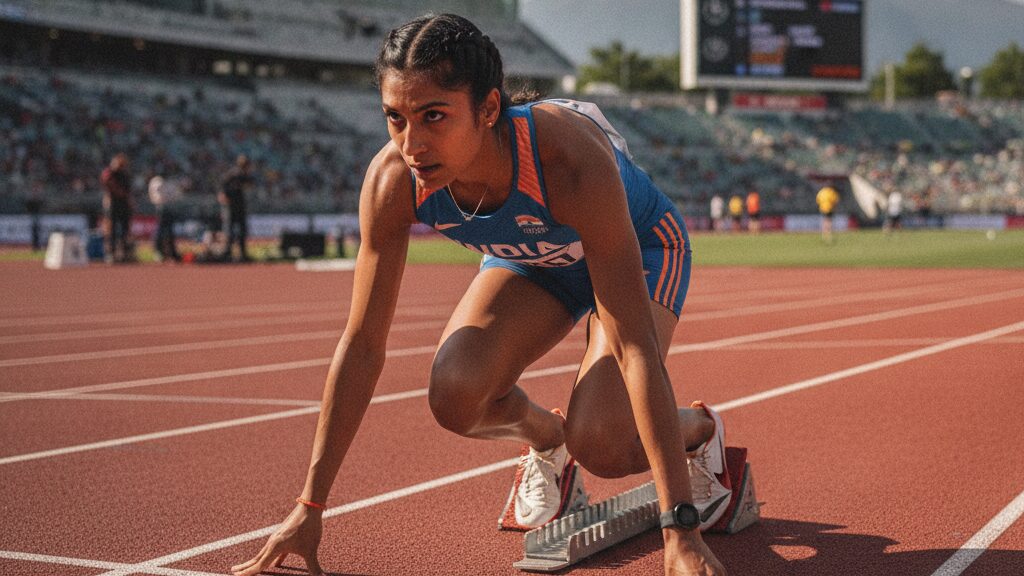
Athletics is the next frontier. India is no longer just relying on one or two stars. We are seeing a depth of talent in javelin, racewalking, and sprinting. This depth comes from the expansion of the ISST High Performance Centre and similar hubs that prioritize scientific training over traditional grind.
Badminton and Wrestling will likely provide the bulk of the medals. The focus here has shifted to injury prevention. When an athlete’s career is cut short by a preventable ACL tear, the loss is national. This is where the scope of BSc Sports Science in India becomes evident. We need more specialists who understand load management and tissue repair.
The management of a mega-contingent
Moving hundreds of athletes, coaches, and support staff to Japan is a logistical puzzle. It requires an army of sports managers who can handle everything from accreditation to nutrition logistics. The failure mode in previous years was often administrative. A missed appointment or a poor diet plan can ruin months of training.
Professional sports management is the invisible engine of every gold medal. From managing the budget in ₹ to coordinating with the Asian Games Organizing Committee, the role is complex. This is why starting a career in sports management is now a viable path for those who want to impact the game without being on the field.
We are seeing a rise in the demand for specialists who can manage the intersection of commerce and sport. The ability to secure sponsorships and manage athlete brands while maintaining a focus on performance is a rare skill. It is the difference between a chaotic camp and a professional machine.
Science as the competitive edge
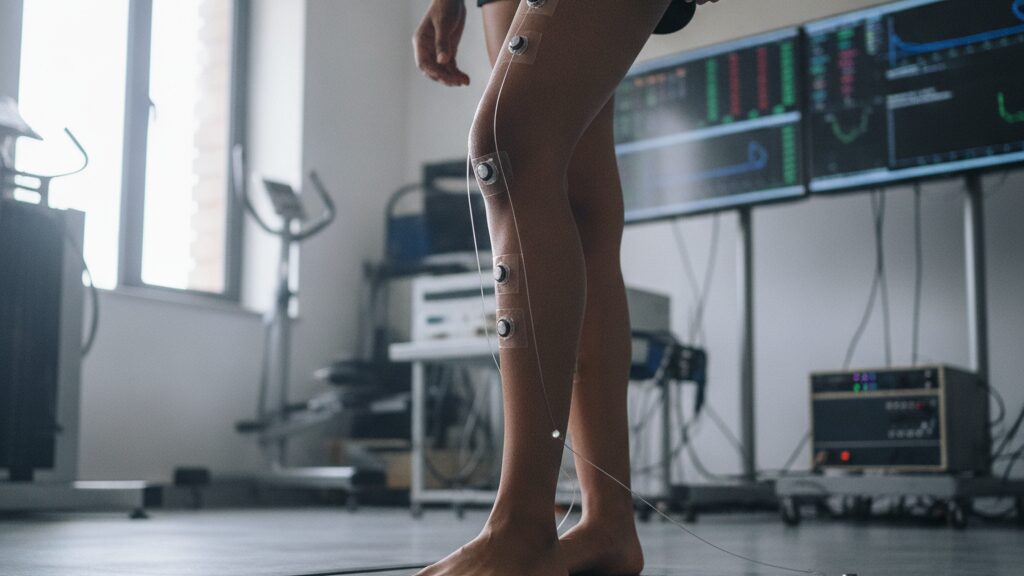
The athletes heading to Aichi-Nagoya are not just training harder. They are training smarter. The use of GPS tracking and force plates has become standard. For example, a sprinter can now know if their left leg is producing 2% less power than their right. Correcting this prevents injury and increases speed.
Nutrition has also evolved. Gone are the days of generic diets. Every elite athlete now has a personalized plan based on their blood markers and metabolic rate. The Distance Masters Programme in Sports and Exercise Nutrition reflects this need for specialized knowledge across the country.
Recovery is the third pillar. Cryotherapy, compression boots, and structured sleep hygiene are now part of the daily routine. An athlete who recovers faster can train at a higher intensity more often. This is the basic math of winning in 2026.

Connecting Aichi-Nagoya to the 2036 Olympic bid
India’s bid for the 2036 Olympics is not just about building stadiums. It is about proving that India can manage the world’s largest sporting event. The 2026 Asian Games serve as a critical evidence point. If India can manage its contingent and perform at a record level, it sends a signal of readiness to the IOC.
The infrastructure being built now—from high-performance centers to digital athlete management systems—is the foundation for 2036. We are seeing a shift toward a professional ecosystem where the athlete is the center of a support web consisting of a manager, a nutritionist, a physio, and a psychologist.
This ecosystem creates jobs. Every single athlete needs a support team. As we scale toward 2036, the demand for jobs in sports management and sports science will grow exponentially. The industry is moving from an amateur hobby to a professional career path.
The psychology of the podium
Many athletes have the physical skill to win but crumble under the lights. The pressure of a billion people is heavy. In the current cycle, the focus has shifted to mental resilience. We are teaching athletes how to enter a flow state and how to handle the noise of social media.
This mental training is not a luxury. It is a requirement. When an archer’s hand shakes by a millimeter, the gold is gone. The integration of sports psychology into the daily training regimen is what will separate the winners from the participants in Nagoya.
Professionalizing the pipeline
The growth of sports education in India is the real story behind the medals. When you have more people with an MBA in Sports Management, the quality of the league operations and national camps improves. We are moving away from the ‘luck’ factor and moving toward a predictable system of success.
The transition from school sports to professional academies is where most talent is lost. By professionalizing the management of these academies, India can ensure that no talent goes unnoticed. This is the only way to ensure a steady stream of medals for the next decade.
Frequently Asked Questions
When are the Asian Games 2026 taking place?
The Games will be held from September 19 to October 4, 2026. They are hosted in Aichi-Nagoya, Japan.
What are India’s strongest sports for the 2026 Games?
Shooting, Archery, Badminton, and Wrestling are the primary medal hopes. Athletics is also expected to show significant growth.
How does this event help India’s 2036 Olympic bid?
It demonstrates India’s ability to manage elite athletes and achieve high-performance results. This builds credibility with the International Olympic Committee.
What is the role of sports science in these Games?
Sports science helps in optimizing performance through data, nutrition, and recovery. It reduces injury rates and improves marginal gains.
Why is sports management important for a national team?
It handles the logistics, budgeting, and administration of the contingent. Proper management allows athletes to focus entirely on their performance.
Which degrees help in entering the sports industry?
BSc in Sports Science and MBA in Sports Management are the gold standards. These provide the theoretical and practical knowledge needed for professional roles.
Is there a need for sports psychologists in India?
Yes, mental resilience is now seen as a core component of elite performance. Demand for certified sports psychologists is rising rapidly.
What are the career options after a sports management degree?
Graduates can work in franchise operations, athlete management, sports marketing, and event logistics. Many also start their own sports ventures.
Build your career in the sports revolution
The road to 2036 is being paved right now. Whether you want to manage a franchise or optimize an athlete’s performance, the professional sports industry is open for those with the right credentials. Start your journey toward a professional sports career today with a free counseling session—no commitment required.
The Institute of Sports Science & Technology (ISST), founded in 2008 in Pune, is India’s premier education center dedicated exclusively to sports management and sports science. By integrating cutting-edge academic pedagogy, robust industry partnerships, and scientific methodologies, ISST develops top-tier professionals equipped to lead the modern sports, fitness, and wellness industries.
- Founded in 2008 as a pioneer in Indian sports education
- Offers specialized programs in Sports Management & Sports Science
- Strong industry partnerships with leading sports leagues, teams, and organizations
- Faculty comprises expert sports scientists, veteran coaches, and industry researchers
- Dedicated placement cell with extensive national and international support
To provide comprehensive insights, this content was drafted using AI tools and subsequently fact-checked, edited, and approved by the sports science and management experts at ISST.