Explore the shift in high performance sports training in India. Learn how ISST High Performance Centre and modern sports education are shaping 2026 careers.
The evolution of high performance sports training in India
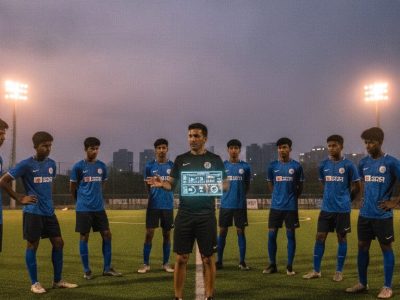
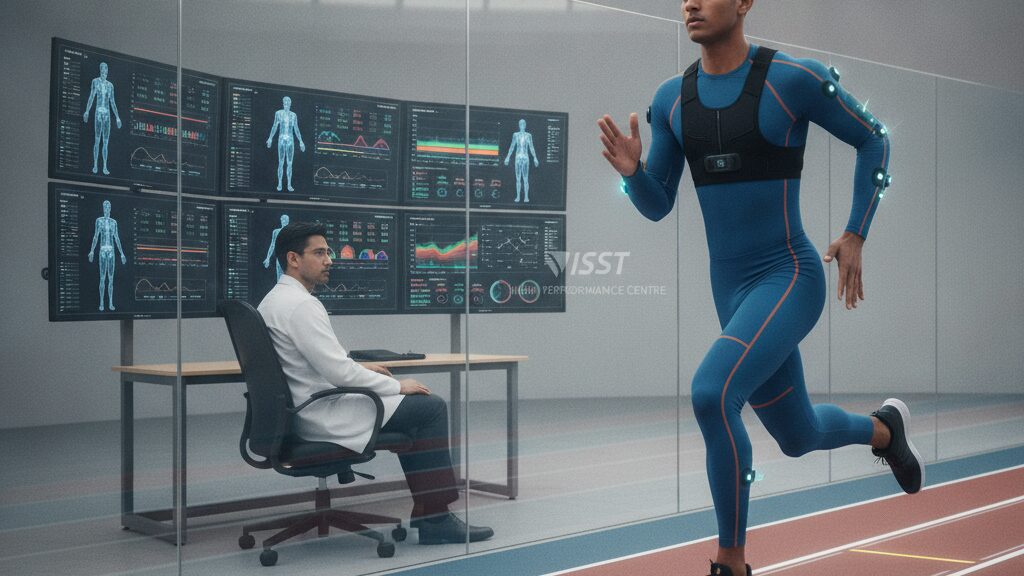
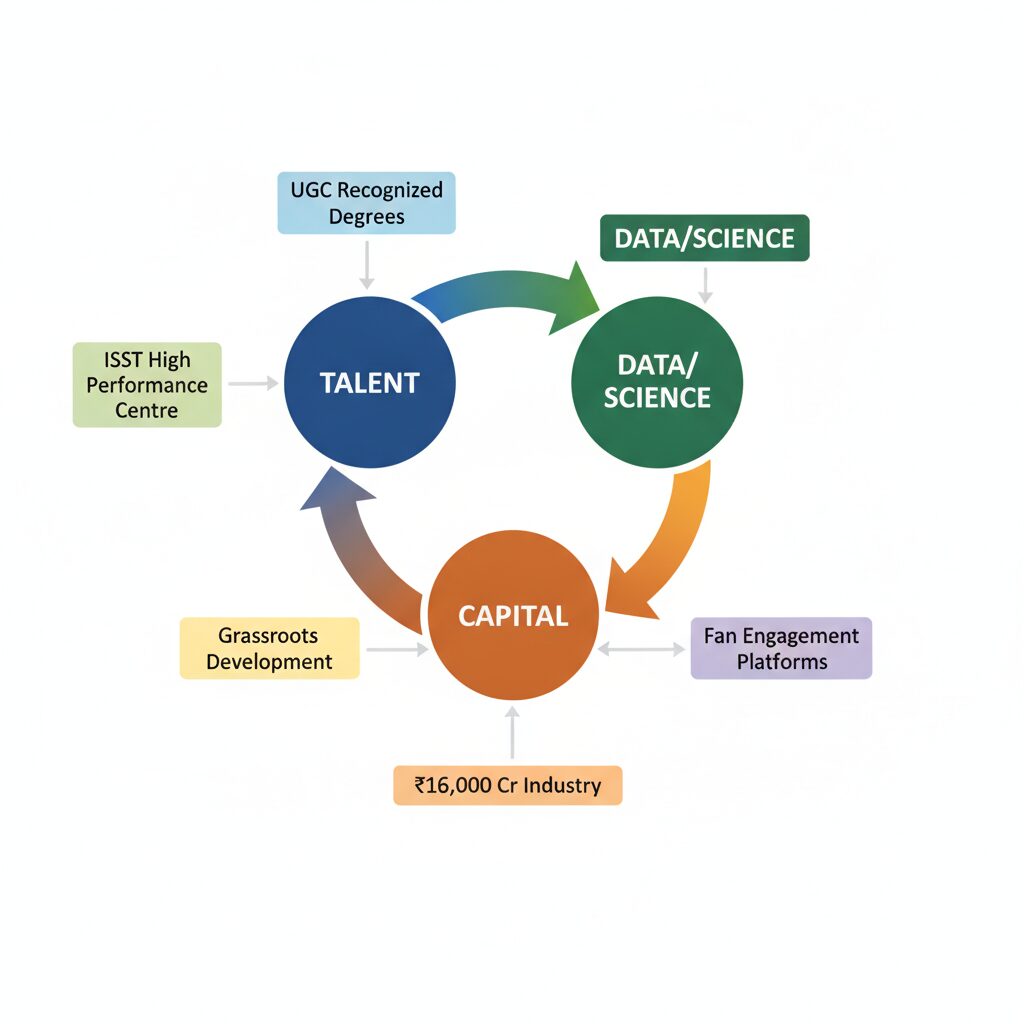
Ten years ago, an Indian athlete succeeded mostly because of raw grit and perhaps a bit of luck with their local coaching. By June 2026, that narrative has been replaced by a systematic, data-driven engine. I often think about sports as a network of talent, technology, and capital. When these three intersect, you get the kind of explosive growth we are seeing in the Indian sports sector today. A regional sprinter reaching a national final now relies on a team of specialists who monitor every stride through force plates and wearable sensors. This is not just about playing better. It is about the professionalization of human potential—a literal shift from guesswork to precision engineering.
We have moved past the era where sports science was a luxury reserved for the top 1% of cricketers. Today, high performance sports training in India is an accessible career path for those who understand how to merge physiology with technology. The growth of the Indian sports industry, currently valued at over ₹16,000 crore in 2026 (a 40% jump from just two years ago), has created a massive gap. There is plenty of talent but a shortage of the scientific minds needed to manage that talent. If you are looking to build a career in sports, you need to look at the infrastructure driving this change. It’s an inflection point where the “old guard” coaching is being disrupted by data.
The 2026 state of high performance sports training in India
Transition from traditional coaching to sports science
Coaching in India used to be an apprenticeship. You learned from the person who came before you. While experience matters, the 2026 model demands validation. We now use objective data to make subjective decisions. According to a 2026 report by the Sports Authority of India, over 70% of national-level training camps now employ at least one full-time performance analyst. This shift means that a coach’s intuition is now supported by sweat-rate analysis, sleep tracking, and velocity-based training metrics. This removes the guesswork from the pursuit of a gold medal, which means an athlete’s peak performance is no longer a happy accident, but a scheduled event.
In my observations at ISST, the most successful professionals are those who treat an athlete like a high-growth startup. You have limited time, high stakes, and you need to optimize every resource. This mindset has moved from elite academies to local clubs. When you see a local football club in Pune using GPS vests to track player fatigue, you know the science has finally scaled. This scaling is what makes the current era so different from the fragmented attempts of 2024. It’s the difference between a one-off win and a repeatable system of excellence.
Role of UGC recognized degrees in professionalizing the industry
Academic legitimacy has become the floor, not the ceiling, for employment in 2026. Earlier, anyone with a passion for the gym could call themselves a strength coach. Now, sporting bodies and private franchises require formal qualifications to de-risk their investments. Opting for UGC recognized degrees ensures that your education meets national standards for quality and employment. Whether it is a BBA or a BSc in Sports Science, these degrees provide the theoretical framework that makes practical experience valuable. They are your “proof of work” in a competitive market.
The demand for qualified professionals has led to a surge in specialized programs. If you look at the 2026 Career in Sports Management India: The 2026 Guide, formal education is the primary differentiator in the job market. It provides the networking opportunities and the credentialing required to work with top-tier athletes. Without this foundation, you are essentially trying to build a skyscraper on a sand dune. You need that structural integrity if you want to manage an IPL franchise’s performance budget.
Inside the ISST High Performance Centre
Technical specifications of modern training facilities
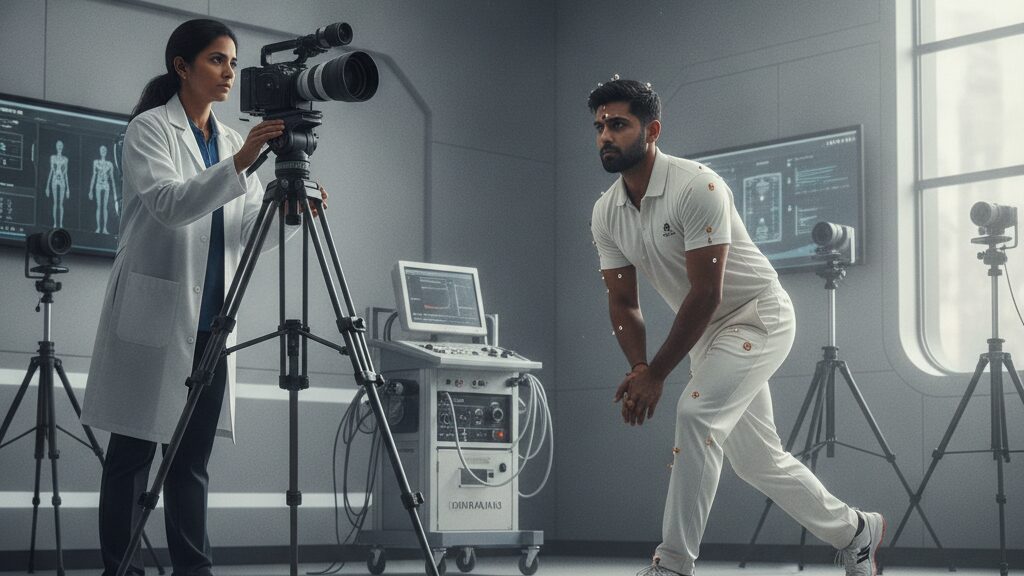
The ISST High Performance Centre is designed to be the laboratory where the next generation of Indian athletes is forged. We focus on the precision of movement. The facility includes high-speed motion capture cameras that record at 240 frames per second to analyze biomechanical flaws. We use metabolic carts to measure oxygen consumption (VO2 Max) and blood lactate markers to determine precise training zones. This is the hardware of winning, providing the raw data that prevents overtraining and burnout.
For those interested in the technical side, the center features anti-gravity treadmills for injury rehabilitation and cryotherapy chambers for rapid recovery. These are not just gadgets. They are tools that extend an athlete’s career by reducing recovery time from 48 hours to 12 hours. In the 2026 sports economy, an athlete’s health is their most valuable asset. Protecting that asset requires modern training facilities that were once only found in Europe or the US. For students, this provides a rare chance to work with equipment that costs upwards of ₹50 lakh per unit, which means you graduate with skills that are immediately billable in the real world.
Live exposure and practical training for sports management students
Reading about sports science in a textbook is like reading about swimming without getting wet. You don’t actually learn until you are on the floor, hearing the grunt of an athlete and seeing the sensor data spike. At ISST, we emphasize practical training. Our students spend hours at the High Performance Centre observing how data is collected and, more importantly, how it is communicated. If a scientist cannot explain a complex biomechanical shift to a 19-year-old sprinter, the data is useless. Communication is the bridge between the lab and the podium.
This live exposure extends to our ISST alumni connect program, where current students assist senior performance directors during live tournaments. Whether it is managing the logistics of a high-performance camp or analyzing real-time data during an IPL match, this experience is what gets you hired. Employers in 2026 do not ask what you know; they ask what you have done under pressure. This is the core philosophy of our MPSS career scope training. We don’t just teach the theory; we build the practitioners.
Biomechanics in movies vs. actual high performance labs
Separating cinematic fiction from 2026 sports science reality
Movies often portray sports science as a montage of blinking lights and miraculous breakthroughs. In reality, it is a slow, methodical process of marginal gains. Films might show a coach looking at a screen and instantly knowing why a player is failing. In a real 2026 lab, we might spend three weeks analyzing a single foot-strike pattern to find a 2% improvement in efficiency. The drama is less about the screen and more about the long-term consistency of the data. It’s about the grind, not the “eureka” moment.
We recently analyzed How Accurate is Sports Science in Indian Films and found that while the “cool factor” is high, the actual application is often misrepresented. Real high performance training is about biomechanics in movies being replaced by hard, often boring, spreadsheets. However, the underlying goal remains the same: using technology to push the limits of what the human body can achieve. When you see a sprinter shave 0.1 seconds off their time after a month of biomechanical adjustments, that is a better story than any movie script.
How visual technology in film mirrors real athlete tracking tools
There is one area where cinema and science have converged: visual tracking. The same CGI technology used to create digital characters in blockbusters is now used in our labs to track skeletal movement. We use markerless motion capture that identifies 21 key points on the human body in real-time. This allows us to see joint angles and force production without the athlete feeling like a lab rat. This visual technology has become a cornerstone of sports education India in 2026, making it easier to explain “why” a movement is inefficient to both coaches and athletes.
Economic impact of sports education India
Salary expectations for high performance specialists in 2026
The money in Indian sports is no longer just on the field. It has moved into the backroom. In 2026, a junior sports scientist can expect a starting salary of ₹6 lakh to ₹8 lakh per annum. Senior performance directors at major franchises or national academies are seeing packages exceeding ₹25 lakh to ₹35 lakh. This is a significant jump from 2024 levels, reflecting the industry’s realization that technical expertise equals wins. The return on investment for a specialized degree has never been clearer.
And here’s the kicker: according to our Salary Expectations for Performance Analysts: 2026 ROI Guide, the demand is particularly high in the IPL, ISL, and the emerging Pro Kabaddi ecosystems. These leagues are investing heavily in preventing injuries. Why? Because a single injured star can cost a team millions in lost revenue and performance. This makes the sports scientist an essential part of the financial success of the franchise—they are the risk managers of the sporting world.
Investment in ₹ (INR) for elite athlete development programs
India is now spending more on elite sports than ever before. Private foundations and corporate CSR wings are pouring hundreds of crores into high performance centers. In 2026, the average cost to develop an Olympic-level athlete over a four-year cycle is estimated at ₹1.5 crore to ₹2.5 crore. This covers coaching, international exposure, nutrition, and, most crucially, sports science support. For a career seeker, this means the sector is flush with capital and looking for talent to manage it. You aren’t just joining a sports team; you are joining a high-growth economic sector.
Frequently Asked Questions
What is the scope of high performance sports training in India in 2026?
The scope has expanded beyond elite athletes to include youth academies and corporate wellness programs. Professionals can find roles as performance analysts, biomechanists, and strength specialists across various sporting leagues, which means you have career options in both the public and private sectors.
How much does a sports scientist earn in India?
In 2026, entry-level roles pay around ₹6 lakh per year. Experienced specialists working with national teams or IPL franchises can earn upwards of ₹30 lakh annually, depending on their specialization and track record.
What facilities are available at the ISST High Performance Centre?
The center features motion capture labs, VO2 max testing, cryotherapy units, and force plate technology. It serves as a practical training ground for students in sports science and management to gain hands-on experience with million-dollar equipment.
Which are the best colleges for sports education India?
Institutions like ISST (Institute of Sports Science & Technology) lead the field because they combine UGC recognized degrees with practical exposure at high performance centers. This combination is the gold standard for 2026 career standards.
How has biomechanics changed Indian athlete preparation?
It has moved training from a one-size-fits-all approach to individual optimization. By analyzing joint loads and movement efficiency, we can reduce injury risk by up to 30% and improve power output by measurable percentages.
Can I pursue a career in sports science with a BBA?
A BBA in Sports Management focuses on the business side, but understanding high performance is a massive competitive advantage. For a technical role, a BSc or MPSS is usually preferred, but the business-science hybrid professional is highly sought after in 2026.
Is a distance degree in sports management valid in 2026?
Yes, distance programs like the PGD in Sports Management are highly valued by working professionals. They provide the necessary credentials to pivot into the industry without pausing your current career, offering a flexible path to professionalization.
What is the impact of the 2036 Olympics bid on sports jobs?
The bid has accelerated infrastructure spending in 2026. This creates a ten-year window of job security for specialists trained in managing elite sporting environments. We are essentially building the army of professionals needed to host and win on the world stage.
The integration of technology and education has made high performance training more accessible than ever. As India aims for higher medal tallies, the demand for trained professionals continues to rise. If you are looking to enter this field, exploring a PGD or BBA in Sports Management at ISST provides the necessary foundation. Start your journey in the sports science ecosystem by applying for our classroom programs today and secure your future in India’s booming sports industry. Don’t just watch the game—engineer it.
The Institute of Sports Science & Technology (ISST), founded in 2008 in Pune, is India’s premier education center dedicated exclusively to sports management and sports science. By integrating cutting-edge academic pedagogy, robust industry partnerships, and scientific methodologies, ISST develops top-tier professionals equipped to lead the modern sports, fitness, and wellness industries.
- Founded in 2008 as a pioneer in Indian sports education
- Offers specialized programs in Sports Management & Sports Science
- Strong industry partnerships with leading sports leagues, teams, and organizations
- Faculty comprises expert sports scientists, veteran coaches, and industry researchers
- Dedicated placement cell with extensive national and international support
To provide comprehensive insights, this content was drafted using AI tools and subsequently fact-checked, edited, and approved by the sports science and management experts at ISST.