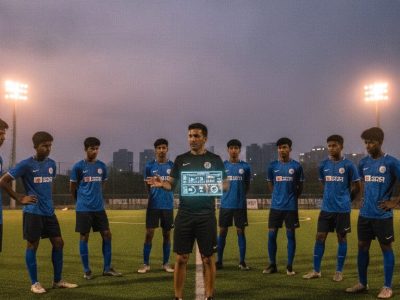
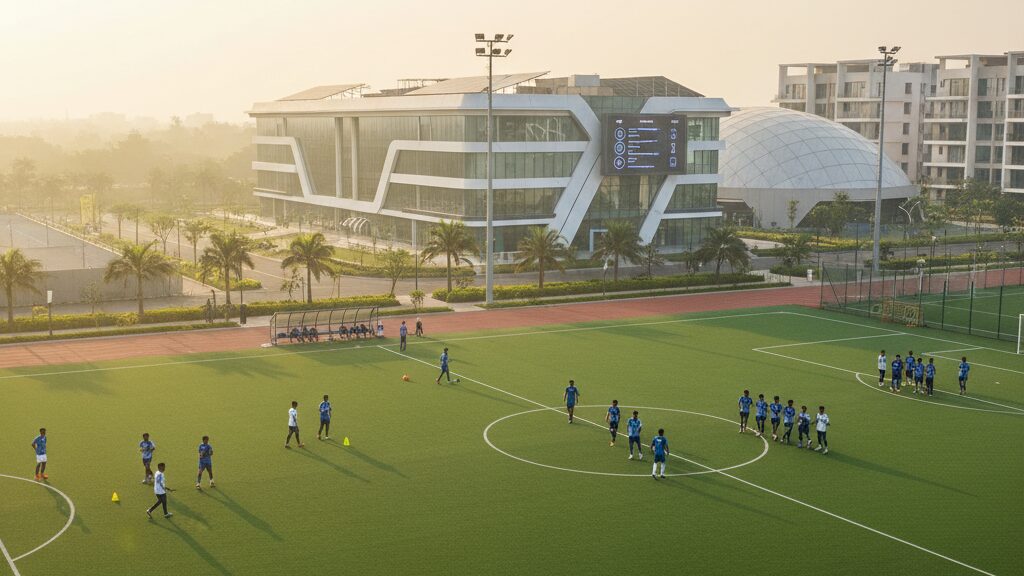
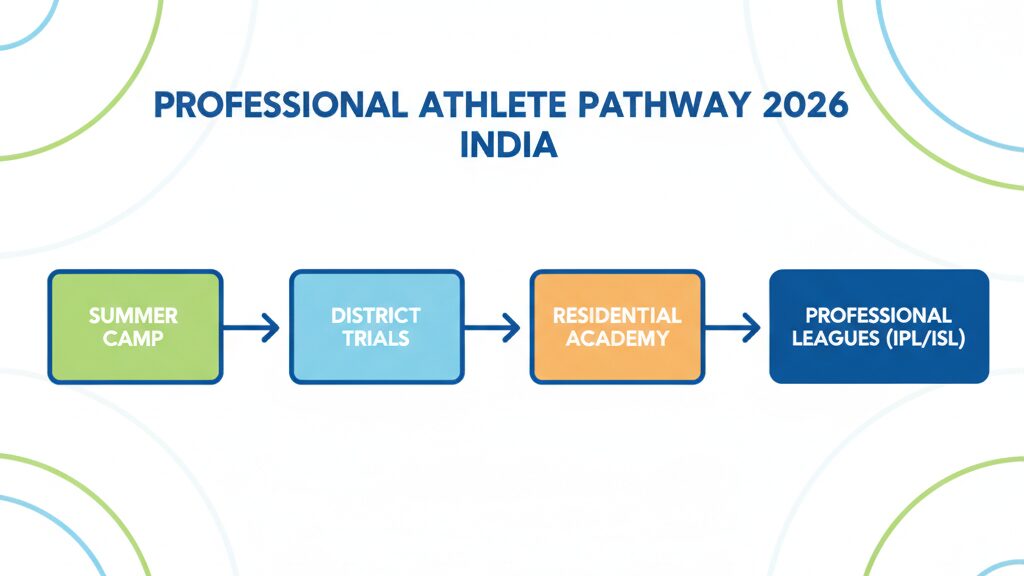
By May 10, 2026, most summer sports camps in India hit their peak. The initial excitement of a new kit and early morning sessions has settled into a routine. For thousands of parents across Mumbai, Pune, and Bengaluru, this is the moment of truth. You are watching from the sidelines, seeing your child outperform their peers, and wondering if this ‘summer fun’ could actually become a career in the IPL or ISL.

The transition from a local 2-hour morning camp to a full-time residential academy is the most significant leap a young athlete will ever take. It is the move from hobbyist to professional-in-training. In our 17 years of experience at ISST, we have seen that the window for this decision is narrow, usually between ages 12 and 16. If you miss the 2026 intake cycle, you are often playing catch-up for the rest of their development years.
Identifying the Professional Spark Before May 10
How do you know if your child is ready for a residential setup? It is not about how many goals they score in a local friendly. Professional scouts look for ‘trainability’ and ‘game sense.’ If your child is the first one at the ground at 6:00 AM and the last to leave, the discipline is there. But discipline needs a pathway.
Most local camps lack the sports science backing to take a player to the national level. They focus on basic drills. A residential academy, however, integrates nutrition, video analysis, and strength training into a 24-hour cycle. If your child is consistently the standout performer in their age group at the district level, a local camp has likely served its purpose. It is time to look at the professional roadmap.
Top-Rated Residential Sports Academies in India: 2026 Rankings & Reviews
The selection trials for the 2026–2027 academic year usually begin shortly after the summer peak. Here are the institutions currently leading the Indian sports ecosystem.
Inspire Institute of Sport (IIS), Bellary: This is arguably India’s most advanced high-performance centre. Spread across 42 acres in Karnataka, IIS focuses on athletics, boxing, wrestling, and swimming. They have a proven track record of producing Olympians like Neeraj Chopra. Their scouting is rigorous, often starting with regional trials before an invite to Bellary.
Reliance Foundation Young Champs (RFYC), Navi Mumbai: For football, RFYC remains the gold standard. It is the only academy in India to receive a 5-star rating from the AIFF. They provide 100% scholarships, covering education, stay, and training. Their integration with the ISL ensures a direct pathway into professional football.
Tata Football Academy (TFA), Jamshedpur: One of the oldest and most respected names. TFA focuses on the 14–18 age group. Their alumni list reads like a ‘Who’s Who’ of Indian football. The environment is strict, academic-focused, and produces players with high tactical intelligence.
Jio Institute Sports Centre, Ulwe: A newer entrant but rapidly gaining ground with world-class facilities for multiple disciplines. They are currently focusing on sports data integration, preparing athletes for the modern, tech-heavy side of the game. This ties directly into the growing demand for performance analysts in India.
Quick Comparison: Top Residential Sports Academies in India (2026)
For parents who need a snapshot of the current landscape, here is a comparison of the leading high-performance residential setups in India.
| Academy | Primary Focus | Key Strength | Admission Type |
|---|---|---|---|
| Inspire Institute of Sport (IIS) | Olympic Sports | World-class Sports Science | Trial-based / Invite |
| Reliance Foundation (RFYC) | Football | Direct ISL Pathway | 100% Scholarship |
| Tata Football Academy (TFA) | Football | Tactical Discipline | Competitive Trials |
| Jio Institute Sports Centre | Multi-Sport/Tech | Data & Analytics | Merit-based |
Note: Specific admission dates vary by sport; however, most 2026 cycles peak between March and June.
Residential Sports Academy Fees and Scholarship Guide (2026)
Let’s talk about the cost. Not every academy is a 100% scholarship model like RFYC. For a top-tier private residential academy in India, expect to pay between ₹4–8 LPA. This fee usually covers boarding, schooling, coaching, and competition travel. It sounds high, but compare it to the ROI of a professional contract. A young player entering an IPL franchise dugout or an ISL squad can earn a starting salary of ₹10–25 lakh per season.
Scholarships exist, but they are merit-based. Most academies offer a sliding scale. If your child is a ‘National Level’ player, the fees might drop by 50% or more. If they are ‘State Level,’ the discount is smaller. Always ask for the placement record of the academy. If they haven’t placed a student in a professional team or a sports management pathway in the last three years, the ROI is questionable.
Parent’s Checklist: How to Vet a Residential Sports Academy
Choosing a residential setup is a high-stakes decision. To ensure your child is entering a professional environment rather than a glorified boarding school, ask these four critical questions during the visit:
- What is the Coach-to-Athlete Ratio? In high-performance setups, this should never exceed 1:12. Anything more is a ‘camp,’ not an academy.
- Is there a documented Individual Development Plan (IDP)? Every athlete should have a personalized roadmap tracking their strength, speed, and tactical growth over 12 months.
- What is the Academic Integration Plan? Ensure the academy has a tie-up with a recognized board (CBSE/ICSE) and a schedule that prevents burnout.
- What is the actual ‘Exit Rate’ to professional leagues? Don’t look at the number of students; look at the percentage of graduates who signed professional contracts in the last 3 years.
Balancing 12th Board Exams and Training
This is where most Indian parents get scared. Can a child play 6 hours a day and still pass their HSC or SSC exams? The short answer is yes, but only in a residential setup. These academies partner with NIOS (National Institute of Open Schooling) or local schools to create a flexible timetable. Study hours are built into the afternoon when the sun is too hot for training.
Think about it this way—instead of wasting three hours in Mumbai traffic or Pune coaching classes, the student lives 50 metres from the classroom and the pitch. The time saved is redirected into recovery and study. We have seen students from these programs transition into sports management degrees after their playing days, ensuring they stay in the ₹15,000+ crore sports industry even if they don’t turn pro.
What to Ask During the May 2026 Trial Season
When you visit an academy this month, don’t just look at the grass on the pitch. Ask the hard questions. What is the coach-to-student ratio? In a professional setup, it should not exceed 1:15. Ask about the medical facilities. Do they have a full-time sports physiotherapist on-site, or just a first-aid kit? In 2026, a lack of sports science support is a deal-breaker.
Also, check the food. A growing athlete needs a specific caloric intake, not just ‘canteen food.’ If the academy serves the same meal to a 60kg marathon runner and a 90kg wrestler, they aren’t professional. They are just a hostel with a playground.
Frequently Asked Questions
What is the best age to join a residential sports academy?
Most experts suggest ages 12–14 for the best results. This allows the athlete to complete one full four-year development cycle before reaching professional scouting age.
Are these academies UGC-recognized for education?
The academies themselves are training centres, but they partner with UGC-recognized schools and colleges. Students usually appear for NIOS or CBSE board exams through these partnerships.
How much does a professional sports academy cost in India?
Costs range from ₹3 lakh to ₹9 LPA depending on the sport and facilities. Many top-tier academies offer 100% merit-based scholarships for national-level talent.
Can my child switch to sports management if they don’t become a pro?
Yes, and many do. A background in professional training makes them ideal candidates for roles in operations, scouting, or data analytics within the IPL and ISL ecosystems.
Do I need to hire a scout to get into these academies?
No, most academies like IIS and RFYC have their own scouting networks. You can apply directly for trials during the summer camp peak in May.
Is there a sports quota for university admissions after these programs?
Yes, most Indian universities and government jobs under SAI have a dedicated sports quota for athletes who have represented their state or country.
What happens if my child gets injured at a residential academy?
Top academies have on-site physiotherapists and tie-ups with multi-specialty hospitals. Injury management and rehabilitation are part of the professional training package.
Do these academies train girls as well as boys?
Absolutely. Academies like the Inspire Institute of Sport have dedicated programs for female athletes in boxing, wrestling, and athletics with separate residential facilities.
The Bottom Line
The 2026 summer season is more than just a break from school. It is the time to decide if your child’s talent deserves a professional platform. The gap between ‘good’ and ‘professional’ is bridged by the environment they live in every day.
This Summer Sports Camp Peak, move beyond the local playground and explore a professional pathway with ISST. Whether your child aims for the podium or a career in the dugout, the right choice starts with the right information. Book a counselling session with our experts today to map out your child’s future in the Indian sports industry.
Specialized Academies for Cricket and Other Olympic Disciplines
While football has seen a residential surge, cricket and individual Olympic sports remain the primary drivers for residential sports education in India. For 2026, parents should look beyond the major brands toward specialized hubs.
- Cricket Hubs: Look for academies associated with the National Cricket Academy (NCA) pathways or state-run residential hostels in Karnataka and Mumbai, which offer the highest density of professional scouts.
- Combat Sports & Wrestling: Residential setups in Haryana remain the gold standard for wrestling and boxing, blending traditional grit with modern sports science.
- Badminton & Tennis: Private residential setups in Bangalore and Hyderabad are now integrating academic schooling with 6-hour daily training blocks, ensuring athletes don’t sacrifice their 10th and 12th-grade results.
The key for 2026 is finding an academy that doesn’t just provide a coach, but a ‘performance ecosystem’ including a dedicated physiotherapist and a mental conditioning expert.