The reality of rural training facilities
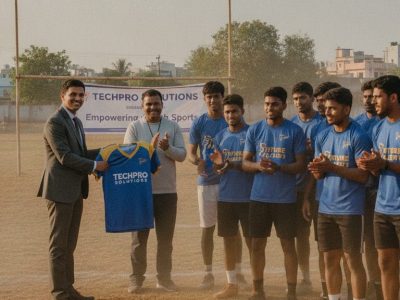
Most conversations about Indian para-sports happen after an international victory. We see the podium finishes, the media tours, and the government felicitation ceremonies. A medal is the trailing indicator of a sports system. The leading indicator is concrete, steel, and accessible transit in tier-three cities. Right now, the Paralympic Committee of India (PCI) and the M3M Foundation are shifting capital away from purely event-based spending and directing it into permanent rural sports infrastructure.
Historically, the model for developing para-athletes in India relied on extraction. Scouts would identify a talented individual in a rural district, uproot them from their family, and relocate them to a national camp in a major metropolitan area. This caused massive psychological friction. Athletes lost their local support systems. Many simply quit and went home.
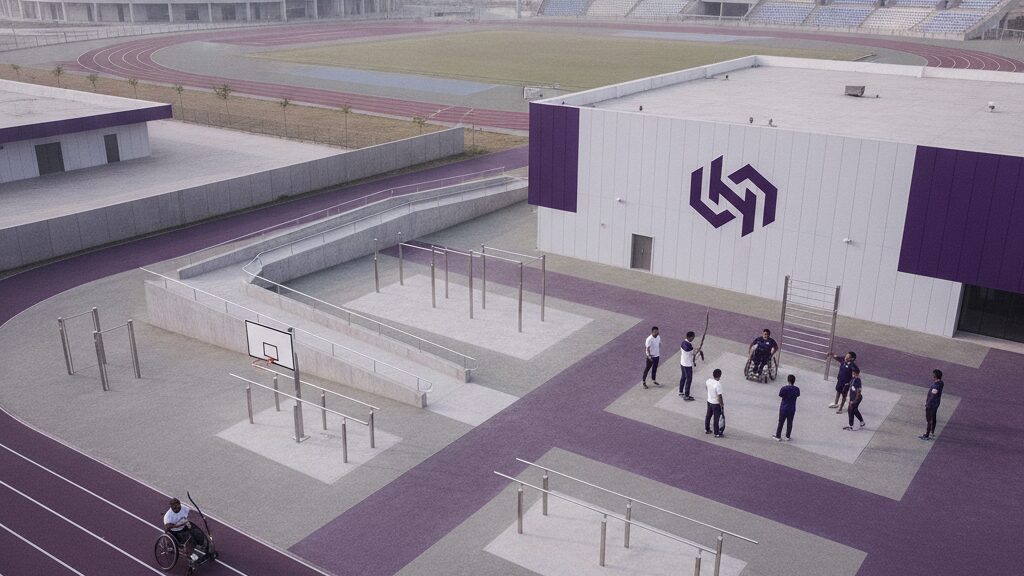
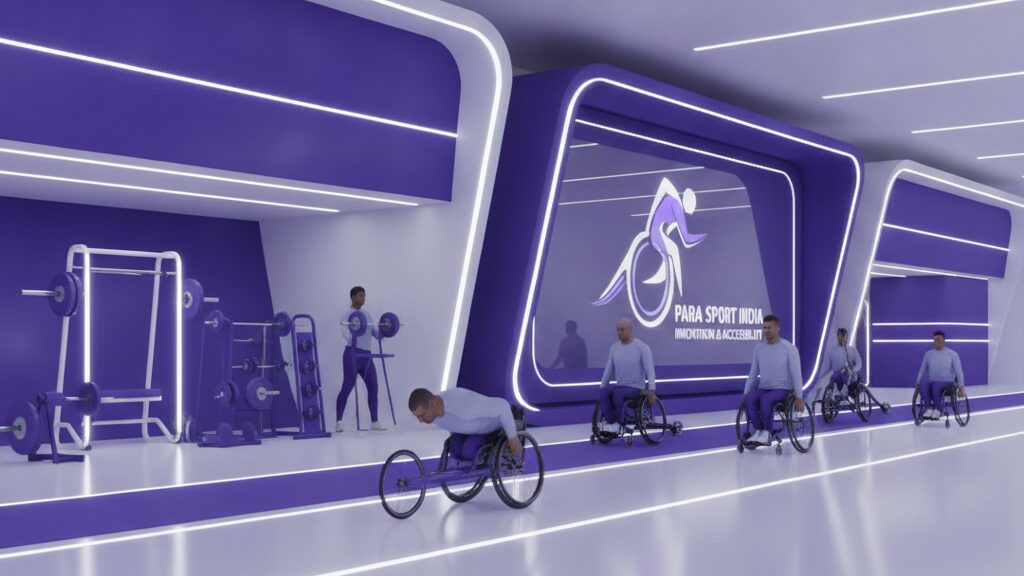
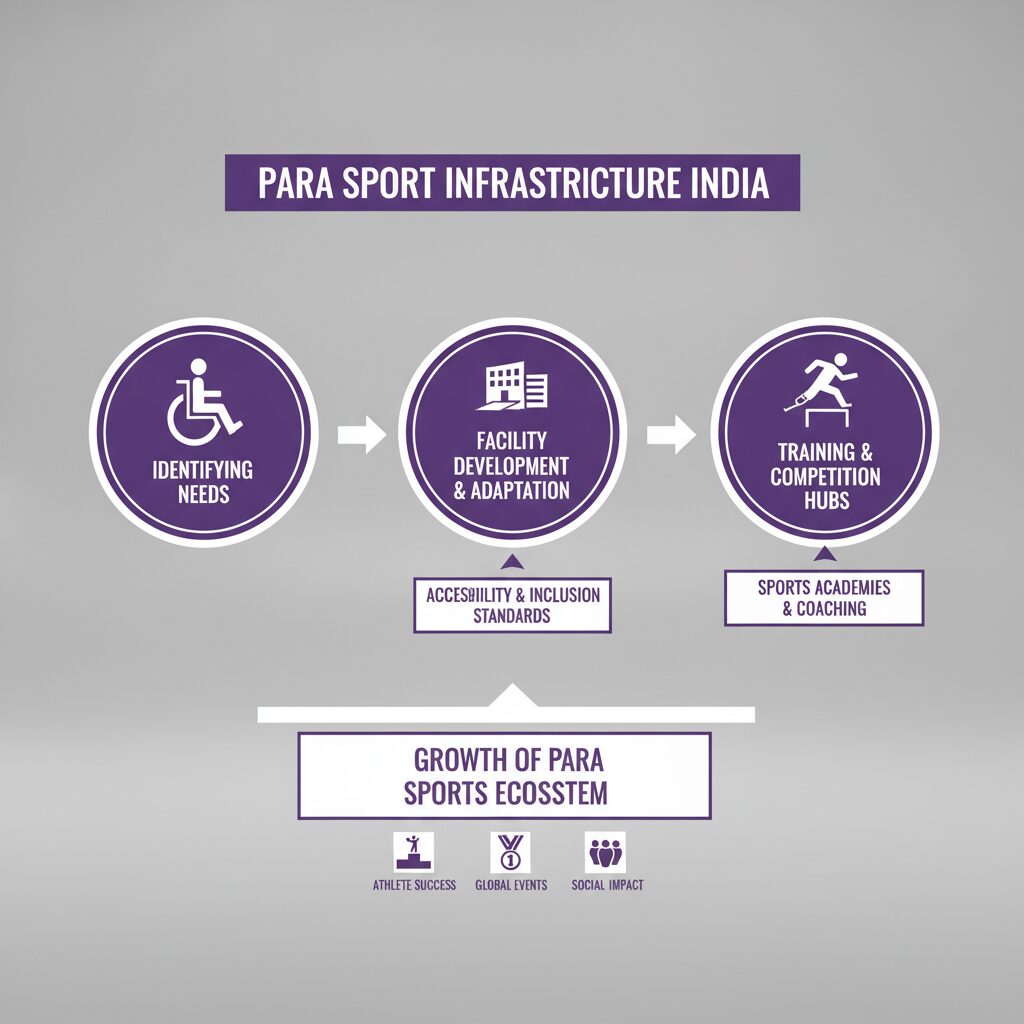
Through initiatives like the Lakshya program, this partnership addresses a severe logistical gap by reversing the model. Dr. Payal Kanodia, serving as both PCI Chairperson and M3M Foundation Trustee, has directed focus toward building para-friendly environments in the athletes’ home districts. The goal is to make accessibility the default physical state across local academies. This means funding customized gyms, adaptive throwing circles, and accessible recovery centers in villages where athletes previously had no safe place to train.
In practice, funding a rural athlete is ineffective if they have to travel four hours to find a weight room that accommodates a wheelchair. Localized infrastructure solves the retention problem. When an athlete has a facility that fits their body, their training volume naturally increases. We are moving past the era where athletes had to adapt to environments built for able-bodied people. The environments are finally adapting to the athletes.
The mechanical differences in adaptive training
<p