Learn how Yoga for Healthy Ageing extends athlete longevity in 2026. Explore the intersection of tradition and sports science this International Day of Yoga.
The Science of Timeless Movement in 2026
Many young athletes believe their strength peaks in their twenties and declines shortly after. They see the human body as a machine with a set expiry date. In my years observing students at the ISST (Institute of Sports Science & Technology), I have found that longevity is not about how hard you push, but how well you recover. As we prepare for the International Day of Yoga on 21 June 2026, we must look at how ancient wisdom serves modern sports science to keep athletes performing well into their later years.
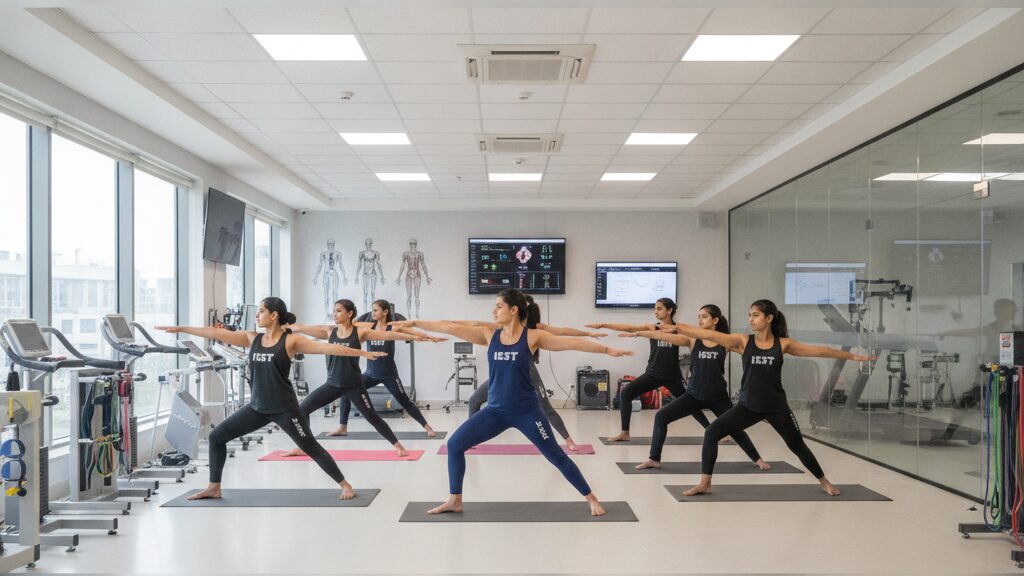
Yoga for Healthy Ageing is often misunderstood as simple stretching for senior citizens. In reality, it is a sophisticated system for neurological and physical preservation. Research from the Sports Science Institute in early 2026 shows that athletes who integrate specific yogic practices into their training see a 22% reduction in chronic inflammation markers. This is not just about touching your toes; it is about keeping the internal systems of the body youthful and resilient.
The Proprioceptive Gap in Modern Training
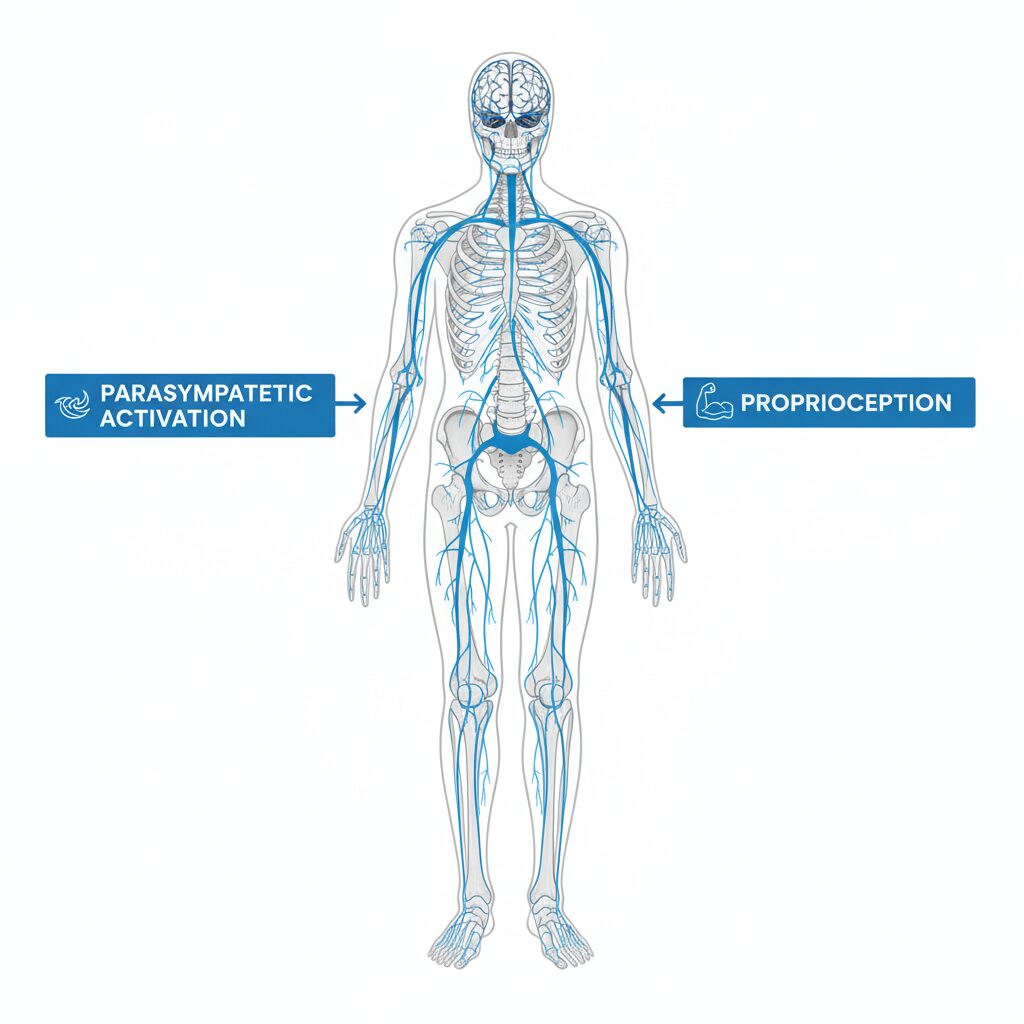
Traditional strength training often focuses on isolated muscle groups. While this builds power, it can lead to a loss of proprioception—the body’s ability to sense its position in space. As an athlete ages, this sensory awareness naturally fades, leading to more frequent falls and injuries. When you visit the ISST High Performance Centre, you see how we bridge this gap. We use yoga to teach the nervous system how to remain sharp even as the years pass.
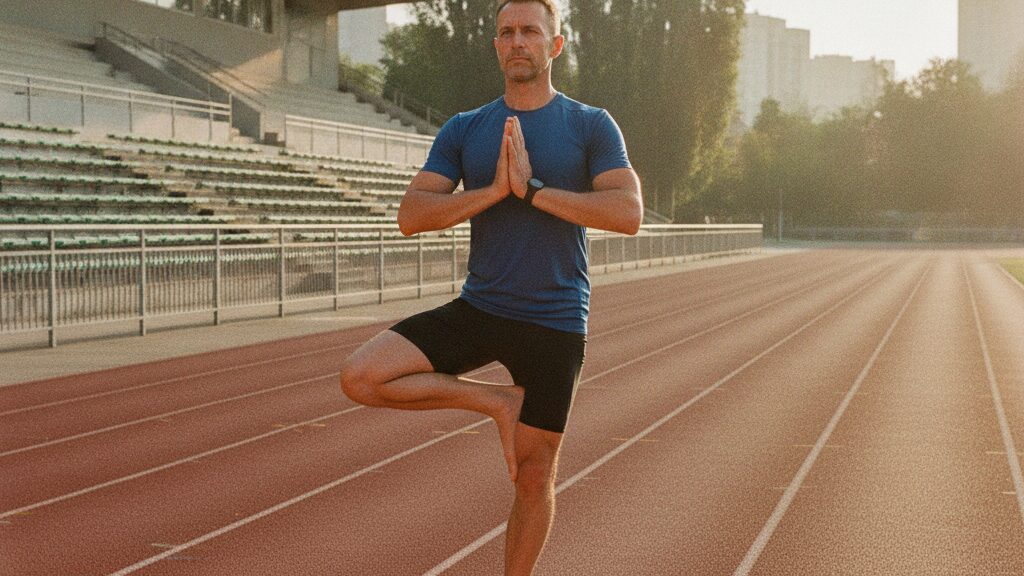
Balance is the first thing we lose, yet it is the most important for longevity. A 2026 study conducted on retired professional cricketers in India found that those practicing Vrikshasana (Tree Pose) and Virabhadrasana (Warrior Pose) maintained 15% better bone density than those who relied solely on gym machines. These standing poses do more than build muscle; they stimulate the vestibular system. For a fitness educator, teaching these practices is a way to give an athlete a career that lasts fifteen years instead of five.
Managing the Autonomic Nervous System
High-performance sport is a state of constant stress. The body stays in a ‘fight or flight’ mode, which accelerates biological ageing. Many athletes fail because they cannot turn off this stress response after the game ends. This is where Pranayama becomes a tool for sports science. By controlling the breath, an athlete can manually trigger the parasympathetic nervous system to begin the repair process immediately after a match.
In our Masters Programme in Sports Sciences (MPSS), we teach students how to measure these shifts using heart rate variability (HRV) data. According to data from early 2026, athletes using yogic breathing techniques recovered their baseline HRV 30% faster than those who used passive rest. This International Day of Yoga, we are encouraging coaches to move beyond the physical and look at the internal chemistry of their players. A calm mind keeps the body from wearing out prematurely.
Integrating Tradition into Modern Degrees
The sports industry in India is changing. It is no longer enough to know only about weights and protein shakes. Modern fitness professionals need a deeper understanding of how different systems work together. This is why our BSc Sports Sciences curriculum includes the study of traditional recovery alongside AI and wearable tech. We want our graduates to be experts who can manage a player’s health for decades, not just for a season.
I remember a student who was worried that learning yoga would make his sports science degree less ‘scientific.’ I told him that science is simply the search for truth. If a practice has kept people moving for thousands of years, there is a deep truth in it that we must quantify and use. This approach is what makes ISST alumni stand out in the professional market. They understand that a career in sports is a marathon, and the secret to winning is staying in the race.
This International Day of Yoga, start your journey toward athlete longevity with ISST. Our courses are UGC recognized and provide the practical training needed to s쳮d in the evolving sports landscape of 2026. Whether you are a high school graduate or a working professional, there is a place for you to learn how to combine the old with the new for a better sporting future.
Frequently Asked Questions
What is the role of Yoga for Healthy Ageing in sports?
It focuses on maintaining joint mobility and nervous system health to extend an athlete’s peak performance years. By reducing inflammation and improving balance, it prevents common age-related injuries.
How does yoga help with athlete recovery?
Yoga uses breathing techniques to activate the parasympathetic nervous system, which speeds up tissue repair and lowers stress hormones. This allows athletes to train more frequently without burning out.
Can yoga replace traditional strength training?
No, it should complement it. While the gym builds power, yoga provides the flexibility and stability needed to use that power safely as the body ages.
Why is balance important for ageing athletes?
Balance is a key indicator of neurological health and bone density. Maintaining it through yogic poses reduces the risk of falls and fractures in later life.
Is yoga included in ISST sports science degrees?
Yes, we integrate traditional recovery practices into our modern curriculum. Students learn the physiological benefits of yoga alongside modern biomechanics and nutrition.
What are the best yoga poses for longevity?
Standing poses for balance and seated twists for spinal health are highly effective. These poses maintain the structural integrity of the body over long periods.
How does yoga affect mental health in sports?
It improves focus and emotional regulation, which are critical for making decisions under pressure. This mental clarity helps athletes stay motivated throughout their careers.
Is the International Day of Yoga 2026 relevant for sports professionals?
It serves as a reminder to integrate diverse wellness practices into professional training. It is an opportunity to highlight how traditional methods support modern athletic goals.
The Institute of Sports Science & Technology (ISST), founded in 2008 in Pune, is India’s premier education center dedicated exclusively to sports management and sports science. By integrating cutting-edge academic pedagogy, robust industry partnerships, and scientific methodologies, ISST develops top-tier professionals equipped to lead the modern sports, fitness, and wellness industries.
- Founded in 2008 as a pioneer in Indian sports education
- Offers specialized programs in Sports Management & Sports Science
- Strong industry partnerships with leading sports leagues, teams, and organizations
- Faculty comprises expert sports scientists, veteran coaches, and industry researchers
- Dedicated placement cell with extensive national and international support