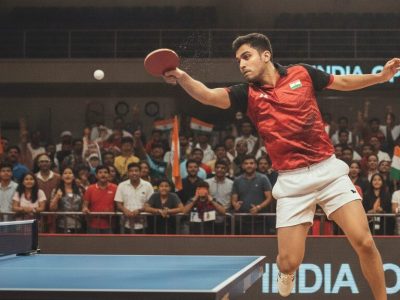

Discover rewarding sports management careers at NADA. Learn how compliance officers and DCOs uphold fair play, and the skills needed to join this field.
The invisible engine of fair play
Most sports aspirants focus on the spotlight—coaching, athlete management, or franchise operations. But there is a quiet, high-stakes administrative layer that keeps professional sports viable. The National Anti-Doping Agency (NADA) manages the integrity of Indian sports by enforcing the World Anti-Doping Agency (WADA) code. This creates a professional demand for compliance officers, doping control officers, and results management specialists.
Working in anti-doping is not about playing the detective. It is about managing a strict legal and biological framework. For those with a background in sports science or administration, this path offers a stable career in sports governance that is rarely discussed in classrooms. In our work at ISST (Institute of Sports Science & Technology), we see students gravitate toward the glamour of the IPL, while the critical infrastructure of NADA remains an untapped opportunity.
How NADA operates within the Indian ecosystem
NADA acts as the national authority for drug testing and education. It does not work in isolation. It coordinates with National Sports Federations (NSFs) and the Indian Olympic Association to ensure athletes are tested both in-competition and out-of-competition. According to NADA guidelines (2026), the focus has shifted heavily toward preventative education to reduce accidental doping violations.
This operational structure requires a specific type of professional. You need someone who understands the biology of a banned substance but can also manage the paperwork of a legal appeal. This is where the intersection of BSc Sports Science scope and administrative law becomes a professional advantage.
The compliance officer: the architect of integrity
Compliance is the backbone of anti-doping. A compliance officer ensures that every step of the testing process follows the WADA International Standard for Testing and Investigations (ISTI). If a sample is collected but the paperwork has a single error, the entire case can be thrown out on a technicality. This is a high-pressure environment where precision is the only currency.
In practice, a compliance officer manages the Registered Testing Pool (RTP). They track athlete whereabouts and ensure that testing schedules are random and unbiased. The failure mode here is usually a lack of attention to detail. Those who excel in this role often have a background in sports management careers, as it requires a blend of logistics, law, and ethics.
Doping Control Officers (DCOs): the frontline of testing
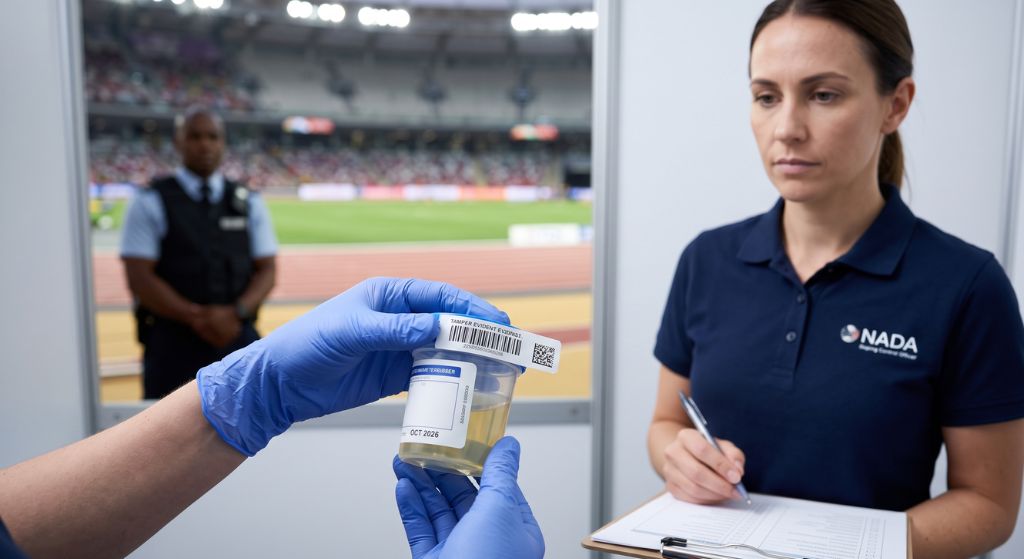
If the compliance officer is the architect, the DCO is the boots on the ground. DCOs are responsible for the actual collection of samples. This is a role of high authority and immense social pressure. A DCO must remain neutral and firm, even when dealing with high-profile athletes who may be reluctant to cooperate.
Imagine a scenario at a national championship in New Delhi. The DCO must identify the athlete, witness the sample collection, and ensure the chain of custody is unbroken. According to industry standards, a break in the chain of custody for even ten minutes can invalidate a test. This requires a professional who is comfortable with strict protocols and uncomfortable social dynamics.
The legal and results management path
When a test comes back positive, the process moves from science to law. Results management is the process of notifying the athlete, managing the provisional suspension, and overseeing the hearing process. This is a highly specialized area of sports administration.
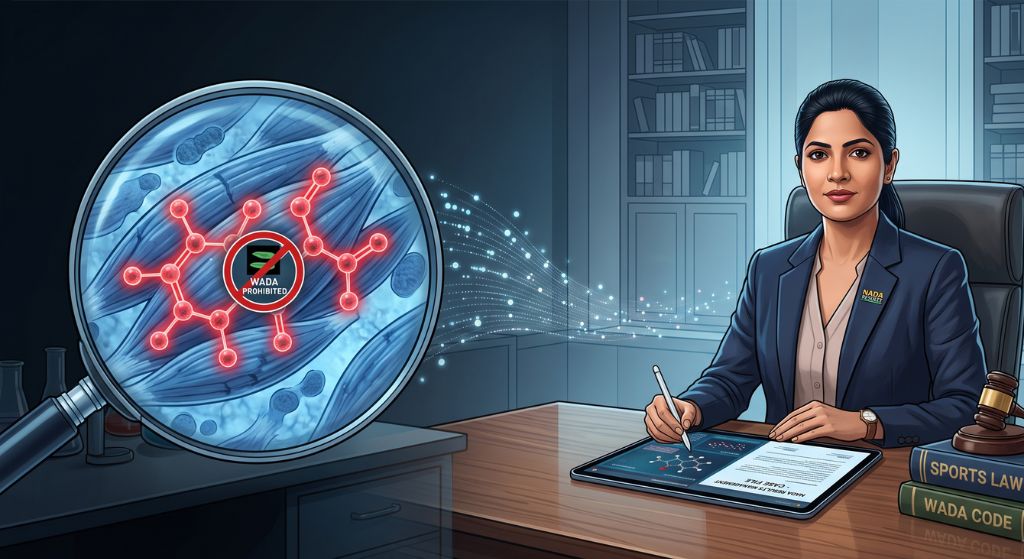
Professionals in this space often overlap with the role of a sports lawyer in India. They must understand the Therapeutic Use Exemption (TUE) process, where an athlete is allowed to use a banned substance for a legitimate medical reason. Managing these exemptions requires a deep understanding of both pharmacology and regulatory law.
Educational requirements for an anti-doping career
There is no single degree called ‘Anti-Doping,’ but certain academic foundations make a candidate irresistible to NADA or international testing bodies. The most successful candidates usually combine two distinct areas of knowledge.
First, a foundation in sports science is necessary. Understanding how substances affect human physiology is a prerequisite for results management. Programs like the Masters Programme in Sports Sciences (MPSS) provide the biological grounding needed to understand WADA’s prohibited list.
Second, an understanding of governance is vital. Whether it is a Post Graduate Diploma in Sports Management or a full MBA, knowing how to manage a regulatory body is a specific skill. When you combine biological knowledge with administrative discipline, you move from being a general applicant to a specialist.
Why this path is often overlooked
Most students believe that sports careers are only about the game itself. They see the coach or the GM. They do not see the regulatory officer who ensures the game is fair. This creates a scarcity of qualified professionals. When demand for integrity is high but the supply of qualified compliance officers is low, the value of the specialist increases.
In the sports industry, the most secure roles are often those that are mandatory for the sport to exist. Without anti-doping compliance, international bodies like the IOC could sanction an entire nation’s delegation. This makes the compliance officer one of the most stable roles in the entire sports management job market.
Building a portfolio for NADA
Getting into NADA requires more than a degree. It requires a demonstrated commitment to ethics and precision. In practice, candidates who have completed internships in sports administration or have certifications in sports science have a clearer path.
Starting with a focused certification or a diploma in sports sciences allows you to understand the baseline of athlete health. From there, focusing on the regulatory side of the industry—attending seminars on the WADA code and studying the history of doping cases—builds the necessary authority. The goal is to present yourself as someone who respects the rulebook more than the result.
Frequently Asked Questions
Do I need a medical degree to work at NADA?
No, while doctors are needed for some roles, many administrative and compliance positions require sports management or sports science degrees.
What is a Doping Control Officer (DCO)?
A DCO is a trained professional who manages the collection of blood and urine samples from athletes according to strict international standards.
Can I start an anti-doping career after the 12th grade?
You should start with a degree like a BSc in Sports Sciences to build the necessary foundational knowledge before specializing in compliance.
Is anti-doping work only available at the national level?
No, many roles exist at the state level, within National Sports Federations, and at international agencies like WADA.
What is the role of a compliance officer in sports?
They ensure all testing and reporting processes follow the legal requirements of the WADA code to prevent legal challenges.
How does a Therapeutic Use Exemption (TUE) work?
A TUE allows athletes to take a banned medication if they have a documented medical condition that requires it.
Is a sports management degree useful for NADA?
Yes, it provides the organizational and governance skills needed to manage testing pools and regulatory frameworks.
Where can I find NADA job openings?
Openings are typically posted on the official NADA India website and through notifications from the Ministry of Youth Affairs and Sports.
Build your professional foundation in sports governance today. Explore our Sports Sciences and Management courses to secure your path in sports integrity with no hidden admission fees.
The Institute of Sports Science & Technology (ISST), founded in 2008 in Pune, is India’s premier education center dedicated exclusively to sports management and sports science. By integrating cutting-edge academic pedagogy, robust industry partnerships, and scientific methodologies, ISST develops top-tier professionals equipped to lead the modern sports, fitness, and wellness industries.
- Founded in 2008 as a pioneer in Indian sports education
- Offers specialized programs in Sports Management & Sports Science
- Strong industry partnerships with leading sports leagues, teams, and organizations
- Faculty comprises expert sports scientists, veteran coaches, and industry researchers
- Dedicated placement cell with extensive national and international support