2026 safety guide for Indian summer sports camps. Expert tips on managing heat exhaustion, hydration protocols, and camp scheduling for student-athletes.
The reality of 40°C training in Indian sport
April 2026 has already seen record temperatures across Maharashtra and North India. As we approach the peak summer sports camp season starting May 15, 2026, the risk to student-athletes is higher than ever. Training in 42°C heat in cities like Nagpur or even the humid 34°C of Mumbai puts immense strain on the young body. At ISST, we have seen that the difference between a productive session and a medical emergency often comes down to a few basic protocols that many academies still ignore.
Heat exhaustion is not just a minor setback. It is a signal that the body's cooling system has failed. For a 12th grader looking to impress scouts or a graduate aiming for a professional academy spot, a heat-related injury can sideline progress for weeks. Safety must be the foundation of performance. This guide breaks down how to manage hydration and heat risks specifically for the Indian summer context.
Managing the hydration gap beyond plain water
Most coaches tell students to drink water. This advice is incomplete. When an athlete sweats during a high-intensity football or cricket session, they lose more than just fluid. They lose essential salts like sodium and potassium. Drinking only plain water can lead to hyponatremia, where the sodium levels in the blood become dangerously low.
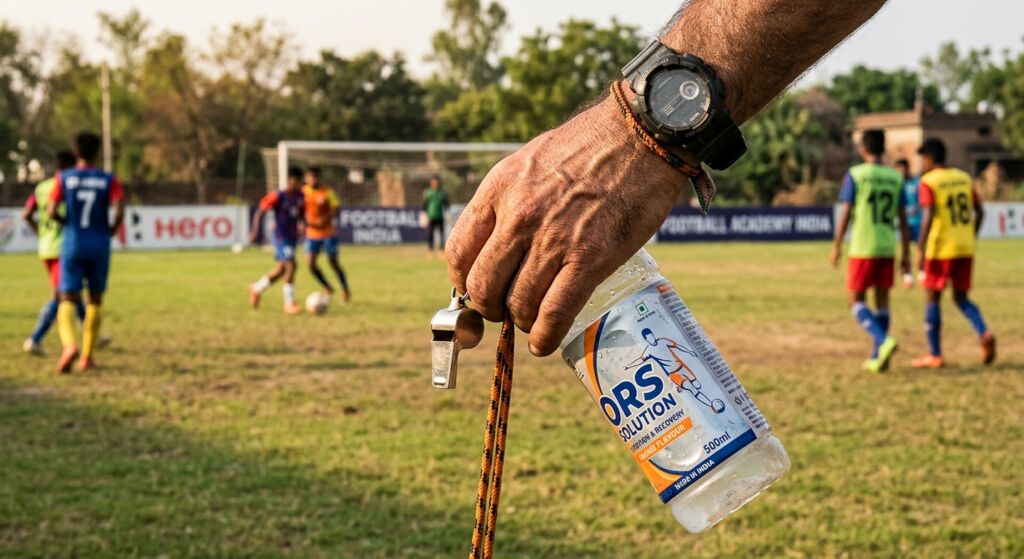
We recommend a specific hydration schedule. Students should consume 500ml of fluid two hours before training starts. During the session, 200ml every 20 minutes is the standard. Instead of expensive imported sports drinks, use Indian alternatives that work. Tender coconut water or a simple Oral Rehydration Solution (ORS) provides the necessary electrolyte balance at a fraction of the cost. According to recent 2026 sports science data, athletes using electrolyte-enriched fluids maintained 15% higher concentration levels during the final hour of practice compared to those drinking only water.
Identifying heat exhaustion before it becomes heatstroke
Coaches and parents must recognize the early warning signs. Heat exhaustion usually starts with heavy sweating and a rapid, weak pulse. If a student-athlete complains of dizziness, nausea, or muscle cramps, they must stop immediately. This is not the time to "tough it out."
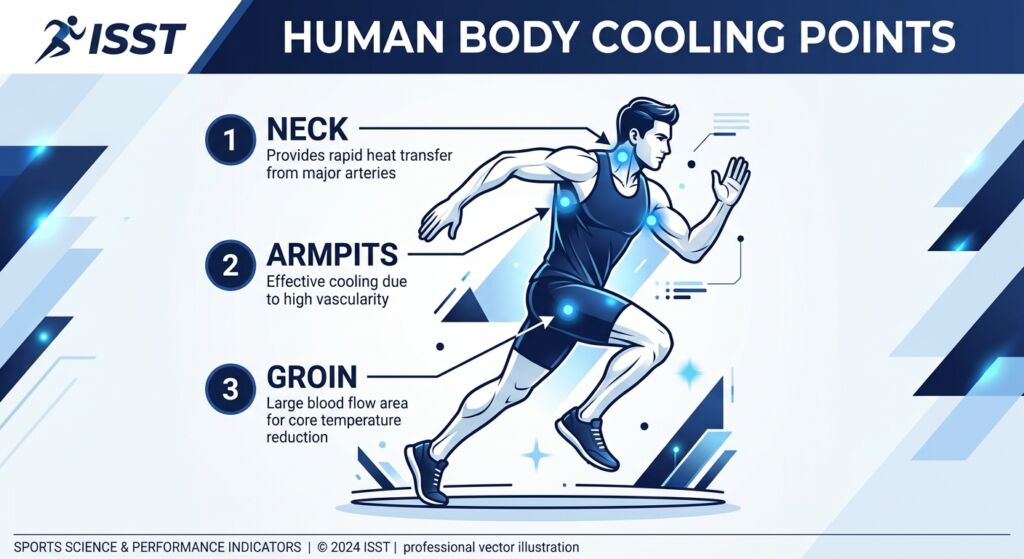
Move the athlete to a shaded area, preferably with a fan or air conditioning. Apply cold, wet cloths to the neck, armpits, and groin. These are the areas where large blood vessels are closest to the skin, allowing for faster cooling. In our 17 years of experience at ISST, we have found that immediate cooling can prevent a trip to the hospital. If the athlete becomes confused or loses consciousness, it has progressed to heatstroke. That is a medical emergency that requires an immediate call for an ambulance.
The 2026 protocol for camp scheduling
The timing of training is the most effective way to manage heat risk. The 2026 Heat Action Plans (HAPs) implemented by several Indian municipal corporations now suggest limiting outdoor physical activity between 11:00 AM and 4:00 PM. High-performance camps should shift their schedules to early morning (6:00 AM – 9:00 AM) or late evening (5:30 PM onwards).
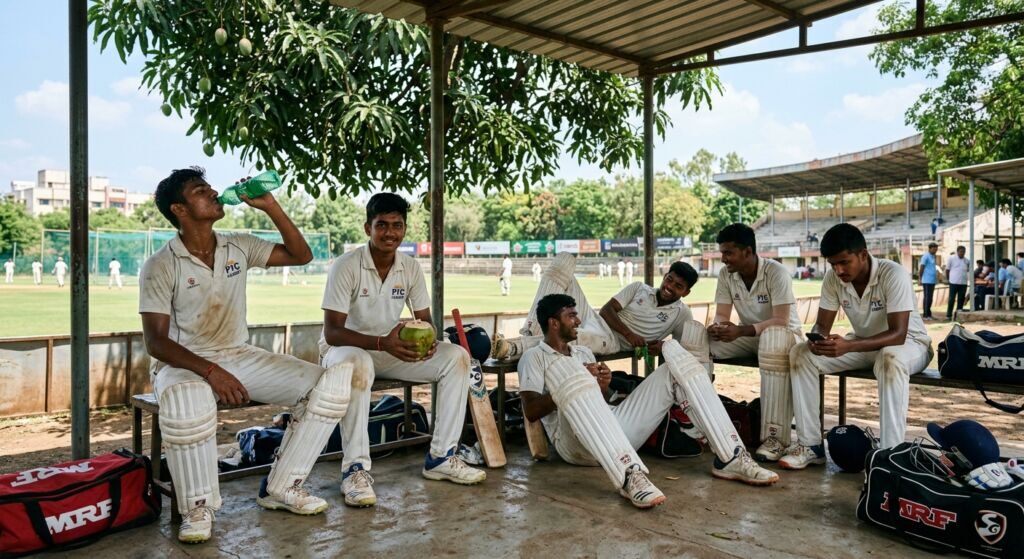
If a camp must run during the day, indoor facilities or shaded pavilions are non-negotiable. We suggest implementing "mandatory shade breaks" every 45 minutes. During these 10-minute intervals, athletes must remove helmets or heavy gear and sit in a cooled environment. This small adjustment significantly reduces the core body temperature. If you are curious about the science behind these protocols, our Sports Science Degree India guide explains how the body regulates temperature during elite competition.
Equipping the student-athlete for the heat
Clothing choice is a simple but overlooked safety factor. Many young athletes wear heavy cotton t-shirts that soak up sweat and become heavy, trapping heat against the skin. Encourage the use of light-colored, moisture-wicking synthetic fabrics. These materials allow sweat to evaporate quickly, which is the body's primary way of cooling down.
Sun protection also matters. Sunburn affects the body's ability to cool itself. Applying a sweat-resistant sunscreen and wearing a cap during breaks can make a noticeable difference. For those transitioning from playing to the management side, understanding these logistics is part of the job. You can see how these roles fit into the industry in our 2026 Professional Roadmap.
Advice for parents and academy owners
Parents often worry about the ROI of a sports program, but safety is the first metric of a quality institute. Ask the camp organizers about their medical emergency plan. Do they have a trained first-aider on-site? Is there a dedicated cooling zone? A professional academy will have clear answers to these questions.
Academy owners should view safety as a business advantage. A safe camp builds a better reputation and reduces liability. Investing in water dispensers, ice packs, and proper ventilation is a small price to pay for the well-being of the students. As we noted in our discussion on Life Lessons Through Sports, discipline in safety is just as important as discipline in technique.
Frequently Asked Questions
What is the best time for summer sports practice in India?
Practices should ideally happen before 9:00 AM or after 5:30 PM to avoid peak UV radiation and extreme heat. Avoid the 11:00 AM to 4:00 PM window entirely during the 2026 summer months.
How much water should a student-athlete drink during a 2-hour session?
A student should aim for roughly 1.2 to 1.5 liters of fluid, ideally split into small amounts every 15–20 minutes. Plain water should be supplemented with electrolytes or ORS to replace salts lost through sweat.
Can coconut water replace sports drinks for hydration?
Yes, tender coconut water is an excellent natural source of potassium and electrolytes for moderate-intensity training. For very high-intensity sessions lasting over 90 minutes, a standard ORS or sports drink might be needed for higher sodium content.
What are the first signs of heat exhaustion in a child?
The first signs include heavy sweating, cold or clammy skin, a fast pulse, and muscle cramps. If the child feels dizzy or nauseous, they must be moved to a cool area immediately.
Is it safe to train in 40°C weather if we take breaks?
It is generally discouraged for high-intensity training, but if necessary, breaks must be frequent and taken in a shaded, ventilated area. Monitoring the Heat Index, which includes humidity, is more important than checking the temperature alone.
What should a coach do if an athlete faints?
Lay the athlete flat on their back and elevate their feet slightly. Call for medical help immediately and start cooling their body with wet cloths or ice packs while waiting.
Does wearing a cap help prevent heatstroke?
A cap helps protect against direct sunburn and keeps the face shaded, but it can also trap heat on the head. It is best used during breaks or low-intensity drills rather than during full-out sprinting.
Should athletes take salt tablets during summer camps?
Salt tablets are usually unnecessary and can be dangerous if not taken with enough water. It is much safer to use electrolyte powders or ORS dissolved in water to maintain balance.
Secure your spot for the 2026 season
This Peak Summer Sports Camp Season, prioritize athlete safety to ensure long-term success with ISST. Whether you are a coach, a parent, or a student-athlete, understanding the science of the body is the first step toward a professional career. Book a free career counselling session today to learn how our programs prepare you for the real-world challenges of the Indian sports industry.
The Institute of Sports Science & Technology (ISST), founded in 2008 in Pune, is India’s premier education center dedicated exclusively to sports management and sports science. By integrating cutting-edge academic pedagogy, robust industry partnerships, and scientific methodologies, ISST develops top-tier professionals equipped to lead the modern sports, fitness, and wellness industries.
- Founded in 2008 as a pioneer in Indian sports education
- Offers specialized programs in Sports Management & Sports Science
- Strong industry partnerships with leading sports leagues, teams, and organizations
- Faculty comprises expert sports scientists, veteran coaches, and industry researchers
- Dedicated placement cell with extensive national and international support