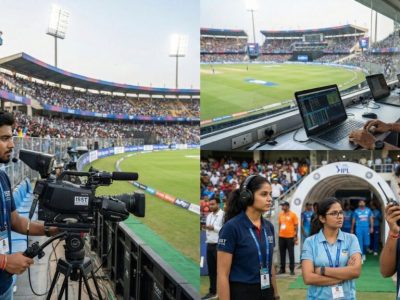

The Thrilling World of Sports Careers
Sports – it’s more than just a game. It’s a passion, a lifestyle, and for many, a dream career. The world of sports is a vast and exciting arena, brimming with opportunities for those who possess the right blend of talent, dedication, and knowledge. From the adrenaline-pumping action on the field to the strategic maneuvers behind the scenes, there’s a role for everyone who shares a love for sports.
Whether you’re a die-hard fan or an aspiring athlete, you’ve probably wondered what it takes to turn your sports passion into a fulfilling career. While talent and hard work are undoubtedly essential, the path to success in the sports industry can be complex. So, let’s dive in and explore the different avenues available to you
Is a Certificate in Sports Enough for a Career in 2026?
So, you’re eager to dive into the world of sports. But before you lace up your cleats or step into the boardroom, let’s talk about certifications. Now, don’t get confused with degrees. While they’re both educational paths, they serve different purposes. Think of it this way: a degree is like a comprehensive toolkit for building a house, while a certificate is more like a specialized tool for a specific job.
Let’s break it down.
Sports Certificate vs. Sports Degree: 2026 Comparison
Choosing between a certificate in sports and a full sports degree depends heavily on your career stage and specific goals in the 2026 landscape. While both are pillars of sports education, they offer different Return on Investment (ROI).
- Duration: Certificates typically take 3-9 months, whereas degrees require 3-4 years.
- Cost: Certificates are a cost-effective way to upskill or pivot, while degrees represent a significant financial and time investment.
- Depth: A sports degree provides a foundational understanding of kinesiology, management, and law. A certificate focuses on high-demand niche skills like data analytics or event operations.
If you are looking to enter the workforce quickly, a certificate can get you in the door. However, if you’re aiming for executive leadership, a sports management degree is often worth it in 2026 for the long-term network and credibility it provides.

Types of Sports Certificates
Let’s talk specifics. There’s a wide range of sports certificates out there, each designed to equip you with specialized skills for a particular role. You might find certificates in coaching, officiating, sports management, sports marketing, sports medicine, and even sports nutrition. These certificates can vary in length and depth, depending on the specific field and your learning goals.
Imagine you’re a football fanatic. You could get a certificate in coaching to hone your leadership and tactical skills. Or, if you’re more interested in the business side of sports, a certificate in sports management could be your ticket to the executive suite.
Need a more concrete example? ISST Pune offers a variety of certificate programs that can kickstart your sports career. Let’s check them out!
Examples of Sports Certificate Programs at ISST Pune
ISST Pune, a leading institution in sports science and technology, offers a range of certificate programs designed to equip aspiring sports professionals with the necessary skills and knowledge. These programs cover various aspects of the sports industry, from coaching and officiating to sports management and fitness.
- Check out the ISST Pune website for detailed information on their certificate programs and admission process.
Whether you’re looking to enhance your coaching abilities, gain expertise in sports management, or specialize in a specific area, ISST Pune has a certificate program to suit your goals.
Benefits of Specialized Sports Education and Certifications
So, why should you consider adding a sports certificate to your resume? Let’s break down the benefits. First and foremost, a certificate can significantly boost your knowledge and skill set in a specific area of the sports industry. Imagine diving deep into the world of sports nutrition or mastering the art of coaching – it’s like gaining a superpower!
Secondly, certificates can be a game-changer when it comes to job hunting. They demonstrate your dedication to the sports industry and showcase your specialized expertise. This can give you a competitive edge when applying for roles that require specific qualifications.
Lastly, a sports certificate can enhance your credibility and marketability. It’s like a stamp of approval that says, “I know my stuff!” Potential employers will be impressed by your commitment to professional development and your ability to deliver results.
When a Sports Degree is Essential for Career Growth
While certificates can be a valuable asset, a sports degree offers a more comprehensive education. It’s like building a strong foundation for your sports career. With a degree, you’ll gain a deeper understanding of the sports industry, from the science of human performance to the business of sports.
Sports degrees often offer specializations, allowing you to focus on areas that truly ignite your passion. Whether you’re drawn to sports management, exercise science, sports psychology, or coaching, there’s a degree program out there to match your interests.
And let’s not forget the power of practical experience. Many sports degree programs incorporate internships and hands-on opportunities, giving you a taste of the real world and helping you build a professional network.
Let’s explore some of the sports degree programs offered by ISST Pune.
Career Paths: Where Your Sports Education Leads
The 2026 sports industry in India is diversifying. Employers now value specialized knowledge as much as general academic background. Here is how your choice of sports education impacts your career trajectory:
For Certificate Holders:
Certificates are perfect for those looking for a career change to sports in India. You can quickly qualify for roles such as Sports Social Media Manager, Talent Scout, or Grassroots Coordinator. It’s about proving immediate tactical value to an organization.
For Degree Holders:
A degree is the standard for technical and high-stakes roles. This includes becoming a Sports Scientist or a Senior Operations Manager. For those pursuing the business side, understanding the sports management salary in India shows that degree holders often start at a higher pay grade in corporate sports entities and leagues like the IPL or ISL.
Examples of Sports Degree Programs at ISST Pune
ISST Pune offers a range of comprehensive degree programs designed to provide you with a solid foundation in the sports industry. From understanding the athlete’s body to the intricacies of sports management, these programs cover a wide spectrum.
- Check out the ISST Pune website to explore their degree programs in detail.
Whether you dream of becoming a sports coach, a sports administrator, or a sports scientist, ISST Pune’s degree programs can equip you with the knowledge and skills to achieve your goals.
Remember, a sports degree is like building a strong foundation. It provides you with a versatile skill set that can open doors to various career paths in the sports industry.
Is a Certificate or Degree More Important?
Now, the million-dollar question: Is a certificate or degree more important for a successful sports career? The truth is, it depends. It’s like choosing the right equipment for a game – the best choice depends on the specific field you want to play in.
For some roles, a certificate might be enough to get you started. For example, if you dream of being a personal trainer, a coaching certification coupled with practical experience could be your winning formula. On the other hand, if you aspire to a leadership position in sports management, a degree can provide you with a broader skill set and a deeper understanding of the industry.
The ideal scenario? A combination of both. A certificate can give you a specialized edge, while a degree can provide a solid foundation. It’s like having a versatile toolkit at your disposal.
Let’s delve deeper into the factors you should consider when making this important decision.
Factors to Consider When Choosing Your Path
Choosing between a certificate and a degree is a big decision. Let’s break down some key factors to help you make an informed choice.
- Personal Interests and Career Goals: What truly excites you about the sports industry? Do you have a specific role in mind? Your passions should guide your educational path.
- Time and Financial Resources: Consider how much time and money you can invest in your education. Certificates are generally shorter and less expensive than degrees.
- Entry-Level Requirements: Research the job market for your desired role. Do most employers require a degree, a certificate, or a combination of both?
- Long-Term Aspirations: Think about where you want to be in five or ten years. A degree might offer more opportunities for career advancement in the long run.
Remember, there’s no one-size-fits-all answer. The best path for you depends on your unique circumstances and goals.
Now, let’s talk about how to stand out in the competitive world of sports.
Fueling Your Passion: Beyond the Classroom
Education is a powerful tool, but it’s just the beginning. To truly excel in the sports industry, you need to go beyond the classroom and build a strong foundation for your career.
Networking is your secret weapon. Building relationships with industry professionals can open doors to incredible opportunities. Attend industry events, conferences, and sports matches. Connect with alumni, coaches, and other professionals in your field. You never know where your next big break will come from.
Beyond networking, developing a strong set of transferable skills is crucial. Communication, leadership, problem-solving, and adaptability are essential for success in any field, including sports. These skills will help you stand out and advance your career.
And remember, the sports industry is constantly evolving. Stay curious, keep learning, and stay up-to-date with the latest trends and innovations. Lifelong learning is key to staying ahead of the game.
Now, let’s inspire you with some real-life examples of how ISST Pune alumni are making waves in the sports world.
Conclusion: It’s All About Your Game Plan!
So, do you need a certificate or degree to work in sports? The answer isn’t black and white. It’s more like choosing the right playbook for your game. The sports industry is a dynamic arena with countless opportunities, and the path to success is unique for everyone.
Whether you opt for a certificate, a degree, or a combination of both, remember that your passion, dedication, and ability to network are equally important. It’s about finding your niche, honing your skills, and building a strong foundation for your career.
Think of it as a game plan. You need to strategize, set goals, and make informed decisions. With the right mindset and preparation, you can turn your love for sports into a fulfilling career.
Now, let’s tackle some common questions.
A Tailored Approach Leads to Victory
Remember, your sports career journey is a marathon, not a sprint. Take the time to explore your options, weigh the pros and cons, and choose the path that aligns with your goals and aspirations. There’s no one-size-fits-all answer, so trust your instincts and create a game plan that works for you.
With passion, determination, and the right education, you can achieve your dreams in the exciting world of sports.
FAQs
Can I get a job in sports without any education or certification?
While it’s possible to break into the sports industry without formal education, having a certificate or degree significantly increases your chances of landing a desirable role. Many entry-level positions now require some form of qualification. Even if you have exceptional talent or connections, formal education can provide you with the knowledge and skills to excel in your chosen field.
What is the difference between a sports certificate and a sports diploma?
A sports certificate typically focuses on a specific area of expertise, such as coaching, sports management, or strength and conditioning. It’s designed to provide you with specialized skills and knowledge in a shorter timeframe.
A sports diploma offers a broader foundation in the sports industry. It covers multiple aspects of sports, such as management, marketing, and athlete development. A diploma program is generally longer than a certificate program and provides a more comprehensive education.
How long does it take to earn a sports certificate?
The duration of a sports certificate program varies depending on the institution and the specific area of focus. Some certificates can be completed in a few months, while others may take up to a year. The length of the program is often determined by the number of credits required and the pace at which you can complete the coursework.
Can I take online sports certificate courses?
Yes, many institutions offer online sports certificate programs, providing flexibility for students with busy schedules. Online learning allows you to study at your own pace and convenience. However, it’s important to choose a reputable institution that offers quality education and support.
What are the career opportunities after completing a sports degree program?
A sports degree opens up a wide range of career opportunities. Graduates can pursue roles in sports management, coaching, athlete development, sports marketing, event management, and sports journalism. The specific career path you choose will depend on your interests, skills, and experience.
Remember, this is just a starting point. The sports industry is vast and constantly evolving, so be prepared to adapt and grow as your career progresses.