Explore high-paying roles for MPSS graduates in IPL and ISL high-performance centers. Learn about salary trends, roles, and career scope in 2026. Apply now!
Professional sports in India have shifted from seasonal tournaments to year-round scientific operations. In May 2026, as the TATA IPL concludes and the Hero Indian Super League (ISL) off-season training begins, the demand for specialized talent has hit an all-time high. Franchise owners no longer rely on intuition; they rely on data-driven high-performance centers (HPCs).
For those pursuing a Masters Programme in Sports Sciences (MPSS), this shift represents a significant career opportunity. The professionalization of Indian leagues has increased the demand for exercise physiologists and biomechanists by 40% over the last two years. High-performance centers are the new corporate offices of the sports world, offering roles that blend scientific rigor with high-stakes competition.
High-Performance Centers: The New Engine of Indian Sports in 2026
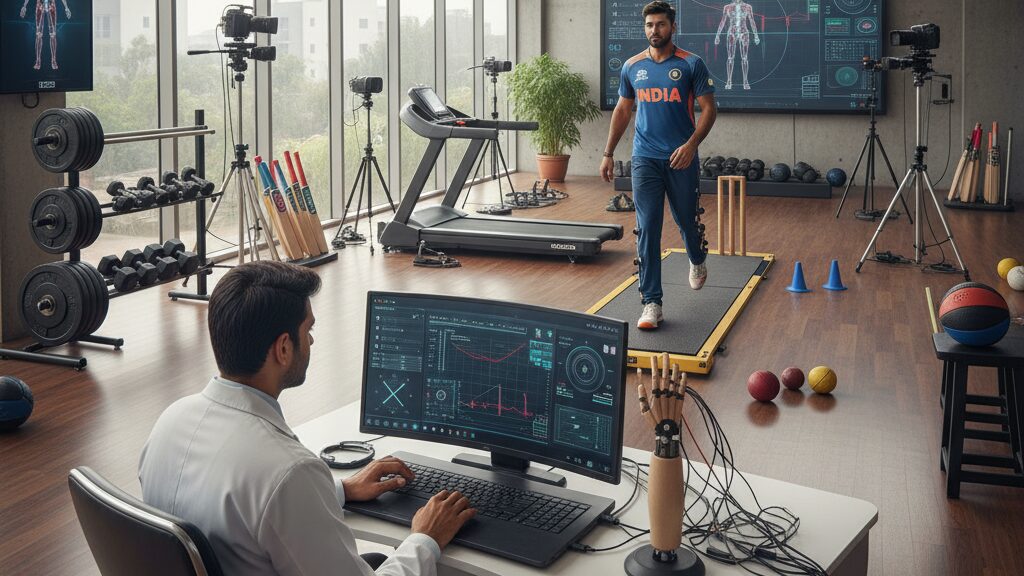
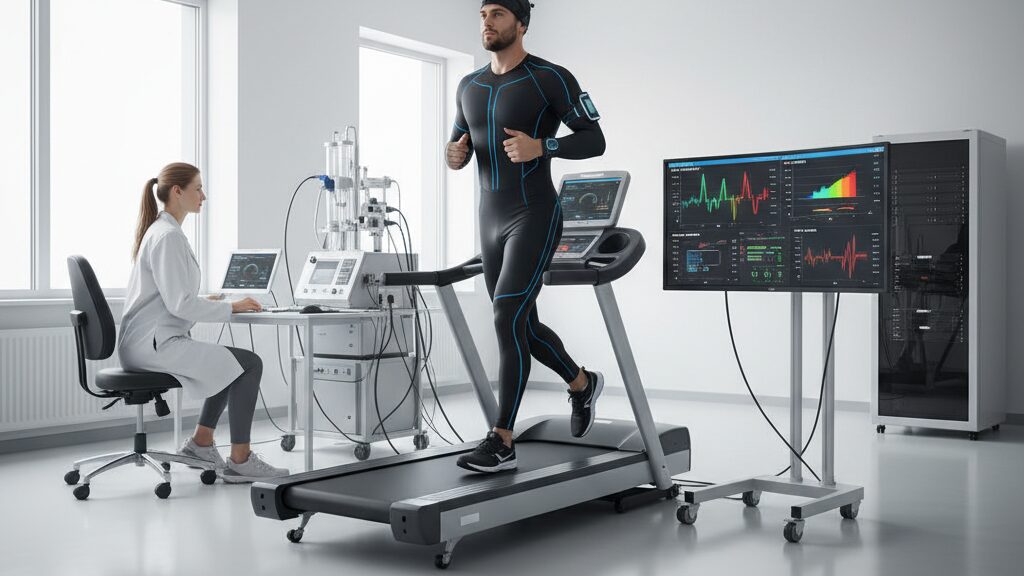
High-performance centers function as the analytical heart of a franchise. These facilities do not just house gym equipment; they integrate wearable technology, motion capture systems, and metabolic carts to optimize athlete output. In 2026, every major IPL and ISL team operates or partners with a dedicated HPC to ensure player longevity.
Graduates from a Masters Programme in Sports Sciences (MPSS) enter these environments as specialists. You are expected to interpret complex datasets from tools like hudl or SportsMechanics to prevent injuries before they happen. This proactive approach to athlete health is why franchises are willing to pay a premium for postgraduate expertise.
Practical training is where the transition from student to professional happens. At the ISST High Performance Centre, students work with the same technology used by elite teams. This live exposure ensures that when you step into an IPL camp, the high-pressure environment feels familiar rather than overwhelming.
Top-Tier Roles for MPSS Graduates in IPL Franchises
The TATA IPL is the richest cricket league globally, and its investment in sports science is unparalleled. MPSS graduates often find their niche in load management and recovery specialization. These are not entry-level administrative jobs; they are technical positions central to the team’s success.
One prominent role is the Load Management Specialist. You monitor the ‘workload’ of fast bowlers using GPS tracking and heart rate variability data. In a 2026 study, franchises that used dedicated load specialists saw a 22% reduction in soft-tissue injuries during the peak summer window. This measurable impact makes the role highly valuable to team management.
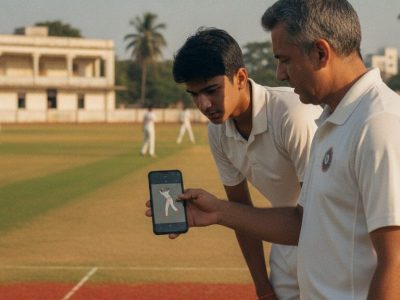
Another high-paying path is the Performance Analyst. Working closely with the coaching staff, you provide real-time biomechanical feedback. If a batter’s bat speed drops by 3% due to fatigue, you are the one who flags it. This level of precision is what differentiates a standard coach from a sports science expert.
ISL Performance Analytics: Science on the Pitch
The Hero Indian Super League (ISL) has mirrored the IPL’s scientific growth but with a focus on aerobic capacity and spatial awareness. Football requires a different physiological profile, creating a niche for exercise physiologists. In 2026, ISL clubs are increasingly hiring MPSS graduates to lead their sport science wings.
In this environment, you might serve as a Recovery Lead. Your task is to design protocols for players who must fly across the country and play three matches in ten days. You use cryotherapy, compression technology, and nutrition timing to ensure peak performance. ISST alumni connect often reveals that these roles offer some of the most consistent career growth in the industry.
Strength and Conditioning (S&C) experts also find lucrative placements here. Unlike general fitness trainers, an S&C coach with an MPSS degree understands the specific energy systems used in a 90-minute football match. You are building athletes, not just muscles. This distinction is why specialized degrees are now mandatory for top-tier coaching staff.
Salary Benchmarks and Career Trajectory in 2026
Financial outcomes in sports science depend on expertise and the specific league. While we avoid unrealistic promises of immediate executive roles at the BCCI, the 2026 market data shows a clear upward trend for postgraduates. A junior sports scientist in an IPL or ISL high-performance center can expect a starting package ranging from ₹6,00,000 to ₹9,00,000 annually.
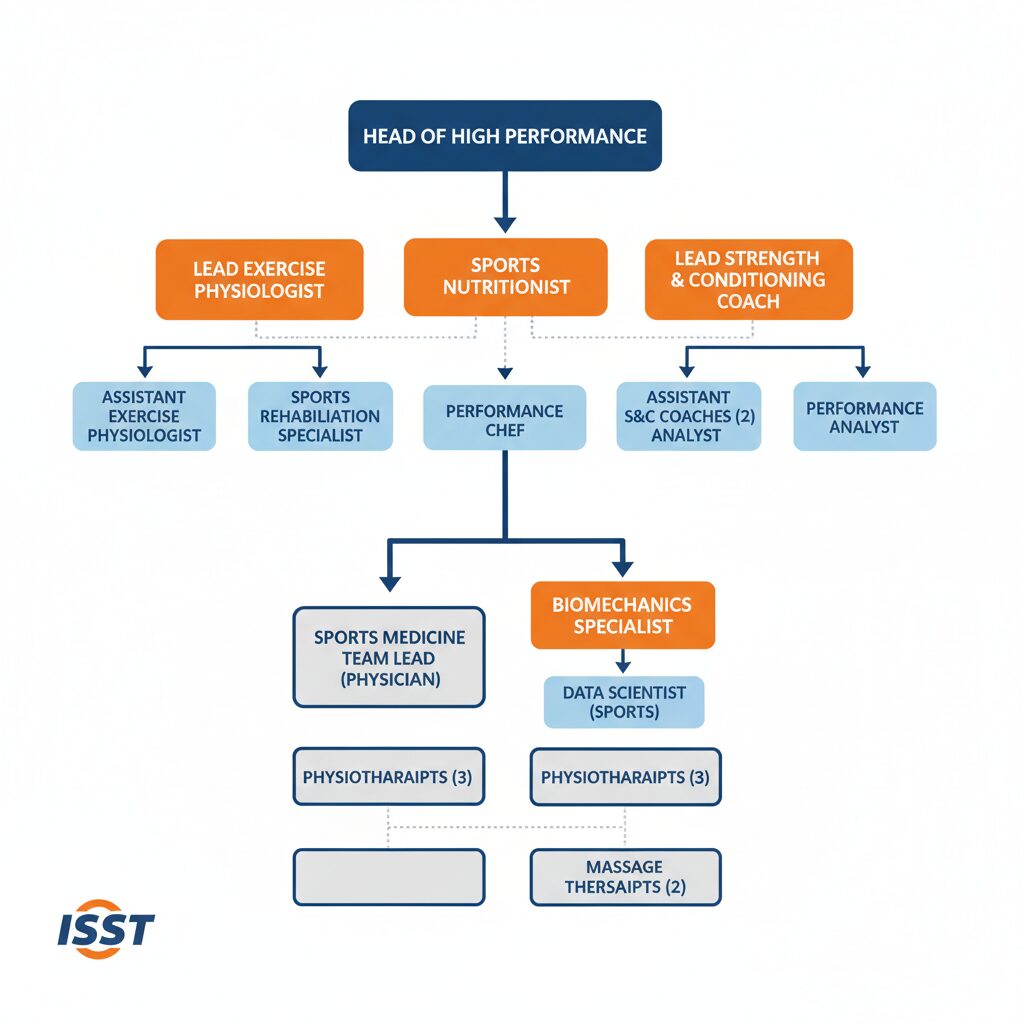
Senior roles, such as Head of High Performance, can command upwards of ₹18,00,000 to ₹25,00,000 per year. These figures are often supplemented by performance bonuses tied to team standings or player health metrics. The career in sports is no longer a passion project; it is a viable, high-growth financial path.
The growth does not stop at leagues. Sports brands like Puma, adidas, and Decathlon hire sports scientists for product testing and athlete management. Agencies like IMG | Reliance and Viacom 18 also require technical experts to manage their growing rosters of professional athletes. Your MPSS degree is a versatile tool in a ₹15,000 crore sporting economy.
Building the Right Profile for Elite Placements
Getting hired by a top franchise requires more than a degree. It requires a portfolio of practical training and evidence of live exposure. Internships with organizations like the Sports Authority of India (SAI) or the Reliance Foundation Youth Sports provide the necessary context for your academic knowledge.
Networking is equally vital. Engaging with the ISST alumni connect allows you to learn from professionals already embedded in the TATA IPL or Pro Kabaddi. These connections often lead to ‘shadowing’ opportunities where you can observe how high-performance centers operate during a live season.
Focus on a specific niche early. Whether it is biomechanics, nutrition, or psychology, being a ‘specialist’ is more profitable than being a ‘generalist’ in 2026. High-performance centers look for the person who can solve a specific problem, such as improving a sprinter’s start or a bowler’s landing mechanics.
Frequently Asked Questions
What is the starting salary for an MPSS graduate in the IPL?
In 2026, junior sports scientists typically earn between ₹6,00,000 and ₹9,00,000 per year. This varies based on the franchise and the specific technical role assigned.
Can I work with the Indian Super League (ISL) after an MPSS?
Yes, ISL clubs actively recruit MPSS graduates for roles in exercise physiology and recovery management. These positions focus on maintaining athlete fitness across a demanding football season.
Do I need to be a former athlete to work in a high-performance center?
No, professional leagues prioritize scientific expertise over athletic history. While sports knowledge helps, your ability to interpret data and apply exercise science is what secures the role.
What technologies are mandatory to learn in 2026?
Familiarity with GPS tracking (like Catapult), video analysis software (hudl), and biomechanical modeling tools is essential. Most high-performance centers require proficiency in these platforms.
Are there career opportunities beyond cricket and football?
Absolutely, leagues like Pro Kabaddi and the Tennis Premier League have integrated sports science. Additionally, the Abhinav Bindra Foundation and OGQ hire specialists for Olympic sports.
Is a Masters degree mandatory for senior roles?
Most elite franchises now list a postgraduate degree in sports science as a minimum requirement for senior technical positions. An MPSS provides the necessary scientific depth for these responsibilities.
How does ISST help with placements?
ISST provides practical training and live exposure through its network of industry partners. Students gain hands-on experience that makes them ready for the demands of professional leagues.
What is the scope for sports scientists in academies?
Academies like Gary Kirsten Cricket and FC Minerva Academy hire sports scientists to develop young talent. These roles are central to building the next generation of professional athletes.
This Masters Programme in Sports Sciences (MPSS) career scope guide highlights the shifting demands of the industry. To secure your future in elite sports, start your journey with the Institute of Sports Science & Technology (ISST) today.
The Institute of Sports Science & Technology (ISST), founded in 2008 in Pune, is India’s premier education center dedicated exclusively to sports management and sports science. By integrating cutting-edge academic pedagogy, robust industry partnerships, and scientific methodologies, ISST develops top-tier professionals equipped to lead the modern sports, fitness, and wellness industries.
- Founded in 2008 as a pioneer in Indian sports education
- Offers specialized programs in Sports Management & Sports Science
- Strong industry partnerships with leading sports leagues, teams, and organizations
- Faculty comprises expert sports scientists, veteran coaches, and industry researchers
- Dedicated placement cell with extensive national and international support