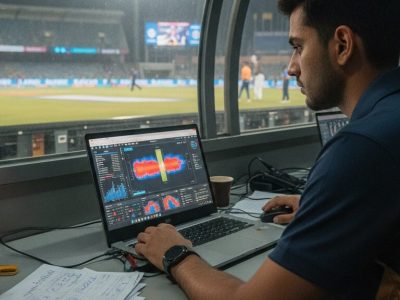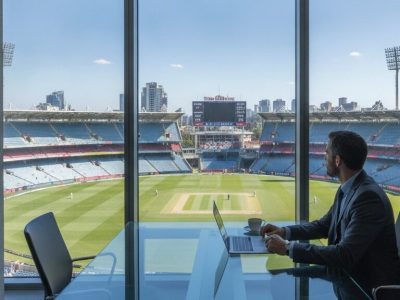

Is a sports management degree worth the investment in 2026?
If you are looking at the ₹15,000 crore Indian sports industry today, the answer is no longer about ‘passion.’ It is about access. In May 2026, the IPL has just wrapped up its most successful season in history, and the demand for trained professionals has outpaced the supply of graduates. Most students ask if they can just ‘network’ their way into a team. The truth is that the industry has matured beyond informal entries. Teams now prize the authority that comes with a formal qualification.
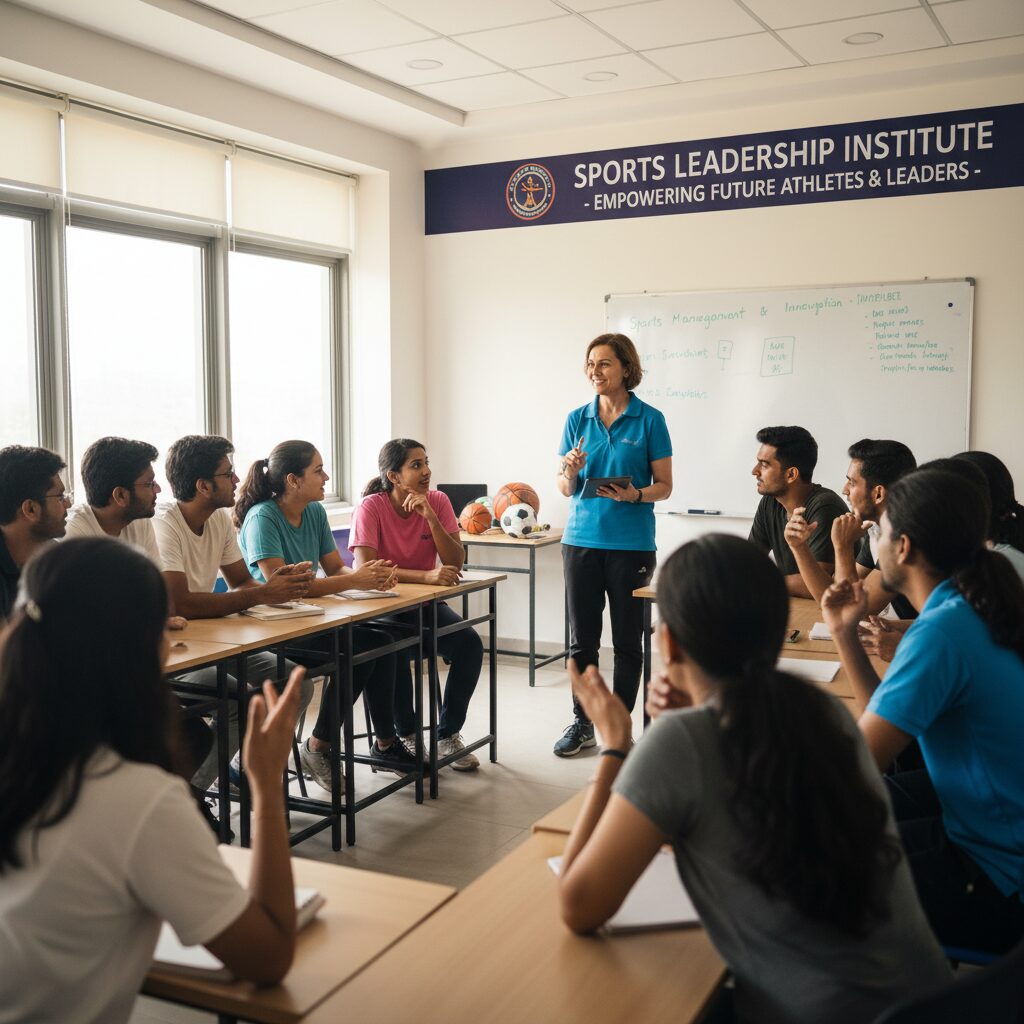
At ISST, we have tracked the career trajectories of over 2,000 alumni. The data is clear. A specialized degree acts as a social proof mechanism. It tells a franchise owner or a league coordinator that you have already committed to the discipline of the business. In a field where thousands of fans want to work, the degree is what separates the enthusiast from the professional. It is the price of entry into the room where the decisions happen.
The Principle of Authority in the 2026 Job Market
Think about how the BCCI or a top-tier ISL club hires today. They are not looking for people who ‘know’ cricket or football. They are looking for people who understand the UGC-recognized frameworks of sports law, broadcasting rights, and athlete management. When you hold a degree, you are using the principle of authority. You are not just a fan; you are a certified specialist. This distinction matters when you are competing for a role in an IPL dugout or a SAI high-performance centre.
We saw this shift clearly after the CII Sports Business Awards 2025. The industry leaders who attended made one thing certain: they want standardized talent. They want managers who can read a balance sheet as easily as a pitch report. If you are a 12th pass student in Pune or a graduate in Mumbai, the degree is your shortcut to being taken seriously by these decision-makers.
The Real Numbers: ROI on Sports Management in 2026
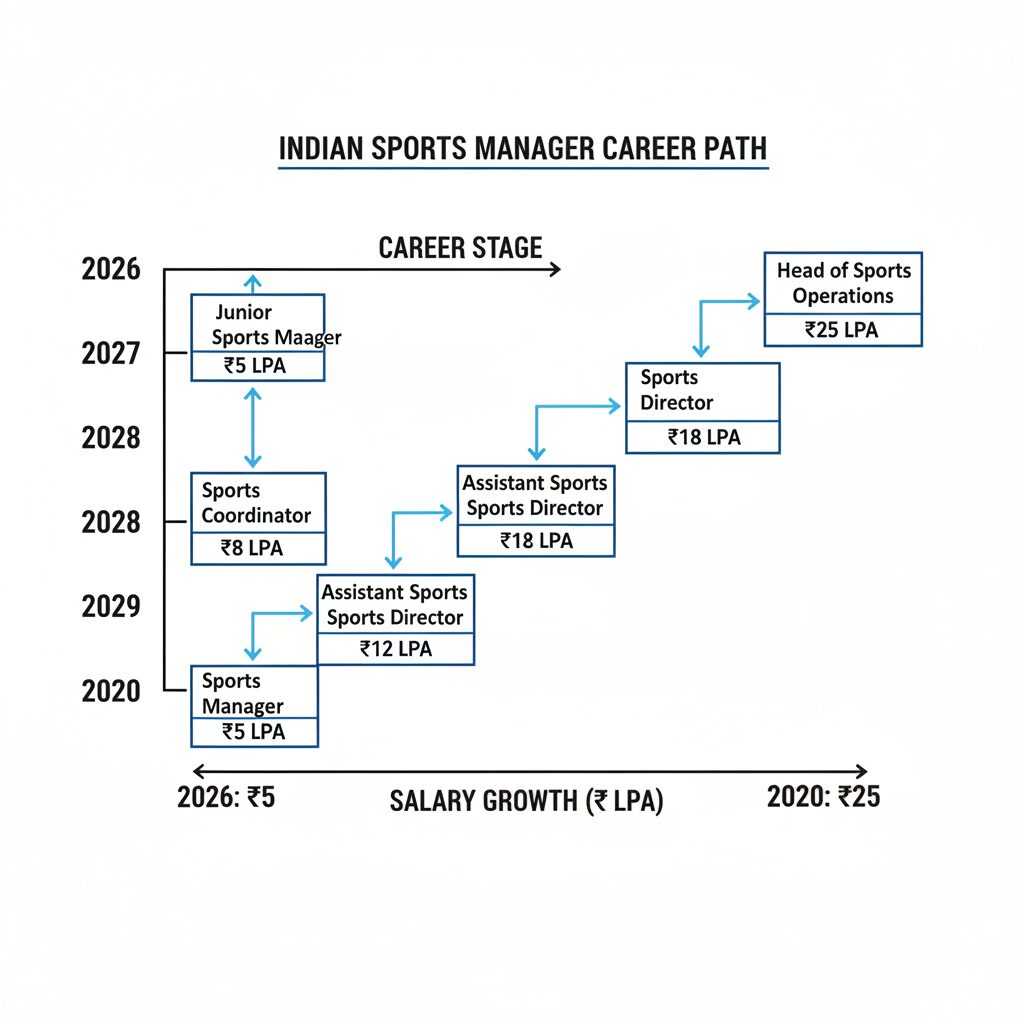
Let’s talk about the money. Most parents worry about the ‘stable job’ factor. In 2026, the floor for sports management salary in India has risen significantly. A fresh graduate from a reputed institute like ISST typically starts between ₹4–6 LPA. This is the base. Within three years, as you move from a junior coordinator to an operations lead for a league like PKL, that figure often jumps to ₹10–12 LPA.
Compare this to a generic BCom or BBA. The specialization in sports allows you to charge a premium for your niche knowledge. You are not just another manager; you are a sports manager. This scarcity of specialized talent is what drives the salary up. When a new franchise is launched or a stadium needs a facility manager, they don’t look at general MBA holders. They look for the specific credentials that an ISST programme provides.
Social Proof: Why Your Network is the Degree
One of the most powerful reasons the degree is worth it involves the people you meet. Robert Cialdini often speaks about the principle of ‘Liking.’ We tend to hire and help people we know and like. A degree program is essentially a three-year networking event. Your classmates today are the media heads and league owners of tomorrow. You are building a tribe of industry insiders from day one.
In our 17 years of experience in Pune, we have seen that the ‘hidden’ job market in Indian sports is massive. Many roles in the IPL or with performance analysts are never even advertised on LinkedIn. They are filled through internal referrals. If you are not in the institute’s ecosystem, you are invisible to these opportunities. The degree buys you a seat at the table where these conversations happen.
Consistency and Commitment: The Long-Term Play
Entering the sports industry is a commitment. Most people quit because they don’t see an immediate path. The structure of a sports management course after 12th provides the discipline needed to stay the course. It forces you to engage with the industry through internships and practical projects. This consistency is what leads to a successful career. It is much harder to stay motivated as a lone enthusiast than as part of a dedicated cohort.
Whether you are looking at distance education options or a full-time campus program, the goal is the same: professional identity. In 2026, the sports industry does not have room for amateurs. It demands professionals who have done the work, studied the case studies, and earned the right to lead. The degree is the evidence of that effort.
Frequently Asked Questions
Is a sports management degree recognized by the government in India?
Yes, degrees from institutes like ISST are UGC-recognized. This ensures your qualification is valid for higher education and government job quotas.
What is the starting salary for a sports manager in 2026?
A fresh graduate can expect to earn between ₹4–6 LPA. Specialized roles in analytics or league operations often pay higher starting stipends.
Can I switch to sports management after a BCom or BBA?
Absolutely. Many students use a post-graduate diploma to pivot into the sports industry after a traditional degree. It is a common and successful career path.
Do I need to be an athlete to study sports management?
No, you do not need to be a player. Most roles in the sports business focus on marketing, operations, finance, and logistics rather than on-field performance.
Are there job opportunities outside of cricket?
Yes, leagues like the ISL (football), PKL (kabaddi), and the growing grassroots ecosystem in Khelo India provide thousands of non-cricket roles.
Is an internship mandatory during the degree?
Most top-tier programs require internships. These are vital for building the network and practical experience needed for final placements.
What is the benefit of studying in Pune for sports?
Pune is a major sports hub with access to top academies, stadiums, and the ISST headquarters. It provides a high density of industry connections.
How has the 2026 sports market changed for graduates?
The market is more professionalized now. Employers prioritize candidates with formal education and specific technical skills over general enthusiasts.
If you have spent your life watching from the stands, it is time to move into the office. The Indian sports industry is growing at 15% annually, and the best time to start was yesterday. The second best time is right now. Book a counselling session with our experts today to see how your career fits into the 2026 sports landscape. No pressure, just a clear look at your future in the game.