
Every evening, across cities, hundreds of sports academies come alive. Children walk in with excitement, parents sit on plastic chairs along the sidelines with quiet hope, coaches run drills, whistles blow, sessions begin and end on time, fees are collected regularly, new batches are formed. From the outside, everything looks perfectly functional.
But here’s the uncomfortable question if everything is working so well, why are so few athletes actually progressing?
Take a familiar situation. A 13-year-old footballer joins an academy, attends training six days a week, plays local tournaments on weekends, is always among the better players in his batch, is often called “talented” by his coach. But over time, things begin to shift. Some days he gets attention, some days he doesn’t, one coach asks him to play defensively, another asks him to attack, feedback is inconsistent, there is no structured progression plan, no one is tracking his performance over time, no video analysis, no clear communication with parents. After a year, his performance plateaus. After two, his interest drops. Eventually, he leaves. Not because he lacked talent, not because he didn’t work hard, but because the system around him never evolved with him.
We often say grassroots sport is “broken.”
But a broken system doesn’t survive. This one does. Academies are full, evening batches are packed, summer camps have waiting lists, new enrollments happen every season, revenue flows steadily. So clearly, the system works, just not for the outcome we assume it is meant to deliver.
At its core, the grassroots sports ecosystem runs on a simple model enroll more students, maintain batch sizes, ensure regular fee collection, keep operations running, replace dropouts with new joiners, repeat the cycle. Participation drives revenue, progression does not. Look closely and you’ll notice a pattern students join with excitement, struggle to find direction, lose interest, drop out, new students replace them, the system resets without disruption. This is not a development pipeline, it is a replacement cycle.
Around 120 students walk in, divided into batches, drills begin, coaches take their positions, parents sit along the sidelines watching quietly. From the outside, it looks like a system that is working perfectly. But step a little closer.
There’s a 13-year-old boy who is consistent, hardworking, one of the better players in his group. He has been training here for over a year. He attends regularly, plays matches, listens to instructions.
Yet, no one can clearly answer a simple question
Is he improving?
There are no structured performance reports, no tracking of his progress towards district-level trials, no individualized development plan. His journey is based on observation, not data. And that’s where operations quietly becomes the real problem.
Because sports is not just about playing it is about sports management systems, sports science support, and performance analysis working together to build an athlete.
Take Back Why Grassroots Sport Isn’t Broken It’s Just a Business Model That WorksThe Harsh Reality of Student Progression
On most evenings, a number of sports academies in major cities are buzzing with activity. Kids rush in with excitement, parents sit quietly on plastic seats lining up the periphery, coaches conduct drills, whistles blow marking the beginning and end of each session, students pay fees regularly, and new batches are formed. Everything seems absolutely fine from the outside, but here’s the harsh reality: if everything’s going fine in grassroots sports, then why are only a handful of students progressing?
Consider an example: a 13-year-old football player registers at an academy and starts attending training classes six days a week, participates in local tournament matches on the weekends, and is complimented as “talented” by the coach. However, there is no systematic approach to development; feedback is inconsistent, nobody tracks his performance, no video analysis takes place, and there is no parent communication. A year down the road, he reaches a plateau, loses interest after two years, and eventually quits, not due to lack of talent or effort, but because the system failed to adapt to the student’s progress.The Functioning Business Model
When we claim that grassroots sport is “broken,” we mean that there’s something wrong with it. However, a flawed model wouldn’t be able to exist. Academies have lots of enrollments, evening batches are always full, summer camps require waiting lists, and there’s a steady cash flow. Therefore, the grassroots sport system works—only not as it should.
Basically, the fundamental idea behind the current model in grassroots sport is simply to get as many students as possible enrolled, collect regular payments, keep the operations running, and replace dropouts with new registrants. Participation guarantees income, whereas progression does not. We’ll notice a trend: kids register excitedly, fail to get proper guidance, lose enthusiasm, leave, and new people replace them, while the system continues as usual.
About 120 children enter the building, are organized into batches, drills commence, and parents gather observing silently.The Failure of the Operating System
Nobody can answer the simple question, “Is he improving?”. There is no report on the student’s performance, no tracking of his development, and no individualized approach; all that happens is based on observation. And that’s exactly what makes the operating system so poor.
Sports isn’t just a set of exercises and drills. It’s a complex of sports management systems, sports science support, and performance analysis, all aimed at creating a professional athlete.Inconsistent Coaching
The coach is knowledgeable in the game and can teach techniques, conduct drills, and run sessions. But the questions are:
- Does he understand how to communicate with a frustrated kid?
- Does he have a standardized system of feedback for every single student?
- Is there any awareness of athlete psychology?
Usually, the answer is negative. That’s the main reason for inconsistent feedback, which can be motivational some days and discouraging on others, or sometimes absent entirely. Lack of coaching systems based on the latest sports science approaches leads to random performance, and inconsistency causes the athlete to lose confidence.Poor Hiring of Staff
Coaches often hire people based on availability, not on expertise. The question is not, “Who can create such a system?” but “who will agree to work for the required salary?”
If a competent sports management professional’s demands seem too high, a different person is hired, resulting in:
- Poor coordination
- Inadequate communication
- Inefficiency in many operations
The main reason is that low-cost hiring compromises the system’s capability, which is key to successful operations.Lack of Facility Manager
The issue is the lack of a facility manager, where one person handles all duties, including enrollments, payments, parent communication, event organization, coach support, and field assistance. This intersection of duties makes everything everyone’s responsibility at once, leading to a failure of organization.Standardization Over Personalization
Standardization—using the same drills, session plan, and training methods for all kids (novices and advanced)—is convenient and efficient to organize. However, it is not effective for development. This is because efficiency gives rise to batches, while personalization develops athletes.Lack of Technology
Currently, attendance is recorded manually, feedback is done verbally, and advancement is assessed subjectively. Imagine leveraging sports science and analytics to:
- Analyze the player’s movement patterns, shot selections, match performance dynamics, and workload.
- Send monthly videos and analysis of the child’s performance to the parents.
This turns the academy from a place where kids train into one where athletes are developed with the help of science. What’s measured gets improved; what’s not is assumed, and assumptions don’t lead to improvements.The Issue of Parents and Transparency
Parents invest effort and money, participate actively, and believe the coach is doing everything right. What they get in return includes:
- No structured reports about the process.
- Inconsistent feedback about the child’s progress.
- Vague understanding of his or her capabilities.
Transparency, which is a core requirement, is treated as a bonus in the current situation.The Root Cause and Path to Redesign
The problem is not a lack of talent or bad intentions. It is the lack of a structured system behind the operation, which should involve:
- Sports management specialists designing all the processes.
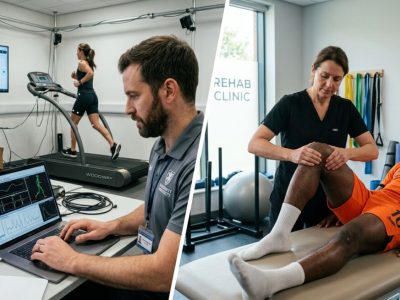
- Sports scientists assisting in development.
- Performance analysts providing the necessary tracking and measurement.
- Facility managers handling everything smoothly.
Athletes need a system. Until academic programs stop being operation-centered, talented people won’t progress because the system was flawed. The current model works fine as a business system, just not as a development mechanism.Necessary Changes for System Redesign
Systems evolve via redesign, not as a matter of principle. The necessary changes are:
- Move from attendance to progression in measuring success.
- Hire not for cost but for capability.
- Define roles in operation and assign them accordingly.
- Use technology to enhance sports science and coaching.
- Develop the system of transparency.
Grassroots sport works just fine as a business system, but it definitely fails as a developmental system.
ching.
The coach understands the game. He can demonstrate technique, run drills, manage sessions.
But does he know how to communicate with a young athlete who is struggling?
Is there a structured feedback system?
Is there an understanding of athlete psychology? In most cases, no.
So feedback becomes inconsistent
some days encouraging, some days harsh, sometimes completely absent. In the absence of structured coaching frameworks supported by sports sciences and pedagogy, performance becomes unpredictable.
And inconsistency does one thing very effectively it breaks confidence.
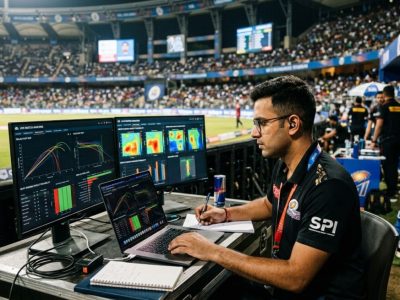
Now imagine if this same academy had a performance analyst. Every session is tracked batting consistency, shot selection, match performance trends. Video analysis highlights strengths and gaps. Feedback is not based on mood it is based on data.
Suddenly, the athlete is no longer guessing his progress he can see it.
That is the difference between training and development.
Then comes hiring.
In many academies, hiring decisions are not driven by expertise, they are driven by affordability. The question is not, “Who can build this system?”
The question is, “Who fits this salary?”
A trained sports management professional, someone who understands systems, athlete pathways, coordination, and operations, may be overlooked because they demand slightly higher compensation. Instead, roles are filled with whoever is available within budget.
The result?
Poor coordination, weak communication, unstructured processes, and missed opportunities.
Because when you hire for cost, you compromise on capability.
And capability is what builds systems.
Add to this the role of a facility manager or rather, the lack of one.
One person is handling registrations, speaking to parents, coordinating schedules, managing events, supporting coaches, and sometimes even stepping onto the field. Everything overlaps. Nothing is clearly owned.
And when everything is everyone’s job, nothing becomes anyone’s responsibility.
Then comes standardization.
Same drills for all players, same sessions across skill levels, same approach for beginners and advanced athletes. It is efficient. It is easy to manage.
But it is not effective for development.
Because efficiency builds batches
but personalization builds athletes.
Now layer this with the absence of technology.
Attendance is manual. Feedback is verbal. Progress is assumed.
But imagine a system supported by sports science and analytics
tracking movement patterns, shot accuracy, workload, match performance. Imagine sharing monthly reports with parents video clips, performance graphs, and improvement areas.
Now the academy is not just training it is developing athletes scientifically.
Because what gets measured improves. And what doesn’t get measured gets assumed. And assumptions don’t build athletes.
And then there are the parents.
They invest time, money, and belief. They show up every day. They trust the system.
But what do they receive in return?
No structured reports. No consistent feedback. No clear understanding of where their child stands.
Transparency is treated like an add-on. But in reality, it is a foundational requirement.
When you step back, the problem becomes clear.
The issue is not talent.
The issue is not intent.
The issue is the absence of a structured ecosystem
where sports management professionals design systems,
where sports scientists support development,
where performance analysts track progress,
where facility managers ensure smooth execution.
Because athletes don’t just need coaching.
They need a system.
And until academies move from activity-driven operations
to system-driven development models, we will continue to see talented players plateau, lose confidence, and eventually walk away.
Not because they weren’t good enough
but because the system around them never was.
When you step back, the system is not failing, it is functioning exactly as designed to sustain participation, ensure continuity, maintain revenue.
Not necessarily to produce elite athletes.
So what needs to change is to shift success metrics from attendance to progression, hire for capability over cost, create defined operational roles, integrate technology, build transparent communication systems.
Systems don’t improve by intention, they improve by design.
Because the truth is simple.
That young athlete did not fail. The academy did not intentionally fail him. The system simply delivered what it was built to deliver.
Grassroots sport works exactly as a business, and that’s precisely why it often fails as a development system.